
Studies, Case Files & Action
Our National Forests Are Being Managed by Lawsuits
The U.S. Forest Service manages 193 million acres of national forest and grassland, and the people who work there know how to treat an overgrown stand before it burns. What they do not have is a process that lets them finish. The Equal Access to Justice Act, which pays anti-access groups to sue and keeps them suing; the 2001 Roadless Rule, which put tens of millions of acres beyond the reach of the equipment and road access; and the Endangered Species Act that keeps access closed long after species have recovered keep getting in the way of proper forest management. BlueRibbon Coalition dives into all three below.
Start Here
The four resources that carry the argument
If you read nothing else on this page, read these four.
NEPA Jail: The Litigation Tracker
A searchable record of 279 forest and fuels-reduction projects covering 5.3 million acres, showing how long each one spent in environmental review, which organizations challenged it, and whether the treatment was narrowed, delayed, or killed outright.
Open the tracker
The Roadless Rule and Its Rescission
The full issue page on the 2001 rule: what it restricted, how it has been used in litigation, the timeline of BlueRibbon Coalition's 24-year challenge, and the management case for returning these acres to local decision-making.
Read the issue page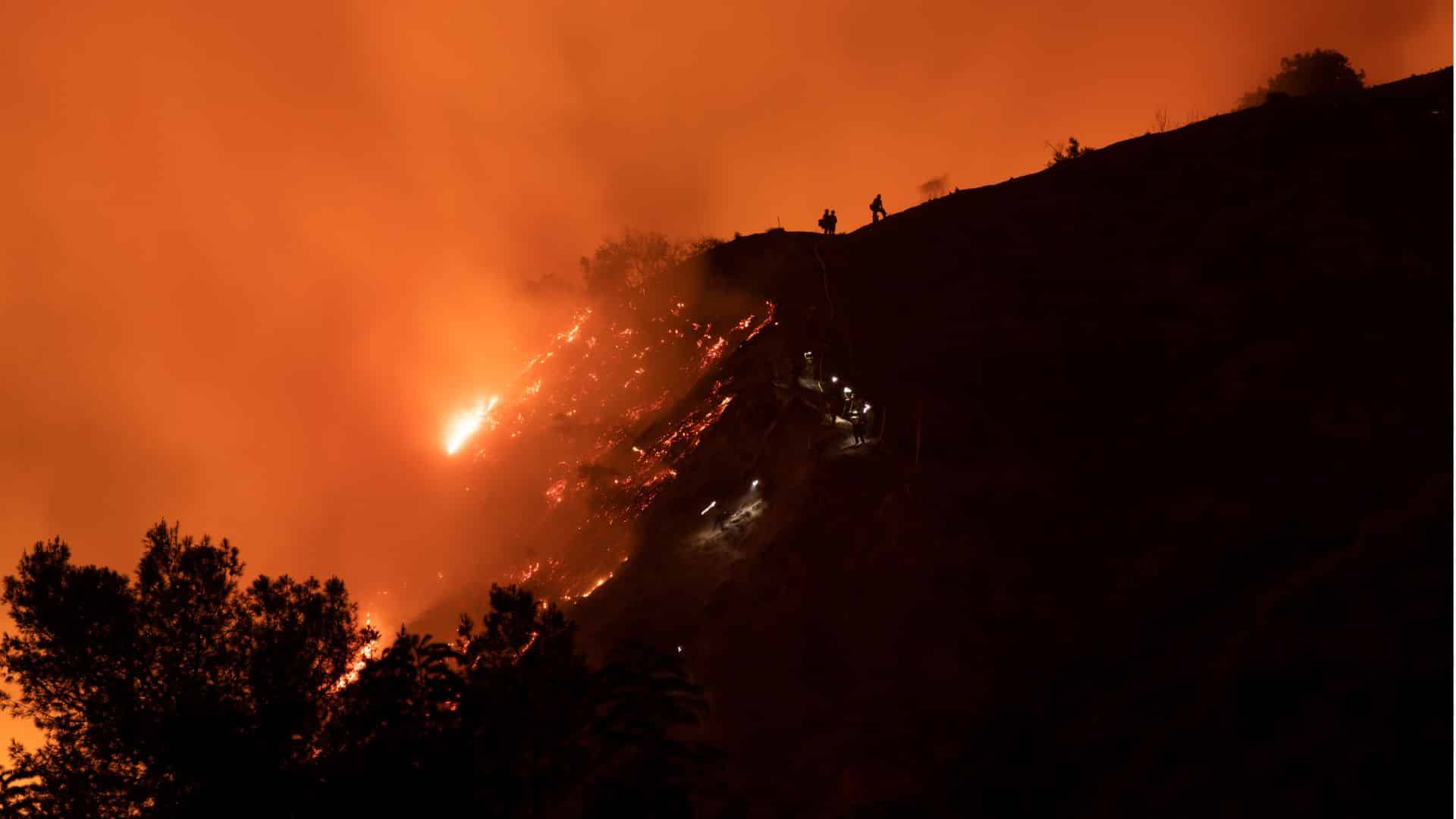
Roadless Areas Burn Bigger
An analysis of nearly 110,000 fires across ten Western states. Ignitions within 50 meters of a road reached 300 acres or more 1.45 percent of the time. In designated wilderness the figure was 5.77 percent.
See the findings
Grizzly Bear Road Density: How Bad Science Closes Forest Roads
Road-density thresholds written in the early 1990s still drive forest road closures today, even after three decades of grizzly population growth on the existing road network. A look at what the standards assume and what the record shows.
Read the analysisNEPA Jail & Wildfire
Case studies where the delay and the fire are on the same ground
Each of these follows a single project from approval through litigation to the fire that eventually ran through the untreated stand. They are the clearest illustration of what the tracker measures at scale.
NEPA Jail: The Litigation Tracker
A searchable record of 279 forest and fuels-reduction projects covering 5.3 million acres, showing how long each one spent in environmental review, which organizations challenged it, and whether the treatment was narrowed, delayed, or killed outright.
Open the tracker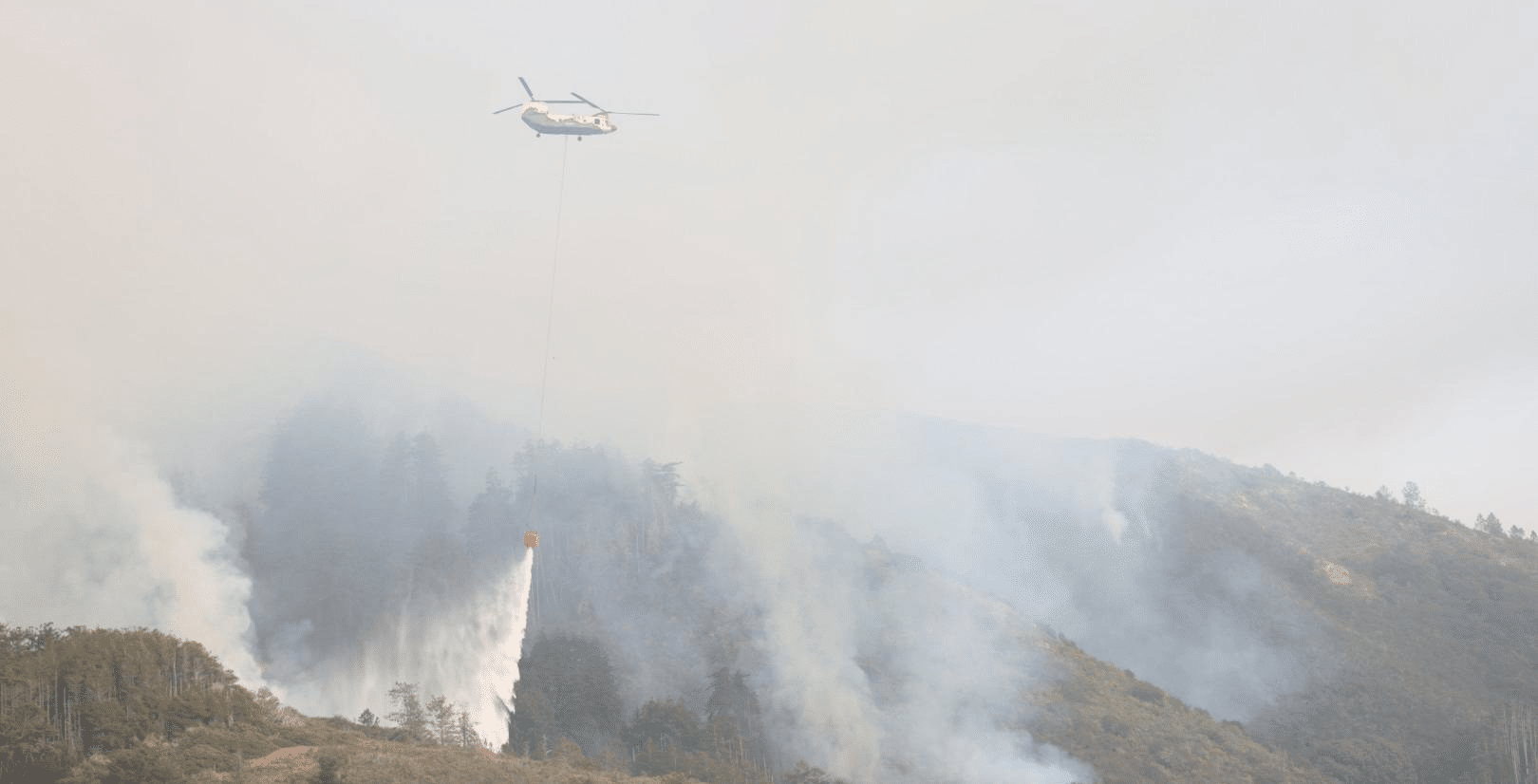
Los Padres Wildfire Risk Reduction Project Stalls as Timber and Plaskett Fires Burn Big Sur
The Wildfire Risk Reduction Project was written to defend the same Big Sur country now burning. Three years of review demands cut the proposal from 235,000 acres to 90,796, and a further 83 percent reduction is on the table. The community fuel breaks are still not built.
Read more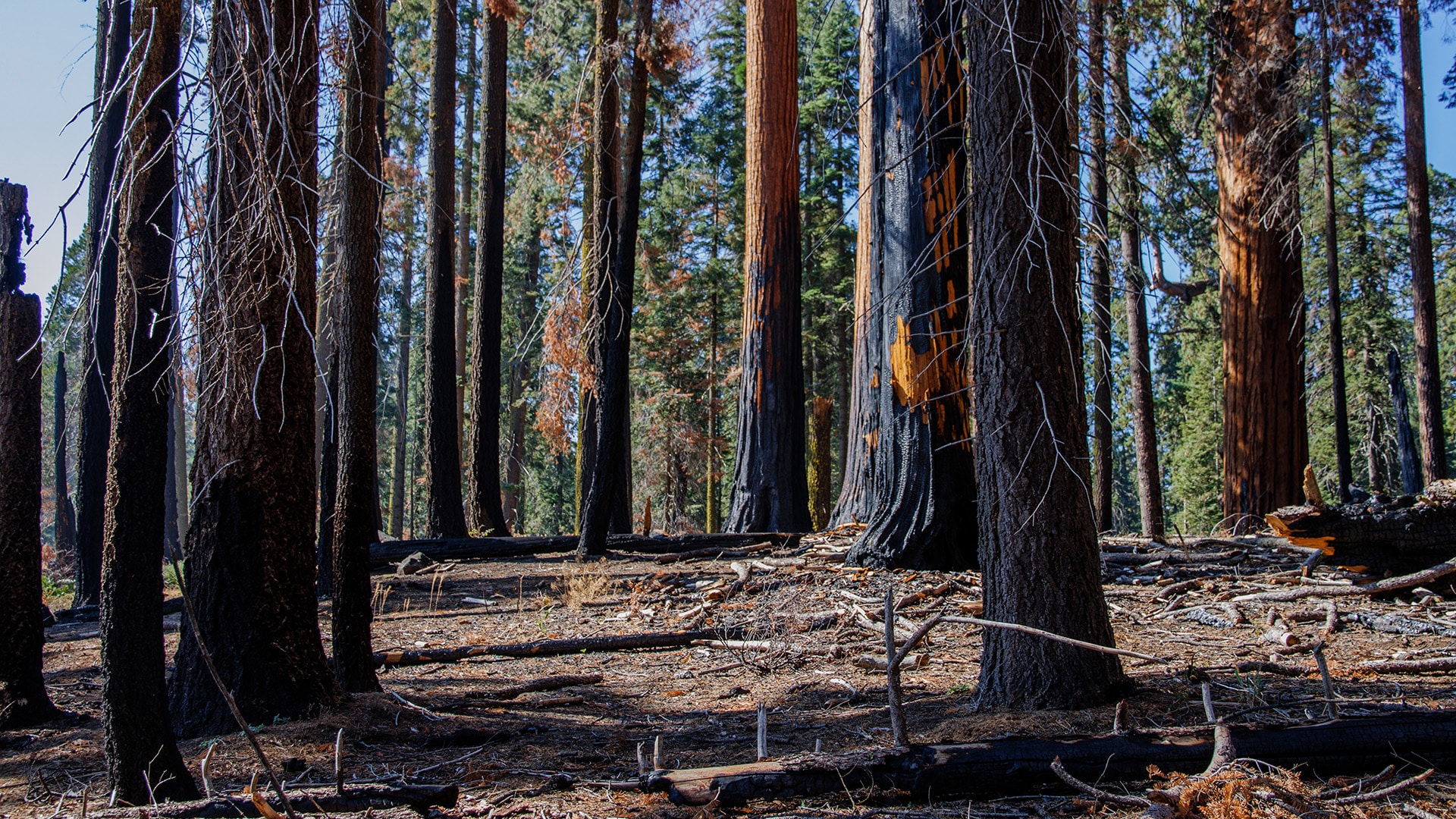
Giant Sequoias Burned After a Lawsuit Stalled Salvage Logging
A small salvage sale was litigated to the Supreme Court. The challengers lost on standing and still secured the delay, so the dead timber stayed on the ground. The Castle and Windy fires then killed as much as a fifth of the world's giant sequoias.
Read more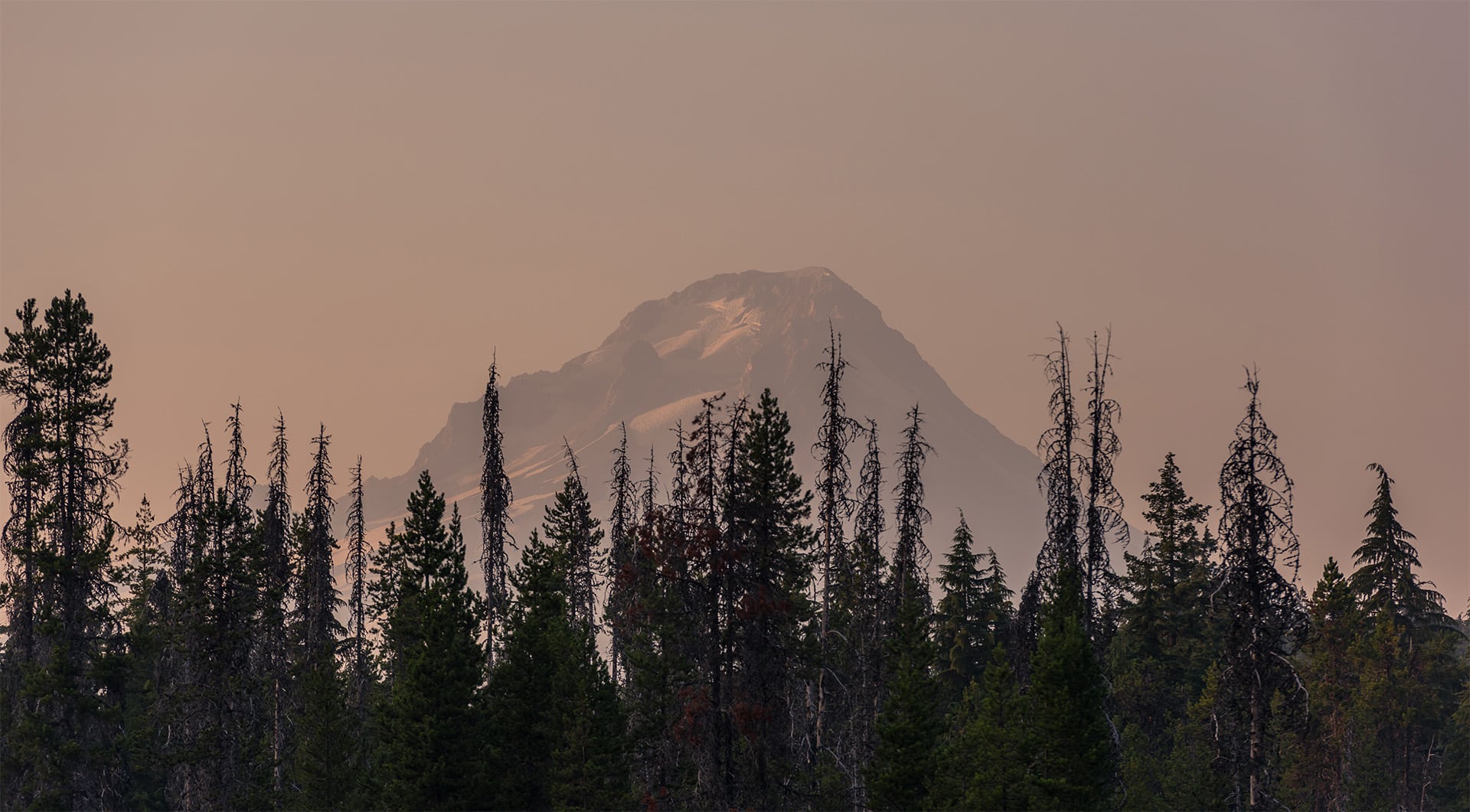
Oregon Wild Stalled Mt. Hood Thinning Before 77,000 Acres Burned
Serial litigation narrowed and delayed the fuels work designed for this landscape. Sixteen days before the Grasshopper Fire started, the same organization served notice to sue over four more projects. The fire has since burned 77,000 acres and closed 50 trails.
Read moreRoadless Rule
The complete record on the 2001 rule
Start with the issue page. What follows is the supporting work: the fact-versus-claim breakdown, the five-part series answering the most common objections, the wildfire data, and the plain-language explainer on what rescission changes and what it leaves alone.
The Roadless Rule and Its Rescission
The full issue page on the 2001 rule: what it restricted, how it has been used in litigation, the timeline of BlueRibbon Coalition's 24-year challenge, and the management case for returning these acres to local decision-making.
Read the issue page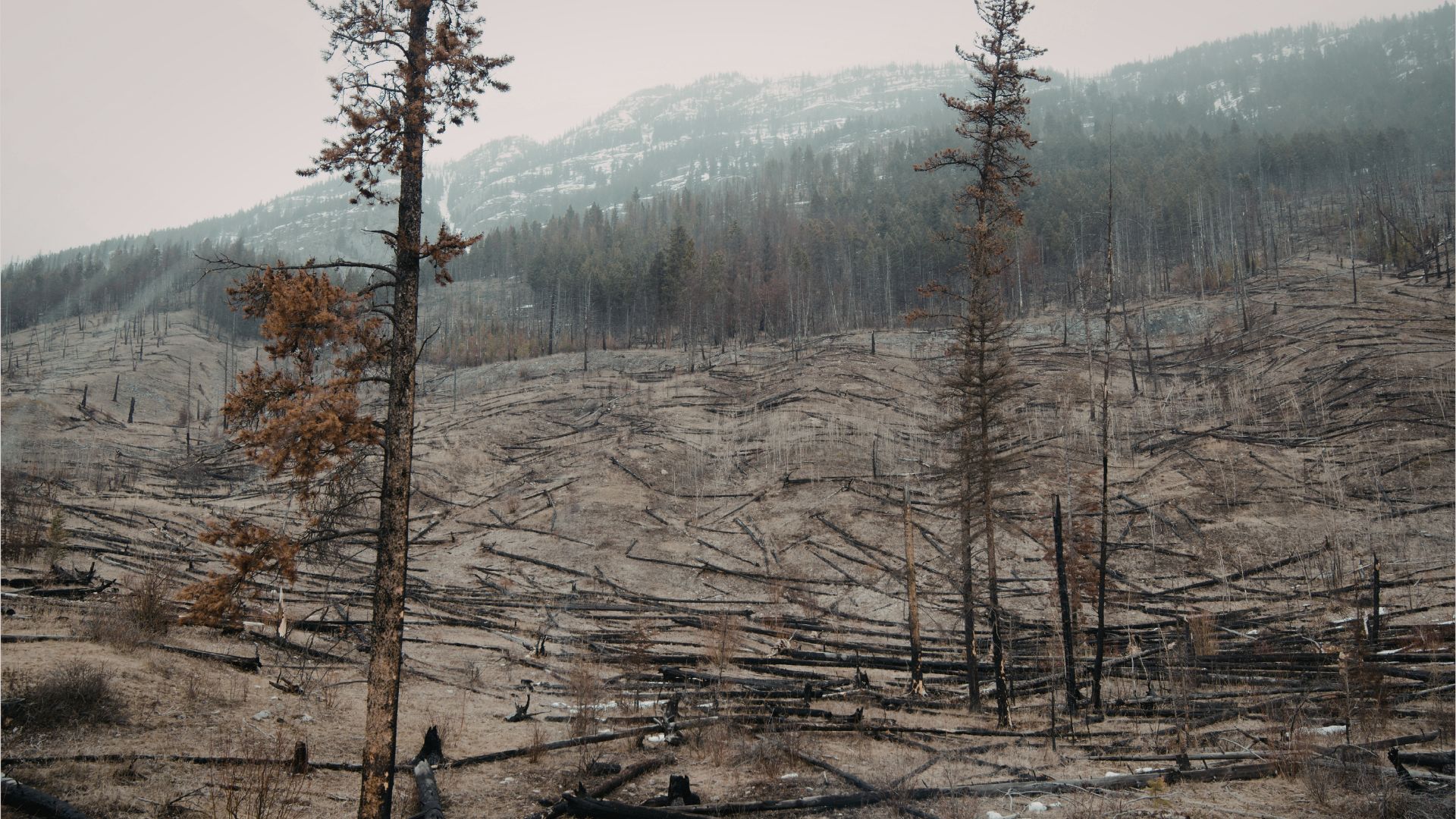
Roadless Rule Myths vs. Facts
A claim-by-claim response covering wildfire behavior, road density, water quality, and recreation access across the 44.7 million acres addressed by the rescission proposal. Written to be checked against the sources it cites.
Read more
Do More Roads Cause More Fire?
The human-ignition argument is the central objection to road access in fire-prone forests. This examines what ignition-source data actually shows and how containment outcomes differ where crews can reach a fire.
Read more
Can the Forest Service Afford to Maintain Roads?
The deferred maintenance backlog is routinely offered as a reason to keep acres roadless. This takes apart the budget argument and the cost comparison between maintaining access and suppressing large fires.
Read more
Do Roadless Forests Still Allow Recreation?
What recreation is actually permitted inside inventoried roadless areas, who is excluded in practice, and how the rule interacts with travel management decisions on the adjoining forest.
Read more
The Roadless Rule and Water Quality
Sedimentation from forest roads is weighed against the post-fire erosion, debris flow, and watershed damage that follow a high-severity burn in an untreated stand.
Read more
Will Santa Barbara Be the Next Palisades?
A response to the argument that rescinding the rule endangers communities, using the fuel conditions above Santa Barbara and the treatment history of the surrounding national forest.
Read moreRoadless Areas Burn Bigger
An analysis of nearly 110,000 fires across ten Western states. Ignitions within 50 meters of a road reached 300 acres or more 1.45 percent of the time. In designated wilderness the figure was 5.77 percent.
See the findingsWhat the Rescission Means, and What It Does Not
The plain-language explainer on what rescission changes, what stays in place under forest plans and the Wilderness Act, and a timeline of the litigation from 2001 forward.
Read moreESA & Our Forests
Where species regulation never ends
Endangered Species Act shapes what a forest can build, maintain, and reopen. Restrictions remaind long after species are recovered. And much of the time "harm" is never proven. These cover the road-density standards behind grizzly closures, the delisting record, and the reform proposals now in front of Congress and the agencies.
Grizzly Bear Road Density: How Bad Science Closes Forest Roads
Road-density thresholds written in the early 1990s still drive forest road closures today, even after three decades of grizzly population growth on the existing road network. A look at what the standards assume and what the record shows.
Read the analysis
Grizzly Bear Recovery Should Not Mean Road Closures
Grizzly populations in Yellowstone and the Northern Continental Divide recovered and expanded for three decades with the existing forest road network in place, which is the opposite of what road-density models predicted. BRC's comments on the revised 4(d) rule.
Read more
Population Recovery Justifies Grizzly Delisting
The population data behind the delisting question and BRC's response to the Fish and Wildlife Service proposal on how grizzly bears are listed and protected.
Read more
Proposed ESA Reforms Could Restrain Default Closures
Amendments under consideration would require agencies to document the recovery benefit of a closure, weigh economic impact, and move faster on delisting once recovery goals are met.
Read more
A Beetle, a Sand Dune, and Why ESA Reform Matters
A little-known beetle at Utah's Coral Pink Sand Dunes shows how listing decisions turn into access restrictions on the ground, and why the proposed changes to the Endangered Species Act matter well beyond one species.
Read moreOpen Right Now
Comment periods and legislation currently in play
Verified open as of September 15, 2026. Agencies move deadlines without much notice, so check the alert page before you sit down to write.
USDA Roadless Rule Draft EIS
USDA filed a draft environmental impact statement and proposed rule on August 18, 2026 to rescind the 2001 Roadless Rule, addressing management of 44.7 million acres of national forest.
Comment detailsForest Service Travel Management Rule Revision
The rule governing motorized access across roughly 380,000 miles of national forest road is being revised. The proposal addresses the minimization standard, e-bike classification, and the accuracy of published travel maps.
Comment details54 North Project, Umatilla National Forest
Thinning, treatment, and reintroduced prescribed fire across roughly 40,000 acres of the North Fork John Day Ranger District, using 156 miles of existing forest road to carry out the work.
Comment detailsBlue Mountains Forest Plan Revision
Oregon's Blue Mountains forests are being rewritten for the first time since the 1990s across 5 million acres. One alternative would recommend 34,000 new wilderness acres and lock in 722,000 roadless acres where motorized and mechanized use is banned outright.
Comment detailsH.R. 7695 and S. 140
Companion bills that would permanently repeal the 2001 Roadless Rule and return management decisions on those acres to local forest managers. Rescission by rule can be reversed by a future administration; statute cannot.
Bill summaryFix Our Forests Act
Bipartisan legislation that would expedite environmental analysis for forest health projects, narrow the window for litigation, and increase the pace and scale of restoration work. Passed the House; pending in the Senate.
Bill summaryThe FEES Act
The Equal Access to Justice Act was written so ordinary Americans could challenge an overreaching government. It now underwrites the litigation programs that stall forest health work. The FEES Act would place limits on those payouts.
Bill summaryFollow the Record
Every claim here is backed by a document
Every project in the NEPA Jail tracker links to the agency record and the court filings behind it, so you can check the claim yourself. If you know of a project stuck in review that is not in the database yet, tell us and we will run it down.