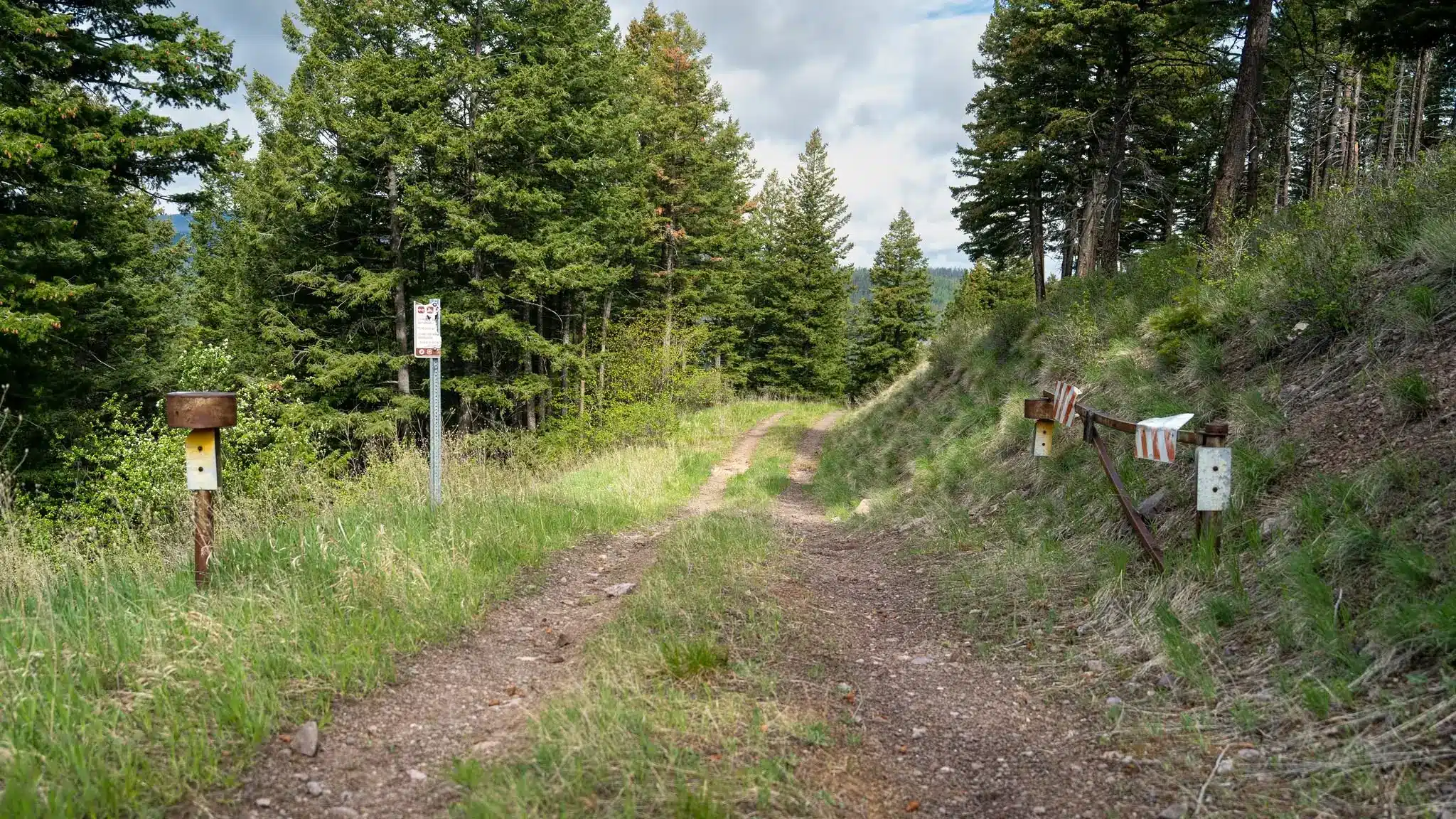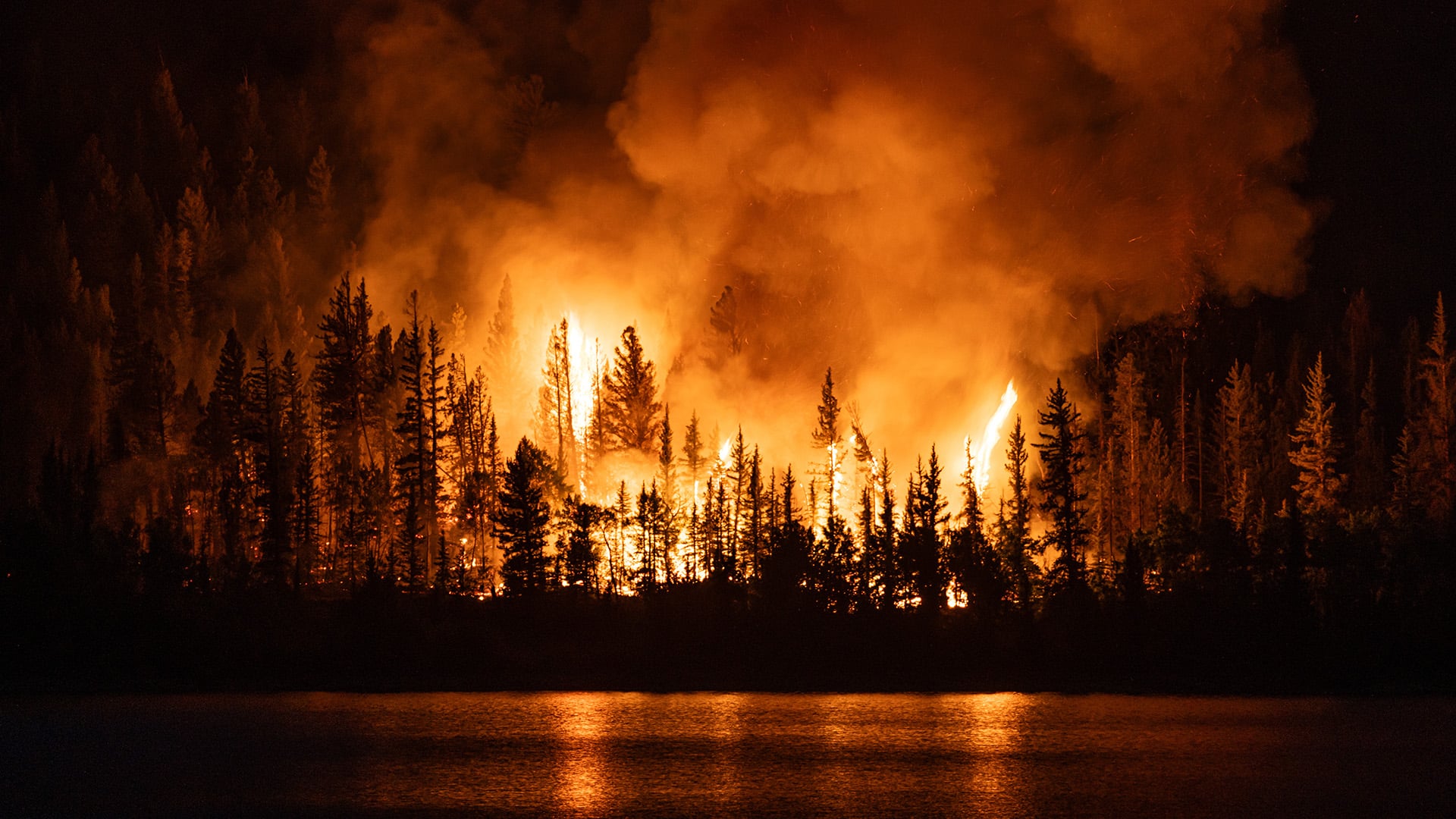

The Coral Pink Sand Dunes is one of southern Utah's hidden gems. Located in between St. George and Kanab, it requires an excursion to get to these dunes, which are managed as part of Utah's state park system. As a result, most riders gravitate to Sand Hollow, which is right on the outskirts of Hurricane and St. George. For those willing to make the trek, there is great camping in the area, great exploratory trails that access the canyon country east of Zion National Park, and the dunes also include opportunities for open country riding that make sand dunes popular for motorized recreation.
For decades, anti-access groups have been desperate to shut down motorized access to the Coral Pink Sand Dunes and other dune riding areas around the country. To accomplish this, they've mobilized a decent amount of resources to create a body of science around the study of tiger beetles. The various species of tiger beetles thrive in areas of heavy soil disturbance - like sand dunes. Because tiger beetles tend to pop up wherever there are sand dunes, it is common for groups to petition for them to be placed on the endangered species list. Once on the list, government agencies are required to identify critical habitat - which usually includes the dunes. They will then identify threats to the species - which usually includes various forms of recreation.
The problem is all of this is often built on a flimsy foundation.
The Endangered Species Act’s “best available science” standard unintentionally incentivizes junk science—not because researchers are dishonest, but because weak, speculative studies are often sufficient to justify sweeping regulatory action. When sparse data, untested hypotheses, or observational correlations can trigger permanent land-use restrictions, there is little institutional reward for rigorous, falsifiable, or restraint-oriented research. Uncertainty is consistently resolved in favor of regulation, while negative or stabilizing findings carry little policy weight. Over time, this dynamic elevates science that is agenda driven to be regulation-usable rather than science that is methodologically strong, distorting both the literature and the decisions that rely on it.
After decades of "best available science," it has become difficult to take seriously any of the studies used to justify Endangered Species Act listings.
This is a description of a study that was used to document the threat ORVs posed for tiger beetles:
In preparation for the trials, we tied 1 end of a 50-cm length of thread around the thorax of a beetle and tied a piece of plastic surveyor flagging to the other end. The beetles were held in place on the sand surface by covering the middle portion of the string with a handful of sand. The groups of beetles were run over by 10 passes of a 1994 Honda 4-wheeled vehicle. They were examined after 1, 5, and 10 passes of the vehicle.
Here we have a species that is allegedly so rare and important for biodiversity, and the scientists are tying up the beetles and running them over with 4-wheelers repeatedly until they die. This isn't a study designed to improve the welfare of tiger beetles. This was a study designed to justify ORV restrictions.

Over time, these tiger beetle studies led to a proposed Endangered Species Act listing where as much as 70–80 percent of the Coral Pink Sand Dunes could have been closed to recreation even though the beetle was only found on a small portion of the dunes.
But when the proposal was tested against the actual record, the story changed.
During the public comment period, BRC and others challenged the assumptions behind the listing. We did not argue against conservation. We argued that conservation was already working—and that the proposed restrictions went well beyond what the science justified.
Not long after, the Fish and Wildlife Service quietly pulled back from plans to further restrict the dunes.
There was no press release. No acknowledgment that the original proposal had overreached. But the retreat itself tells an important story about how ESA decisions are made—and why reform is needed.
When the narrative outruns the science
The proposed listing relied heavily on the idea that the tiger beetle population was in long-term decline and faced mounting threats from off-road vehicle use and climate-driven drought. But buried in the agency’s own documents was a more complicated reality.
The early population estimates used to imply decline were later acknowledged by the agency to have been inflated by four to five times due to flawed survey methods. When consistent methods were applied, the data showed a population that had been stable or increasing since the early 2000s, not collapsing .
The same pattern appeared with recreation impacts. While the proposal emphasized the need to restrict off-road vehicle use, internal assessments repeatedly acknowledged that nearly all beetles already occurred within protected areas, that recreational impacts were limited, and that further restrictions would likely yield little additional benefit .
Yet the regulatory response did not narrow. It expanded.
Ignoring what was already working
For more than two decades, the beetle had been protected under a Candidate Conservation Agreement involving state, federal, and local partners. The agreement established conservation zones, enforced closures, and allowed adaptive management as conditions changed.
This was not theoretical protection. Utah State Parks documented instances where adapting temporary closure boundaries based on monitoring more than doubled beetle numbers in a single year. The system worked precisely because it was flexible and grounded in real-world monitoring.
Nevertheless, the ESA proposal largely brushed this success aside, treating the agreement as insufficient while proposing to replace it with far more rigid federal controls .
The speculative turning point
The most consequential element of the proposal involved protecting a vast swath of dunes based on a supposed dispersal corridor between two beetle populations. The agency openly acknowledged it lacked systematic survey data for this area and relied on what it described as “opportunistic and inconsistent” observations.
Under the ESA, decisions are supposed to rest on the “best available science.” But in practice, the absence of data became justification for precautionary expansion rather than restraint.
That logic—we don’t know enough, therefore we must regulate more—is a recurring feature of ESA implementation.

A quiet retreat, a clear lesson
After the comment period closed, the Fish and Wildlife Service stepped back from expanding restrictions at Coral Pink Sand Dunes. The dunes remained open. The beetle remained protected. And the conservation agreement remained in place.
No one claimed victory. But the episode revealed something important: the ESA’s structure often rewards regulatory escalation even when conservation goals are already being met. If groups like BRC and other partners hadn't stepped in, the dunes would be closed today.
The Fish & Wildlife Service's Proposed Changes to the Endangered Species Act
The Fish and Wildlife Service is proposing four changes to how the Endangered Species Act (ESA) is applied. None of them remove protections for wildlife. What they do is change how decisions are made—especially when science is uncertain, conservation is already working, or land-use restrictions are being expanded “just in case.”
The Coral Pink Sand Dunes tiger beetle never needed a regulatory land grab to survive. The beetle doesn't need scientists to tie it up to buried ribbons and run it over. It needs honest science, local cooperation, and flexibility—the very tools that ESA reform is designed to strengthen.
At their core, these proposals are meant to slow down the regulatory reflex that says: if we’re not sure, lock everything up.
Here’s what each change would do.
1. Stop treating “threatened” species like they’re already endangered
Right now, when a species is listed as threatened (not endangered), it automatically gets almost all the same restrictions as an endangered species—before anyone asks whether that level of control is actually needed.
Under the proposal, that automatic lock-down would end.
Instead, the agency would be required to write species-specific rules that explain:
- what activities are actually a problem,
- what activities are harmless, and
- what protections are truly necessary and advisable to help that species recover.
In other words, a beetle found on part of a dune area wouldn’t automatically justify treating the entire dune area like a no-go zone. The rules would have to match the biology and the real-world conditions, not worst-case assumptions with no scientific justification.
2. Roll back a consultation system that encouraged “regulate first, fix later”
When a federal project is proposed like trail work or maintenance, it goes through an ESA “consultation” to evaluate impacts on listed species.
A 2024 rule change pushed agencies toward an “offsets” mindset: if a project caused harm in one place, agencies could require compensation somewhere else, even if that trade-off didn’t actually help the species.
The new proposal backs away from that approach.
It would:
- remove the idea that speculative harm must always be “offset,”
- clarify how agencies define existing conditions on the ground, and
- refocus reviews on real, likely impacts—not hypothetical ones.
This matters because conservation isn’t an accounting exercise. You can’t always kill beetles here and promise to save them somewhere else later. The proposal restores some scientific sanity to that process.
3. Make critical habitat decisions more transparent and less automatic
When a species is listed, the agency often designates “critical habitat.” In practice, this has frequently meant drawing very large boundaries—sometimes far beyond where the species actually lives—while giving little explanation for why certain areas were included and others were not.
The proposed change would require the agency to be clearer and more consistent when deciding:
- whether to analyze economic and community impacts,
- when exclusions should be considered, and
- what information actually triggers those decisions.
This is directly relevant to places like Coral Pink Sand Dunes, where proposals once would have closed most of the dunes even though the beetle occupied only a small portion—and where existing conservation measures were already working.
4. Tighten the rules around speculation and “foreseeable future”
Finally, the proposal revises how the agency decides whether to list species and designate habitat in the first place.
It clarifies:
- how far into the future the agency can reasonably speculate when assessing threats,
- when unoccupied areas can be labeled “critical habitat,” and
- when it’s appropriate to say designating habitat simply isn’t prudent.
This matters because many ESA decisions hinge not on observed declines, but on predictions layered on top of assumptions. The change doesn’t ban foresight—it just reins it in so “we don’t know” doesn’t automatically become “therefore regulate everything.”
Support FWS Proposed Changes
Taken together, these proposals don’t weaken conservation. They aim to make it more honest.
They would push the ESA away from rigid, one-way regulatory escalation and back toward what actually works: accurate science, targeted protections, flexibility, and accountability. The same approach that kept the tiger beetle alive at Coral Pink Sand Dunes—without turning the whole landscape into a closed exhibit behind regulatory glass.
Current ESA reform proposals:
- Give real weight to existing conservation agreements
- Require agencies to clearly distinguish evidence from speculation
- Encourage adaptive management rather than one-way regulatory ratchets
- Reinforce accountability when agencies depart from their own scientific assessments
Thus, BlueRibbon Coalition supports the Fish and Wildlife Service's proposed changes. We think you should too! Use the form below to send your comments. Comments are due today December 22nd!