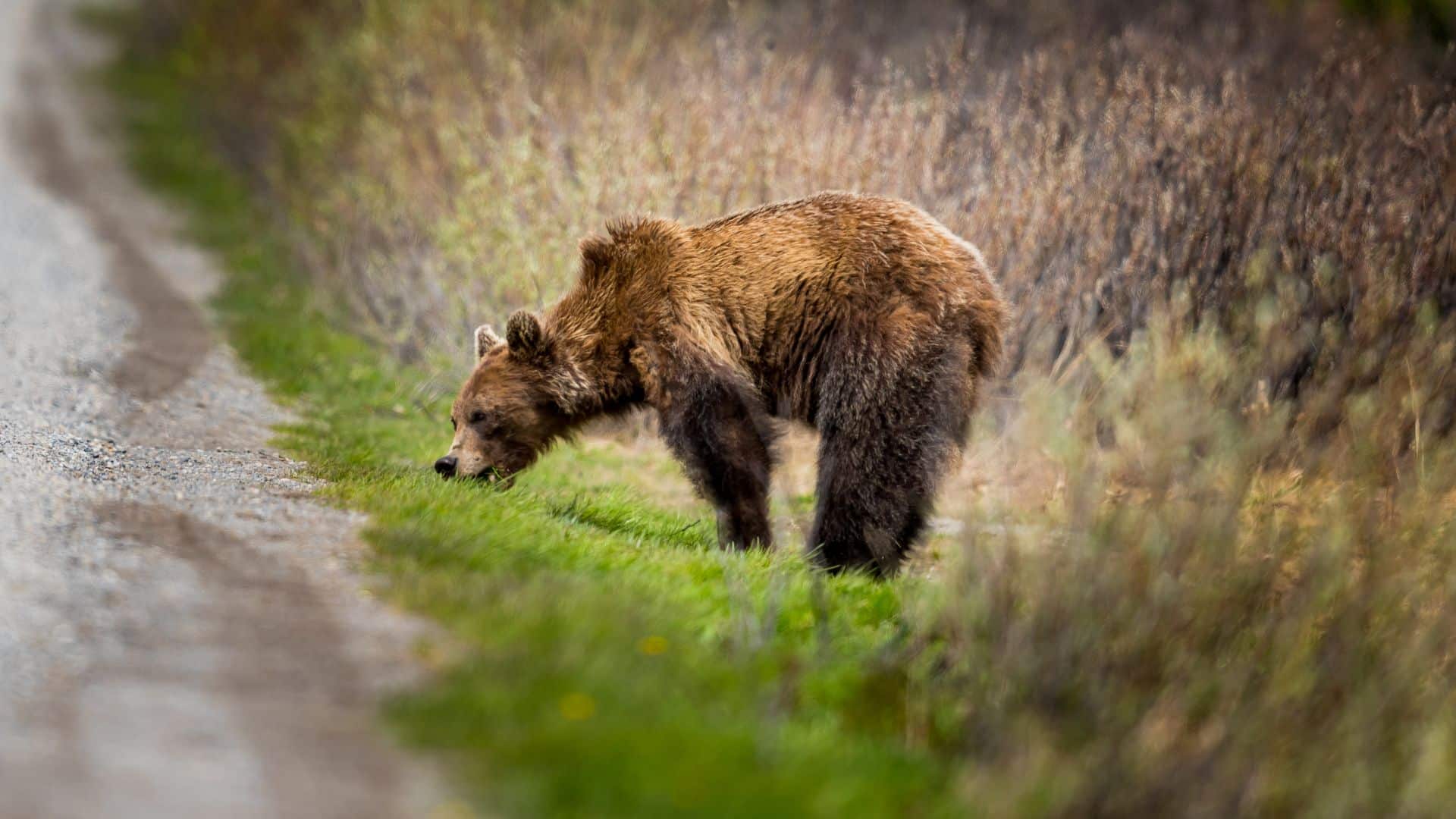
The U.S. Fish and Wildlife Service is reopening the comment period on its revised Section 4(d) rule for the grizzly bear, and this round of comments matters as much as any grizzly rulemaking in years. The window closes August 17, 2026, and BRC is asking recreationists to weigh in before it does.
What's being proposed
The 4(d) rule is the regulation that defines what counts as illegal "take" of a grizzly bear. Because grizzlies are listed as threatened rather than endangered, the ESA's take prohibition only reaches them through whatever the Service writes into this rule, which gives the Service real discretion over what conduct gets swept in and what doesn't.
The current proposal would keep grizzly bears under a single lower-48 distinct population segment rather than splitting out recovered ecosystems, which is more important than it sounds: past attempts to delist a recovered population on its own have been struck down because courts said the Service failed to account for what removing that segment would do to the rest of the "distinct population." A single, rangewide Distinct Population Segment avoids that trap and gives the Service a cleaner path to revise or lift the listing where recovery has actually happened.
This proposal is also moving alongside a bigger legal shift. In July 2026, FWS and NOAA Fisheries finalized a rule rescinding the regulatory definition of "harm" under the ESA, meaning habitat modification on its own no longer automatically counts as take. Road-density standards operate under Section 7 where nothing changed, and that is precisely why this rule also has to address the road surrogate directly. BRC's position is straightforward: the grizzly 4(d) rule should be written consistently with the ongoing changes, which suggest an abstraction like road density can't be a surrogate for actions that cause a direct take of the species.
Why this is a recreation access issue
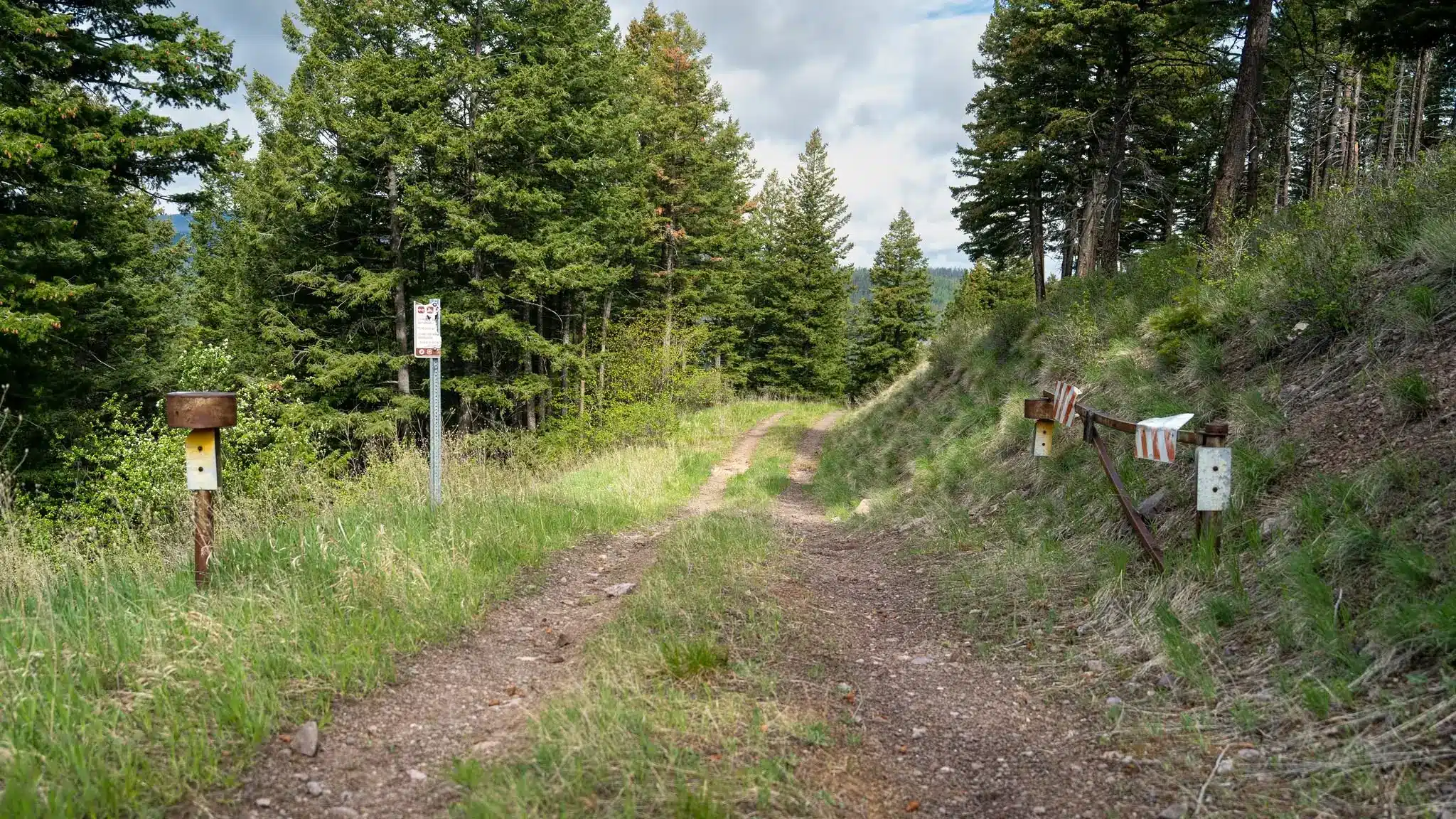
For years, travel management on National Forest and BLM land across the Cabinet-Yaak, Selkirk, Northern Continental Divide, and Greater Yellowstone ecosystems has been shaped by road-density formulas — Open Motorized Route Density, Total Motorized Route Density, and core-area standards built on sub-one-mile-per-square-mile thresholds from early-1990s studies. Those formulas treat the mere presence of an open road as a stand-in for harm to bears, and they've been the basis for closing routes that recreationists have used for decades.
The problem is that the record doesn't back up the assumption — and Yellowstone is the cleanest proof. Binding numeric road-density standards didn't take effect in the Greater Yellowstone ecosystem until April 2006, and by then the population had already climbed past 600 bears. The recovery happened across the existing road network, before the formula was ever imposed. The Forest Service all but conceded the point when it explained why it chose the 1998 road network as its baseline: that, in its own words, was "the access level at which the grizzly bear population recovered." When the agency's own record shows a population recovering at the very road densities the surrogate says should have prevented recovery, that's a reason to revisit the surrogate — not to keep enforcing it.
The mortality data point the same direction. When grizzlies die from human causes, the documented drivers are poaching, mistaken identity during hunting seasons, conflict over livestock, and vehicle and rail strikes on highways — not lawful recreational use of forest roads. Closing routes to dispersed recreation doesn't touch any of those causes; it just closes routes.
BRC also wants the Service to be clear about something the ESA does not actually require. Many of the road-density standards driving these closures — like the Selkirk/Cabinet-Yaak Access Amendment — are Forest Plan standards the Forest Service adopted under the National Forest Management Act. The Endangered Species Act names no road-density figure anywhere; these numbers come from forest planning, not from the listing. This leads to bad consequences for access. In practice the road density figures get written into biological opinions as the legal ceiling for take, so exceeding them can force an agency back into consultation. And they don't vanish when a population is delisted. They stay binding until the Forest Service amends each forest plan through its own separate process. Winning delisting, in other words, doesn't reopen a single road on its own. That's exactly why BRC has to fight on two tracks at once: the listing, and the travel-management decisions where these standards actually live. Right now we have an opportunity to make meaningful progress on the first track of reforming outdated ESA restrictions.
What BRC is asking the Service to do
BRC is urging the Service to:
Adopt 4(d) rule language stating explicitly that lawful motorized recreation on designated routes, routine road maintenance and decommissioning, and federal travel-management decisions do not constitute take of a grizzly bear; decline to key any take prohibition to linear road-density surrogate metrics that lack current scientific support; finalize the single lower-48 DPS structure as the legally durable path to revising the listing where ecosystems have recovered; and state plainly that Forest Plan road-density standards are NFMA management choices, not ESA mandates.
Recreation access and grizzly recovery are not opposing goals — the last three decades of population growth across these road networks are the evidence for that. BRC's comments make that case on the record, and we need every additional voice from the recreating public to strengthen it.
For a deeper dive into the Grizzly Bear data, view our in-depth report here.