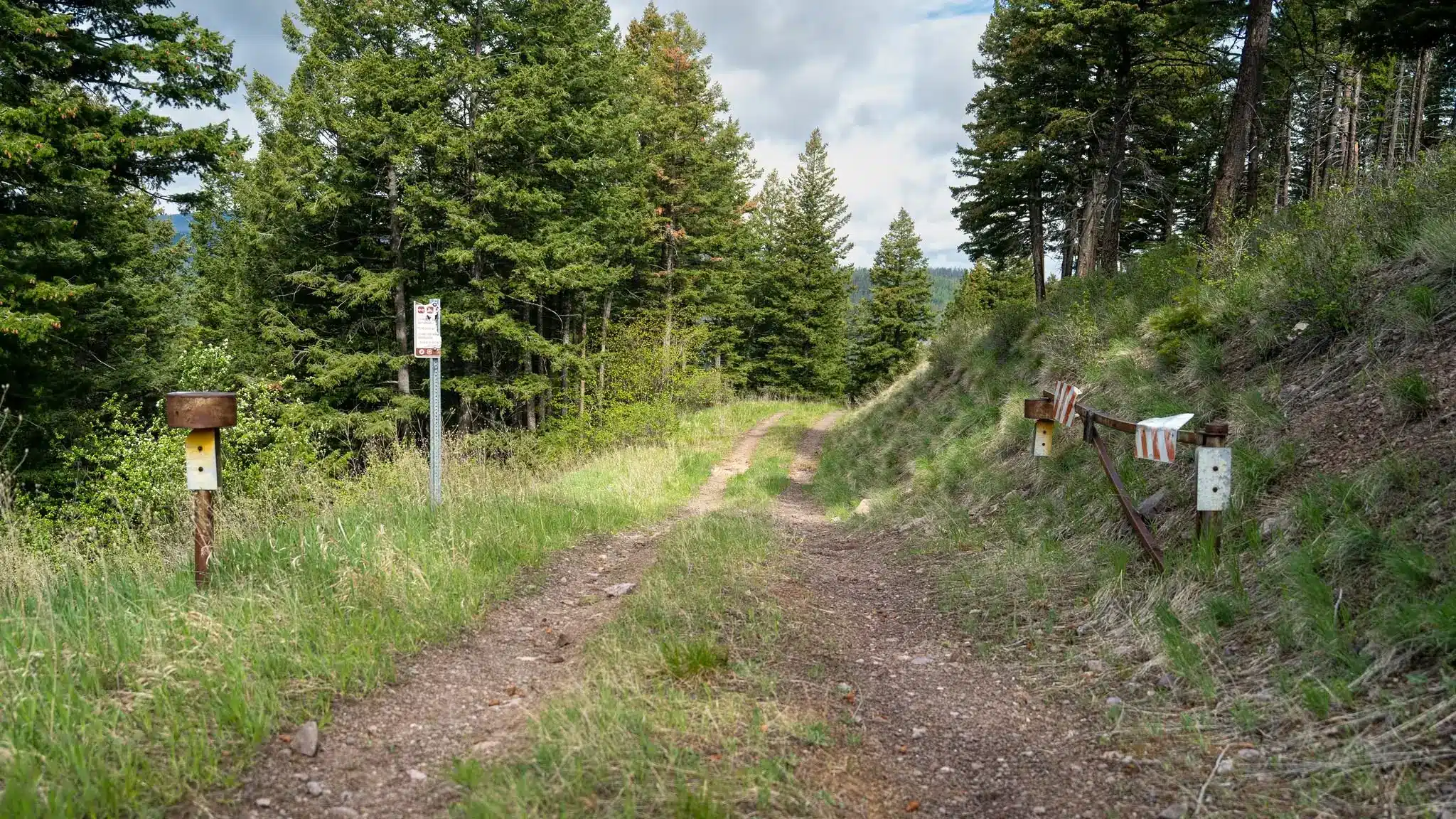
The A River Runs Through It Act, introduced by Montana Congressman Ryan Zinke on September 9, 2026, is a locally developed public-lands package covering approximately 430,000 acres in Montana’s Blackfoot Valley. The legislation combines new wilderness designations with forest restoration, timber management, wildfire mitigation, and recreational access provisions. Supporters describe it as a compromise intended to balance conservation with the needs of local communities, timber operators, sportsmen, and recreationists.
BlueRibbon Coalition believes public-lands legislation must be evaluated based on what it actually delivers for the people who use and depend on public lands. While the bill includes provisions advertised as protecting and expanding recreation, wilderness compromises deserve close scrutiny. History has shown that promises made during negotiations do not always translate into lasting protection for motorized access.
What Would the A River Runs Through It Act Do?
According to Congressman Zinke’s announcement, the bill brings together the Blackfoot Clearwater Stewardship Proposal and the Lincoln Prosperity Proposal. Its major provisions include:
Forest management and timber production. The legislation designates six Forest Restoration Areas totaling approximately 180,000 acres. These areas would support timber harvest, forest thinning, prescribed fire, vegetation management, stream restoration, and other forest-health projects.
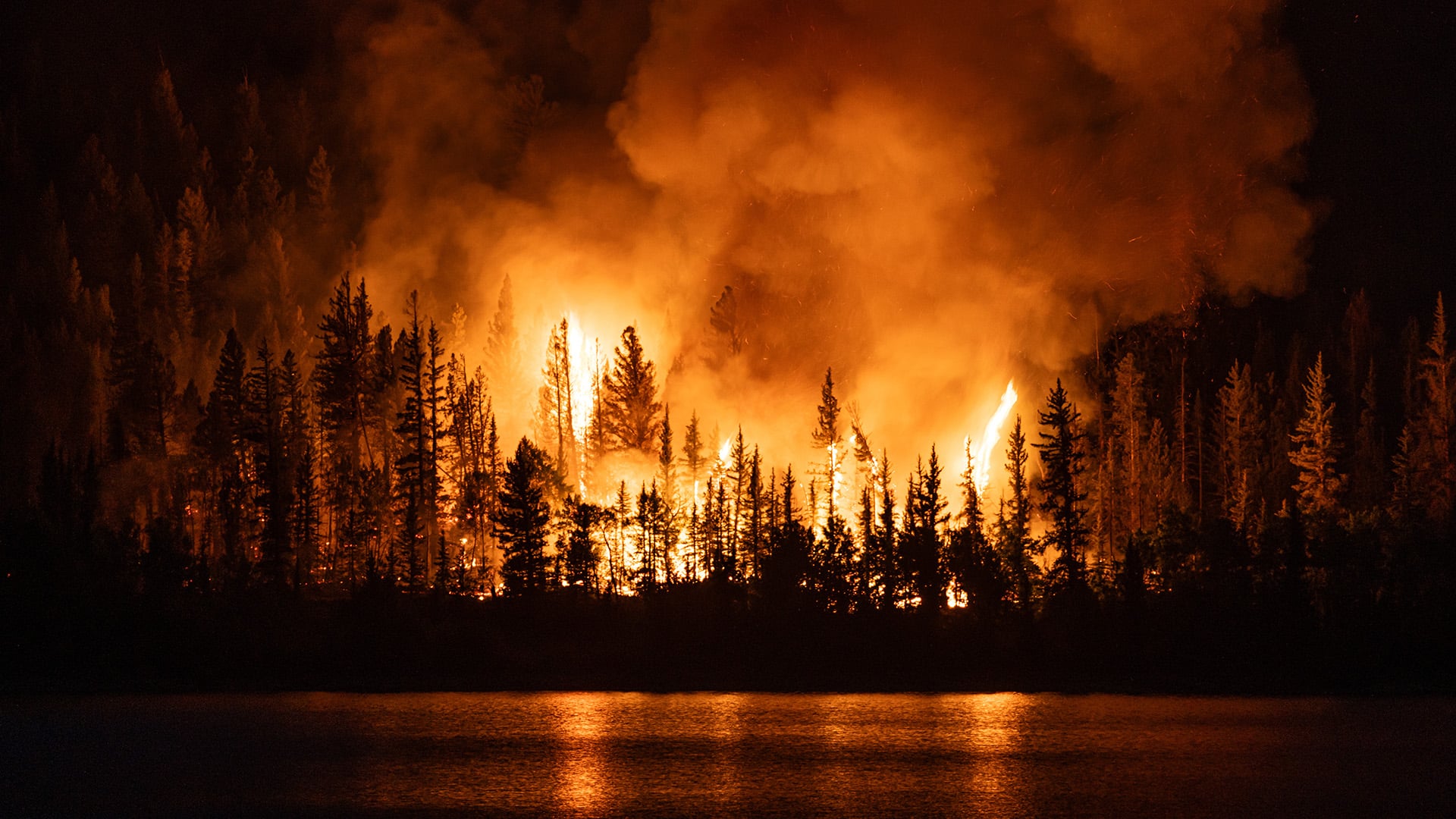
Wildfire mitigation. The bill prioritizes forest restoration and fuel-reduction projects near Lincoln and other communities to reduce wildfire risks and improve forest resilience.
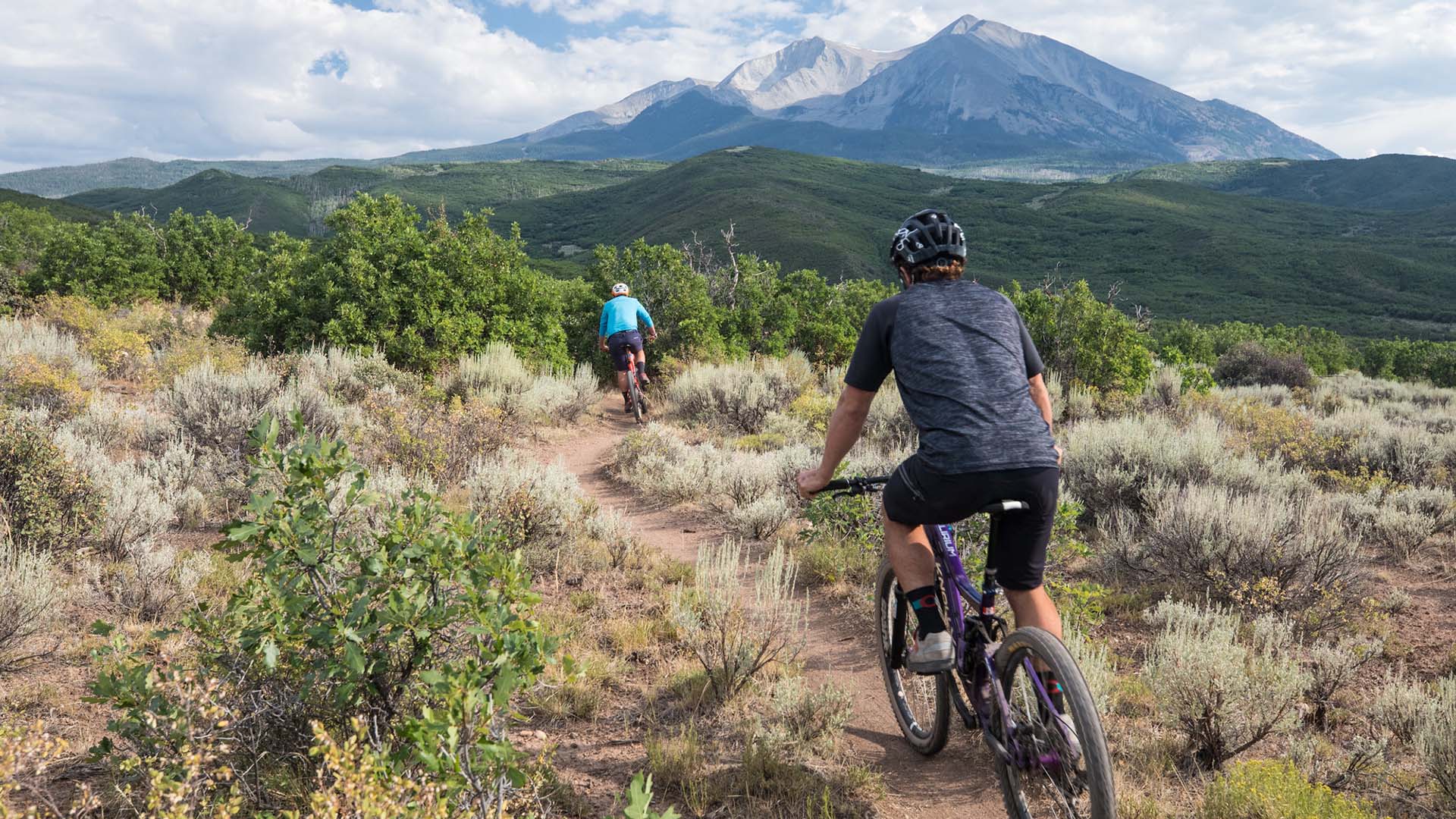
Recreation areas and motorized access. The legislation establishes six designated recreation areas totaling approximately 60,000 acres. According to the bill’s announcement, it would secure permanent winter access for snowmobiles, add mountain-bike routes, protect existing routes, and create a connected off-highway vehicle trail loop exceeding 70 miles, including approximately 20 miles of new trails.
New wilderness designations. The bill adds approximately 100,000 acres to the Bob Marshall and Scapegoat Wilderness areas and creates wilderness on Nevada Mountain.
Release of Wilderness Study Areas. Approximately 23,000 acres of Wilderness Study Area land would be released from further wilderness consideration, restoring multiple-use management and public access to those lands.
The stated goal is to create a comprehensive land-management package that accommodates conservation, economic activity, forest management, and recreation. However, the existence of recreation provisions does not, by itself, guarantee that motorized access will be maintained in the long term.
The Problem With Wilderness Compromises
For decades, motorized recreationists have been asked to support public-lands compromises with assurances that existing roads will remain open, wilderness boundaries will not create buffer zones, and new recreational routes will be developed to offset access restrictions.
The problem is that these assurances can be undermined by subsequent agency decisions, travel-management plans, or interpretations of statutory language.
A road can remain outside a wilderness boundary and still be closed. A law can say it does not create a buffer zone while agency management decisions restrict access near the boundary. A provision directing an agency to evaluate new routes does not necessarily mean those routes will ever be constructed or designated.
BRC believes these distinctions must be part of the debate for every public land compromise bill.
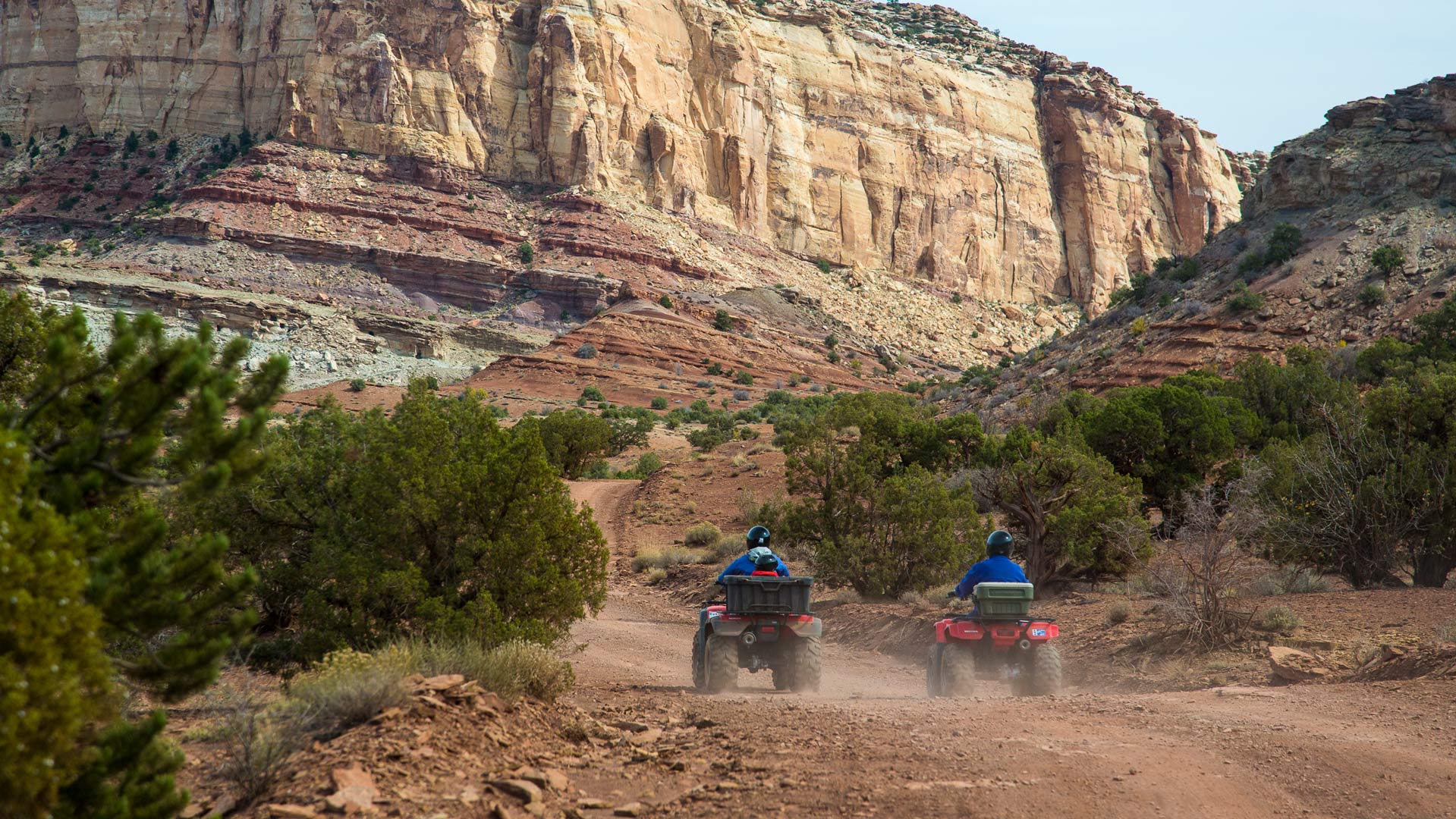
Example 1: The Dingell Act and Wilderness Buffer Zones
One of the arguments frequently used to support wilderness compromises is that the legislation will prevent the creation of protective perimeters or buffer zones around designated wilderness.
The John D. Dingell, Jr. Conservation, Management, and Recreation Act of 2019 contains provisions stating that wilderness designations do not establish protective buffer zones and that activities outside a wilderness boundary should not be prohibited merely because they can be seen or heard from within wilderness.
On paper, this language appears to protect activities occurring outside the boundary. However, the practical experience of motorized recreationists demonstrates why statutory language must be examined alongside subsequent agency actions.
San Rafael Swell: The practical impact of travel management
The Dingell Act designated substantial wilderness in Utah’s San Rafael Swell. Following those designations, the Bureau of Land Management undertook travel-management planning in the area.
BRC has raised concerns that the resulting travel-management decisions closed hundreds of miles of routes, including routes that provide access toward or into the wilderness areas.
These closures are significant because a route does not have to physically cross a wilderness boundary to be essential to access. Roads and trails outside a designated area may provide the only practical means of reaching trailheads, overlooks, hunting areas, camping locations, and other public lands.
When those routes are closed, the effect can be a de facto reduction in access around the wilderness, even if the agency does not formally label the closures a “buffer zone.”
The lesson for motorized recreationists is straightforward: a statutory promise against buffer zones does not necessarily prevent access restrictions that occur through later travel-management decisions. The BLM currently has no functional guidance for determining which administrative actions qualify as creating buffer zones.
BRC’s concern: Wilderness legislation should not be evaluated solely by whether it contains no-buffer-zone language. It must also be evaluated by whether the legislation provides enforceable protection for the roads and routes that make surrounding public lands accessible.
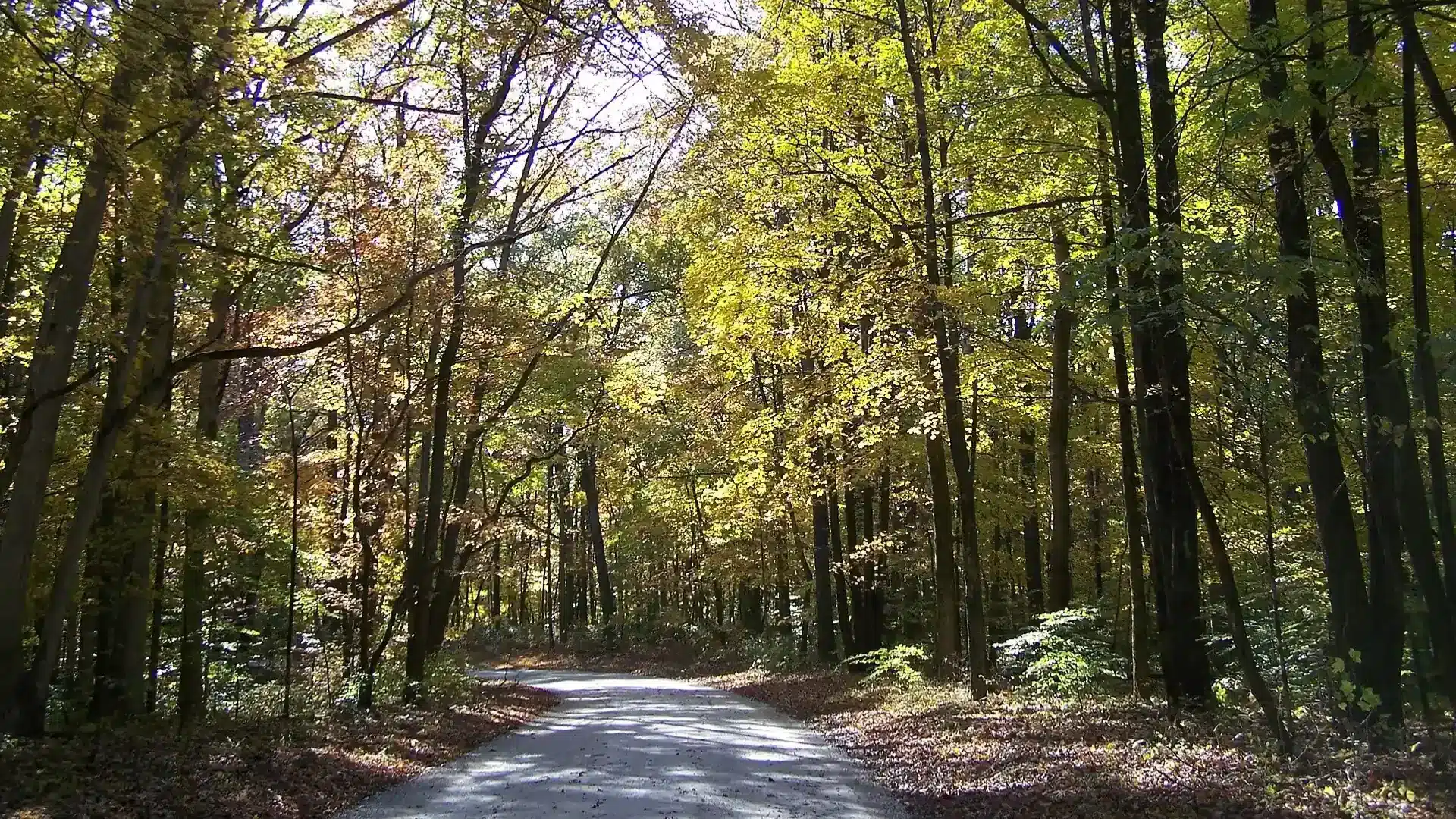
Example 2: Cherry-Stemmed Roads and the Charles C. Deam Wilderness
Another common assurance in wilderness negotiations is that existing roads will be protected. Roads may be excluded from a wilderness boundary through what is commonly known as a cherry stem, allowing the road corridor to remain outside the designated wilderness.
This can be an important protection. However, a road’s exclusion from a wilderness boundary does not automatically guarantee that the road will remain open to motorized use.
Tower Ridge Road: A road excluded from wilderness but still threatened
The Tower Ridge Road issue in Indiana’s Hoosier National Forest provides a current example of why this distinction matters.
A portion of Tower Ridge Road passes through the vicinity of the Charles C. Deam Wilderness corridor. The road was left outside the wilderness designation, but the Forest Service is still proposing to permanently convert approximately three miles of the road to a nonmotorized trail following storm damage.
The proposed change demonstrates the limitation of relying on a cherry-stemmed road as a long-term access guarantee. Even when Congress excludes a road from wilderness, the managing agency may later propose a change in its transportation or travel-management decisions that eliminates motorized use.
For the motorized community, the practical result is the same: a route that was historically available for motorized recreation may no longer be accessible by motor vehicle.
BRC’s concern: If a wilderness compromise promises to protect existing roads, the legislation must clearly address continued motorized use. Merely excluding a road from a wilderness boundary is not enough.
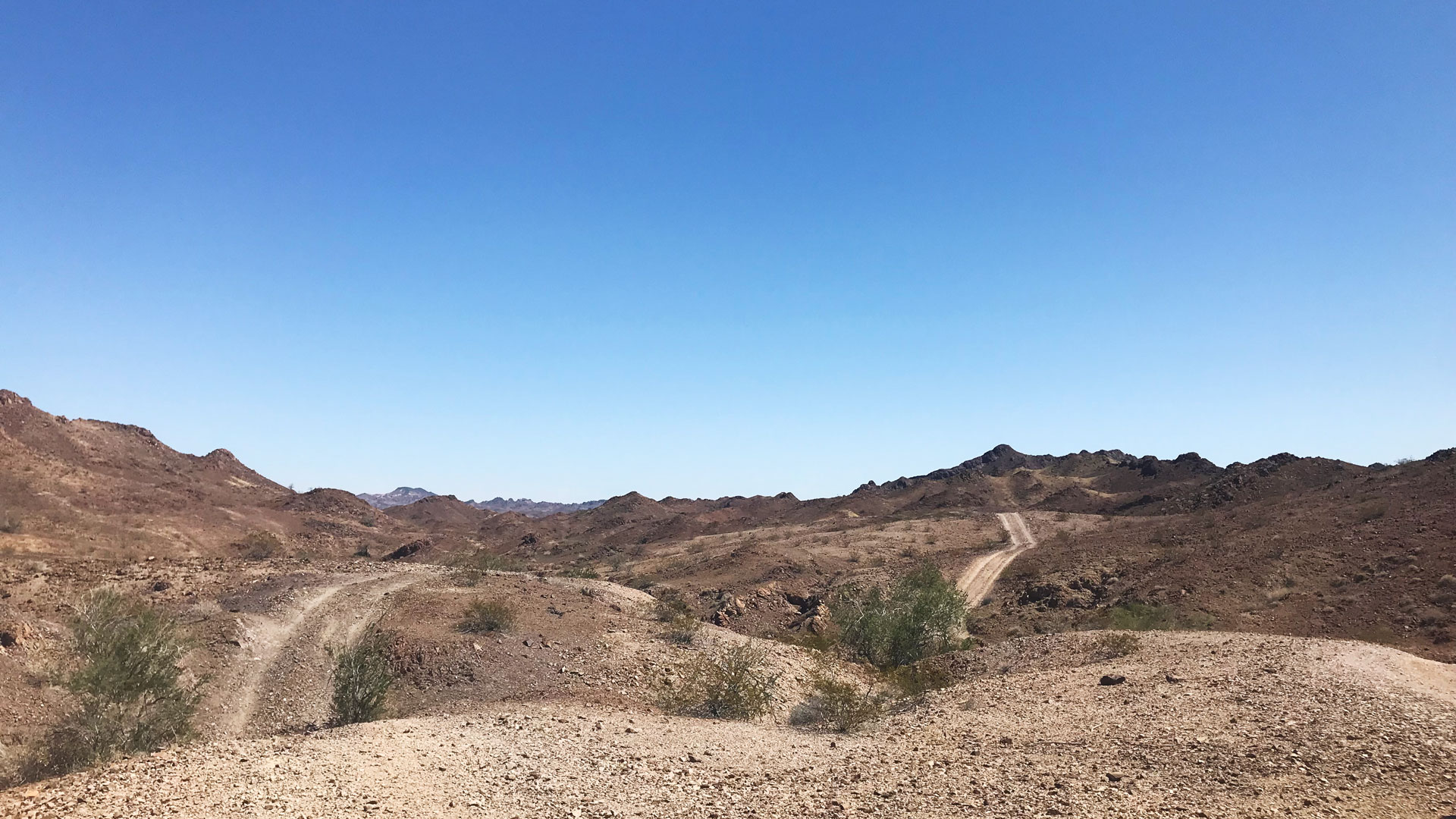
Example 3: Promised New Routes and Vinagre Wash
Wilderness compromises are also sometimes promoted on the basis that new routes will be created elsewhere to preserve or expand recreational opportunities.
The Dingell Act provides another example of why these promises require careful scrutiny.
Vinagre Wash: When evaluation does not guarantee results
The legislation included provisions concerning Vinagre Wash and the evaluation and designation of new routes within a specified period.
The purpose of such provisions was to address recreation and access needs associated with the surrounding public lands. However, BRC’s concern is that the Bureau of Land Management did not follow through in good faith with the promised route-development process, and new routes were not created as expected.
This illustrates an important difference between a legislative promise and an enforceable obligation.
A requirement to study, evaluate, or consider new routes is not the same as a requirement to designate, construct, and maintain those routes. If the agency has broad discretion, or if the legislation lacks a clear remedy for noncompliance, the motorized community may give up existing access without receiving the promised replacement opportunities.
BRC’s concern: Any promise to create new motorized routes must include clear deadlines, specific route commitments, enforceable agency obligations, and meaningful accountability if those obligations are not met.
What This Means for the A River Runs Through It Act
The A River Runs Through It Act contains significant recreation provisions, including new OHV trails, winter snowmobile access, and protections for existing routes. Those provisions deserve careful review.
However, the experience of prior wilderness compromises raises several questions that must be answered before motorized recreationists can determine whether the bill provides reliable long-term protection.
- Will the legislation protect existing motorized routes from later agency closures?
- Will routes excluded from wilderness boundaries remain available for motorized use?
- Are the proposed new OHV routes specifically identified, mapped, and required to be designated through enforceable mechanisms?
- Does the bill establish enforceable deadlines for creating new routes?
- What happens if the Forest Service or BLM fails to carry out the promised access provisions?
- Can future travel-management plans undermine the access protections included in the legislation?
- Are the recreation provisions permanent statutory guarantees, or do they leave significant decisions to agency discretion?
- Above all... Is the tradeoff of gaining 60,000 acres of recreation areas and 70 miles of loop routes worth a 100,000-acre wilderness expansion?
These are not minor technical questions. They determine whether the bill will provide meaningful access protections or simply offer assurances that may disappear during future management decisions.
BRC’s Position: Access Promises Must Be Enforceable
BlueRibbon Coalition supports responsible public-land management and opposes efforts to unnecessarily restrict motorized recreation. We recognize that public-lands legislation often involves competing interests and difficult negotiations.
However, motorized recreationists have repeatedly been asked to accept wilderness designations in exchange for promises of continued access, protected roads, and new recreational opportunities. When those promises are not honored, the motorized community is left with fewer routes, reduced access, and little practical recourse.
BRC believes that future legislation must not repeat this pattern.
If Congress intends to protect motorized access, it should do so through clear, enforceable language. Existing roads and routes should receive meaningful protection from closure. New routes should be specifically identified and required to be designated within a defined timeframe. Agencies should not be allowed to undermine congressional compromises through subsequent discretionary travel-management decisions.
The public deserves more than assurances. It deserves legislation that protects access in practice.
Conclusion
The A River Runs Through It Act is being presented as a balanced approach to conservation, forest management, and recreation in Montana. But the broader history of wilderness compromises demonstrates why motorized recreationists must examine the details carefully.
The San Rafael Swell, Tower Ridge Road, and Vinagre Wash examples raise serious concerns about relying on promises that can later be weakened through agency decisions or lack of follow-through.
BRC will continue to scrutinize wilderness legislation and advocate for the roads, trails, and access opportunities that make public lands available to all Americans. Conservation agreements should not come at the expense of motorized recreation, and any compromise must provide genuine, enforceable protections—not promises that ultimately leave the motorized community with less access.
The bottom line: In our experience wilderness compromises are almost always false compromises. The wilderness restrictions go into effect immediately, and there is rarely a guarantee that motorized access will be protected and that promised recreation opportunities will actually be delivered. The motorized community should have serious concerns about supporting false compromises.