Colorado River Abundance Act
How we save the Colorado River for the next 100 years
COLORADO RIVER ABUNDANCE ACT
A Durable Plan to Stabilize the Colorado River System
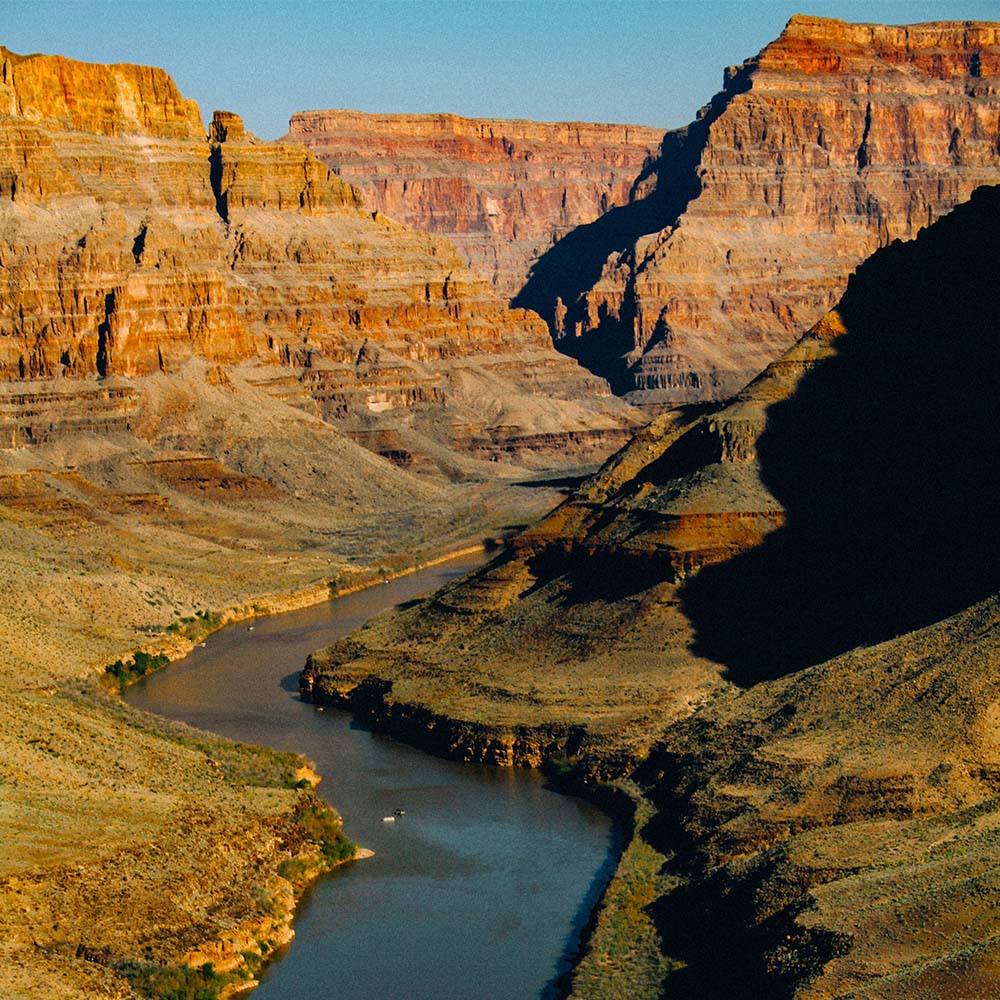
The Colorado River is the backbone of the American Southwest. But today, the system is under sustained pressure from over‑allocation and structural deficit conditions—putting water supply reliability, hydropower production, recreation economies, and environmental resources at risk.
The Colorado River Abundance Act is a comprehensive bill proposal that responds to those realities with a simple principle: Long-term stability requires more than dividing scarcity. It requires building abundance.
HOW WE GOT HERE
A New Century of Water Abundance in the American Southwest
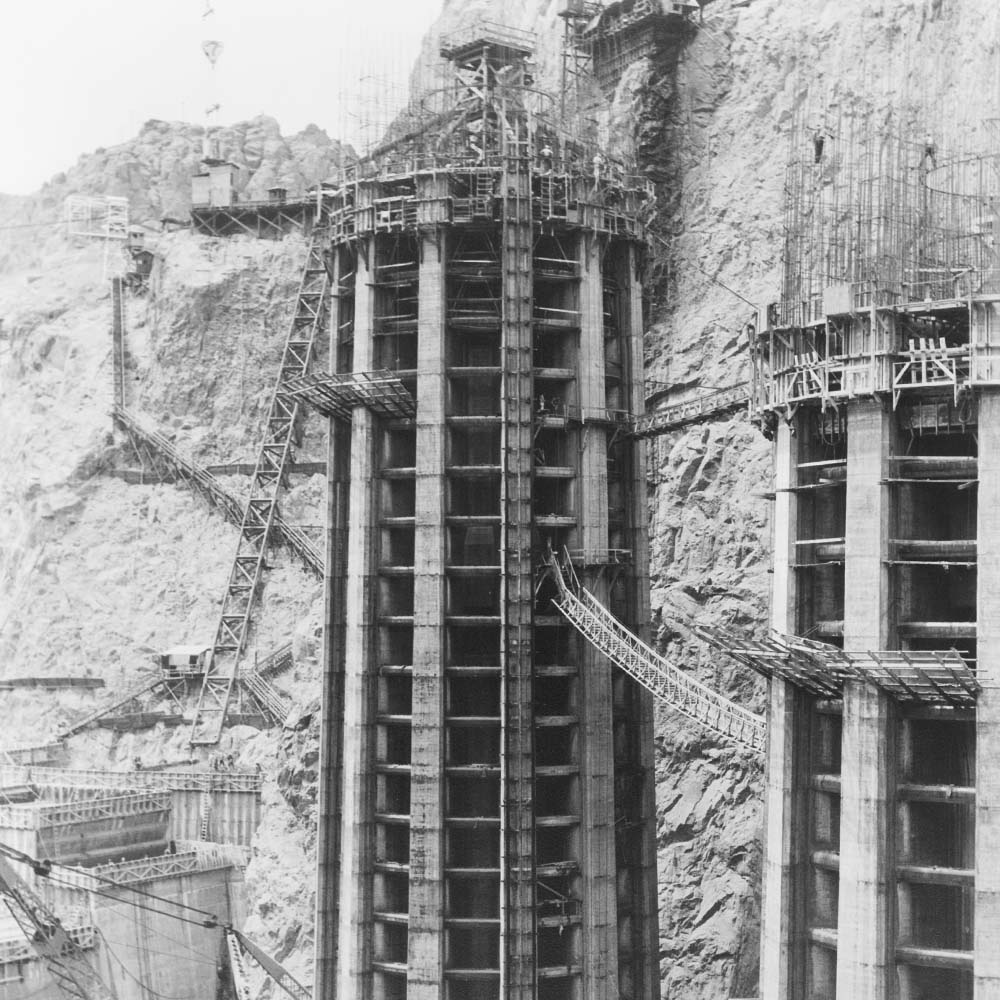
When the last bucket of concrete was poured at Hoover Dam in 1935, the moment marked the beginning of a new American era. At a time of hardship and uncertainty, Americans had dared to build something on a scale the world had never seen. The Colorado River—long feared for its floods and admired for its beauty—was transformed into a reliable engine of power, water supply, and economic hope. Crowds gathered to watch the new Lake Mead rise. Newspapers called it the “eighth wonder of the world.” It was a declaration that the West could thrive, not by resigning itself to limits, but by reshaping what was possible.
As the 100-year anniversary of Hoover Dam approaches, the challenges of the 21st century are unmistakable. A century of growth, combined with hydrologic volatility, has pushed the old tools—rationing, temporary agreements, emergency releases—to their limits. The Basin can no longer rely solely on dividing a shrinking supply of natural runoff.
But the same spirit that raised Hoover Dam still exists. We need a new generation of innovators to summon the same pursuit of abundance and find new solutions.
The Colorado River Abundance Act is written for this moment of renewal. It offers a forward-looking framework to stabilize and refill Lakes Mead and Powell, expand the Basin’s water supply, modernize critical infrastructure, support Tribal water development, restore recreation assets, enhance ecosystem resilience, and open new pathways for public-private innovation.
Its vision is simple: the American Southwest does not have to settle for managing a dwindling resource. It can choose abundance and start building.
Nearly a century ago, the nation chose to build its way toward a thriving West. Today we face the same choice. The Colorado River Abundance Act calls on us to embrace ingenuity, cooperation, and optimism. We can choose a future that is larger than the limits we inherited.
Hoover Dam was the opening chapter of the modern West. This Act is an invitation to write the next.
A system under compounding strain
Colorado River is at a Crisis Point
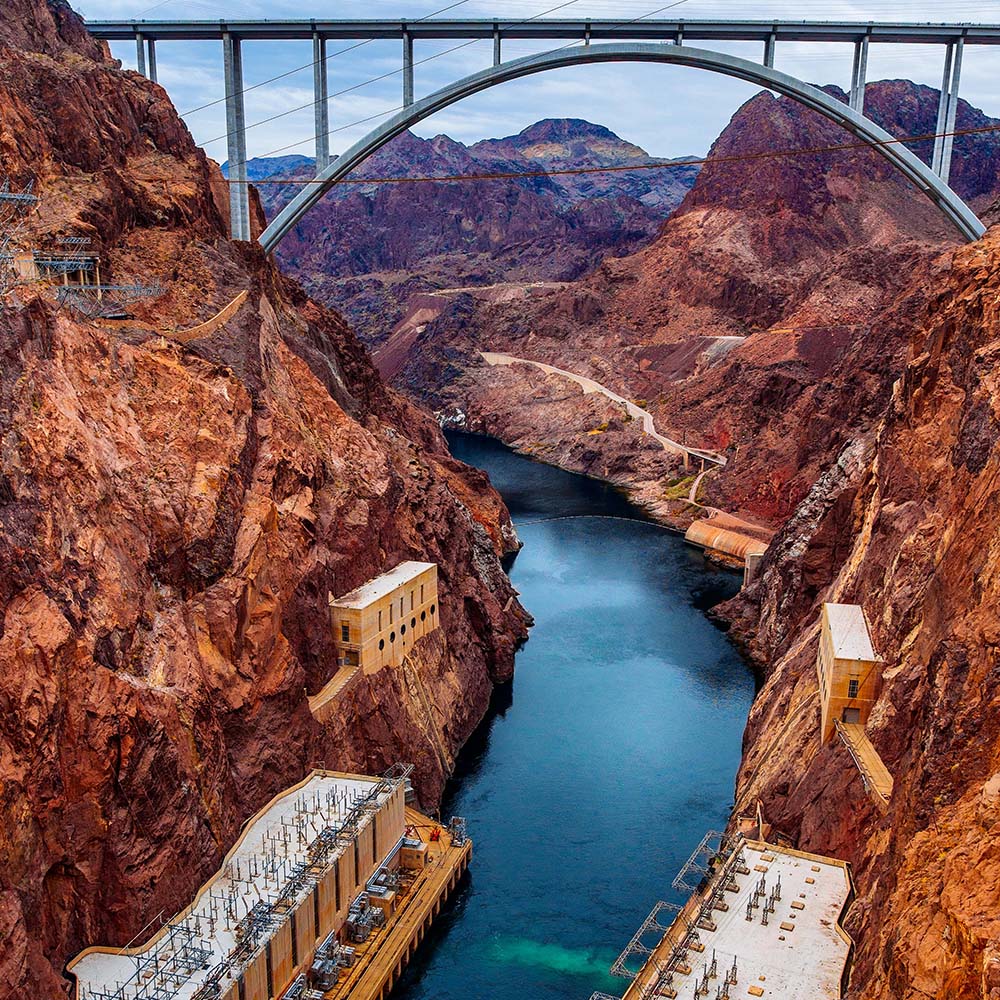
For nearly a century, the Colorado River system has enabled the modern West—supporting communities, agriculture, hydropower, and recreation through major infrastructure like the Hoover Dam and reservoir systems that followed. That “engine of abundance” is now strained by new realities: a structural gap between demand and natural supply in key parts of the system, and aging infrastructure and operating rules that were never designed to last with today's demands.
What's Not Working
The Basin’s current toolbox leans heavily on rationing, temporary agreements, and emergency operational measures. Those tools can buy time, but they don’t eliminate the underlying mismatch between the system we have and the conditions we’re in. The region needs:
- Reliable new supply that doesn’t depend on natural runoff
- Modern infrastructure and operations that can function under volatility and stress
- Accountable, transparent water accounting that protects all existing legal frameworks
- Faster, coordinated permitting for critical projects—without abandoning environmental protections
- A plan that treats recreation and local economies as core priorities, not afterthoughts
The Abundance Act is designed to address these needs as one integrated strategy—not as disconnected programs.
What's At Stake
The risks aren't abstract. When the Colorado River system falters, the impacts cascade:
- Water supply reliability for communities and users across the Basin
- Hydropower production at critical reservoirs
- Recreation economies tied to reservoir elevations, marina access, and safe navigation
- Environmental resources that depend on stable management and functioning infrastructure
It’s a future where the region must repeatedly rely on emergency measures and zero-sum conflict while the system becomes less reliable for communities, economies, and ecosystems.
This proposal is written to prevent that outcome by restoring operational stability and expanding the supply options available to the Basin.
Colorado River Augmentation Project
Reducing Pressure On Natural Flows
Conservation and efficiency matter—but this proposal is aimed at the missing piece of long-term reliability: new, durable supply that isn’t dependent on the river’s natural hydrology.
The proposed Act’s central action is to authorize the Colorado River Augmentation Project, empowering the Secretary of the Interior to plan, design, construct, operate, and maintain a coordinated suite of augmentation infrastructure.
It coordinates the development of up to 7 million acre-feet of new, reliable water supply over time, equivalent to:
- More than half of the Colorado River’s average annual flow, or
- Enough water to serve tens of millions of households, or
- The difference between chronic emergency and long-term stability for Lake Powell and Lake Mead
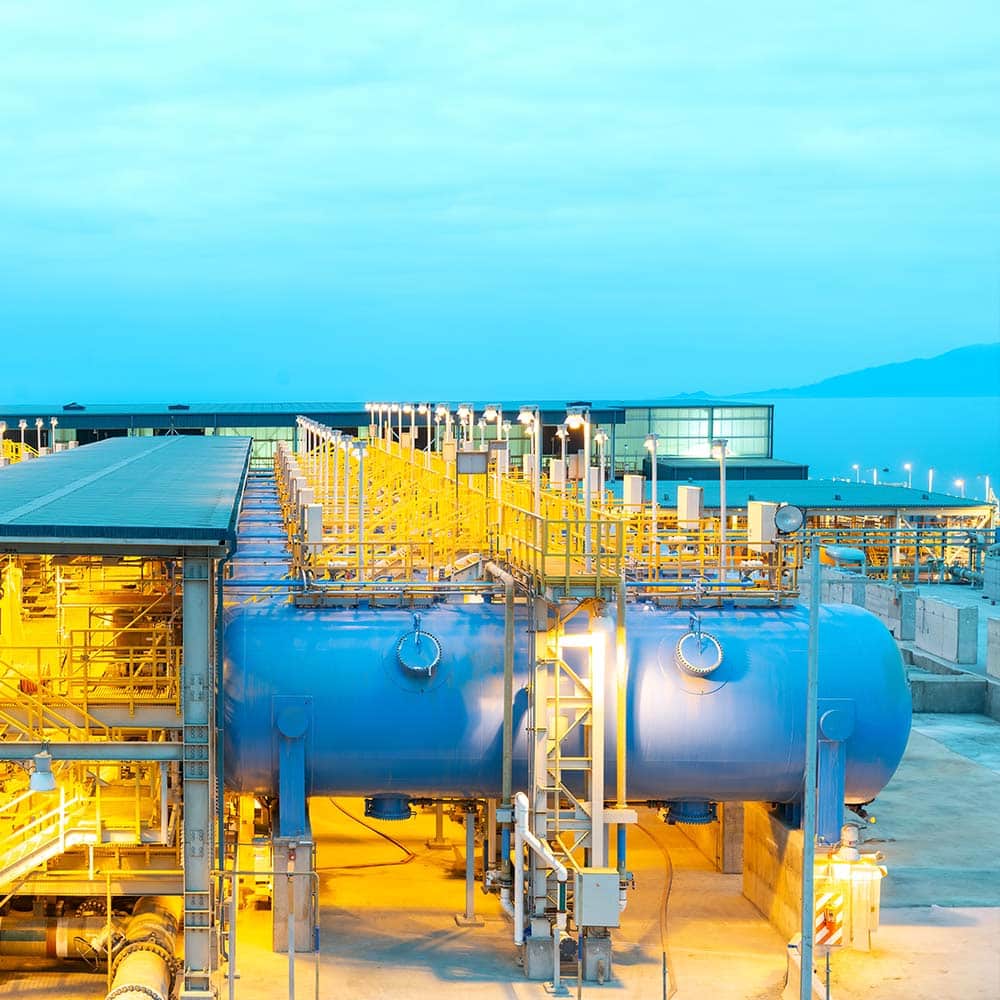
This new supply is intended to come from large-scale desalination, advanced water reuse, and system efficiency projects, reducing pressure on the river while preserving existing water rights and interstate compacts.
What the Colorado River Abundance Act Does
1. Builds the Colorado River Augmentation Project
The Act authorizes the Secretary of the Interior (through the Bureau of Reclamation) to plan, design, construct, operate, and maintain augmentation facilities, including:
- Seawater and brackish-water desalination
- Offshore desalination platforms and marine infrastructure
- Brine management systems (including diffusion, treatment, and resource recovery)
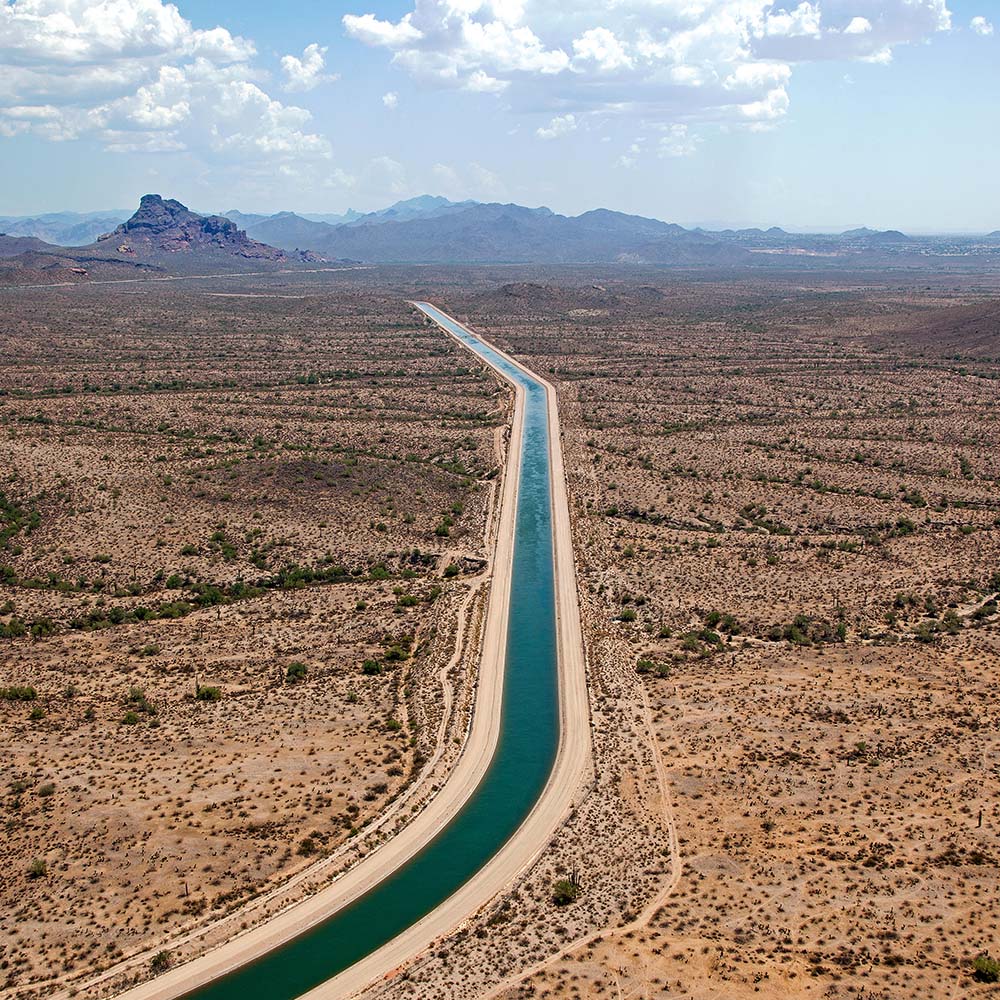
- Pipelines, tunnels, canals, pumping stations, and conveyance
- Sediment management and reservoir longevity pilots
- Integration infrastructure to deliver water into the Colorado River system or directly to end users
Facilities can be located in the United States, offshore in federal waters, and in Mexico through binational agreements, consistent with treaty obligations and cooperative frameworks.
2. Creates a dedicated financing engine
Establishes the Colorado River Abundance Fund, a flexible funding mechanism designed to make the project “buildable, scalable, and sustainable.” The Fund consolidates appropriations and can also receive non-federal contributions, P3 proceeds, mineral/resource recovery revenues, recreation revenues, and technology/licensing income.
The proposal authorizes $40 billion (FY 2026–2035) for construction, acquisition, and initial operations, with additional sums as necessary.
3. Uses public–private partnerships to accelerate delivery
Enables long-term public–private partnerships (P3s) to design, build, finance, operate, and maintain facilities—backed by performance standards, independent verification, and federal “step-in” rights if delivery requirements aren’t met.
This approach is explicitly aimed at speed, innovation, lifecycle cost control, and reliable delivery—while keeping public oversight and continuity protections in place.
4. Modernizes permitting without abandoning responsibility
Establishes a time-bound, concurrent federal permitting model, including a Basin Permitting Integration Office to coordinate agencies through a single process and record. It also includes targeted categorical exclusions for certain low-impact or modernization activities and preserves protections for sensitive areas through carefully scoped rights-of-way (with a preference for subsurface routes).
5. Treats recreation and local economies as coequal priorities
Declares recreation a coequal project purpose alongside water supply, hydropower, flood control, environmental stewardship, and stabilization. It requires Recreation Modernization Plans for major reservoirs and makes Lake Powell mid‑lake marina reconstruction a priority project with deadlines for planning, approvals, and completion.
6. Integrates operations, accounting, and reservoir stabilization
Establishes operational integration and transparent accounting rules so Replacement Water can stabilize reservoirs and support post‑2026 operations—without distorting Compact obligations.
Key protections include:
- Replacement Water is accounted for separately from natural flow
- It cannot be attributed to the Upper Basin or used to increase Upper Basin obligations
- Monthly reporting and public accounting improve transparency and trust
7. Builds in binational cooperation and Treaty protection
The proposal emphasizes coordination with Mexico through the International Boundary and Water Commission (IBWC) and explicitly protects Mexico’s Treaty rights, including the Treaty entitlement of 1.5 million acre-feet per year. Replacement Water may supplement Treaty deliveries but is not intended to diminish them.
8. Protects existing rights and reduces conflict risk
The Act is explicit that it does not abrogate or modify:
- The Colorado River Compact or related compacts
- The 1944 Treaty with Mexico (except through lawful implementing Minutes)
- Tribal treaty, reserved, or aboriginal water rights
Instead of forcing stakeholders into zero-sum reallocation fights, the proposal aims to reduce pressure on the natural system and create room for cooperative operations.
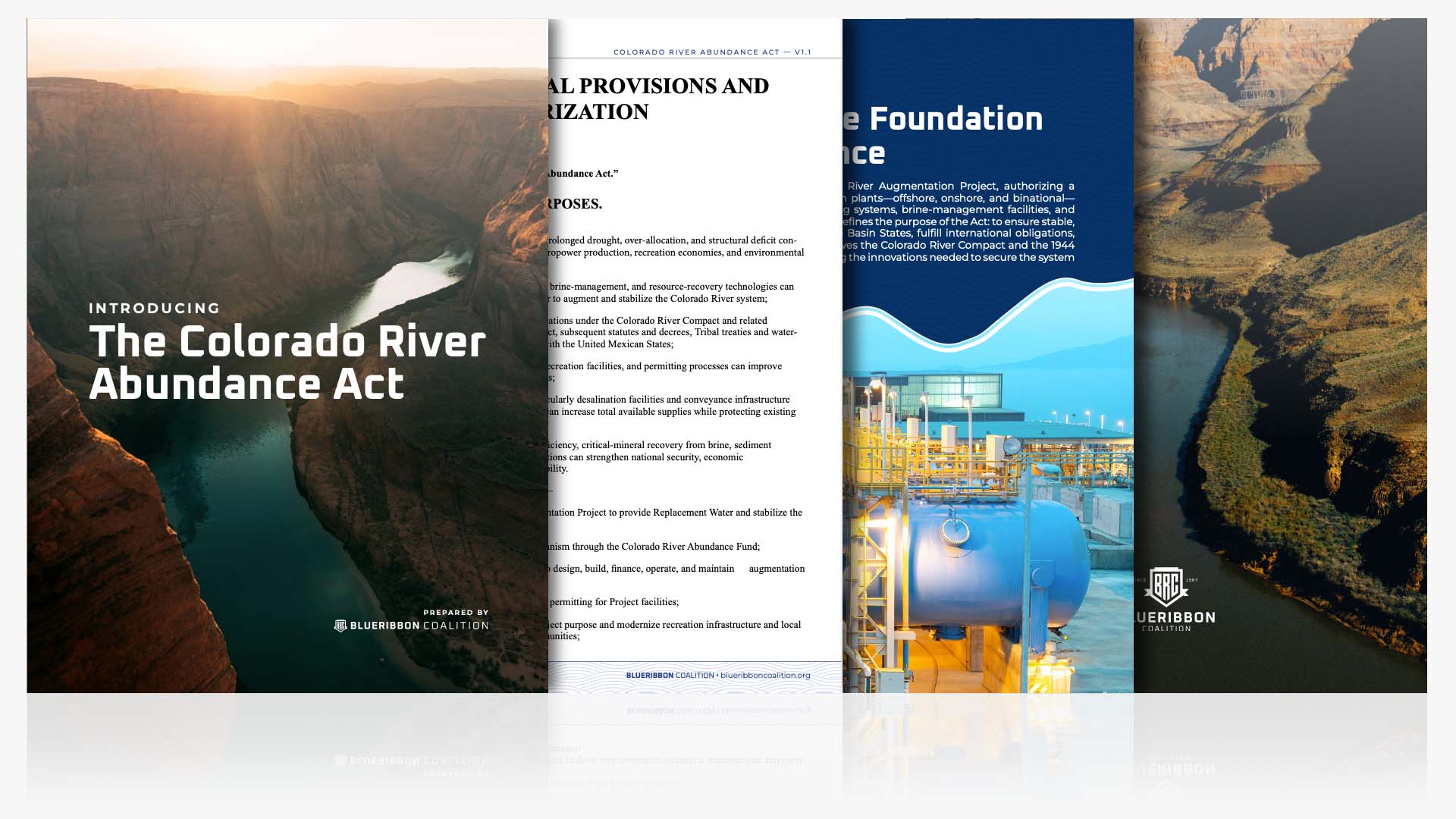
Colorado River Abundance Act Text
Positioning the U.S. as a Global Leader in 21st-Century Water Technology
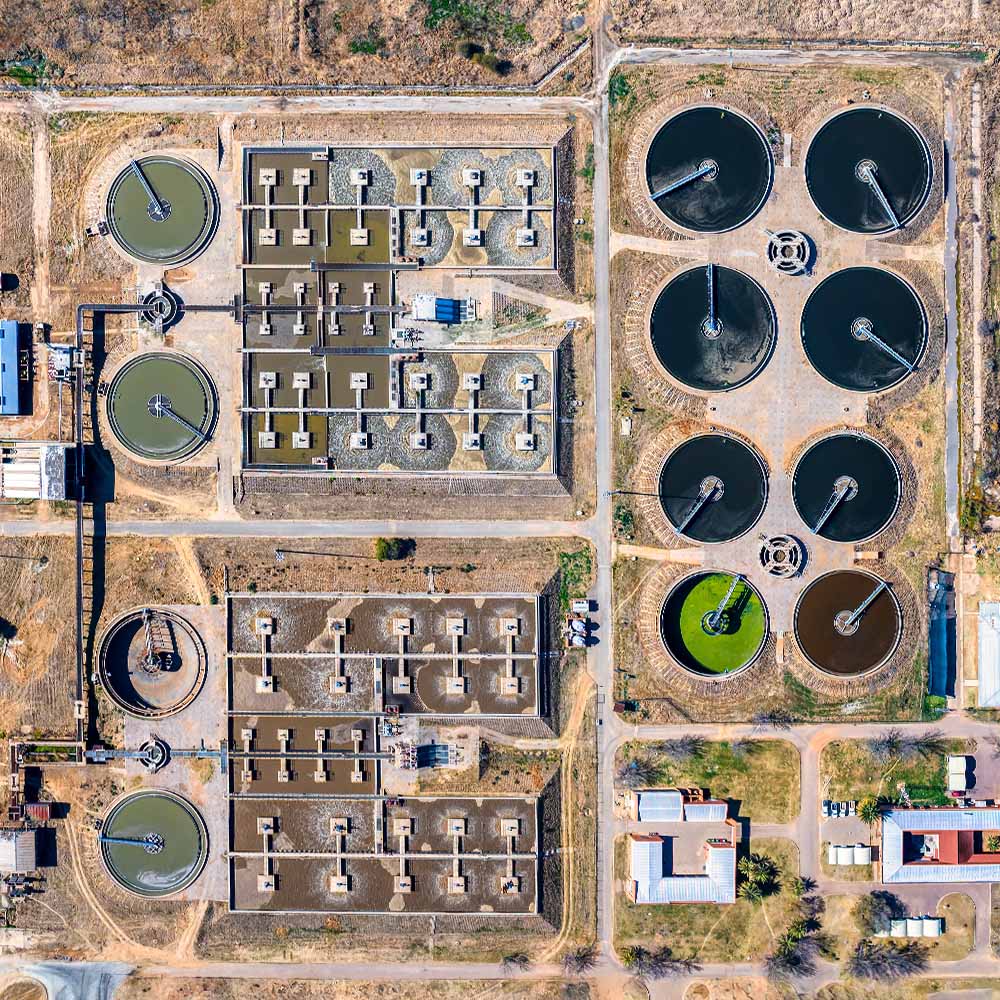
Beyond stabilizing the Colorado River, the Act positions the United States to lead globally in an emerging critical technology: industrial-scale water production.
As water scarcity increasingly shapes global security, economic growth, and geopolitical stability, nations around the world are investing heavily in desalination and advanced water systems. The Colorado River Abundance Act:
- Establishes the U.S. as a leader in next-generation desalination and reuse technology
- Creates a domestic platform for exportable infrastructure, engineering, and operational expertise
- Strengthens national resilience by treating water supply as critical infrastructure, on par with energy and transportation
Water is becoming one of the defining strategic resources of the 21st century. This Act ensures the United States leads—technologically, economically, and environmentally—instead of falling behind.
Protecting Power, Reservoirs, and Recreation
In addition to new supply, the Act includes safeguards to:
- Prevent catastrophic drawdown at Lake Powell and Lake Mead
- Protect low-cost, carbon-free hydropower relied upon by millions across the West
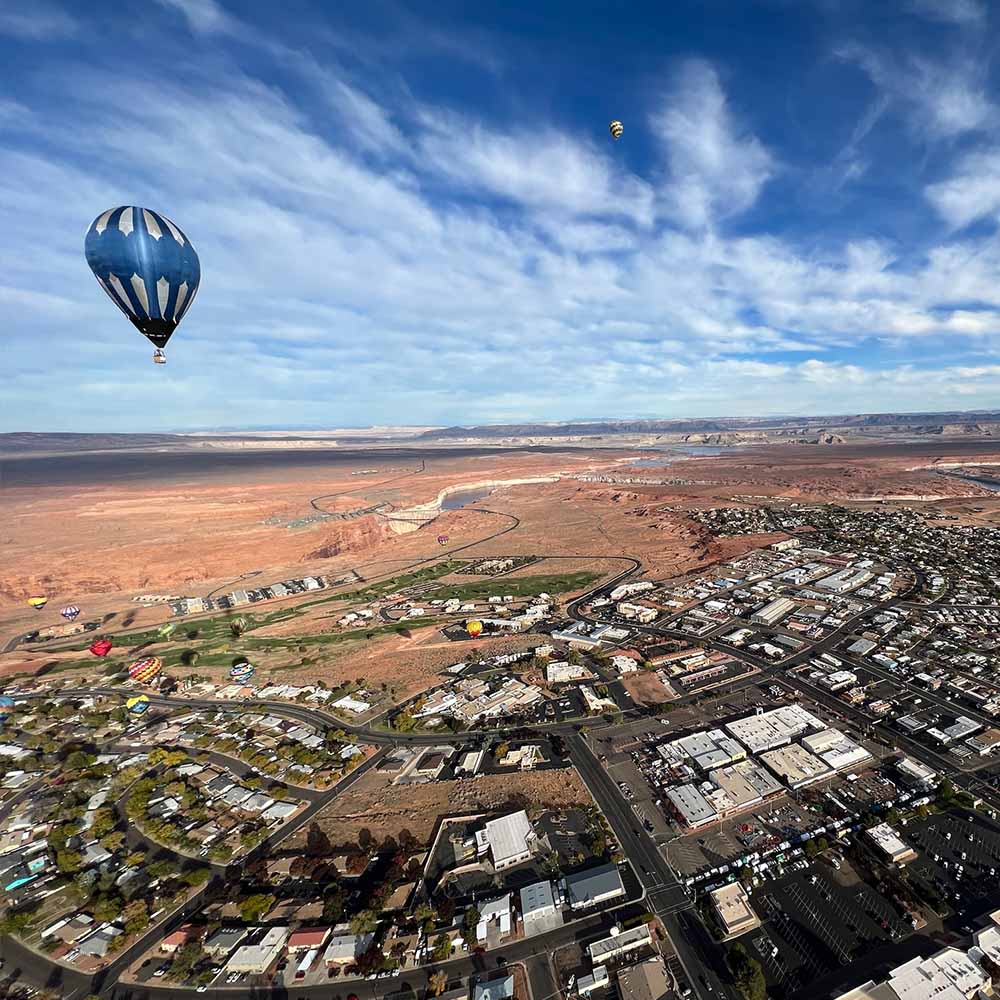
- Maintain functional recreation access, supporting tourism economies, public safety, and rural communities
The proposal recognizes that water reliability, power generation, and recreation access are inseparable outcomes of a functioning reservoir system.
The Path Forward
The Colorado River Abundance Act does more than address a crisis—it inaugurates a new era of possibility. It brings together engineering, diplomacy, innovation, recreation, economic development, and environmental stewardship into one coherent vision. It honors commitments to states, Tribes, and Mexico. It recognizes the central role of the Colorado River in American life—and meets that responsibility with ambition equal to the challenge.
This Act affirms that a prosperous future for the West is possible, not through rationing or retrenchment, but through investment, imagination, and the shared choice to build abundance.
Subscribe for updates
Subscribe to our Colorado River Abundance Act newsletter to stay-up-date.
FAQ
How much water does the Act target?
The proposal defines Initial Operating Capability at 2.0 million acre‑feet/year, and Full Operating Capability at 7.0 million acre‑feet/year, with a federal obligation tied to those milestones.
The development of up to 7 million acre-feet of new, reliable water supply over time is equivalent to:
- More than half of the Colorado River’s average annual flow, or
- Enough water to serve tens of millions of households, or
- The difference between chronic emergency and long-term stability for Lake Powell and Lake Mead
This new supply is intended to come from large-scale desalination, advanced water reuse, and system efficiency projects, reducing pressure on the river while preserving existing water rights and interstate compacts.
Is water desalination realistic?
Yes. Other water-scarce nations have acted more boldly. Countries facing harsher conditions than the U.S. (Israel, Saudi Arabia, UAE, Kuwait, Singapore, to name a few) are building resilient, engineered solutions — not relying on unreliable weather. These nations have shown the way: large-scale investments, clear policies, and a commitment to innovation & execution.
While desalination costs have fallen by 45% in the last decade due to innovation and tech improvements, America’s bureaucratic and regulatory burdens are the single biggest hurdle to desalination in the U.S. America has the resources, technology, and expertise to meet the challenge. What’s needed now is political will and collective determination.
Does this proposal change the Colorado River Compact?
No. The Act states it does not abrogate, impair, or modify the Compact, and it includes additional Compact-neutrality language in operations and reporting provisions.
Does it reduce Mexico’s Treaty allocation?
No. The Act states nothing diminishes Mexico’s Treaty entitlement of 1.5 million acre‑feet/year, and Treaty implementation changes occur only through Minutes consistent with the Treaty.
Does it affect Tribal water rights?
No. The Act includes multiple protections stating Tribal rights are preserved and not diminished.
Does this create new obligations for the Upper Basin?
No. Replacement Water is prohibited from being attributed to the Upper Basin for Compact purposes and cannot increase Upper Basin delivery obligations.
How is this paid for?
It establishes the Colorado River Abundance Fund (available without fiscal year limitation) and authorizes $40B for FY2026–2035 for construction, acquisition, and initial operations (plus additional sums as needed).
How does the bill keep this from becoming endless process?
It sets a 180‑day federal environmental review deadline, requires concurrent review across agencies, and creates a consolidated permit process and coordinating office.
How do we know the plan is actually working over time?
The proposal requires monthly accounting reports including production volumes, deliveries, storage, reservoir stabilization performance, and Mexico deliveries.
Is this a final bill?
No. Think of this as a blueprint. We welcome feedback and collaboration. If you'd like get in touch, contact us here.
TAKE ACTION
Urge your representives to support the Colorado River Abundance Act by filling out the form below.

About BlueRibbon Coalition
Since 1987, the BlueRibbon Coalition has fought to preserve recreation access to America’s public lands. Serving members in all 50 states, BRC is a 501(c)(3) nonprofit driven by grassroots energy. We work across all outdoor recreation sectors through advocacy, litigation, and rulemaking.
For over twenty years, BlueRibbon Coalition has been a leading advocate for protecting recreational access at Lake Powell. In response to feedback from its members and supporters, the Bureau of Reclamation has directly acknowledged and addressed the Coalition’s concerns in its latest Environmental Impact Statement for the Post-2026 Colorado River Operational Guidelines.
BlueRibbon Coalition members are living the consequences of an unstable Colorado River system—from families who boat, fish, and camp at Lake Powell and Lake Mead to the small businesses and gateway communities that depend on reliable water and recreation access. When reservoir levels and operations become unpredictable, access shrinks, services get disrupted, trips get canceled, and local economies take the hit. We’re advocating for a practical, buildable solution because our members need long-term stability, not permanent crisis management.