
ACTION ALERT: USDA is taking comments on the Roadless Rule Recission! Comment Here »
THE ROADLESS RULE & AMERICA'S FIRE CRISIS
A 25-Year old executive order IS helping our forests burn.
2026 is shaping up to be one of the worst wildfire seasons on record. A big reason: a regulation written in Washington locked up 58.5 million acres of National Forest, took away tools from the people who actually manage these lands, and gave anti-access organizations a litigation weapon to stop wildfire mitigation efforts. The fix isn't another mandate from D.C. It's allowing the Forest Service and local experts to utilize every available option so they can manage each forest based upon what's happening on the ground.
A dying and burnt forest does not conserve a forest, protect wildlife, nor allow for recreation.
58.5M
28M
36M
25 yrs
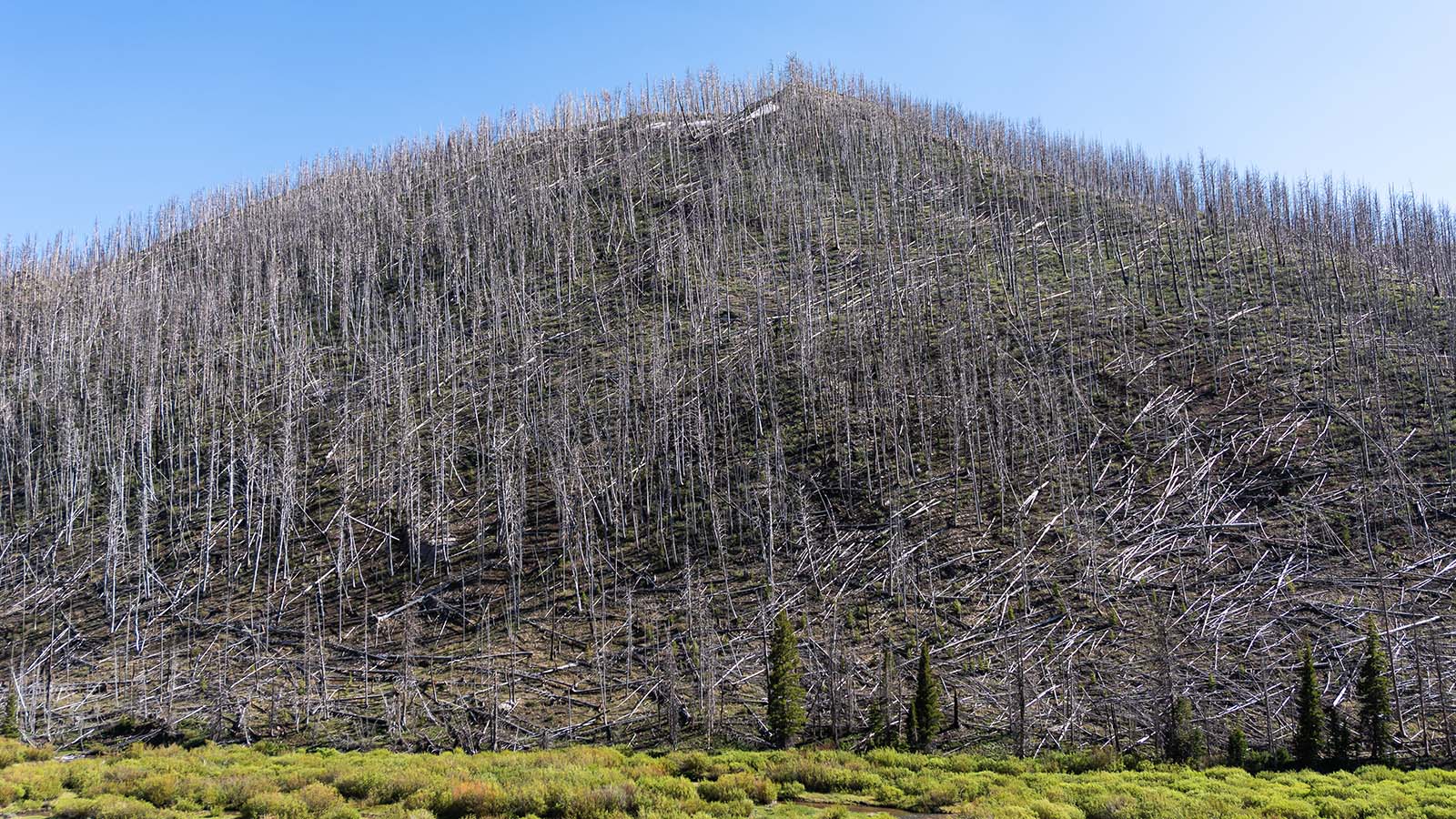
A Wyoming forest under the Roadless Rule
The Roadless Rule
A Presidential Decree That Doesn't Protect Forests.
A locked-up forest is not a protected forest. It is a tinderbox waiting for a spark.
The 2001 Roadless Rule designated 58.5 million acres of National Forest as de facto wilderness through a regulation, not an act of Congress. It did not just lock out a third of our forests to most recreation. It stripped the U.S. Forest Service of the tools it needs to keep those forests healthy: building and maintaining roads, clearing brush and dead timber, and reaching fires fast before they explode.
Roads are not the enemy of a forest. They are how crews get in to thin overgrowth, how fuel breaks get built, and how firefighters stop a small fire from becoming a catastrophic one. Take the roads away and you take away the management.
The results are on the map. Of the 58.5 million acres covered by the rule, 28 million acres are now rated at high or very high wildfire risk by the USDA. Roughly 36 million acres of forest have burned since the rule was adopted 25 years ago.
2026 is making the cost impossible to ignore. As of late June, the country has burned through roughly 195% of its 10-year average for acres lost, across more than 30,000 fires, with 62% of the nation in drought. Even the Forest Service has said so. Its chief, Tom Schultz, testified in 2025 that the rule's unmanaged roadless areas have "definitely increased catastrophic wildfire risk," threatening the watersheds and communities downstream.
And the Roadless Rule rarely stands alone. Anti-access organizations have spent decades using litigation to block the very forest-management projects that reduce fire risk, tying up thinning and fuel-reduction work in court while the fuel load grows. The rule gives them the legal hook. Communities downwind pay the price.
A dying and burnt forest does not conserve a forest, protect wildlife, nor allow for recreation.
Separating Fact From Fiction
Debunking Roadless Rule Misinformation
Anti-access groups flood this debate with claims that fall apart under scrutiny. Here's what the record actually shows, one myth at a time.

Myth 1
More roads cause more fire.
Read More »

Myth 2
The Forest Service can't maintain roads.
Read More »

Myth 3
Roadless Rule still supports recreation.
Read More »

Myth 4
Roads are detrimental to water quality.
Read More »

MYTH 5
Roadless Rule Does Not Inhibit Wildfire Mitigation
Read More »

A 59-Million-Acre Win
We Finally Have a Chance to Undo It.
On June 23, 2025, U.S. Secretary of Agriculture Brooke Rollins announced the USDA proposal to rescind the 2001 Roadless Rule, which would lift restrictions across nearly 59 million acres of National Forest. It would be one of the biggest openings of public-land access in a generation, and it restores the Forest Service's ability to manage these lands with every tool available: wildfire defense, timber thinning, dead-tree removal, and responsible recreation.
But an announcement is not a finished rule.
The USDA is moving through formal rulemaking. The first public comment period closed in September 2025. A proposed rule and draft environmental review followed in 2026, with another comment window. A final rule and record of decision are expected in late 2026. Until that final rule is signed, the rescission can be slowed, weakened, or challenged in court, and anti-access groups have promised to fight every step.
That is why the legislative track matters. BRC supports two bills that would repeal the Roadless Rule permanently and block any future copy of it: H.R. 7695 and S. 140, the Wildfire Reduction Act introduced by Senator Barrasso. A law from Congress cannot be undone by the next administration's regulation. That is how we make this win permanent.
TAKE ACTION
Save Our Forests
Litigation and rulemaking are slow. Pressure is fast. Here is how you move this across the finish line.
01
Support USDA Roadless Rule Rescission
The USDA has opened the public comment period on rescinding the 2001 Roadless Rule, a chance to hand management back to local foresters.
02
Support H.R. 7695 & S. 140
These bills permanently repeal the Roadless Rule and block any future copy of it. S. 140, the Wildfire Reduction Act, also accelerates fuels reduction on federal land.
03
Support Fix Our Forests Act
H.R. 471 and S. 1462 speed up wildfire-risk forest management, designate high-risk firesheds, and cut the red tape that stalls thinning and fuel-reduction work.
Appreciate what we do?
It takes a team of people to investigate, review, advocate and litigate in order to protect your rights to public lands. Please consider donating or becoming a member so we can continue to defend your access to public lands.

STRAIGHT ANSWERS
Roadless Rule: FAQ
If there's no Roadless Rule, will our forests turn into a spiderweb of paved roads?
No. Forest Service roads are not paved highways. They are closer to the trails our community already loves to recreate on, and odds are some of your favorite trails are Forest Service roads. Roads that were closed may now be reopened, repaired, and maintained. New service routes can be added at the discretion of the Forest Service for wildfire mitigation, forest health, and habitat. It is not a private free-for-all.
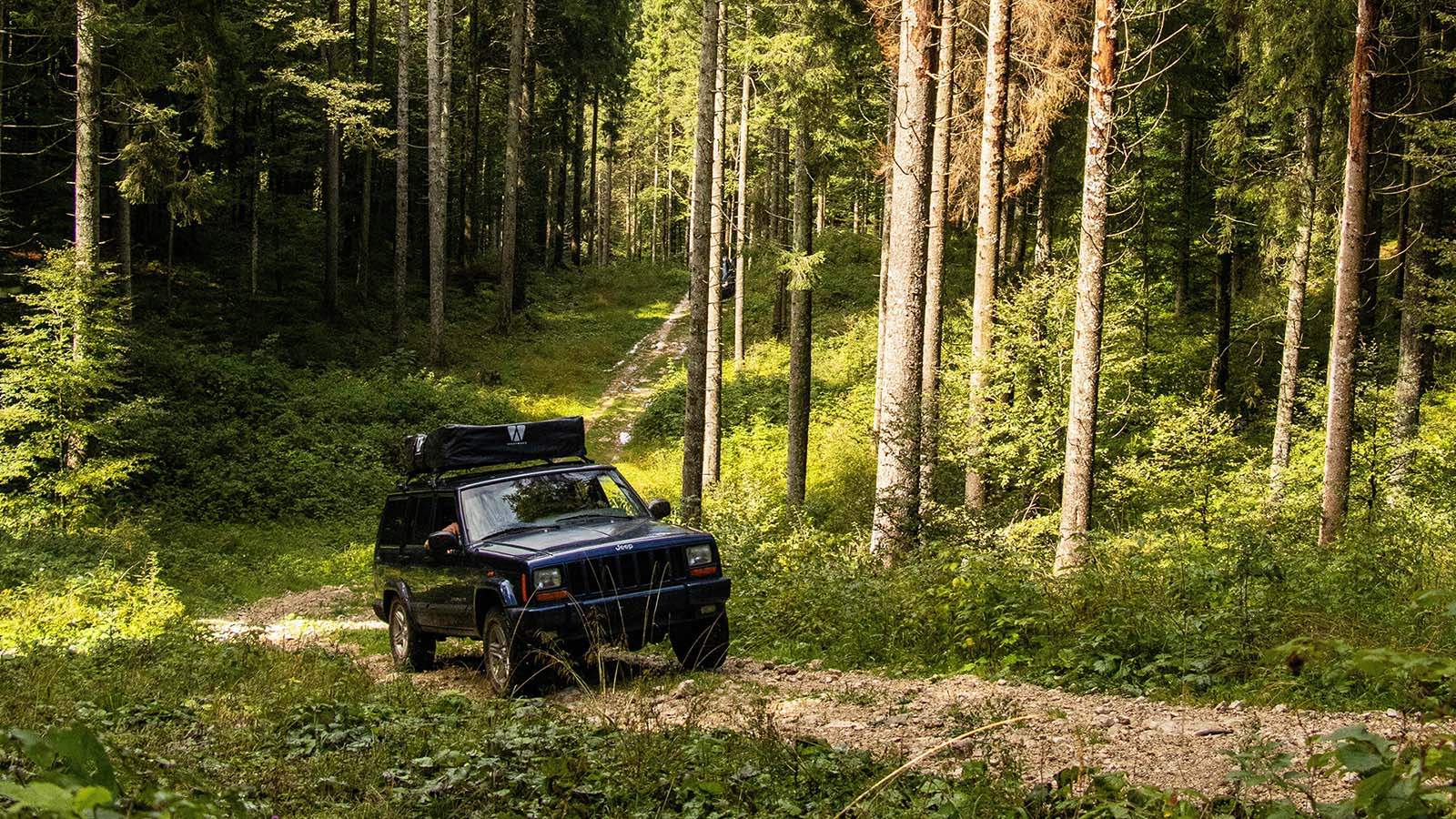
Do forest roads allow for recreation?
Yes. Forest Service roads are publicly owned. Routes outside a Roadless Rule designation are generally open to the public on federal land. Some roads still require temporary closures for restoration, revegetation, or hazard repair, and BRC supports reasonable temporary closures. We are here to make sure "temporary" doesn't quietly become permanent.
Will rescinding the Rule open it up to logging— which will decimate forests?
Hyperbolid & misleading. 36 million acres are already designated as wilderness, which prohibits logging and most recreation, and rescinding the Roadless Rule does not touch those designations. Most wildfire and forest experts agree that preventing catastrophic fire sometimes requires thinning, salvage logging, and dead-tree removal. BRC has supported responsible active-management projects and opposed those that permanently cut off recreation. Our test never changes: does this permanently harm access? If it does, we fight it. These calls are best made case by case, by experts and locals on the ground, not by a blanket rule written in Washington D.C.
Who else supports rescinding the Roadless Rule?
The USDA and Forest Service, plus many states and wildfire and forestry experts. Alaska, Idaho, Montana, Utah, and Wyoming have all opposed the rule since 2001. BRC joined recreation partners in multiple suits over the years, including the California Association of 4 Wheel Drive Clubs, United Four Wheel Drive Associations, and the American Council of Snowmobile Associations.
Is the rescission final?
Not yet. The USDA is working through formal rulemaking, with a final rule expected in late 2026. Until it's signed, the win can be slowed or challenged. That's why both public comment and the H.R. 7695 / S. 140 legislation matter right now.
The Long Fight
BRC's 25-Year Fight to Rescind the Roadless Rule
Clinton Issues the Roadless Rule
The Clinton Administration issues the final Roadless Rule over 58.5 million acres of National Forest.
BRC Files Suit
BRC, the Kootenai Tribe, the Idaho State Snowmobile Association, grazers, Idaho counties, and Boise Cascade file suit. Wyoming and Idaho follow.
Preliminary Injunction Won
Idaho plaintiffs, including BRC, win a preliminary injunction against the rule.
9th Circuit Reverses
A divided 9th Circuit panel reverses the Idaho injunction, clearing the rule to be implemented.
Wyoming Court Strikes the Rule
A Wyoming court declares the rule unlawful and enjoins it nationwide. BRC files an amicus brief supporting Wyoming.
BRC Gets a Seat at the Table
Bush's "State Petitions" Rule lets governors manage roadless areas; the 10th Circuit vacates the Wyoming opinion as moot. BRC's Adena Cook is named to the federal Roadless Area Conservation National Advisory Committee.
Clinton Rule Reinstated
A California court strikes the Bush rule and reinstates the Clinton Roadless Rule. The Forest Service, BRC, and Oregon timber interests appeal to the 9th Circuit.
Wyoming Wins Again
A court rules the 2001 rule violated multiple environmental laws and issues a nationwide injunction.
10th Circuit Reinstates the Rule
The 10th Circuit reinstates the Roadless Rule, a blow to recreation advocates.
Supreme Court Overturns Chevron
The Supreme Court ends Chevron deference, requiring courts to independently interpret statutes rather than defer to agencies.
BRC Goes to Washington
A BRC delegation travels to Washington, D.C. Its top priority: rescind the Roadless Rule.
USDA Announces Rescission
USDA Secretary Brooke Rollins announces the rescission of the 2001 Roadless Rule.
Rulemaking Underway — Not Final
The rescission moves through formal rulemaking, with a final rule expected in late 2026. The fight isn't over.
STAY ENGAGED
USFS Action Alerts
The latest on National Forest access, wildfire policy, and the fight to keep our public lands open.
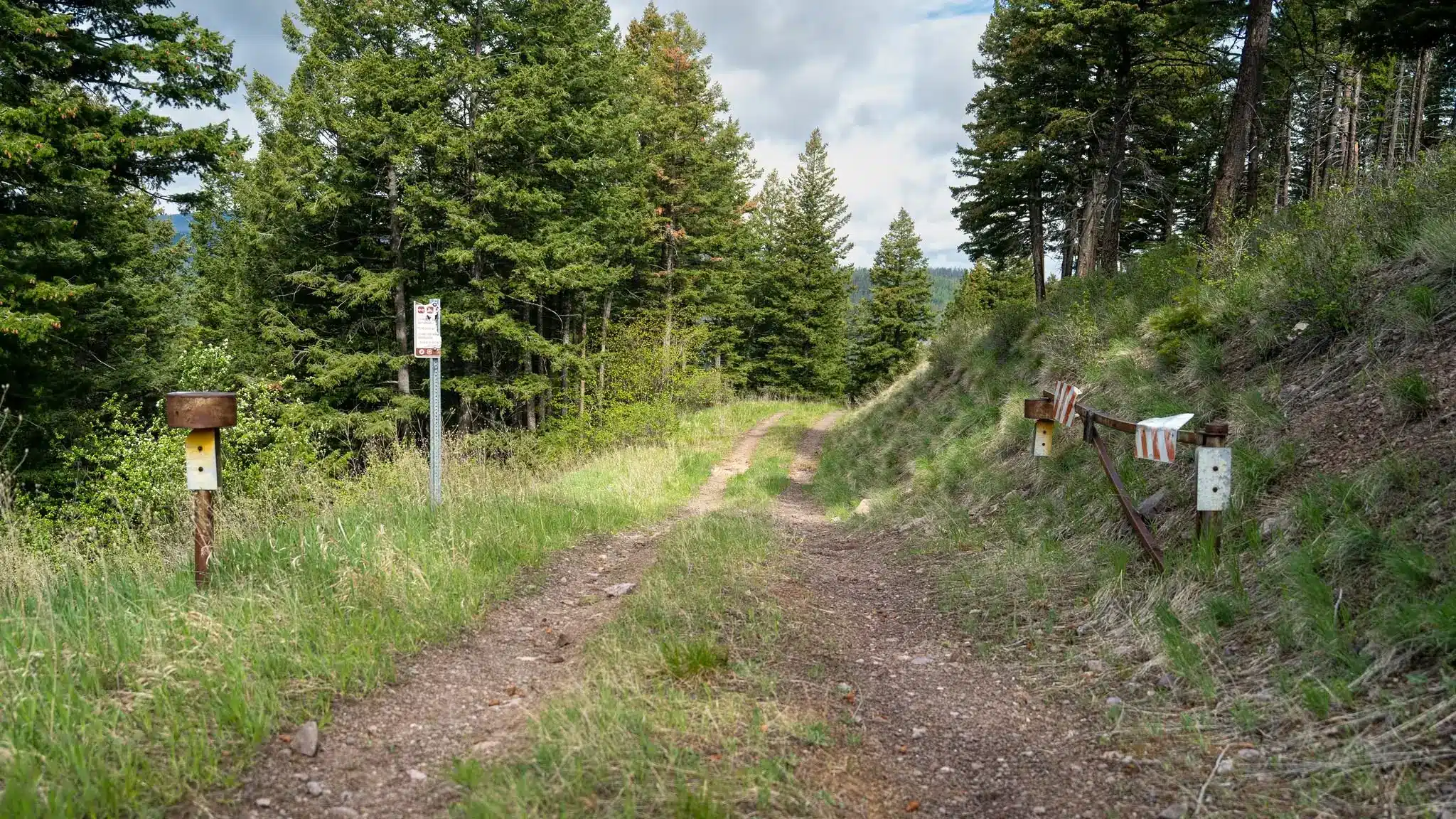
A River Runs Through It Act Would Add 100,000 Acres of Montana Wilderness for 70 Miles of OHV Trail
The A River Runs Through It Act promises 70 miles of OHV loop trail and permanent snowmobile access in return for 100,000 acres of new Montana wilderness. History says the wilderness is guaranteed and the access is not. Tell Rep. Zinke you oppose another false compromise.
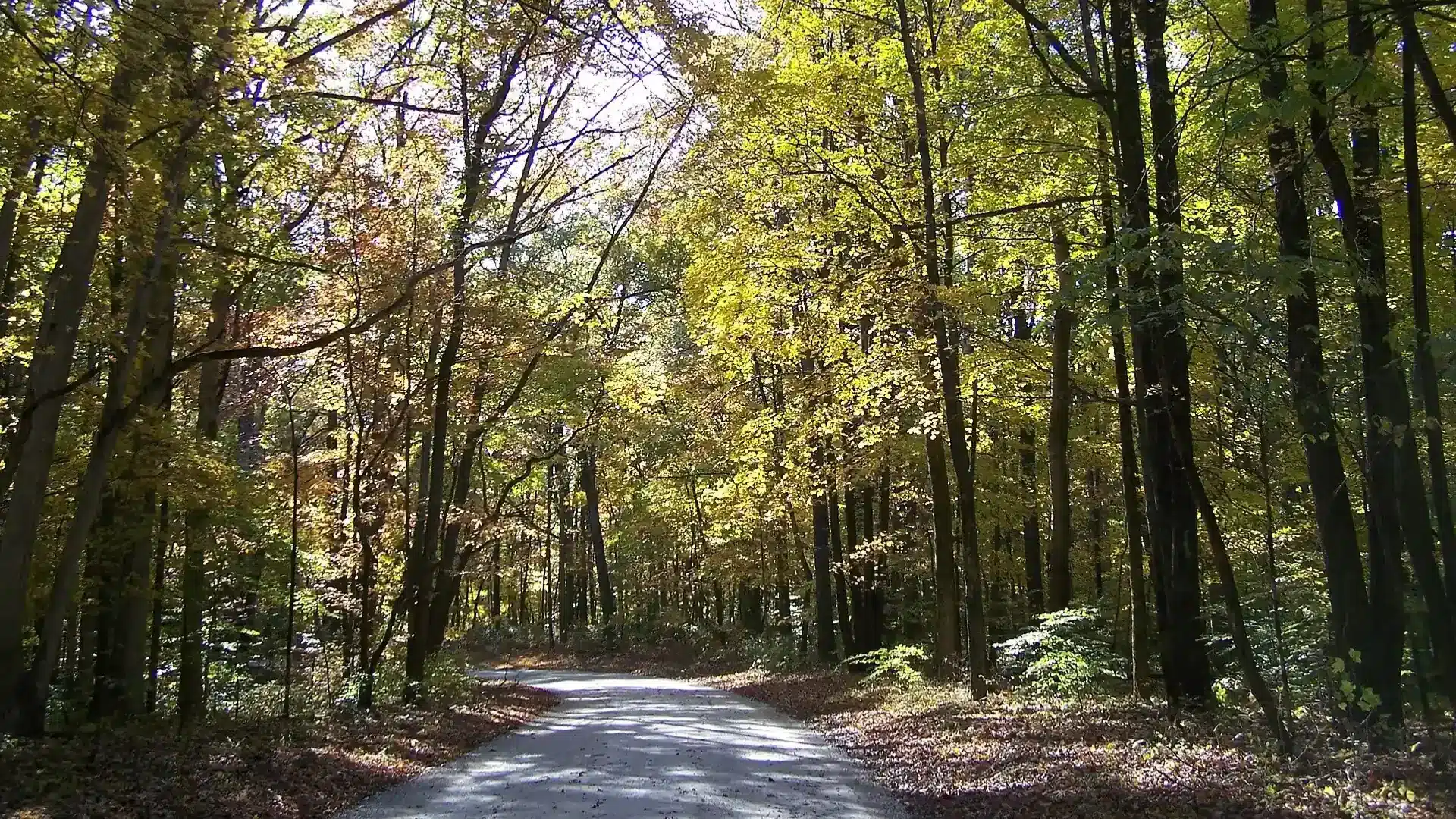
Hoosier National Forest Proposes Permanent Tower Ridge Road Closure – Comment by September 24.
Tower Ridge Road has been closed since a July 2025 storm, and the Hoosier National Forest would rather amend its Forest Plan than repair it. The amendment would end motorized access to three miles of road permanently. Comments close September 24.
54 North Project Would Thin 40,000 Acres and Restore Huckleberry in the Umatilla National Forest – Comment by Sept. 25
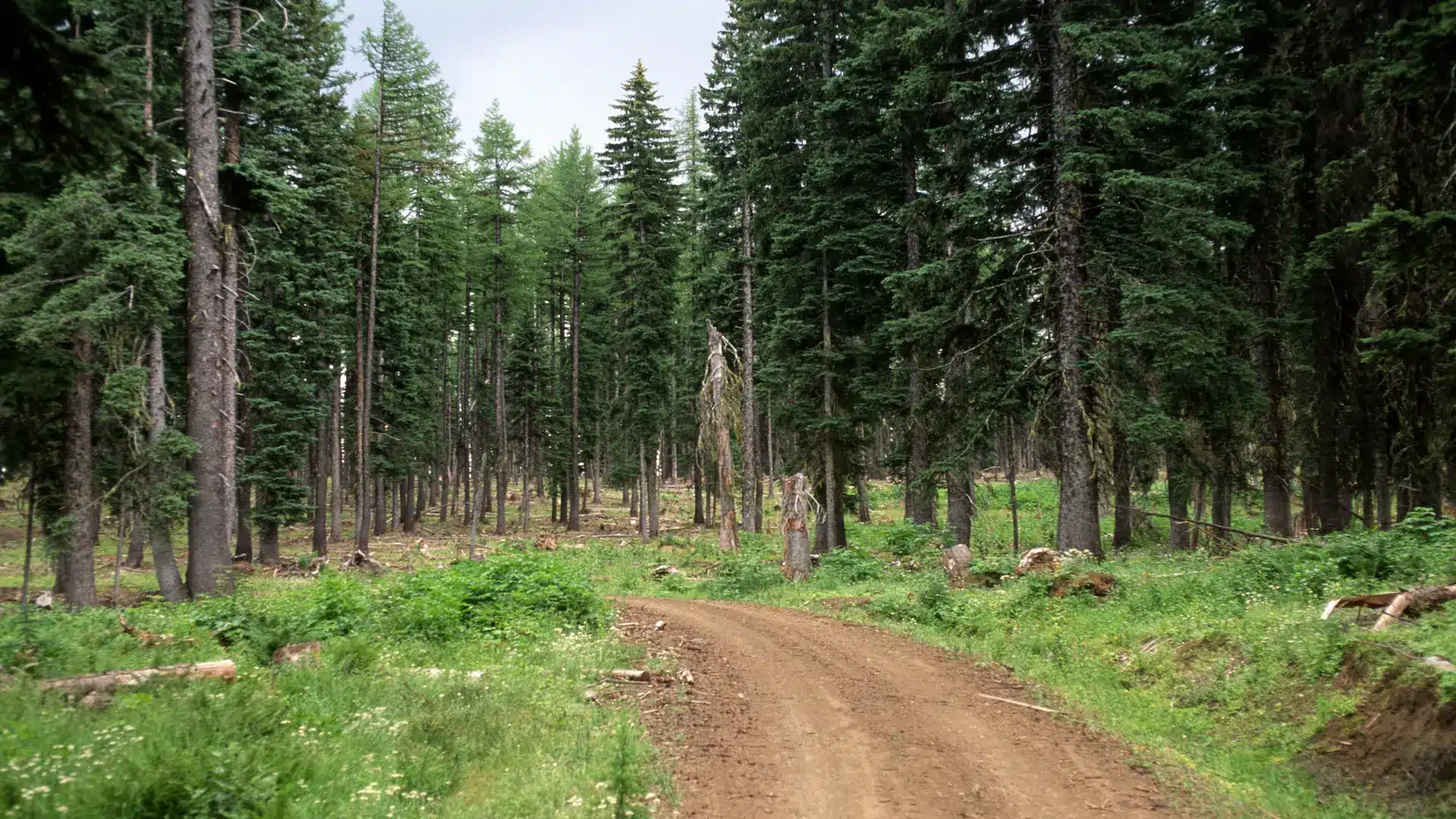
The Umatilla National Forest wants to thin, treat, and reintroduce prescribed fire across roughly 40,000 acres of the North Fork John Day Ranger District, and it will use 156 miles of existing forest road to do the work. A working road system and a fire-resilient forest go together, and this project proves it. Submit a comment in support of the 54 North Project before the September 25 deadline.