Win a $74k+ Custom Side-by-Side & Trailer Package  -  Click Here

54 North Project Would Thin 40,000 Acres and Restore Huckleberry in the Umatilla National Forest – Comment by Sept. 25

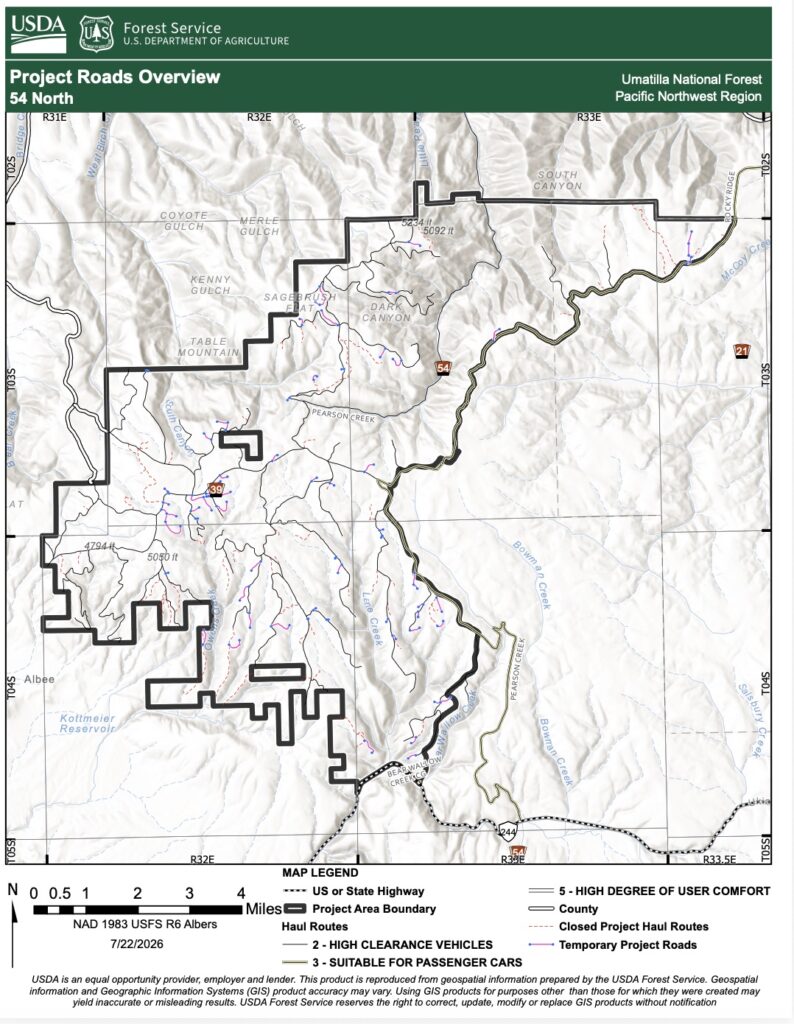
The Umatilla National Forest wants to thin, treat, and reintroduce prescribed fire across roughly 40,000 acres of the North Fork John Day Ranger District, and it will use 156 miles of existing forest road to do the work. A working road system and a fire-resilient forest go together, and this project proves it. Submit a comment in support of the 54 North Project before the September 25 deadline.

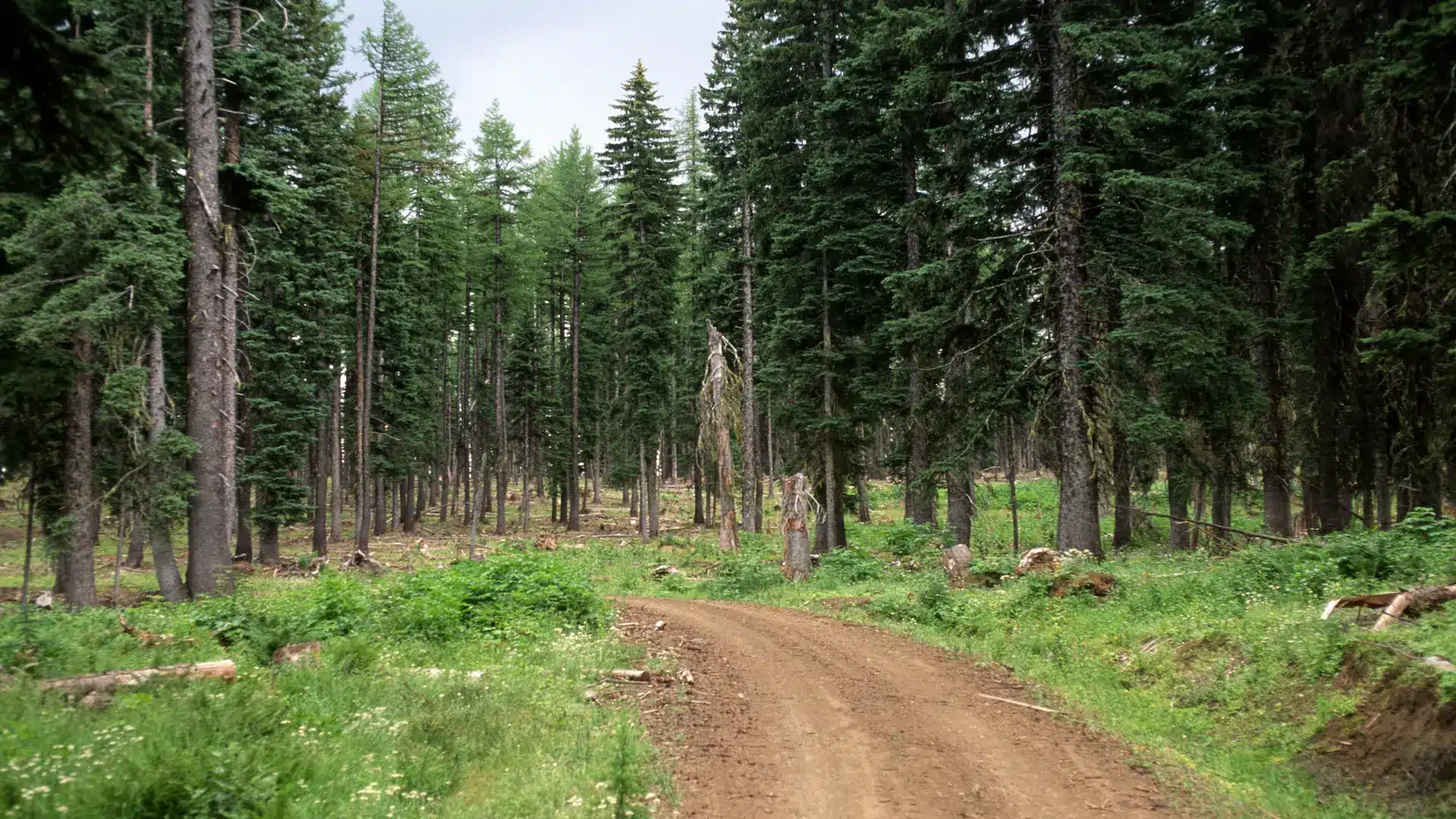
A dirt road curves through a thinned conifer stand in the Umatilla National Forest, with cut stumps, scattered logs, and a green understory of ferns and small white wildflowers.
Why you should submit here, even if you already have elsewhere!

We keep them honest. If everyone only comments through the government/agency site, we have to take their word on how many comments were received. By submitting through BRC, we create an independent record of our community’s response that can’t be buried or under-reported.

We protect your voice. If this fight ends up in court, having our own record of submitted comments means we don’t have to wait a year or more for a government agency to turn over documents. We can move quickly with proof that thousands of you spoke up.
We keep you in the loop. When you comment through our site, we can send you updates on what comes next. If you only use the government/agency site, you’re depending on them to tell you what happens next — and they won’t.

Double coverage matters. Even if you’ve already commented through the government/agency site, submitting through ours makes your voice count twice — once in their system, and once in ours. That way they know the OHV community is watching and tracking every move.

For years, BRC has been trusted to run action alerts like this. Thousands of members and supporters have used this system effectively to defend access to public lands. This isn’t about collecting your info — it’s about building the strongest, most transparent record possible to hold agencies accountable.

Why you should submit here, even if you already have elsewhere!

We keep them honest. If everyone only comments through the government/agency site, we have to take their word on how many comments were received. By submitting through BRC, we create an independent record of our community’s response that can’t be buried or under-reported.

We protect your voice. If this fight ends up in court, having our own record of submitted comments means we don’t have to wait a year or more for a government agency to turn over documents. We can move quickly with proof that thousands of you spoke up.

We keep you in the loop. When you comment through our site, we can send you updates on what comes next. If you only use the government/agency site, you’re depending on them to tell you what happens next — and they won’t.

Double coverage matters. Even if you’ve already commented through the government/agency site, submitting through ours makes your voice count twice — once in their system, and once in ours. That way they know the OHV community is watching and tracking every move.

For years, BRC has been trusted to run action alerts like this. Thousands of members and supporters have used this system effectively to defend access to public lands. This isn’t about collecting your info — it’s about building the strongest, most transparent record possible to hold agencies accountable.

September 9, 2026

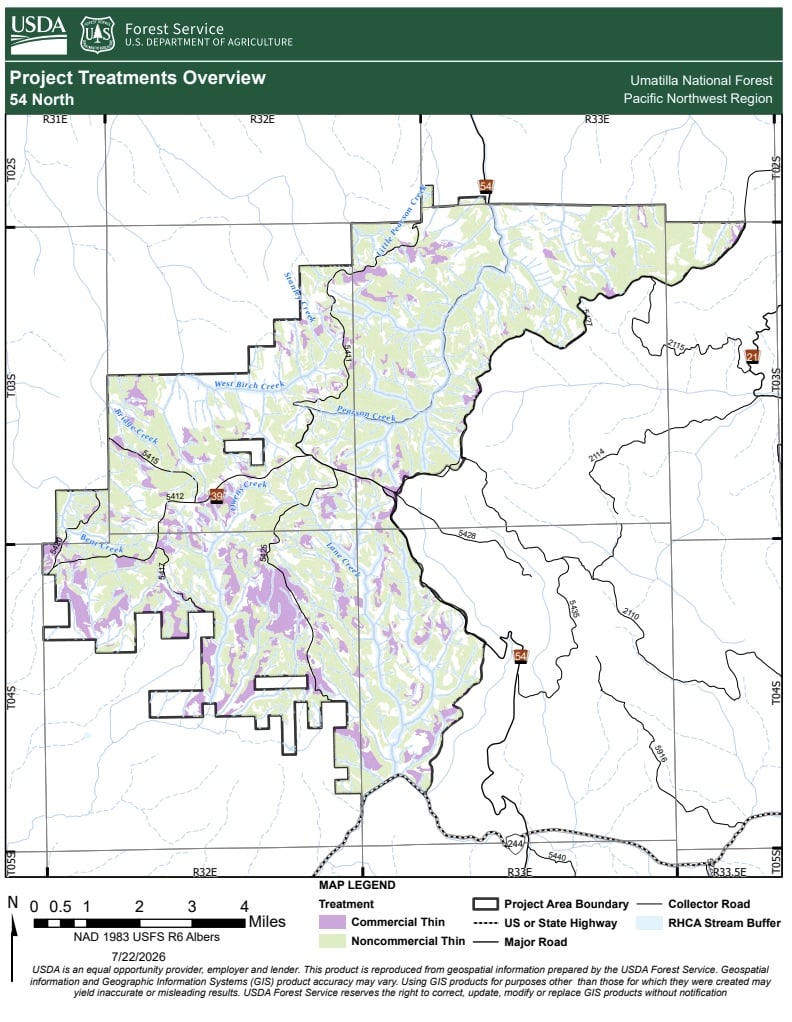
The Umatilla National Forest in the Pacific Northwest wants to thin, treat, and reintroduce prescribed fire across roughly 40,000 acres of the North Fork John Day Ranger District to reduce wildfire risk and restore huckleberry habitat through the 54 North Fuels Reduction and Huckleberry Restoration Project. Comments will be accepted through September 25, 2026.

The 54 North Project would thin overstocked stands, treat hazardous fuels, and use prescribed fire across the planning area to reduce the risk of the kind of large, uncontrolled wildfire that has repeatedly hit the Blue Mountains. It relies on roughly 156 miles of the district's existing road network to do it safely and efficiently, proof that a working road system and a healthy, fire-resilient forest go hand in hand.

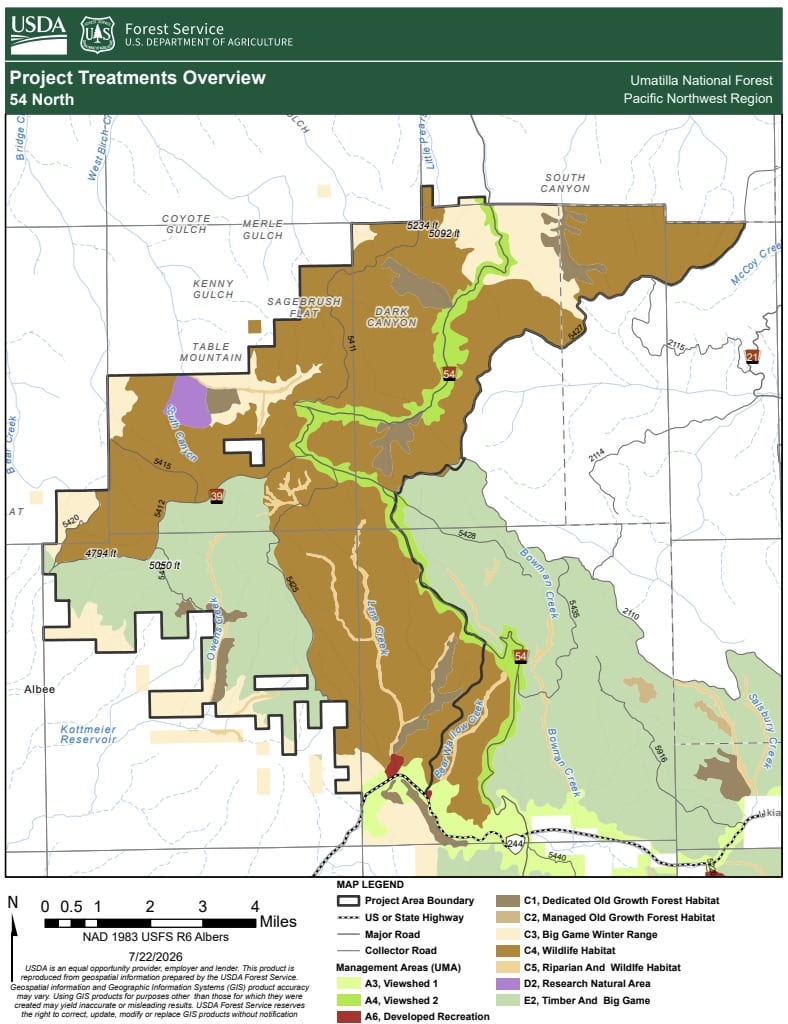
It's also the cheaper option. The Forest Service spent $2.7 billion fighting fires in 2023 alone, and research on actual agency treatment data shows every dollar spent on fuel treatments in the Pacific Northwest returns $5 to $6 in avoided firefighting costs, with landscape-scale projects like this one delivering the strongest returns. And more than half the project area, roughly 24,000 acres, is managed specifically as wildlife habitat, with another 4,500-plus acres of big game winter range. Wildlife and huckleberry can recover from a low-intensity managed fire; they don't recover the same way from the high-severity fire that decades of untreated fuel eventually produces.

The Forest Service is currently updating the land management plan that oversees this area of forest and this proposal is also another step in the right direction. Submit a comment in support of active forest management to keep our public lands healthy and safe.
Appreciate What We Do?

It takes a team of people to investigate, review, advocate and litigate in order to protect your rights to public lands. Please consider donating today so we can defend your ground.

Latest Articles
Categories