BlueRibbon Coalition (BRC), California Four Wheel Drive Association (Cal4Wheel), and American Sand Association (ASA) have reached a settlement over the Coyote Creek Agrivoltaic Ranch, a solar and battery storage project next to Prairie City State Vehicular Recreation Area (SVRA) in Sacramento County. Announced October 27, 2026, the settlement requires the developer to move a transmission line off the park, keep new facilities at least 300 feet from the park boundary, and follow enforceable limits on construction traffic, glare, and dust.
What the issue was
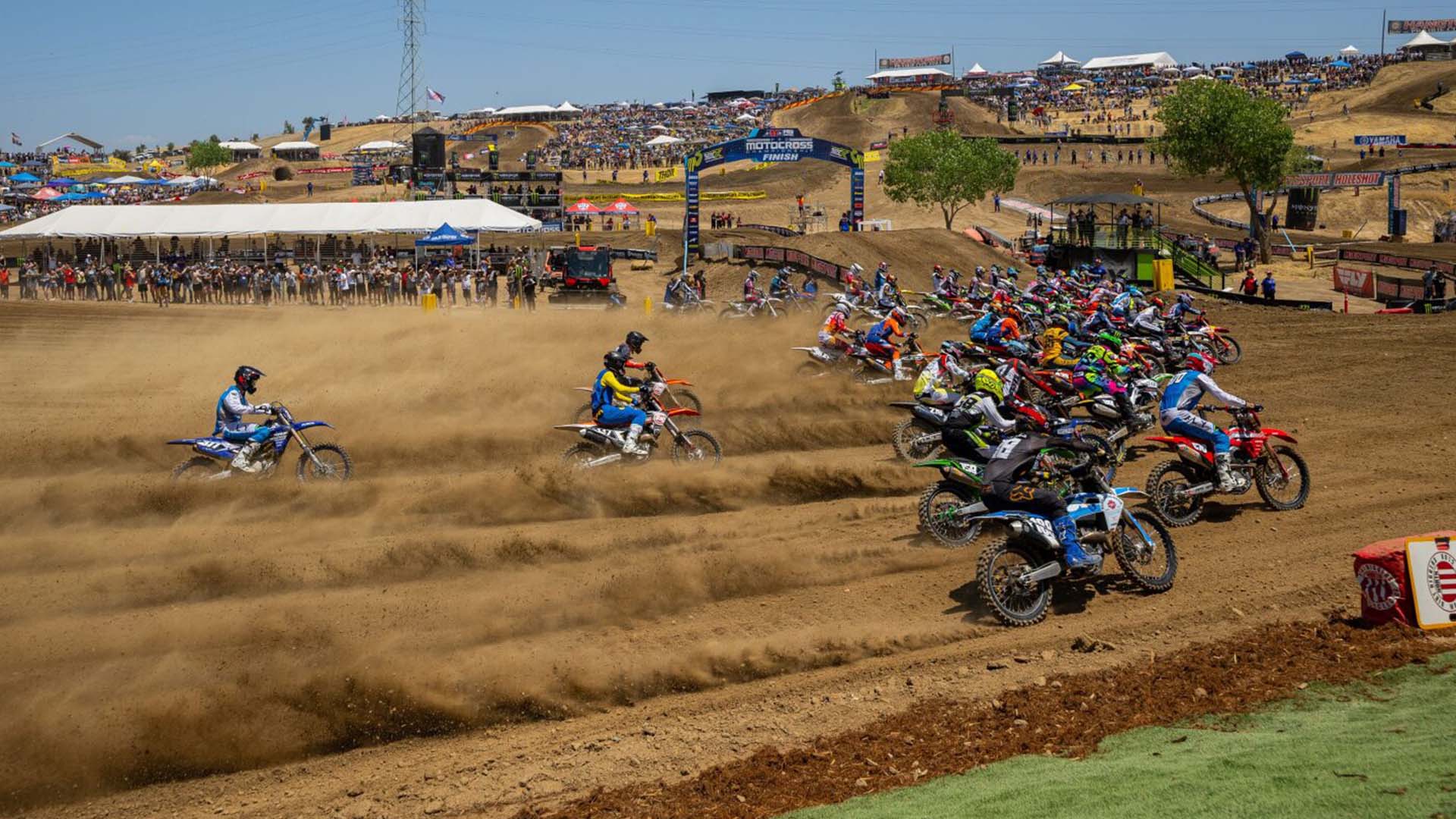
Prairie City is one of only nine SVRAs in California. It welcomes more than 100,000 visitors a year and generates over $59 million annually for the regional economy. The park has Mini MX and kart tracks, OHV trails, and a district office. It supports daily riding, safety training, and competitive events.
The Coyote Creek Agrivoltaic Ranch is a 200-megawatt solar and battery storage facility planned for the 2,704-acre Barton Ranch in eastern Sacramento County, beside the park. The Sacramento County Board of Supervisors approved it in November 2025. As approved, the project's switchyard and a 230-kilovolt (kV) transmission line would have encroached into the southern part of the park, affecting its Mini MX and kart tracks, OHV trails, and district office.
The project put one of California's most important OHV parks "at serious and lasting risk." BRC also viewed the case as a precedent. An approval like this one, left unchallenged, could be repeated across other California OHV recreation areas.
In December 2025, BRC, Cal4Wheel, and ASA filed suit together in Sacramento County Superior Court. We argued that the project's Environmental Impact Report (EIR), the environmental review California law requires for a project of this kind, did not adequately address impacts to Prairie City from dust, glare, construction traffic, and lost recreational value. Our group also argued that required coordination with California State Parks and the Off-Highway Motor Vehicle Recreation (OHMVR) Commission was not completed, even though the project directly affects State Parks land.
How the community came together
Three OHV organizations put their names on one lawsuit and reached one set of terms with the developer, Sacramento Valley Energy Center, LLC, an affiliate of DESRI.
"Renewable energy development can't come at the expense of the few places Californians still have to ride," said Ben Burr, BRC Executive Director, in the settlement announcement.
Rose Winn, Natural Resources Consultant for Cal4Wheel, said the agreement "turns verbal promises into binding commitments." Sylvia Bermudez of ASA said, "We're proud to have worked alongside our partners to make sure this park remains safe, accessible, and viable for generations of riders to come."
BRC thanks Cal4Wheel and ASA for their partnership on this case. Our legal work is funded by individual donations and members and pulling our resources together made our case stronger.
"This settlement shows that when recreationists stand up for their public lands, they can secure real, lasting protections," Burr said.
What the settlement requires
The settlement sets conditions for building and operating the project next to the park. DESRI must meet each of the following.
- Transmission line: DESRI must move 1,300 feet of the transmission line off the SVRA and onto Barton Ranch.
- Switchyard and transmission: DESRI must make every commercially reasonable effort to relocate them outside the SVRA and at least 300 feet from its boundary. If they remain inside the SVRA, DESRI must pay additional funds for Prairie City and other OHV units in the state park system.
- Setbacks: The collector substation and battery storage must sit at least 300 feet from the SVRA boundary.
- Construction traffic: A County-approved traffic control plan limits construction inside the SVRA to weekdays, routes other construction traffic via Scott Road, and bars construction inside the SVRA during major park events.
- Glare: Solar panels must be oriented and coated to eliminate material glare onto the SVRA, and a glare study must verify it before construction.
- Dust: A County-approved dust control plan applies, with work-stoppage protocols if dust drifts into the SVRA.
- Liability and operations: DESRI will hold California State Parks harmless for dust damage to the project caused by lawful SVRA use, and DESRI will not oppose the SVRA's authorized use and operation.
- Successors: All of these obligations bind DESRI's successors and assigns.
This is a collaborative win for the off-road community. As Cal 4 Wheel’s Rose Winn said of the agreement, "It protects riders' safety, keeps the park's signature events running, and ensures that the OHV Trust Fund is protected from paying for problems that the OHV community didn't create."
Support BRC's legal work
You can support BRC's legal work with a tax-deductible donation to the Legal Fund here.
Learn more about our Brass Legal Center here.