
The Brass Legal Center at BlueRibbon Coalition
Your Public Land Access Has a Legal Team
The Brass Legal Center is a national litigation center built for one cause: keeping public lands open for recreation. We file original litigation and intervene in cases that threaten public land access. We take on fights of every size, from 600-mile network closures to the local trails your club rides every weekend.

§ 1 The Legal Center
A Full-Time Legal Team for Outdoor Recreation Access
For nearly 40 years, BlueRibbon Coalition has fought for your right to ride, drive, and camp on America’s public lands. We have always gone to court when it mattered. Until now, that meant hiring outside counsel for the largest fights or relying on a single staff attorney for the rest.
Outside counsel is expensive. It can work for the biggest cases, and it never works for the small ones. We care about all the fights.
The Brass Legal Center at BlueRibbon Coalition changes that. It is a dedicated team of attorneys whose only clients are public land recreationists. Our attorneys know the agencies, the travel plans, the statutes, and the trails, and every case builds expertise that stays with BRC year after year.
“For a local club, the closure of a 20-mile local trail can matter more than the closure of 300 miles of trails around Moab. We get it. We love our local spots, too.”Matt Miller, General Counsel
§ 2 Our Work
What We Do
We sue to reopen closed land.
When an agency closes trails, routes, or campsites in violation of federal law, we file suit and ask the court to set the decision aside.
We defend access when it is attacked.
When anti-access groups sue to shut down riding areas, we step in on the side of the people who enjoy recreating on the land.
We challenge executive overreach.
We bring constitutional and statutory challenges when a president or an agency locks up land without the authority to do so.
We appeal and file friend-of-the-court briefs.
We take cases to the federal and state courts of appeals, and we file amicus briefs where the precedent will impact access nationwide.
We stand with local clubs.
We partner with local riding groups as clients and co-plaintiffs, so the people who best know the trails are in the courtroom with us.
§ 3 The Stakes
Why It Matters
There is a coordinated network of anti-access groups that sues, petitions, and lobbies to close public land to motorized use. Their lawsuits and settlements have set the terms for travel plans across the nation for far too long. Every closure they win becomes the starting point for the next one.
Once a trail is closed, it rarely comes back. Trails become overgrown and disappear. Building a new route today can take a decade or more, if it happens at all. The only reliable way to protect the trails we have is to defend them in court, on the record, every time.
We believe the ability to explore America’s backcountry is your birthright. We believe you belong on your public lands. The Legal Center exists to make sure the law agrees, too.
§ 4 Method
How We Work
A national docket.
Our cases run from the Oregon coast to the California desert to the red rock of Utah. Where access is threatened, we go.
The Constitution and the Law matter.
We argue from the statutes Congress wrote and the Constitution that limits federal power. Our claims rest on the Administrative Procedure Act, the National Environmental Policy Act, the Antiquities Act, the Constitution’s Appointments and Property Clauses, and any other tool that can increase your access.
Built for the long fight.
Public lands cases move slowly. They involve stays, injunctions, remands, revised plans, and appeals. A standing team can see a case through every step of the process. It develops institutional memory and expertise that cannot be duplicated by hiring outside counsel on an ad hoc basis.
Strong partners.
We litigate alongside respected public interest firms and local counsel, including the Texas Public Policy Foundation, Jones Day, and Carollo Law.
Straight answers.
We will tell you what a case can accomplish and what it cannot. We will report losses as plainly as we celebrate wins. You will always know where your trails stand.
§ 5 Counsel
Our Attorneys
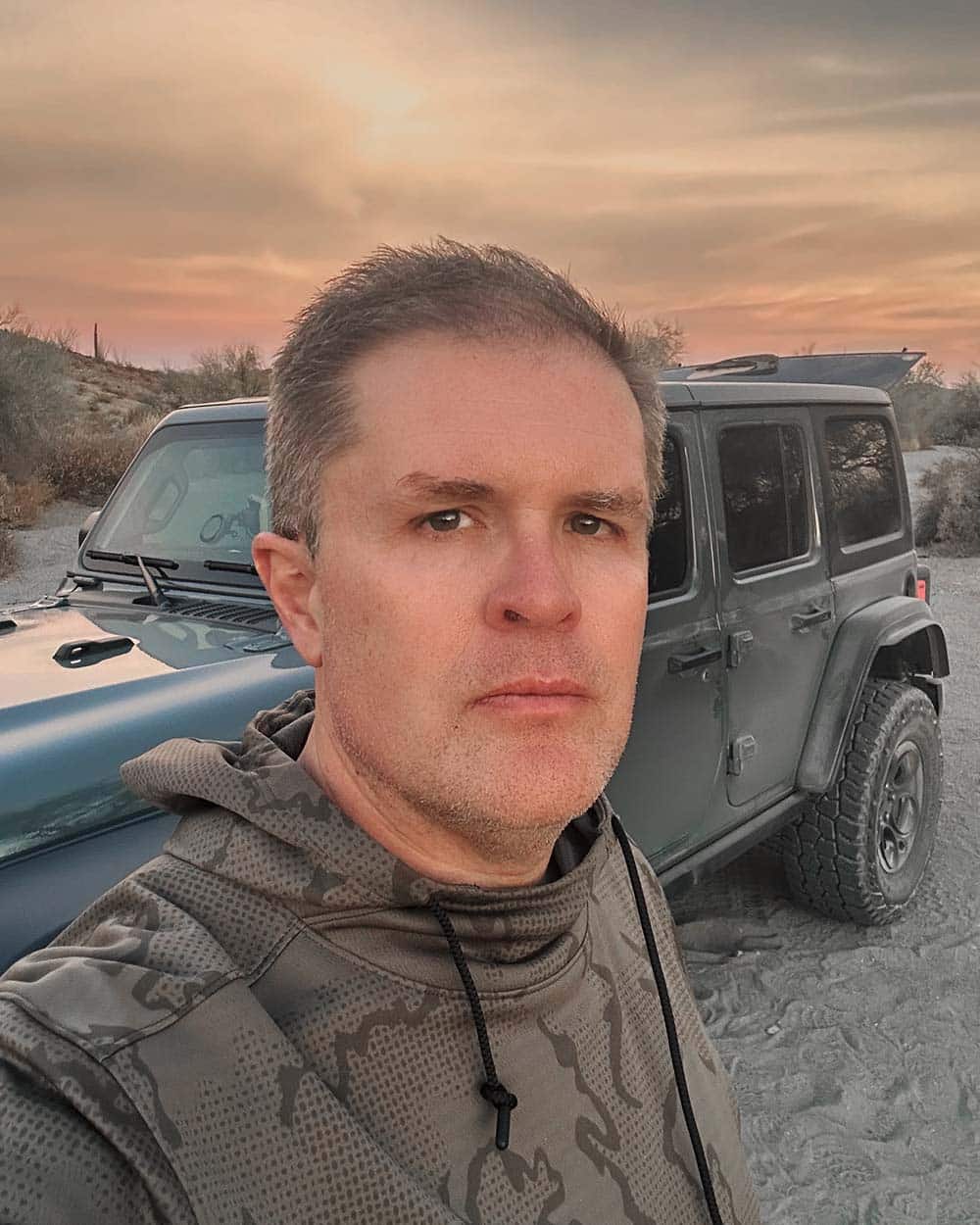
Matt Miller
General Counsel
A graduate of the University of Chicago Law School, Matt Miller has litigated for more than 20 years, 18 of them in public interest law, suing every level of government to defend individual rights and the Constitution. He has served on the BlueRibbon Coalition Board of Directors since 2023 and is lead attorney on BRC’s challenges to the closure of 317 miles of trail near Moab and the designation of Chuckwalla National Monument. He has overlanded the American West for more than two decades and has explored many thousands of miles of trail with friends and family.
Read Matt’s letter announcing the Legal Center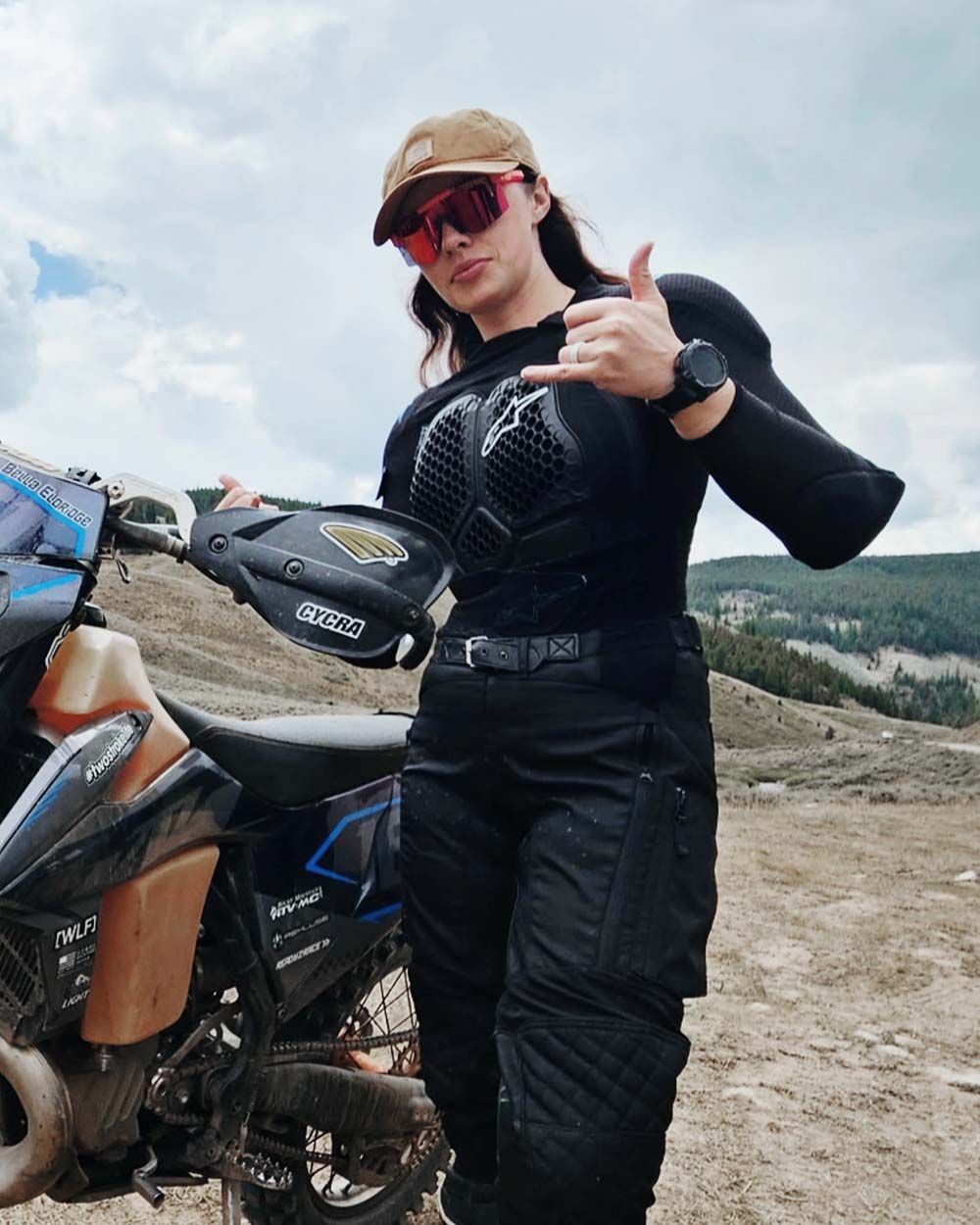
Bella Eldridge
Staff Attorney
Bella Eldridge is lead counsel on BRC’s challenges to the closure of thousands of miles of trail in Utah’s San Rafael Swell and Henry Mountains, dispersed camping closures near Zion National Park, and the closure of the Oregon Dunes recreation area. Her work over the past several years forms the groundwork from which the Legal Center is being created. An avid dirt biker and mountain biker, she brings a personal commitment to preserving access for all users. Bella earned her J.D. from Oklahoma City University School of Law.
We are now accepting applications for law clerks for Spring 2027 semester and Summer 2027.
Apply to Clerk§ 6 The Docket
Active Cases
These are the cases the Legal Center is litigating right now. Each one is a fight to keep a specific place open. We update this docket as cases move.
In Court
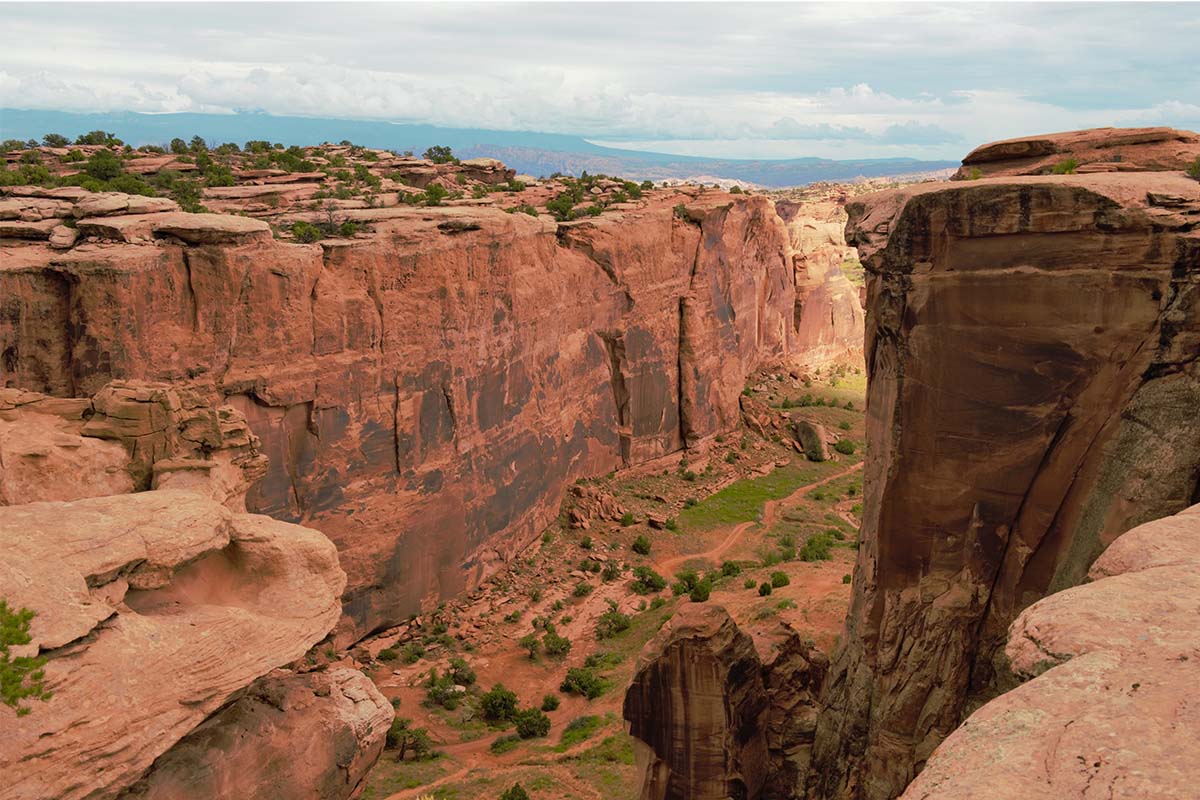
Moab, UtahStayed
Moab Trails: Labyrinth Rims/Gemini Bridges
- Case
- BlueRibbon Coalition, Inc., et al. v. Bureau of Land Management
- Court
- U.S. District Court for the District of Utah
- Case No.
- 2:23-CV-923
- Filed
- December 23, 2023
Case summary
The case
The Bureau of Land Management closed 317 miles of trail across more than 300,000 acres near Moab under the Labyrinth Rims/Gemini Bridges Travel Management Plan. We argue that the closure exceeds the agency’s authority and that a decision of this scale must be made by a properly appointed officer of the United States, as the Constitution’s Appointments Clause requires, not by a lower-level employee.
Where it stands
The court has stayed the case while BLM revises the travel management plan to reopen many of the trails.
What’s next
If the reassessment does not restore access, we will press our claims in court.
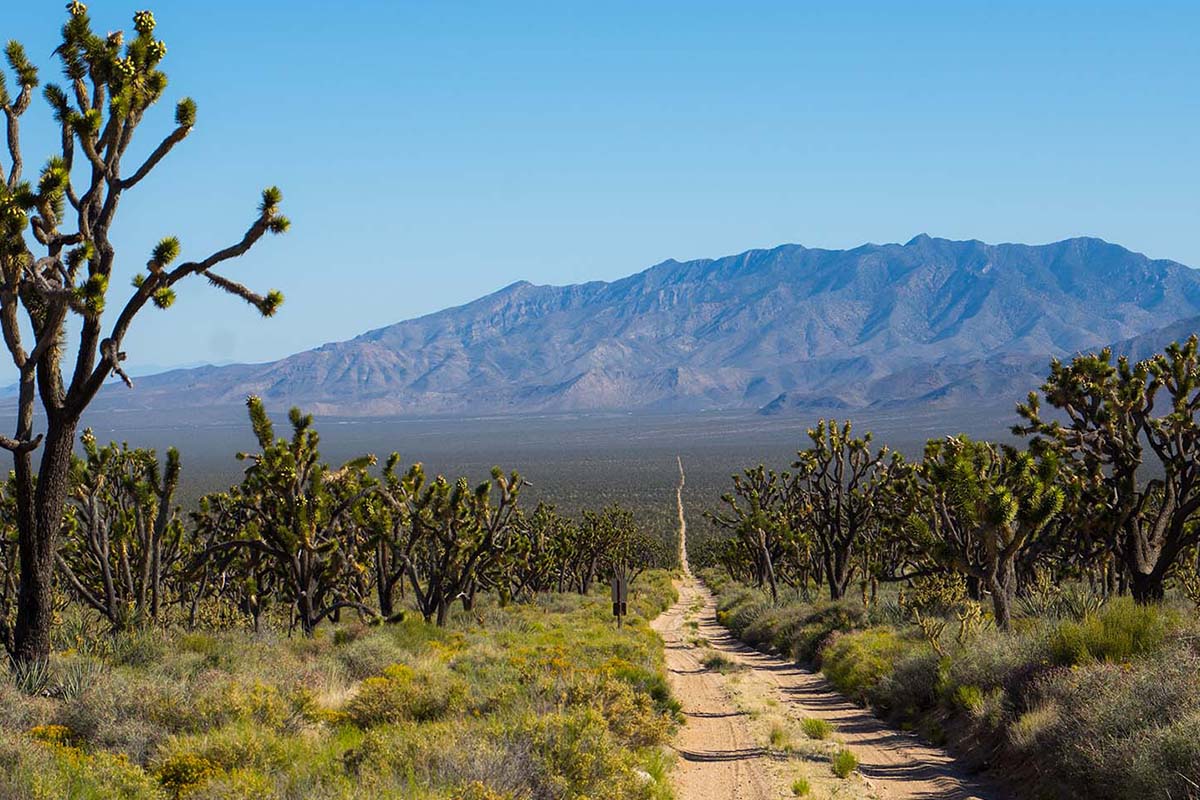
California DesertMotions Pending
Chuckwalla National Monument
- Case
- Daniel Torongo and BlueRibbon Coalition, Inc. v. Burgum, et al.
- Court
- U.S. District Court for the Eastern District of Michigan
- Case No.
- 5:25-cv-11263
- Filed
- May 1, 2025
Case summary
The case
In January 2025, Proclamation 10881 designated Chuckwalla National Monument across approximately 624,000 acres of the California desert. We argue that the designation violates the Antiquities Act, which limits monuments to the smallest area compatible with protecting specific objects, and that it rests on an unconstitutional delegation of Congress’s power under the Property Clause.
Where it stands
Motions to transfer the case are pending before the court.
What’s next
The court has set a hearing for December 9, 2026.
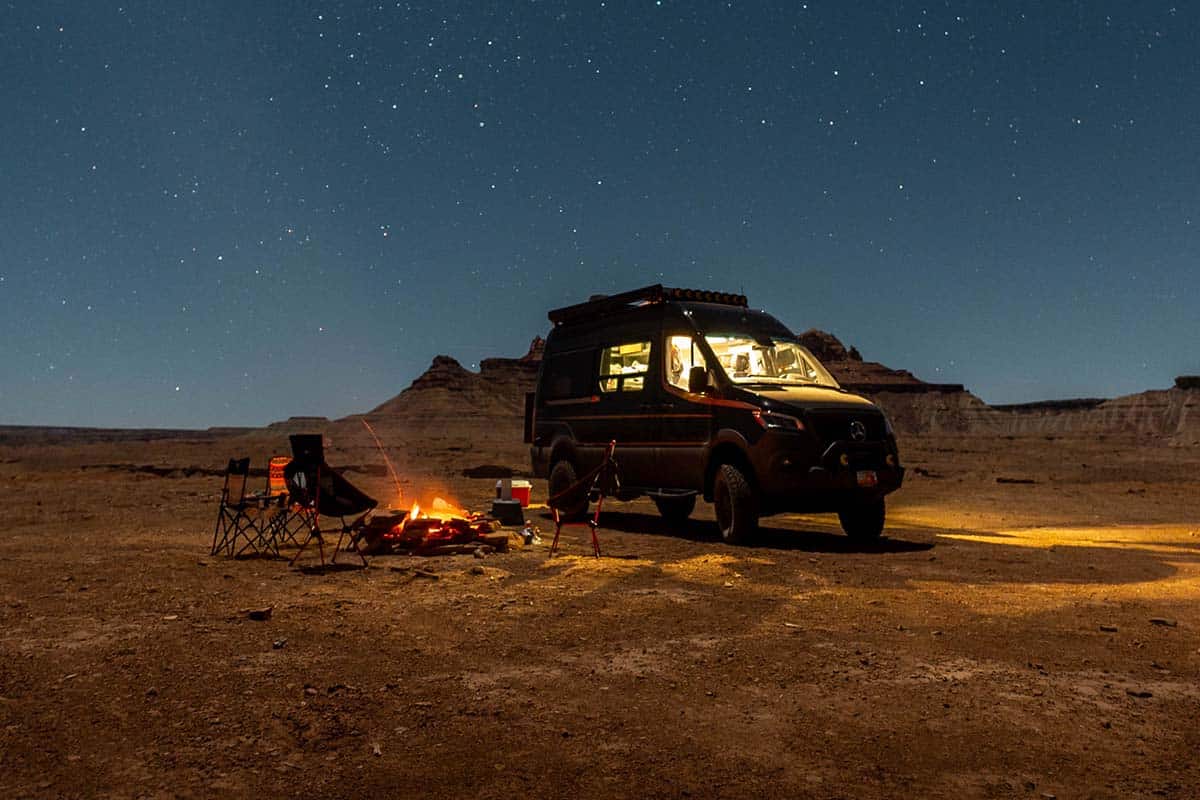
Emery County, UtahStayed
San Rafael Swell
- Case
- BlueRibbon Coalition, Inc., et al. v. Bureau of Land Management, et al.
- Court
- U.S. District Court for the District of Utah
- Case No.
- 4:25-cv-00022-DN
- Filed
- March 5, 2025
Case summary
The case
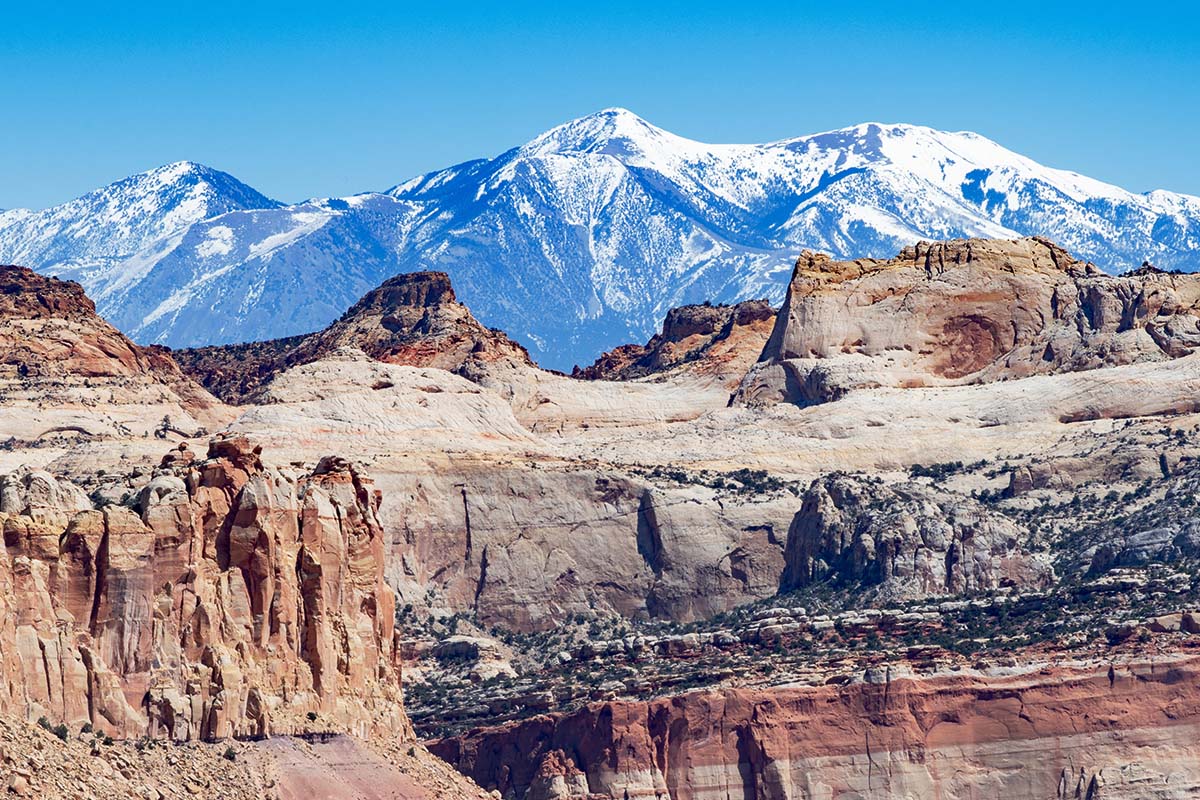
The San Rafael Swell Travel Management Plan closed 665 miles of motorized routes across more than 1.1 million acres of Emery County. These are the same canyons where Dick Brass built trails for 45 years. One closure cuts off access to the Wells family’s historic homestead. We argue that BLM’s decision was arbitrary and capricious under the Administrative Procedure Act and failed the requirements of the National Environmental Policy Act.
Where it stands
In April 2026, the court stayed the case while BLM reassesses the plan. BLM files status reports every 60 days.
What’s next
If the reassessment does not restore access, we will press our claims in court.
Garfield and Wayne Counties, UtahPending
Henry Mountains and Fremont Gorge
- Case
- BlueRibbon Coalition, Inc. v. U.S. Department of the Interior, et al.
- Court
- U.S. District Court for the District of Utah
- Case No.
- 4:25-cv-00044-AMA-PK
- Filed
- April 10, 2025
Case summary
The case
BLM’s January 2025 Henry Mountains and Fremont Gorge Travel Management Plan closed 612 miles of motorized routes in Garfield and Wayne Counties. We argue that BLM relied on inconsistent reasoning, failed to consider historic uses, and violated the National Environmental Policy Act by issuing a decision of this size without a full environmental impact statement.
Where it stands
Pointing to the shifting regulatory landscape, BLM has obtained a series of 30-day extensions of the scheduling order, purportedly so it can revise the travel plan.
What’s next
We will move forward on the merits as soon as the court sets a firm schedule.

Oregon CoastOn Appeal
Oregon Dunes National Recreation Area
- Case
- Center for Biological Diversity v. U.S. Forest Service
- Court
- U.S. District Court for the District of Oregon, Eugene Division; on appeal to the U.S. Court of Appeals for the Ninth Circuit
- Case No.
- 6:24-cv-00930-AA (D. Or.); 9th Cir. 26-6289
Case summary
The case
In June 2024, the Center for Biological Diversity sued the Forest Service under the Endangered Species Act to restrict off-highway vehicle use on the Oregon Dunes, citing the coastal marten. The Oregon Dunes are among the most visited OHV riding areas in the country and the home of events like DuneFest and the UTV Takeover at Winchester Bay. We represent Save the Riders Dunes, the local volunteer group that has defended the dunes for years.
Where it stands
In August 2026, the district court ruled for the Center for Biological Diversity and imposed interim restrictions. We are briefing the remedy in district court and have appealed to the Ninth Circuit.
What’s next
BRC’s Ninth Circuit opening brief is due November 19, 2026.
Southern UtahOn Remand
Utah National Monuments (Bears Ears and Grand Staircase-Escalante)
- Case
- Dalton, et al. v. Trump (formerly v. Biden), consolidated with Garfield County, et al. v. Trump
- Court
- U.S. District Court for the District of Utah, on remand from the Tenth Circuit (Nos. 23-4106 and 23-4107)
- Case No.
- 4:22-cv-00059-DN-PK
- Filed
- August 25, 2022
Case summary
The case
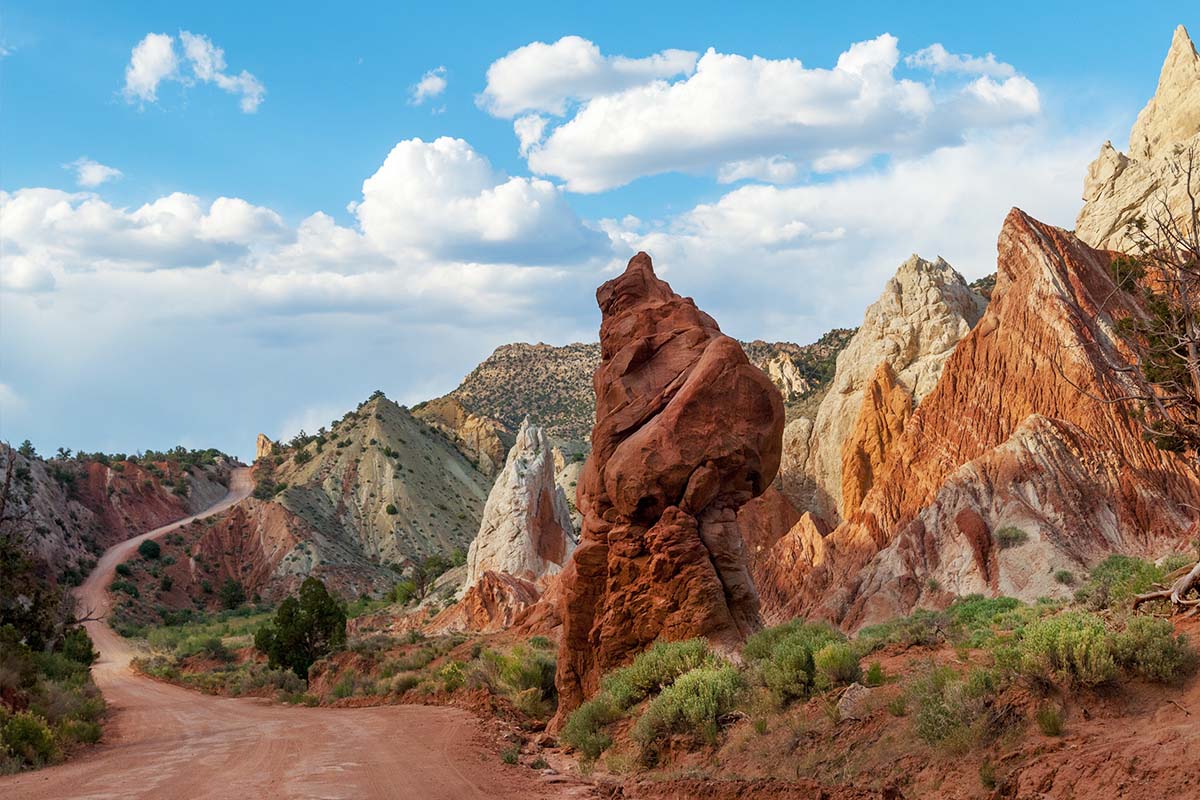
President Biden’s 2021 proclamations restored Bears Ears and Grand Staircase-Escalante and expanded them to 3.23 million acres, an area twice the size of Delaware. We argue the Antiquities Act does not allow it. The Act limits monuments to protecting actual “objects of historic or scientific interest” and requires them to be “confined to the smallest area compatible” with that purpose. Landscape-scale designations that lock up millions of acres of multiple-use land meet neither test, and the management plans that followed put public access at risk.
Where it stands
On June 23, 2026, the Tenth Circuit vacated the dismissal of our challenge and held that federal courts can review whether a president exceeded the limits Congress placed on the Antiquities Act. The case went back to the district court to decide those questions. We are currently evaluating our future involvement in this case. On July 13, 2026, President Trump issued new proclamations shrinking Bears Ears to about 121,000 acres and Grand Staircase-Escalante to about 182,000 acres.
What’s next
The district court must define the Act’s limits and decide whether the 2021 proclamations exceeded them. We will press for that ruling so that future designations are held to the statute.
Cache County, UtahInterim Access
Clarkston Mountain
- Case
- Winter Canyon Ranch, LLC, et al. v. Cache County
- Court
- Utah First Judicial District Court
- Filed
- May 13, 2024 (BRC joined January 28, 2026)
Case summary
The case
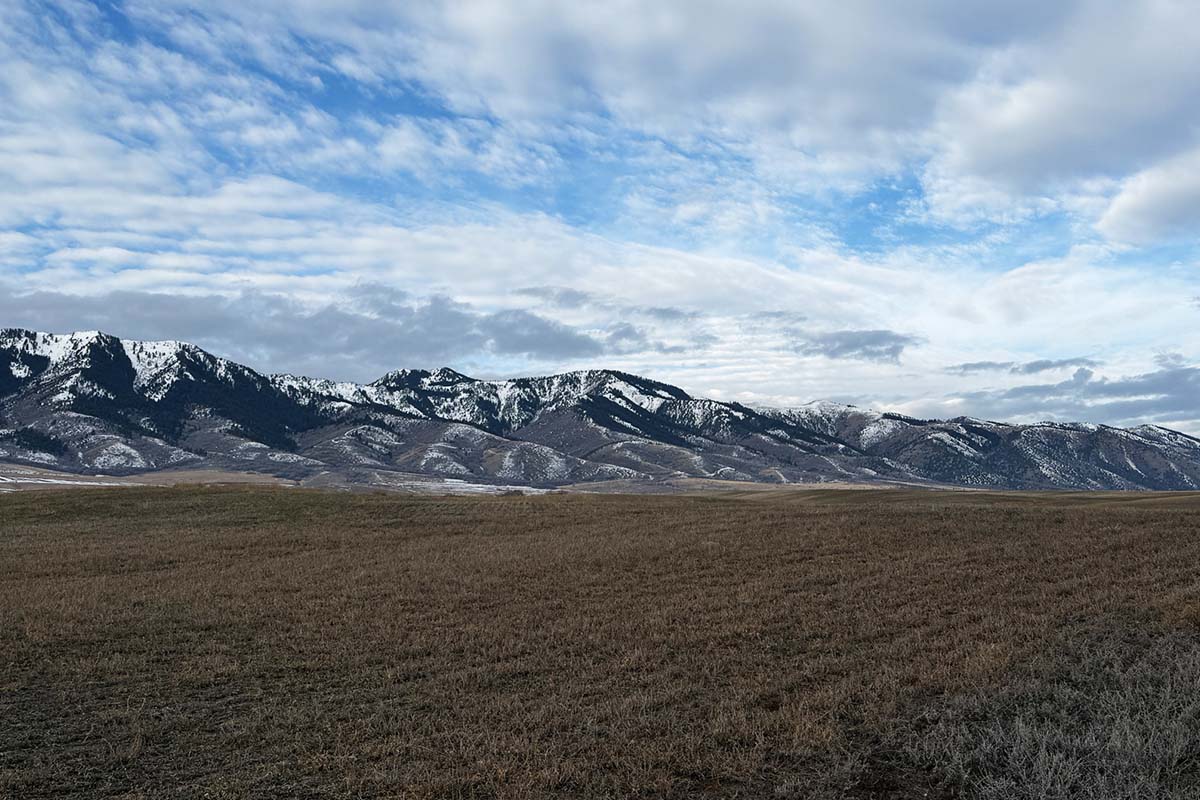
Winter Canyon Ranch owns about 800 acres near Gunsight Peak and claims the canyon routes crossing it are private livestock trails. The county, which mapped them as public roads, says the public has used them for over a century and a half to reach public forest land. We argue the routes became public highways under Utah Title 72, which dedicates a road to the public after continuous public use. If the closures stand, a landowner could turn historic public routes into private property overnight.
Where it stands
After an April 23, 2026 hearing, the parties agreed to an interim arrangement. The public can again hike, ride horses, or drive vehicles under 50 inches wide in Winter, Lower Elbow, and New Quigley canyons while the case proceeds. Upper Elbow Canyon and Tom Buttars Spring remain closed to motorized use.
What’s next
We will keep building the record that these routes were dedicated to public use. If the court sides with the ranch, the interim access ends. The next hearing is scheduled for December 2026.
Active Appeals
La Verkin, UtahBriefing
Zion SR-9 Dispersed Camping
- Case
- Appeal of the SR9 Campground Management Project Decision
- Forum
- Interior Board of Land Appeals
- Docket No.
- 2026-0142
Case summary
The case
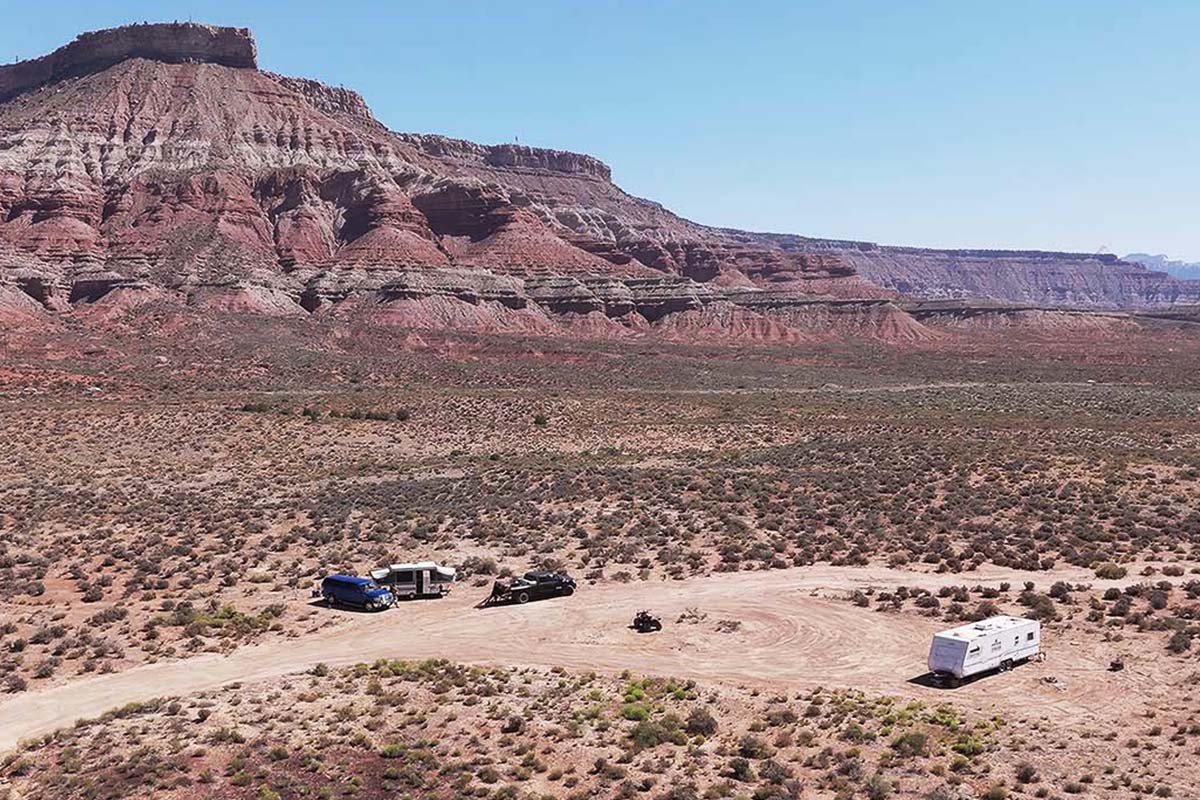
In March 2026, BLM’s St. George Field Office ended free dispersed camping across nearly 14,000 acres along State Route 9 between La Verkin and Zion National Park, replacing it with fee campgrounds. These are the open sites that families, overlanders, and riders have used for generations on their way to Zion and the Hurricane Cliffs trails.
Where it stands
We filed our statement of reasons in August 2026. BLM filed its response on October 19, 2026.
What’s next
BRC’s reply brief is due November 9, 2026.
Northern IdahoPending
Rollercoaster Trail / Silver Valley Map 4
- Case
- BlueRibbon Coalition, Inc. v. Bureau of Land Management, Coeur d’Alene Field Office
- Court
- Interior Board of Land Appeals, U.S. Department of the Interior
- Case No.
- IBLA 2026-0135
Case summary
The case
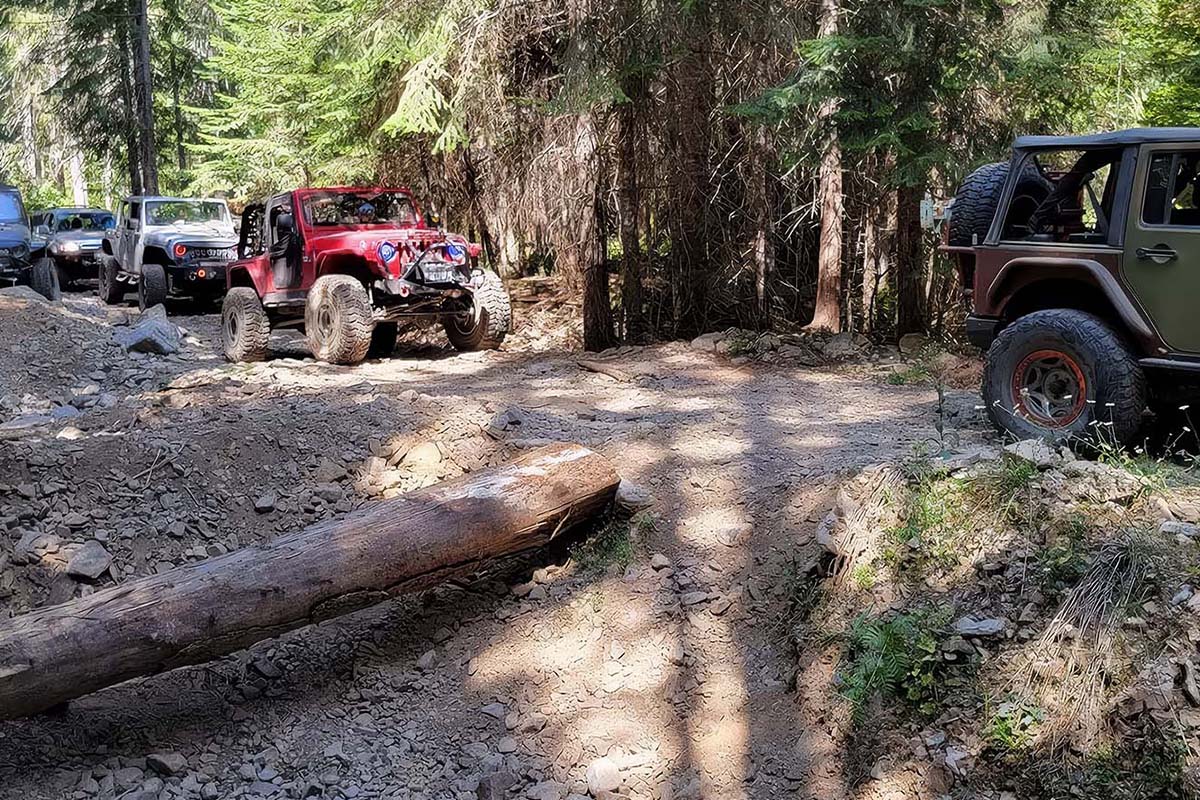
BLM’s Coeur d’Alene Field Office eliminated hundreds of motorized routes across Benewah, Kootenai, and Shoshone counties and called it a routine “map correction.” It used a categorical exclusion and a FONSI to do it, with no Travel Management Plan and no environmental analysis of what the closures would do. The 2007 Coeur d’Alene Resource Management Plan took the opposite approach. It supported motorized access and designated the Middle Fork Pine Creek Road, the Rollercoaster, for extreme 4WD use. We argue that BLM violated the National Environmental Policy Act, that a categorical exclusion cannot be used to redesignate routes, and that our members face irreparable harm from the loss of access.
Where it stands
The appeal is pending before the Interior Board of Land Appeals.
What’s next
IBLA will decide whether to set aside the March 2026 decision. If it does not restore the routes, we will take our claims to federal court.
Boise District, IdahoFully Briefed
Birds of Prey National Conservation Area
- Case
- BlueRibbon Coalition, Inc. v. Bureau of Land Management
- Court
- Interior Board of Land Appeals, U.S. Department of the Interior
- Case No.
- IBLA 2024-0153
- Filed
- 2024 (Statement of Standing and Statement of Reasons filed April 24, 2024)
Case summary
The case
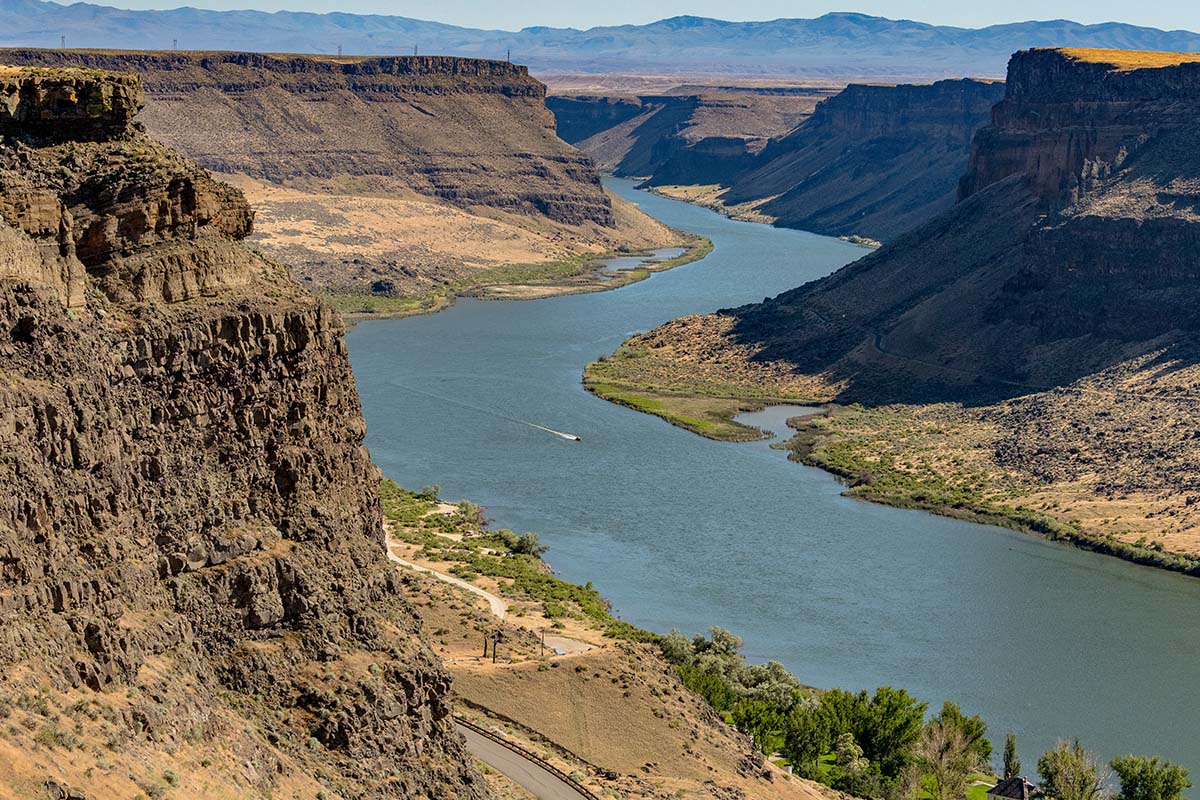
The Morley Nelson Snake River Birds of Prey National Conservation Area South Travel Management Plan closes 220 miles of routes, nearly half of the access routes into the area. BLM’s Boise District signed the Record of Decision, Environmental Assessment, and FONSI on February 23, 2024. We argue the plan is arbitrary and capricious under the Administrative Procedure Act and that BLM failed to take the “hard look” NEPA requires.
On the APA claim, BLM designated Route 37NCA109.099 single track because it said the route was too narrow for ATVs and UTVs, even though photos show a full-size vehicle has driven it for years. BLM also closed Wees Road, a key connector, and limited the routes that link open trails to the only places a trailer can park. On the NEPA claim, BLM kept its route report out of the public project record, so commenters couldn’t see the reasoning behind specific closures. Most of the 496 comments our members submitted are missing from the administrative record. The plan also exempts tribal members from its restrictions, yet BLM’s own staff recorded that the Tribe gave no feedback on it, so BLM never determined which routes the exemption covers.
Where it stands
The appeal is fully briefed and awaiting a decision from IBLA.
What’s next
We have asked IBLA to vacate the Record of Decision, the Environmental Assessment, and the FONSI. If IBLA does not, we will take our claims to federal court.
Ashton to Idaho Falls, IdahoFully Briefed
Upper Snake East Travel Management Plan
- Case
- BlueRibbon Coalition, Inc. v. Bureau of Land Management
- Court
- Interior Board of Land Appeals, U.S. Department of the Interior
- Case No.
- IBLA 2024-0207
- Filed
- 2024 (Statement of Standing and Statement of Reasons filed September 10, 2024)
Case summary
The case
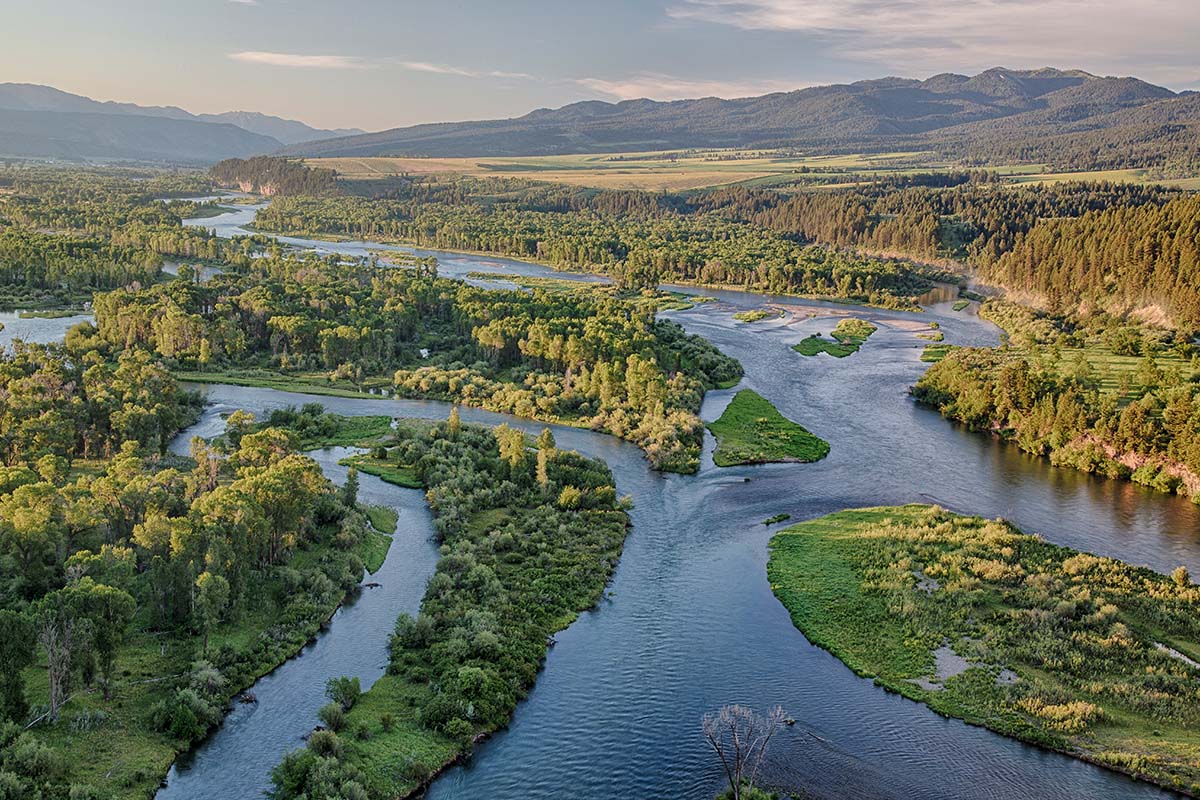
The Upper Snake East Travel Management Plan covers 126,378 acres of BLM land between Ashton and Idaho Falls. BLM reviewed about 783 miles of routes and closed 394 of them, more than half. Only 331 miles stay open, and 58 are open with limits. BLM’s Upper Snake Field Office signed the decision on May 31, 2024. We argue that the plan is arbitrary and capricious under the Administrative Procedure Act, that BLM failed to give the public input the consideration NEPA requires, and that the closures are unconstitutional because an Acting Field Manager made them.
The record shows BLM closing routes against its own findings. The Route Report for the June Creek connector, UE1552, designated it open in every alternative, yet the decision closed it. BLM justified closing the adjoining UE1553 by saying it frequently crosses a stream, but UE1552 is the only route that crosses it. The two culverts that carried that crossing were removed before the decision was signed, and the EA never mentions it. BLM closed the Heise Overlook route, UE1715, under a wilderness-suitability standard that doesn’t apply to its parcel. For UE2050, it acknowledged that the resource concerns could be mitigated, then analyzed no alternative that kept the route open. Our members at Snake River Off-Roaders commented on each of these routes and never got an answer.
Where it stands
The appeal is fully briefed and awaiting a decision from IBLA.
What’s next
We have asked IBLA to vacate the Record of Decision, the Environmental Assessment, and the FONSI. If IBLA does not, we will consider taking our claims to federal court.
North of Phoenix, ArizonaPending
Black Canyon Corridor
- Case
- BlueRibbon Coalition, Inc., et al. v. Bureau of Land Management
- Court
- Interior Board of Land Appeals, U.S. Department of the Interior
- Case No.
- IBLA 2023-0065
- Filed
- October 2022
Case summary
The case
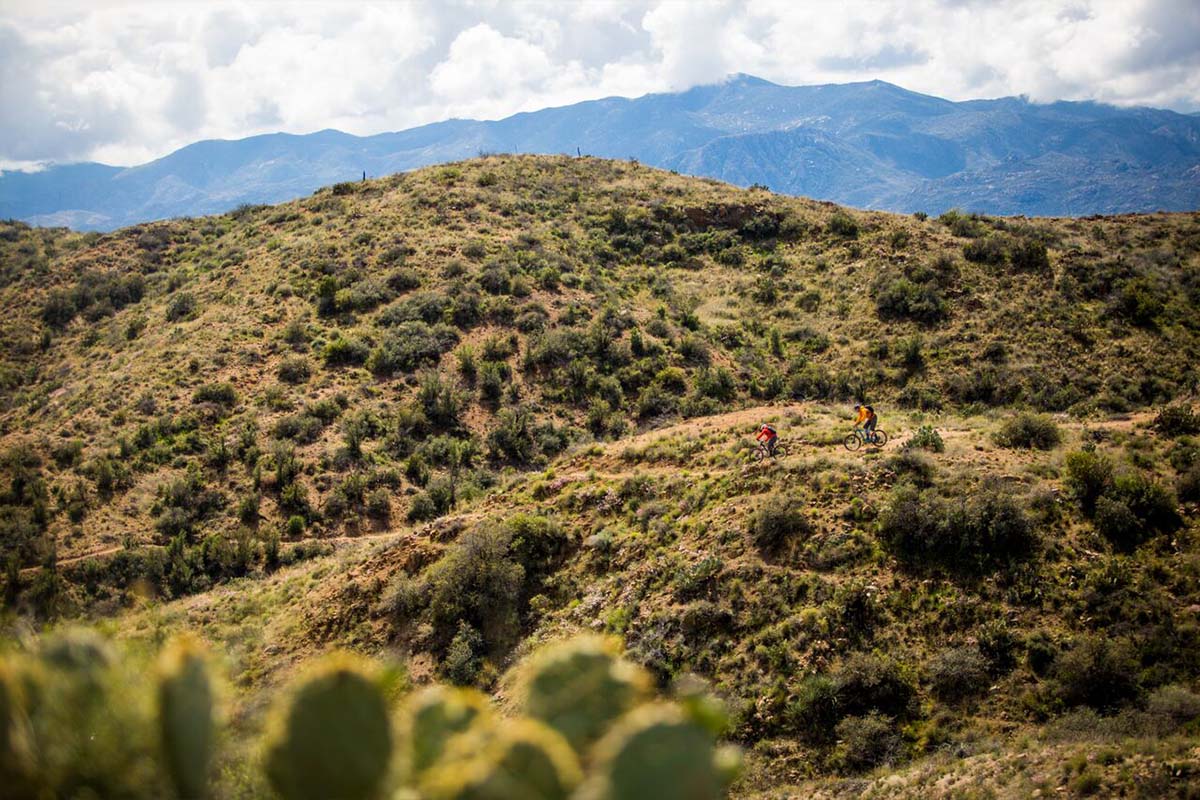
The Black Canyon Corridor Travel Management Plan covers three travel management areas totaling 166,165 acres north of Phoenix, including the communities of Black Canyon City, Dewey-Humboldt, Mayer, and New River. BLM’s Hassayampa Field Office closed 317 miles of routes, 58% of the network. The closures include the Taylor Canyon Overlook, along with dispersed camping sites, rock crawling routes, and access to active mining claims.
We joined the Arizona State Association of 4 Wheel Drive Clubs, the American Mining Rights Association, and Arizona Backcountry Explorers to appeal. We argue that BLM failed to take the hard look NEPA requires. In the route reports, BLM found that impacts on many closed routes could be reduced or mitigated, but it analyzed closure as the only tool. It never considered signing, gating, patrols, or rerouting. Public comments that identified mapping errors and access problems went unanswered. Closing routes that reach active mining claims erases the evidence R.S. 2477 rights depend on and burdens the people who earn a living there. The closures also cut off access for people with disabilities who can reach this country only by motor vehicle.
Where it stands
BLM first signed this plan in October 2021 and withdrew it after we prepared our appeal. It reissued the plan in September 2022, and we appealed again. The appeal is pending before IBLA, and we are waiting for a decision.
What’s next
We have asked IBLA to vacate the decision.
Filings are public records. Statements describe our claims and arguments; allegations are not findings until a court rules.
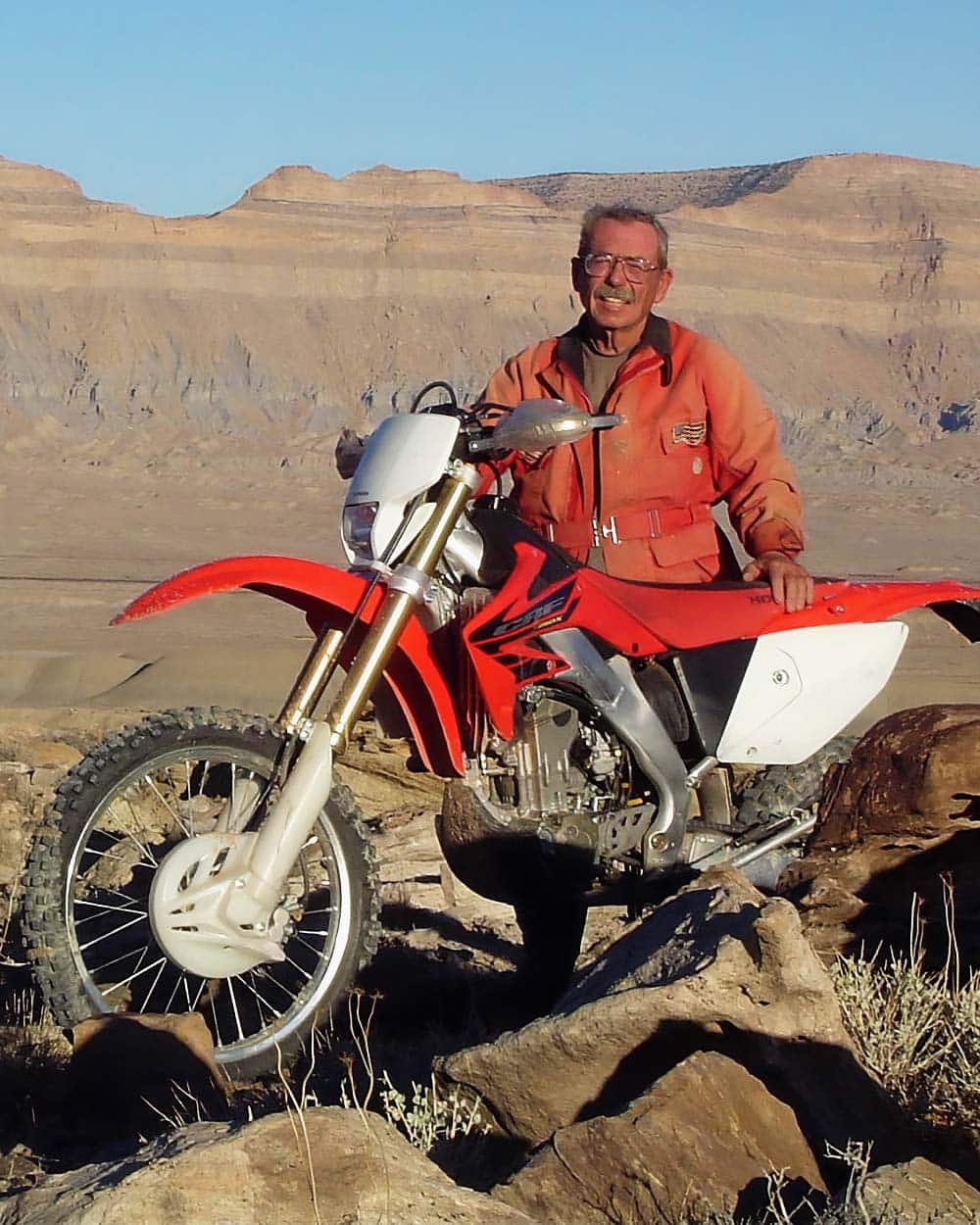
“At 92, he was still pulling the wagon that most of us just ride in.”Alan Peterson, friend and fellow dirt biker
§ 7 Our Namesake
Named after the Man Who Pulled the Wagon
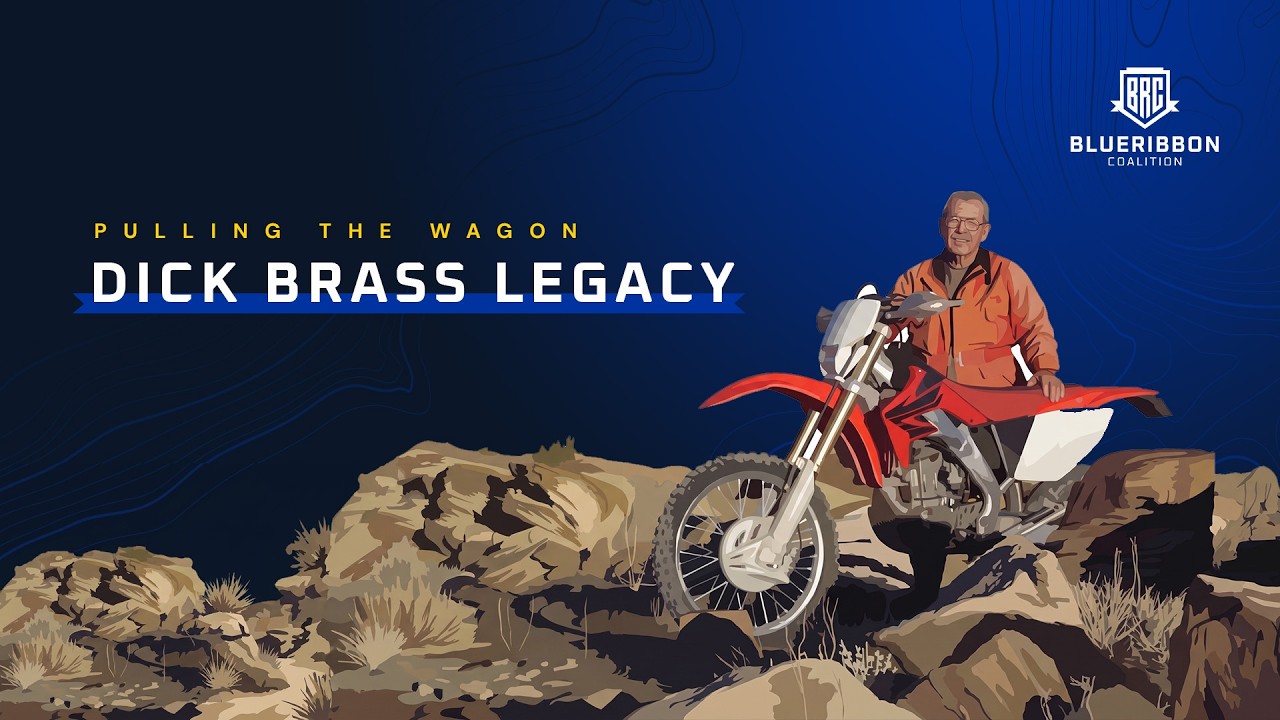
Richard “Dick” Brass was an MIT-trained engineer who worked on the Apollo space program. He chose to spend his life in the San Rafael Swell. He found it on a dirt bike, saw that it had everything he loved, except motorcycle trails, and spent the next 45 years building them. He drove from Montana on weekends to do trail work.
In 1985 he signed the first cooperative management agreement with the Bureau of Land Management for the trails near Temple Mountain. People come from all over the world to ride Brass’ 5 Miles of Hell. He set flagstone into the turns by hand so they would not wash out. When the BLM wanted to name the trail system after him, he would not allow it. When friends asked what they could do to help him, he said, “Just enjoy the trails.” Dick Brass was still doing trail work at 92. In the last months of his life, he named BlueRibbon Coalition as the beneficiary of his estate so the fight for those trails would outlast him. That gift built the Legal Center, and it now carries the name BLM wanted to use for the San Rafael trail system. Brass spent his life pulling the wagon. Now it is our turn.
§ 8 Our Commitment
Our Promise to You
We will fight for your access.
In the big cases and the small ones, in every court where the trails are at stake.
We will tell you the truth.
We will be transparent about what is happening, what our cases can do, and how our work is making a difference.
We will hold ourselves to Dick Brass’ standard.
We will pursue a level of rigor and excellence that would make Dick Brass proud.
Report
Is Your Trail Under Threat?
Tell us about closures, new travel plans, gated access, or lawsuits affecting the places you ride and camp. Local clubs and riders are often the first to know. Your report helps us decide where to engage and how fast.
Submitting a report does not create an attorney-client relationship. We review every report and will contact you if we can help.
Updates
Follow the Docket
Get case updates when we file, when courts rule, and when your voice is needed. What happened, what it means for access, and what happens next.
Support
Take Your Turn Pulling the Wagon
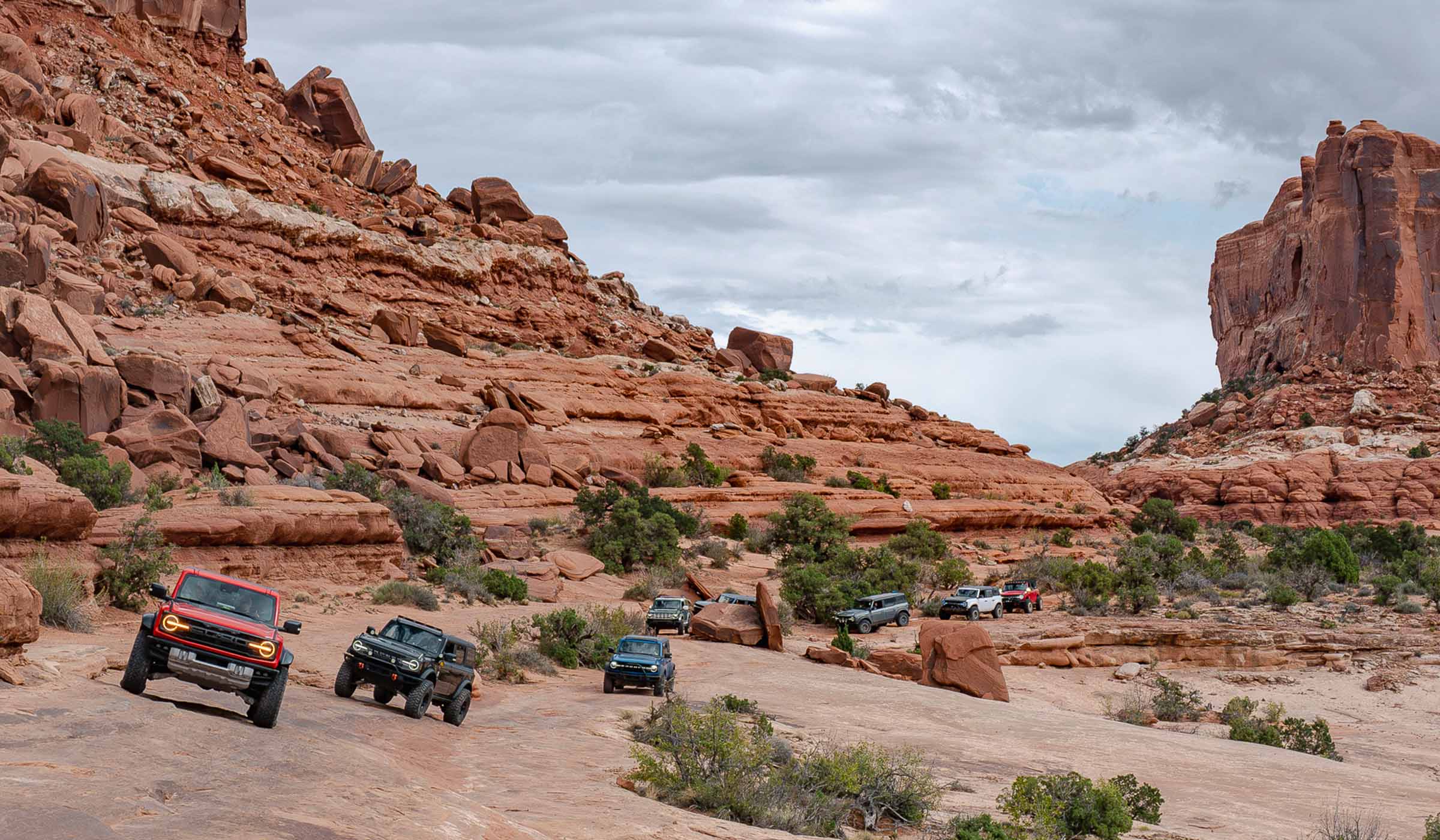
Dick Brass gave the Legal Center its start. Your support keeps it in court. We represent our co-clients at no cost. Every gift funds attorneys, filings, expert analysis, and the long work of seeing each case to the end.