SAVE THE OREGON DUNES
BRC Joins the Fight for the Oregon Dunes
BlueRibbon Coalition has formally entered the lawsuit over off-highway vehicle use in the Oregon Dunes National Recreation Area, bringing our legal team and our financial resources to bear on behalf of Save the Riders Dunes. Here is who is standing on each side of this, because the matchup is the reason we did it.
And for a limited time, our friends in the Pacific Northwest Four Wheel Drive Association are matching all donations, dollar for dollar, up to $6,000! Donate $50 and our fight will receive $100.
The Matchup
Look at Who Is on Each Side
BlueRibbon Coalition has formally entered the lawsuit over off-highway vehicle use in the Oregon Dunes National Recreation Area, bringing our legal team and our financial resources to bear on behalf of Save the Riders Dunes. The matchup is the reason we did it.
Save the Riders Dunes
A local volunteer organization. People with day jobs who love that coast and who have carried this case largely on their own.
Center for Biological Diversity
A national litigation operation with full-time attorneys, a nationwide donor base, and a long habit of using the Endangered Species Act to pull public land out from under the people who use it.
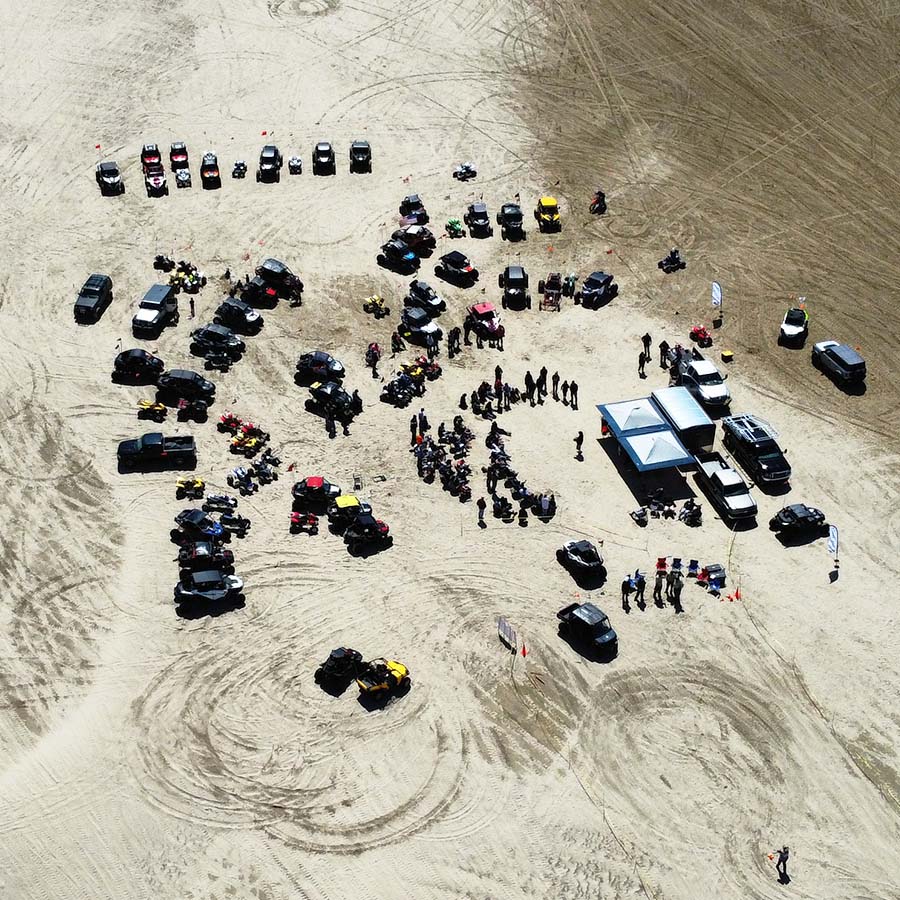
In June 2024 the Center sued the U.S. Forest Service over the Dunes, arguing that OHV activity expanded and that large riding events were permitted without adequate weight given to the coastal marten and its critical habitat. In 2024 the Fish and Wildlife Service designated nearly the entire recreation area as that habitat. The population figure driving all of it is a 2020 estimate of 71 martens in two isolated pockets of the dunes.
The Record
What the Center for Biological Diversity Will Not Tell You
01
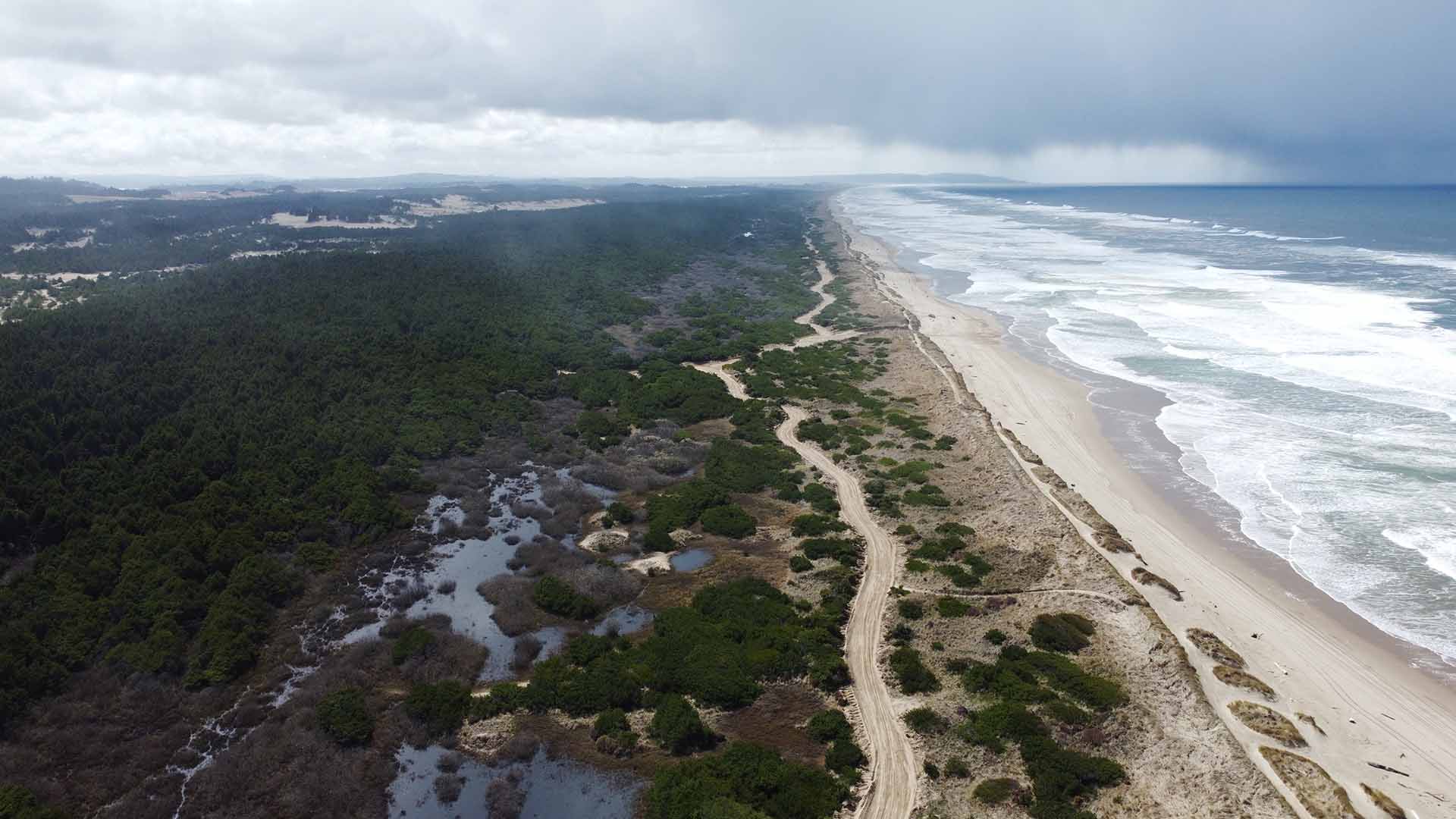
Riders reach only about 19% of the Dunes.
The other 81 percent is closed to them. This case is about narrowing what is left, not about opening anything new.
02
Martens live in dense vegetation. Riders use open sand.
The cover the coastal marten actually occupies is not the ground riders ride. The designation covers nearly the entire recreation area anyway.
03
No study ties OHV use to marten decline.
The science is nowhere near as settled as the Center's press releases suggest. A 2020 estimate of 71 animals is carrying the weight of the entire case.
04
Riders have cleared more than 45 acres of invasive vegetation.
Save the Riders Dunes volunteers did that work. The people this lawsuit targets are the ones who have put the most into the resource.
The Precedent
If You Want to See How This Playbook Ends, Look at the Mojave
Same plaintiff. Same statute. A tortoise instead of a marten.
In Center for Biological Diversity v. Culver, the Center challenged the BLM's route network in California's Western Mojave, the WEMO plan, on behalf of the desert tortoise and its critical habitat. On January 23, 2026, Judge Susan Illston vacated the 2019 plan and imposed closures across tortoise habitat.
Roughly 2,200 miles closed beyond what the adopted plan called for, ordered by a court rather than chosen through the public process riders spent years participating in. That is the expensive lesson of the Mojave. When the federal government is the only defendant in the room, riders can end up with closures decided by parties who answer to no one who rides. It is the same mechanism now aimed at the Oregon Dunes, with the coastal marten cast in the role the tortoise played in the Mojave.
The Stakes
This Does Not Stop at the Oregon Coast
If the Center wins here, the precedent travels. A ruling that riding events inside designated critical habitat require a new layer of federal permitting would reach every riding area in the country that shares ground with a listed species, and that is most of them. The Dunes are the test case. The rest of the map is what comes after.
How You Put Weight Behind It
We Cannot Out-Fund Them. We Can Go the Distance.
By joining this case we put our legal team and additional resources alongside Save the Riders Dunes. We do not out-fund the Center for Biological Diversity. Few organizations do. What we can do is stay in this case until it is finished, and staying in costs money.
If everyone who rides the dunes puts in a small amount, this defense has what it needs.
Your gift doubles. Pacific Northwest Four Wheel Drive Association is matching every donation dollar for dollar, up to $6,000. Give $50 and the defense receives $100.
About BlueRibbon Coalition
Since 1987, the BlueRibbon Coalition (BRC) has fought to preserve recreation access to America’s public lands. Serving members in all 50 states, BRC is a 501(c)(3) nonprofit driven by grassroots energy. We work across all outdoor recreation sectors—4x4, ATV, snowmobiling, dirt bike, UTV, watercraft, e‑bikes, and more—to ensure every adventure is possible .
We’re among the few national groups with a storied history of defending access in court—including a U.S. Supreme Court victory— to preserve recreation on public lands.
Every dollar and membership helps us:
- Investigate and research public land policy & proposals
- Fund lawsuits and legal defense
- Rally grassroots action and cultivate advocates
- Ensure strong representation in rule-making and planning
- Expand trails, dispersed camping, and overall access
Our work is ongoing and encompassing. We’re currently involved in other initiatives, including:
- Challenging route closures in San Rafael Swell
- Challenging route in closures Chuckwalla, California
- Advocating accessibility via the Outdoor Americans with Disabilities Act