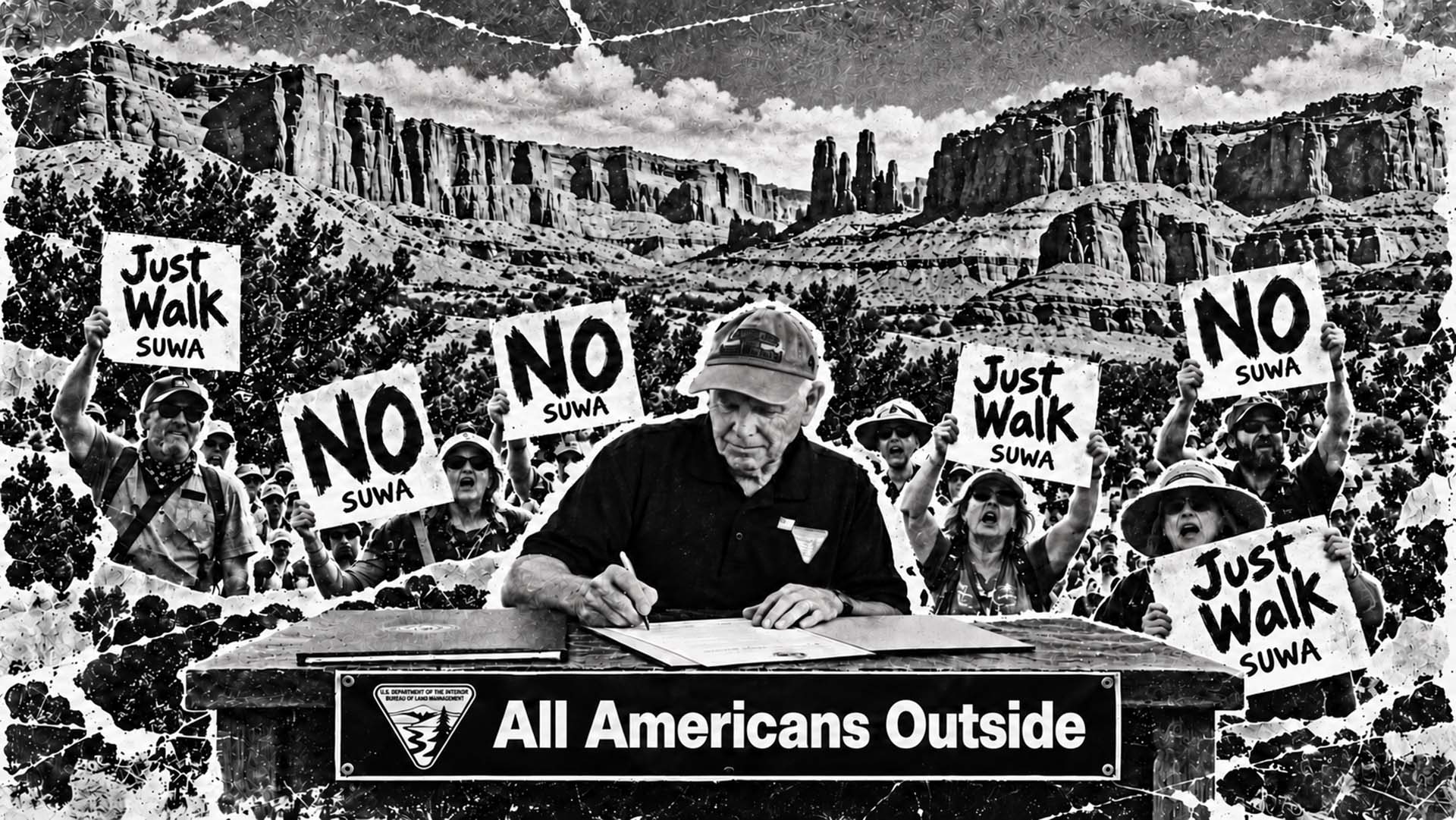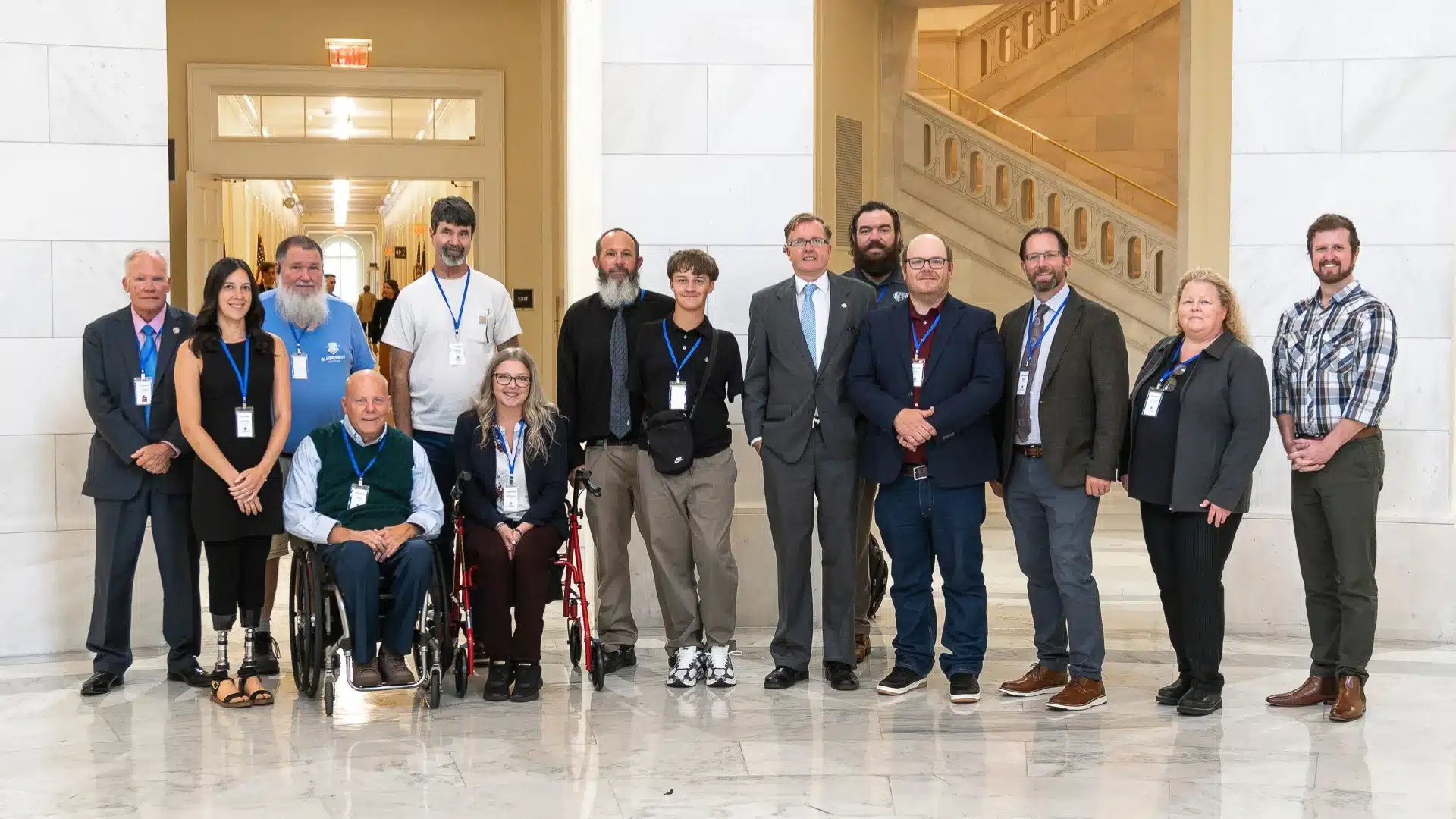
On August 18, 2026, USDA filed a draft environmental impact statement and proposed rule to rescind the 2001 Roadless Rule, opening a new public comment period that closes on September 21, 2026. This is the step BlueRibbon Coalition has been building toward for the past 25 years. In 2025, our members sent thousands of comments in support of rescinding the rule.
What's Being Proposed
The proposed rule would eliminate the national Roadless Rule designation across roughly 44.7 million acres of National Forest System land in ten western states, returning road-construction and timber-management decisions to local forest managers under Forest-level land management plans rather than a one-size-fits-all restriction written in Washington, D.C. Colorado and Idaho's own state-specific roadless rules are unaffected and will remain in place.
Secretary Rollins framed the move plainly: outdated restrictions have kept tens of millions of forested acres off-limits to the treatments that improve forest health. USDA's own numbers back that up — more than 40% of inventoried roadless areas carry high wildfire hazard potential, yet only 5% have received any hazardous-fuels treatment since 2014.
BRC has fought the Roadless Rule since we filed suit against it in January 2001. The numbers haven't gotten better in the 25 years since:
- 28 million of the roughly 59 million acres locked up by the rule face high or very high wildfire risk.
- 36 million forest acres have burned since the rule took effect in 2001.
- The 2026 fire season is already running at roughly 195% of the 10-year average burn rate.
A rule that was sold as conservation has instead left millions of acres unmanaged, unreachable, and increasingly unburnable by anything except wildfire. Rescinding it doesn't eliminate wilderness areas or existing conservation designations — it just removes the blanket restriction and lets forest-level plans, the ones written with local input, make the call on roads, thinning, and access.
We're also still pushing Congress to pass H.R. 7695 and S. 140, which would repeal the Roadless Rule permanently and bar any future rule that's substantially similar. An administrative rescission is real progress, but it can be undone by the next administration. Only an act of Congress locks it in for good — so the comment period and the legislative push are both worth your attention right now. You can read our latest post on facts vs. fiction regarding the Roadless Rule & what it means for riders here.
Submit Your Comment Before October 6
Add your voice with our form below and it will be sent to your state representatives and to the USDA/Forest Service. This gives us an independent record we can use if this ends up in court. Tell them how you use roads on National Forest land, whether for hunting, riding, camping, overlanding, or reaching a trailhead. Tell them whether a closure has already cut off access you used to have. Tell them what active forest management, done right, would mean to you and your community.
Setting the Record Straight
Every time this rulemaking moves forward, the same handful of myths resurface. Here's where we stand on each.
Myth: More roads mean more wildfires. Roads are firefighting infrastructure, not fire starters. They're what let crews reach a fire before it becomes a 100,000-acre disaster, and they're what make mechanical fuel treatments and prescribed burns logistically possible in the first place. Locking up access hasn't reduced fire risk — it's concentrated it.
Myth: This is just a giveaway to logging and mining, and recreation access doesn't factor in. Reopening these acres restores camping, overlanding, and OHV access alongside any timber or mineral activity — it isn't either/or. And access isn't just a convenience issue: families, older recreationists, hunters, anglers, and people with disabilities depend on maintained roads to reach public land at all. A rule that only accommodates people fit enough to hike miles into the backcountry isn't neutral; it's exclusionary by design.
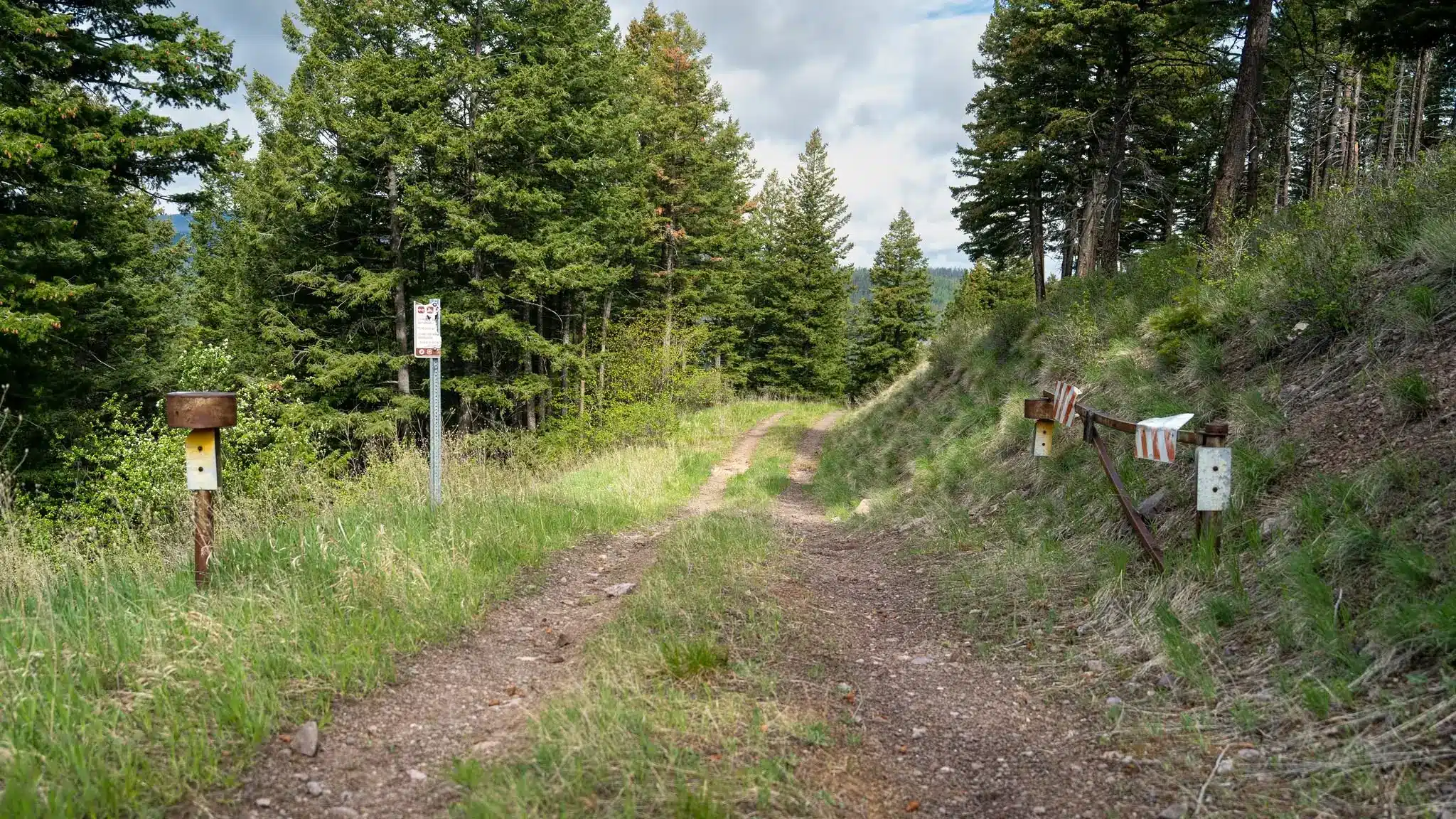
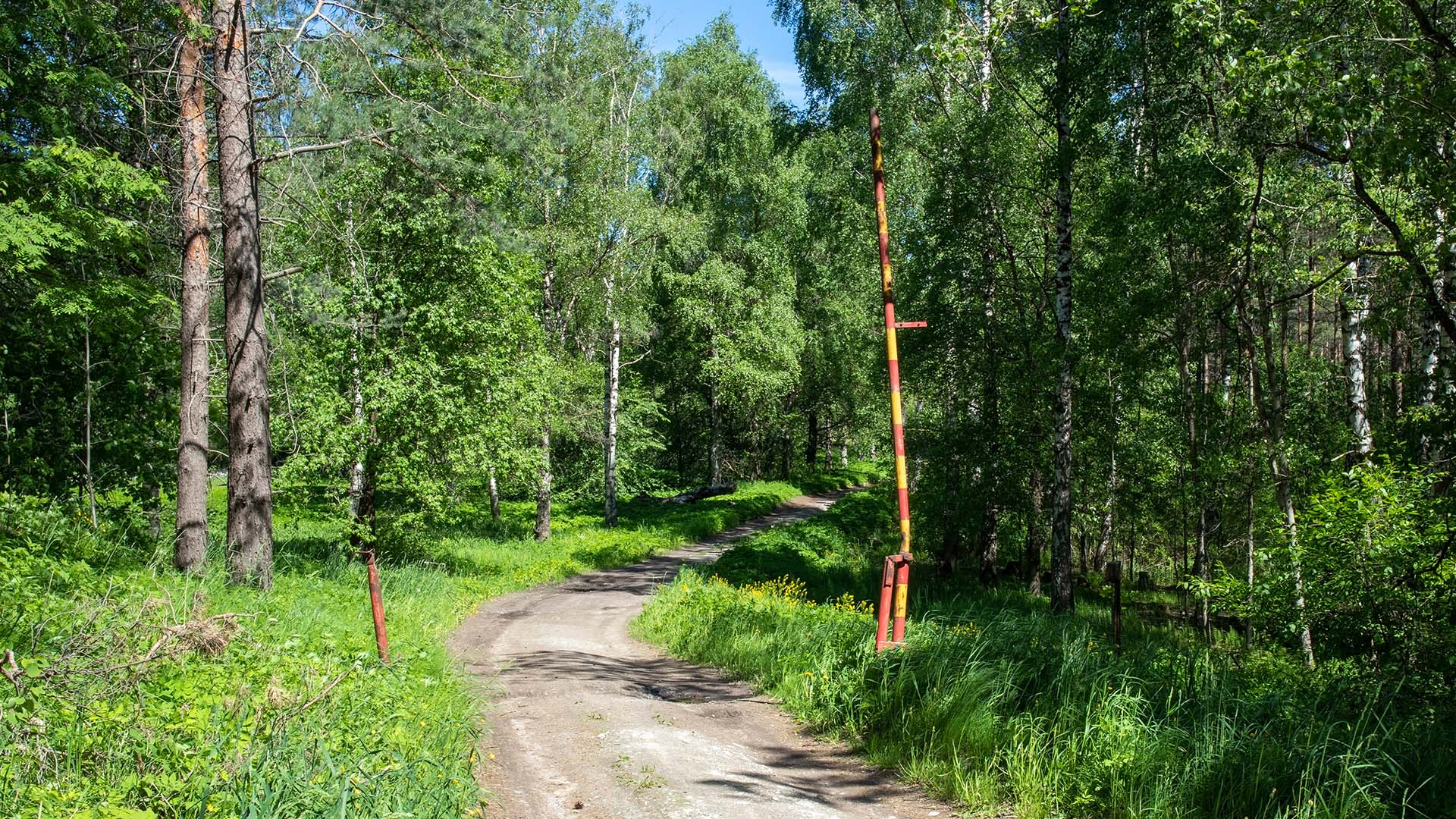
Myth: Rescinding the rule means clearcutting pristine, untouched forest. Forest Service roads in these areas look like unpaved forest roads and two-tracks, not new highways, and rescission doesn't hand every acre over to industrial logging. It hands the decision back to forest-level plans, where thinning and salvage logging can be used the way they're supposed to be — to reduce fuel loads and restore forest health, not to strip land bare.
Myth: This will devastate water quality. Opponents have raised this concern again with this latest announcement, and it's worth taking seriously enough to look at the actual mechanism: the rule doesn't remove environmental review or road-design standards, and unmanaged roadless areas with backlogged maintenance and unchecked fuel buildup carry their own runoff and erosion risks after a severe fire. Active management paired with modern road standards is not the water-quality threat this myth assumes.
Our Fight Isn't Over
We expect this rule to draw legal challenges the moment it's finalized, the same as it has at every step since 2001. That's exactly why the comment record built right now is so important — it's part of what holds up under judicial review later. Submit your comment, share this with anyone in your riding, hunting, camping crew or anyone who owns a home and would love to see their insurance costs decrease because of the ever increasing of rates due to wildfires destroying so many homes.