On August 18, 2026, the USDA and the Forest Service filed a draft environmental impact statement and a proposed rule to rescind the 2001 Roadless Rule across roughly 44.7 million acres in ten western states. The public comment period is open now and closes at midnight on September 21. We've been discussing this in-depth for over a year now as we reviewed BlueRibbon Coalition's 25-year fight to rescind the rule.
Not surprisingly, the groups arguing to keep it are showing you pretty pictures but not telling you the full picture. They lead with a beautiful photograph of a forest. They quote the one line of a study that helps them and hide the rest, even when it is a study they funded themselves. They wrap the whole thing in words engineered to make it sound like leaving a forest to burn is protecting it. Here is how their tricks work, and what is actually true underneath it.
Submit Your Roadless Rule Comments here »
The (not so) pretty picture
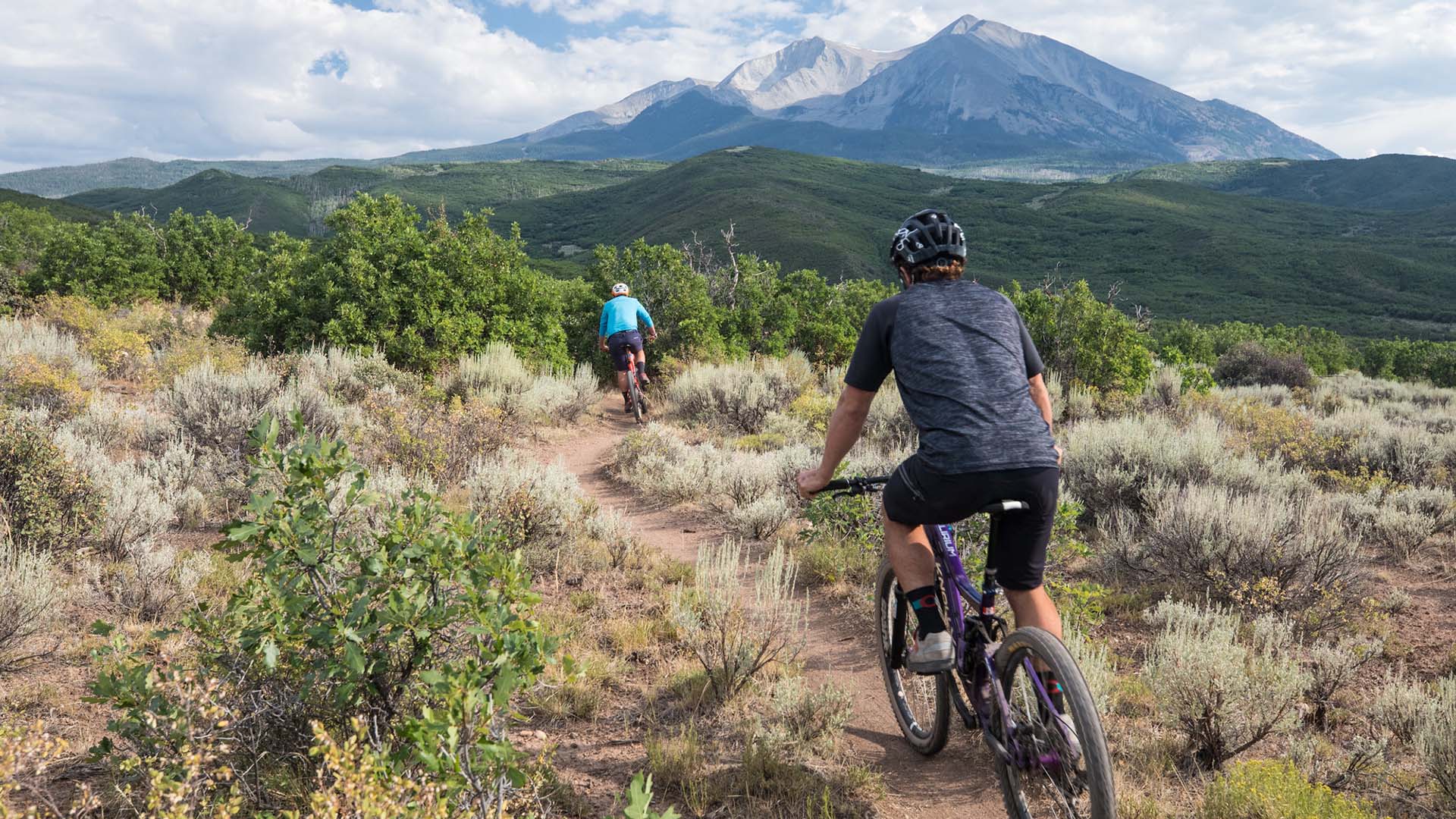
Open any campaign to save the Roadless Rule and the first thing you see is a lush, green, untouched forest under a blue sky. That image is the argument. It says: this is what we are protecting, and anyone who touches it is the enemy.
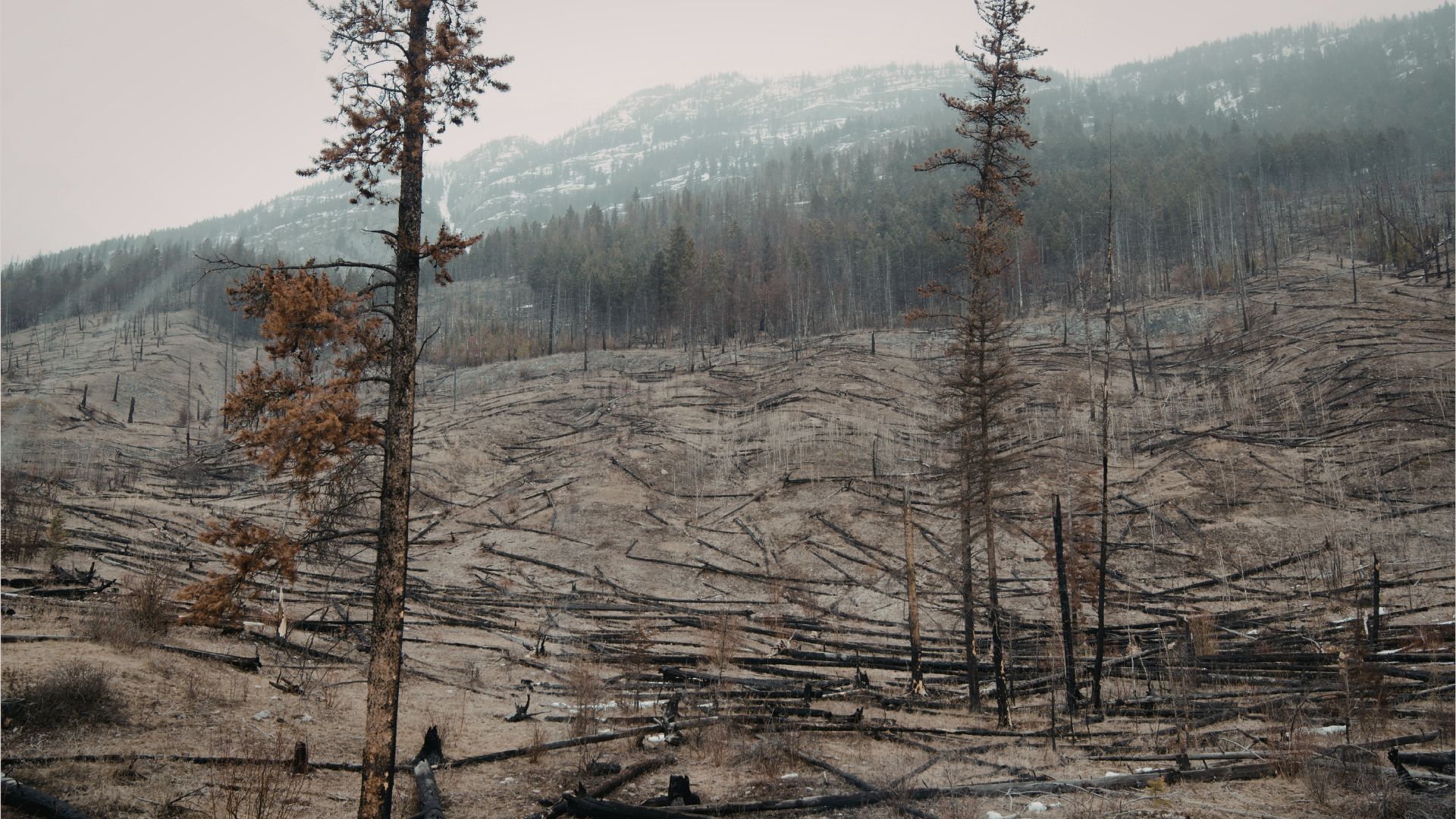
Here is the photograph they leave out. It's a Wyoming forest under the Roadless Rule. It is a hillside of gray, standing-dead trees, beetle-killed, the kind that used to be a green forest before bureaucratic rules stopped the Forest Service from doing its job. This is what a forest looks like when no one is allowed to manage it.
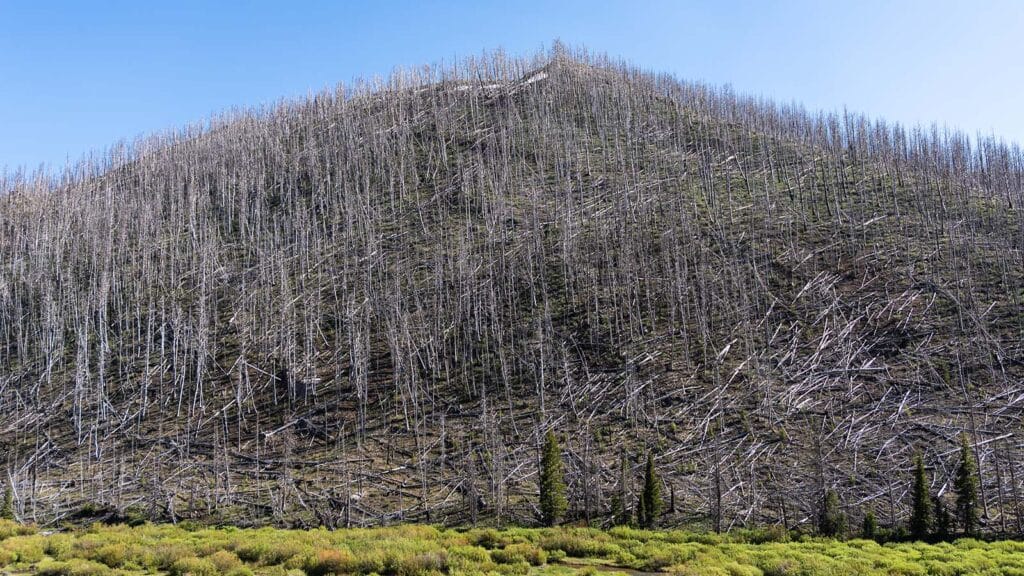
The numbers behind this photo are the agency's own. More than 40 percent of inventoried roadless areas carry high or very high wildfire hazard, and only about 5 percent of those acres have had any hazardous-fuels treatment in the last decade. Roughly 36 million forest acres have burned since the rule took effect in 2001. The green picture is what they promise. The gray one is what a locked-up forest increasingly becomes.
The cherry-picked data
When they reach for evidence, watch which sentence they quote and which one they skip.
The paper environmental groups lean on most this year was funded and published by the Wilderness Society itself. They cite its finding that most fires start near roads, and that part is real. In the paper's own words, "The highest wildfire-ignition density was in lands within 50 meters of roads (7.4 fires/1,000 ha)." Then read the next line in the same report:
"Mean fire size varied by where the fire started: it was greatest in wilderness areas (238 ha), followed by roaded lands outside the 100-m buffer (180 ha), Inventoried Roadless Areas (135 ha), and lands within the 100-m road buffer (49 ha)"
The average fire that starts in Wilderness is close to five times bigger than the average fire that starts near a road. Wilderness has far fewer roads and far less wildfire mitigation than roadless areas. Yet even fires that start in roadless areas are still about three times bigger than one that starts near a road. All of this according to The Wilderness Society's own researchers.
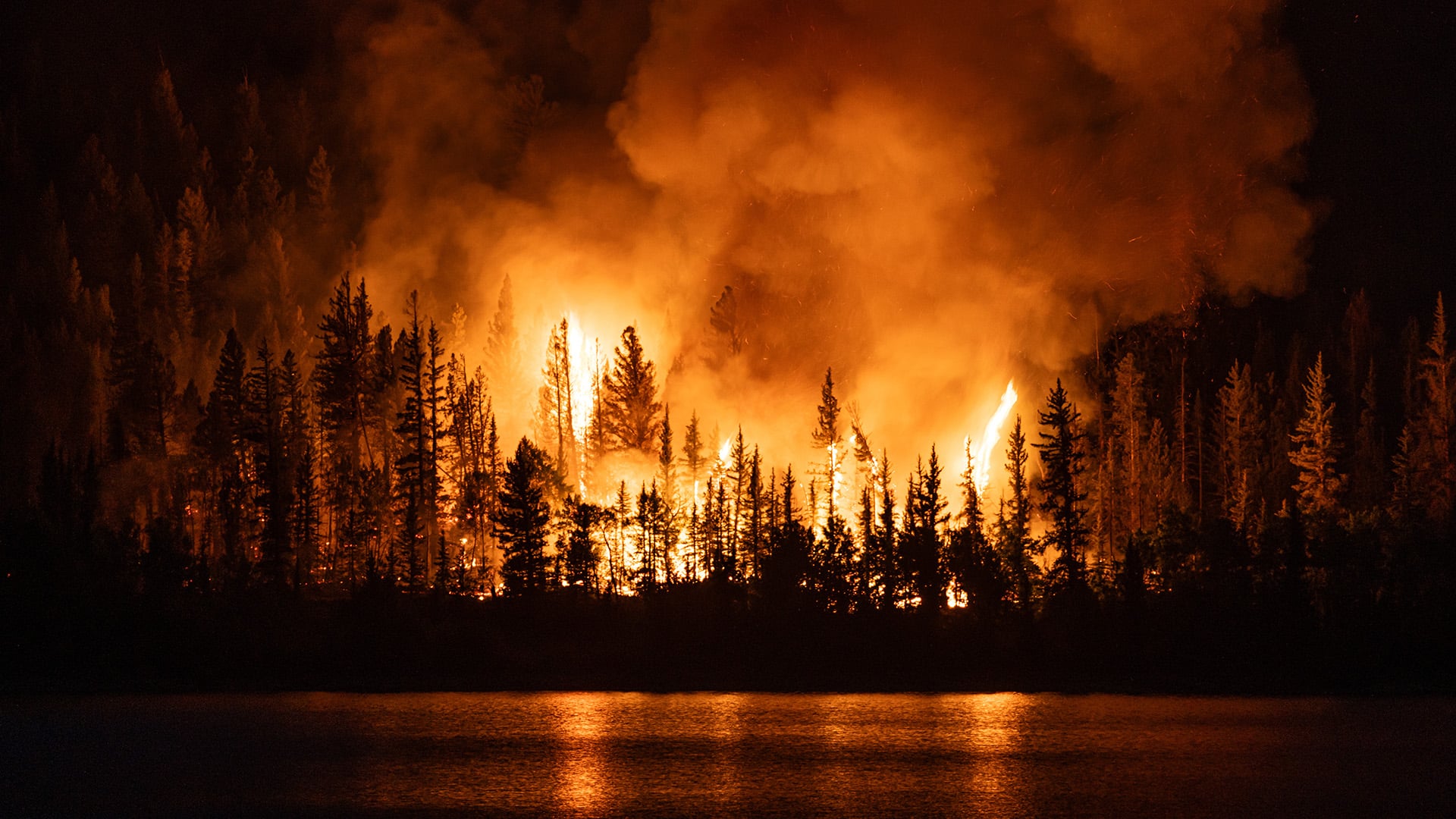
A fire that starts where a crew can drive to gets caught while it is small. A fire that starts miles past the last road grows before anyone can reach it. The Congressional Budget Office found the same pattern on the ground: about 14 percent of wildfires start in remote, inaccessible country, and those fires account for 59 percent of all the acreage that burns. Their study measured where fires start. It is access that decides how big they get.
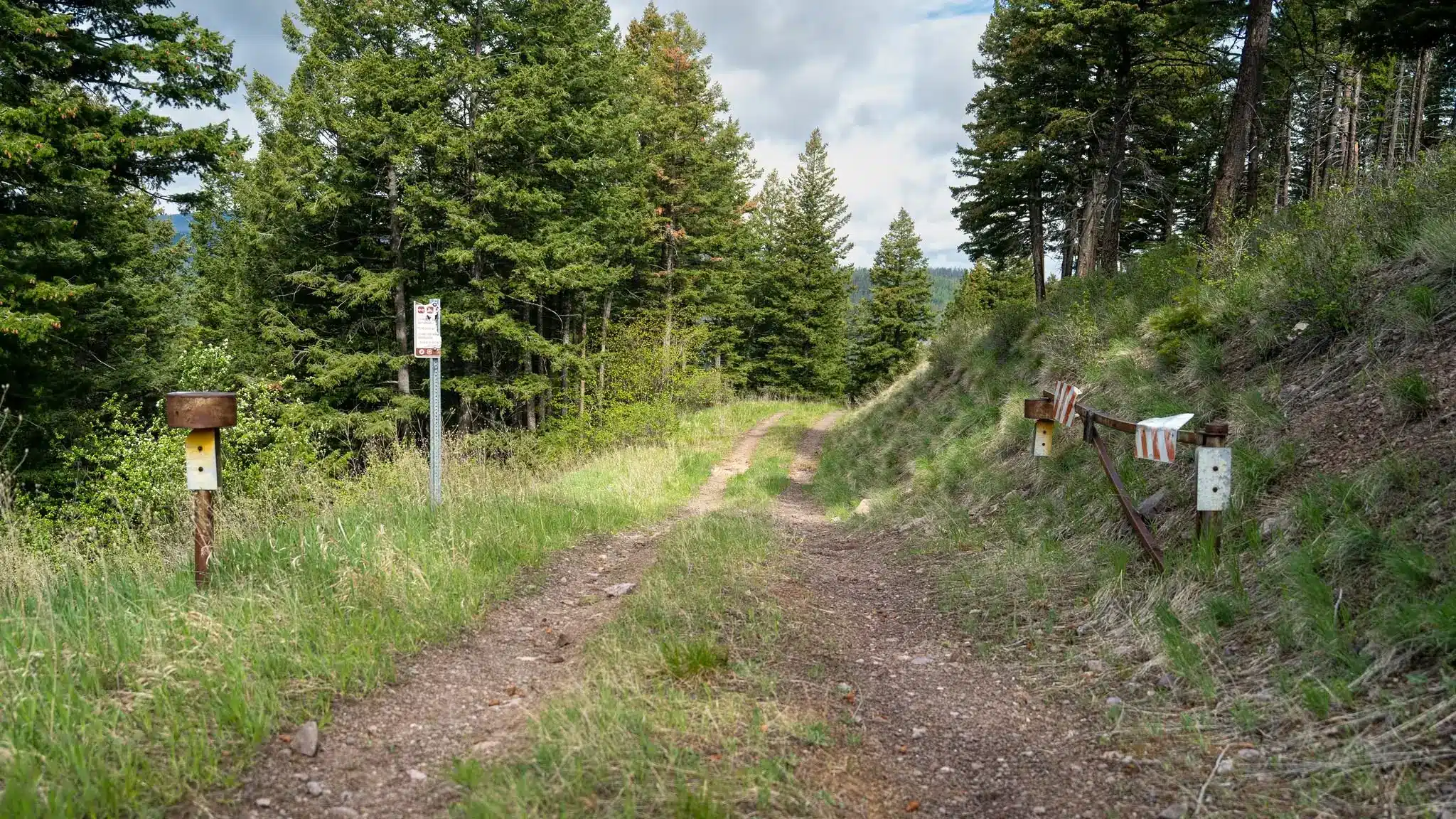
One thing to be clear about: The roads that make that difference are not the paved highways their graphics imply. They are dirt two-tracks and fire-access roads, the kind of routes our community loves to ride. More on that below...
A second study, out of Oregon State University, gets used the same way. They quote its word "resilient" and skip the rest. Its researchers found that roadless national forests "burn more often and at a slightly higher severity than national forests with roads," and that "roughly one-third of the roadless landscape experienced fire, while less than one-fifth of the 'roaded' lands did." Their own data shows roadless forests burning more, and then they call the result "resilience."
The other study opponents lean on gets called a "Forest Service study," which makes it sound like the agency's official position. It is not. It is a 2020 paper by a single Forest Service researcher, and the paper itself says its conclusions are the author's own, not official Forest Service or USDA policy. The claim they pull from it is that roads are not needed to keep a forest healthy. Here is what it actually did: it took every roadless acre in the country, from soggy coastal forest to bone-dry, overgrown timber, and averaged them all together into one national number. On that all-in-one average, forests with and without roads burned at about the same overall rate over thirty years, actually a touch higher inside the roadless areas. In the paper's own words, "recorded fires cumulatively covered 19.0% of forests in the current roadless areas, compared to 17.7% of all other NFS forest cover." That near-tie is what they point to.
Now look at two more numbers from the same paper. Acre for acre, the worst, hottest fires, the kind that kill a forest and everything living in it, hit roadless land at a higher rate: 5 percent of roadless forest burned that way versus 3 percent of the forest with roads. And that 5 percent is a nationwide average that blends in wet coastal forests that barely burn. In the dry, overgrown stands this fight is actually about, the real rate runs higher than the average shows. Put plainly, any single acre of this "protected" roadless land was more likely to burn severely than an acre of managed forest with roads. Roadless areas make up about a fifth of the forest, but they got less than a tenth of the acres that were actually treated. The paper's own numbers show the roadless areas burning hotter and receiving less wildfire mitigation. And its tidy national average hides the real blow.
We lay out each of these studies and numbers in full in our five-part series linked from our Roadless Rule page.
The clever phrases
The words are chosen as carefully as the photos. Five of these words are doing most of the work.
"Protection." Protected from what? From the crews who thin deadwood, build fuel breaks, and stop a fire at ten acres instead of ten thousand. A policy that keeps managers out and leaves a forest to burn is not protecting that forest. It is neglecting it.
"A spiderweb of new paved roads." This is the image they want in your head, a wild forest about to be carved up by highways. It is not what happens. The routes at issue are dirt two-tracks and fire-access roads, most of which already exist on the ground. Rescission lets the Forest Service reopen and maintain those routes and add service roads where fire and forest health require them. Some of your favorite trails are Forest Service roads.
"Pristine, roadless wilderness." Rescinding the rule does not touch a single acre of designated wilderness. That land is protected by an act of Congress and stays exactly as it is. Roadless is not the same as wilderness. Most of these acres are ordinary multiple-use national forest and already have the roads on them— they were just closed in order to call it "roadless."
"A giveaway to loggers and industry." The proposed rule orders no logging and builds no highways. It removes a blanket national ban and returns the decision to each forest's own management plan, with environmental review and road-design standards fully in place. Where thinning or salvage happens, it happens the way it is supposed to, to cut fuel loads and restore forest health, decided locally and case by case.
"Resilience." This is the one to watch closest. When a group calls a forest that burns more often and more severely "resilient," they are using a single word to turn a loss into a feature. Catastrophic fire is not resilience, and it is not close. In the two years after a severe burn, a study of more than 500 western watersheds recorded turbidity spikes of roughly 4,420 percent and suspended sediment up by 254 percent, with elevated levels lasting at least eight years and likely far longer. That is the drinking water for downstream towns, the spawning gravel for fish, the soil that holds a hillside together, and the fishing and recreation economy that depends on all of it. A green forest that is thinned and reachable protects those things. A megafire with no roads destroys them.

The budget excuse
When the studies fail, the last argument is money: the Forest Service is too broke and too gutted to manage more forest, so leave the rule in place. First, both of those points are wrong. Second, even if they were true, making the broke and gutted Forest Service’s work more difficult is not the solution. Let’s jump into these:
For 2026, Congress rejected the proposed 1.4-billion-dollar cut to the Forest Service's non-fire budget and funded hazardous-fuels work at 177 million dollars. The budget is on par with previous years. The money to manage these forests is there.
On staffing, the agency's own chief tells a different story than the headlines do. Forest Service Chief Tom Schultz has said the agency now employs roughly 30,000 people, and that current staffing matches its 2018 level. The larger workforce critics point back to was a temporary bulge funded by one-time pandemic-era spending, and the agency's base budget never grew enough to sustain it. Most of last year's reduction, about 6,500 positions, came through a voluntary resignation program, not a forced gutting. The Forest Service is managing these forests today with roughly the crew and the budget it had in 2018, and it managed them then. A leaner agency is a reason to give managers more flexibility to prioritize the roads and treatments that matter, not a reason to keep a national rule that forbids them from acting at all.
There is a real road-maintenance backlog, roughly 5 billion dollars across some 380,000 miles of road. It is not a reason to keep this rule. Rescission does not order the agency to maintain every mile. It lets managers decide road by road which routes to keep open, which to improve for fire access, and which to close, instead of a national rule that forbids the decision. It is also worth remembering how the maintenance capacity disappeared.
The same litigation that drove the Roadless Rule collapsed the timber programs and the private contractors that once maintained many of these roads at a fraction of agency cost. The rule does not save a strained agency money. It strips away its cheapest tools and its partners. Where the agency is stretched thin, the answer is to give it back those tools and to stop the fires that actually break its budget.
Catastrophic wildfire is not only an ecological disaster. It is an economic one. Researchers now put the cost of wildfire to the United States at somewhere between 185 and 540 billion dollars a year. And prevention pays for itself several times over. A 2026 study published in Science, one of the most prestigious scientific journals in the country, found that forest fuel treatments returned about 3.75 dollars in avoided damage for every dollar spent, preventing an estimated 2.8 billion dollars in damage across the area studied. Locking managers out of the forest does not save money. It runs up the bill, and someone always pays for it: in taxes, in destroyed communities, and in fouled water. Preventing megafires through active management is the fiscally responsible path. We work through the maintenance and budget question in detail in our debunking series.
What rescission actually does (and doesn't do)
Strip away the photos and the phrasing and the change is straightforward. The rule takes decisions about roads and management away from one national restriction written in Washington and hands them back to the local Forest Service, working under forest-level plans built with local input. Designated wilderness stays wilderness. Environmental review stays in place. No road is mandated and no tree is ordered cut.
That local control serves three things at once. It serves forest health, because managers can finally treat the fuel where the hazard actually is. It serves the rural economies built around these forests, the gateway towns, the outfitters and guides, the county access and the working families whose livelihoods run through the forest gate. And it serves access, because the same roads that let a fire crew in are the roads that let a hunter, an older rider, or a family who cannot hike ten miles into the backcountry reach the public land they’ve explored for generations before the Rule.
Real progress, but not permanent yet
It is worth remembering how this rule was born. The Clinton administration finalized the Roadless Rule on January 12, 2001, eight days before leaving office, one of the last acts of a departing presidency. In a single stroke, an outgoing administration locked up 58.5 million acres of national forest, and the rule was tied up in federal court within months. Twenty-five years later we are still governed by a decision made in the final days of a presidency.
An administrative rescission is a real win, but the next administration can undo it as easily as this one wrote it. That is why BRC is also backing H.R. 7695 and S. 140, which would repeal the Roadless Rule permanently and block any future rule that is substantially the same. We break that fight down in our coverage here.
Comment before September 21
Those who support the continued mismanagement of our forests are going to make a big deal about swamping the agency with comments from those who bought into their misinformation. Everyone who enjoys recreating in healthy forests needs to add their voice.
Submit a comment through BRC's action page here. This gives us an independent record we can use if this ends up in court. Tell them how you use roads on National Forest land, whether for hunting, riding, camping, overlanding, or reaching a trailhead. Tell them whether a closure has already cut off access you used to have. Tell them what active forest management, done right, would mean where you ride.
Then send this to the people in your riding, hunting, and camping crews who have not heard the deadline is coming. We expect this rule to draw lawsuits the day it is finalized, the same as it has at every step since 2001, and the record built before September 21 is part of what holds up when that day comes. Keep an eye on our Roadless Rule page for updates.