FOR IMMEDIATE RELEASE
POCATELLO, Idaho, Nov. 18, 2026 – BlueRibbon Coalition (BRC) and Wyoming resident Joshua Smunk, represented by the Texas Public Policy Foundation (TPPF), have filed a federal lawsuit challenging the U.S. Forest Service’s enforcement of restrictions that prohibit monetizing video filmed in federally designated wilderness areas. The complaint, filed in the U.S. District Court for the District of Wyoming, argues that the restrictions violate the First Amendment and exceed the agency’s statutory authority.
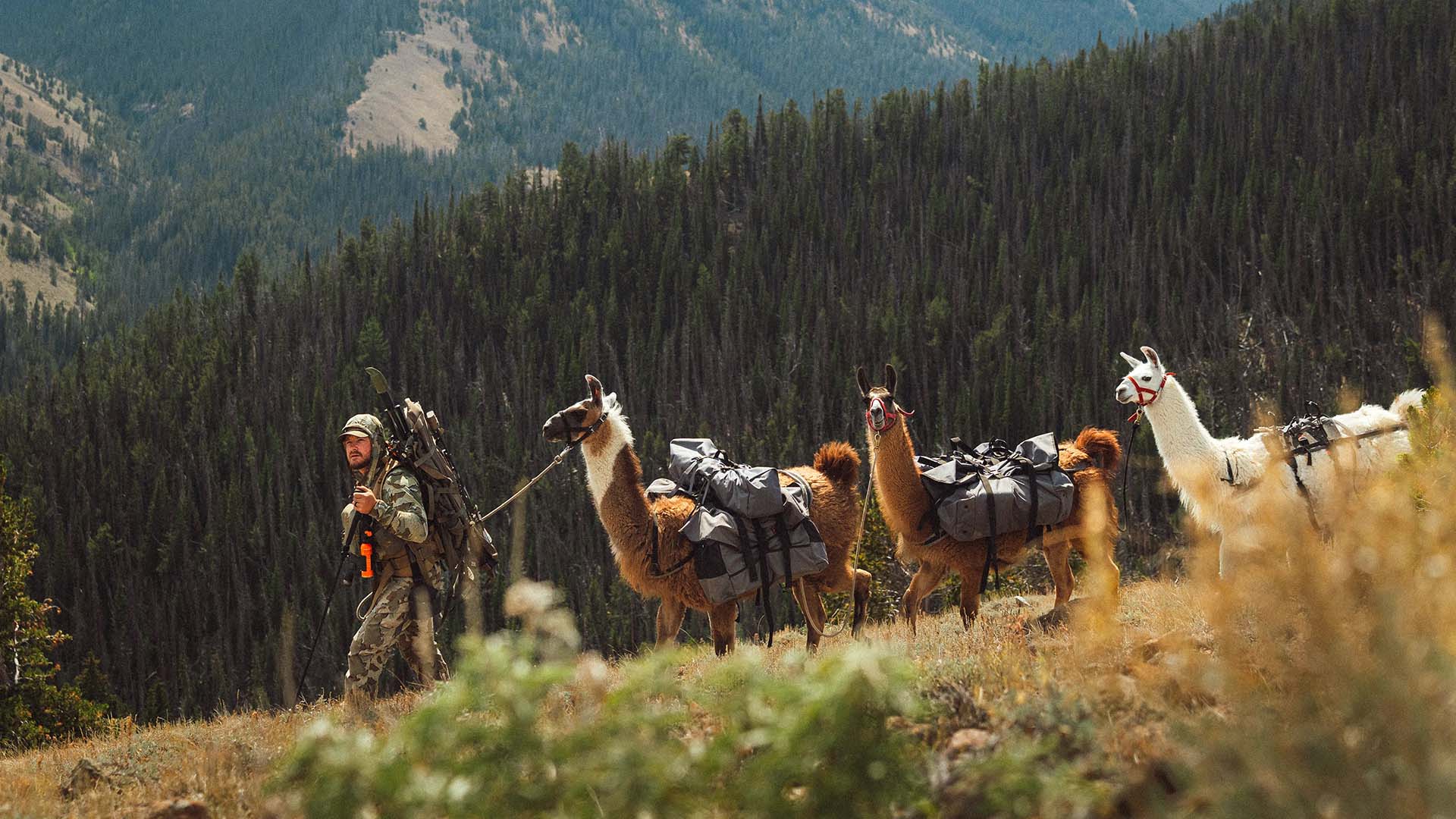
The case, Joshua Smunk and BlueRibbon Coalition, Inc. v. Kenneth Coffin, William Frost, and United States Forest Service, arises from a September 2025 elk hunting trip in Wyoming’s Shoshone National Forest. While in a designated wilderness area, members of the hunting party recorded a conversation at camp, and pack llamas from Smunk’s outdoor recreation business appeared in the background. The video was later posted to YouTube and monetized. Smunk neither published the video nor earned revenue from it. A Forest Service law enforcement officer subsequently told Smunk that his llamas had been used as props in the video, and that this promoted his business, in violation of the Wilderness Act of 1964.
In later communications, Forest Service representatives told Smunk that video filmed in wilderness areas is permitted for personal use only and may not be monetized after filming. They also told him the agency monitors social media and pursues enforcement against people who post such content.
“If you have the right to take photos or video in a wilderness area, then you also have the right to sell what you have created,” said Matt Miller, senior fellow at TPPF’s Center for the American Future and lead attorney in the case. “Monetized speech is entitled to the same constitutional protection as non-monetized speech.”
The lawsuit cites the U.S. Supreme Court’s decision in Reed v. Town of Gilbert (2015), which held that content-based restrictions on speech must satisfy strict scrutiny, meaning a compelling government interest and narrow tailoring. The plaintiffs argue that a restriction triggered by whether a video earns revenue or references a business meets neither standard. The suit further argues that the Forest Service lacks statutory authority to regulate publishing and monetizing a video–activity that takes place outside wilderness boundaries. The plaintiffs seek declaratory and injunctive relief barring the Forest Service from enforcing the restrictions.
The National Wilderness Preservation System includes more than 800 wilderness areas covering roughly 112 million acres of federal land. Congress updated permitting rules for filming on federal lands in the EXPLORE Act, signed into law on Jan. 4, 2025, but left the Wilderness Act’s prohibition on commercial enterprise in place within designated wilderness.
“We are grateful to the Texas Public Policy Foundation for leading this case,” said Ben Burr, executive director of BlueRibbon Coalition. “Americans have every right to document their time on public lands and share it with others. The First Amendment protects that speech whether or not it earns a dime.”
Case information and updates are available from Brass Legal Center at BlueRibbon Coalition at Smunk and BlueRibbon Coalition v. U.S. Forest Service page here »
LEGAL ISSUES
Lawsuits & legal challenges
POLICY ISSUES
Regulations behind closures
OPERATION: ACCESSIBLE
Access for all
LATEST FIGHT
BRC Joins Fight for the Oregon Dunes
Learn about the case and how you keep riders on the Dunes.