First Amendment & Wilderness
Wilderness Filming LawsuitSmunk and BlueRibbon Coalition v. U.S. Forest Service
Filming in a wilderness area is legal. The Forest Service says earning money from that footage is not. BlueRibbon Coalition, represented by the Texas Public Policy Foundation, is asking a federal court in Wyoming to strike down that rule under the First Amendment.
§ 1 The Question
The Question This Case Asks
Can the government prohibit you from using a small camera to film video in a federally designated wilderness area because the footage might mention a business or later earn money?
Millions of people film themselves outdoors every day, and some of them do it in the nation’s more than 800 wilderness areas, which cover roughly 112 million acres of federal land. Many upload those videos to YouTube and other sites for friends and followers. Few of them know that, under the Forest Service’s position, earning a single penny from that content, or posting content seen as promoting a business, violates a federal statute.
It is legal to film in wilderness areas. The government should not be able to decide what you talk about in your videos or whether you can make a few bucks from your content.
§ 2 The Facts
What Happened to Josh Smunk
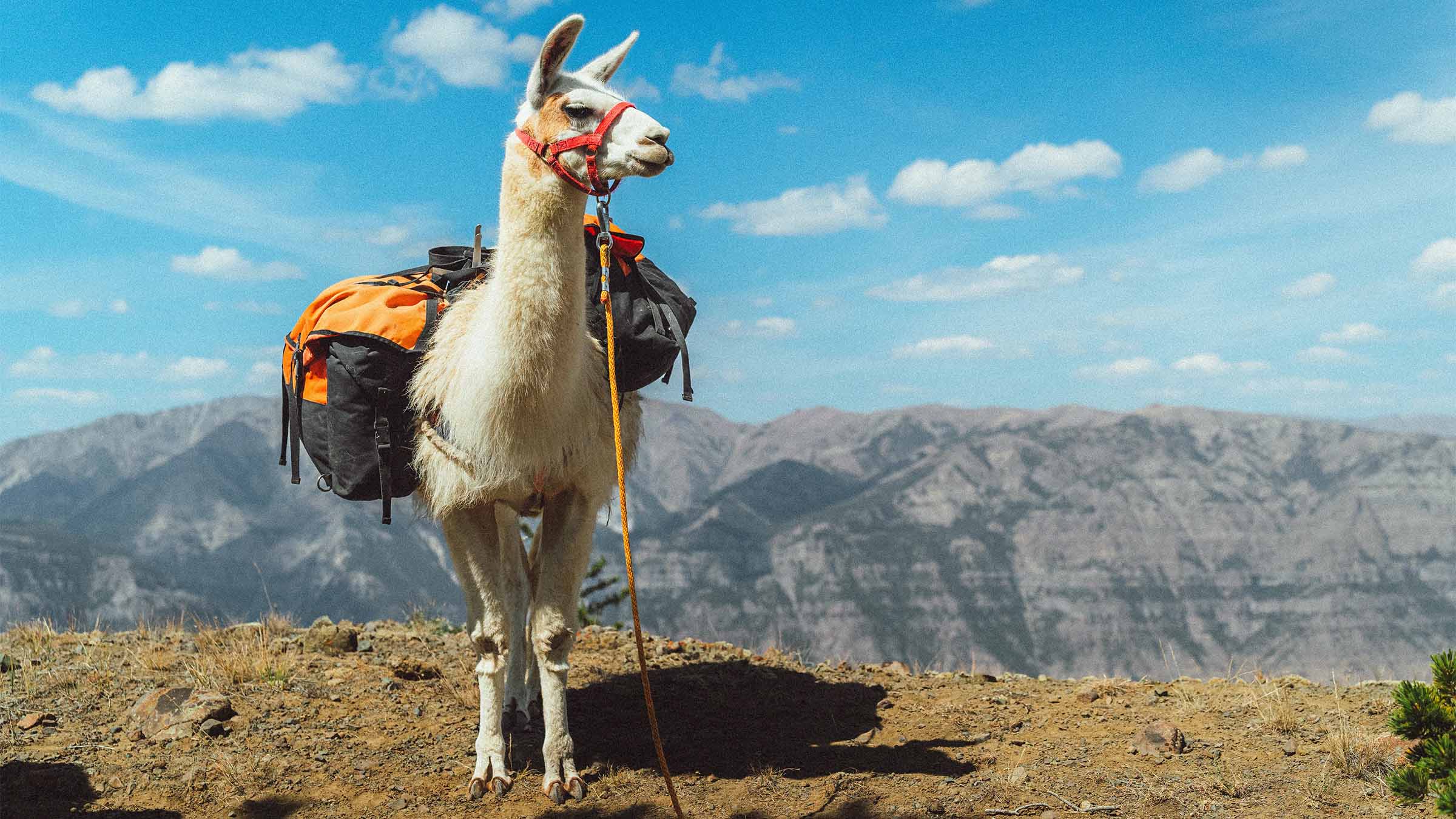
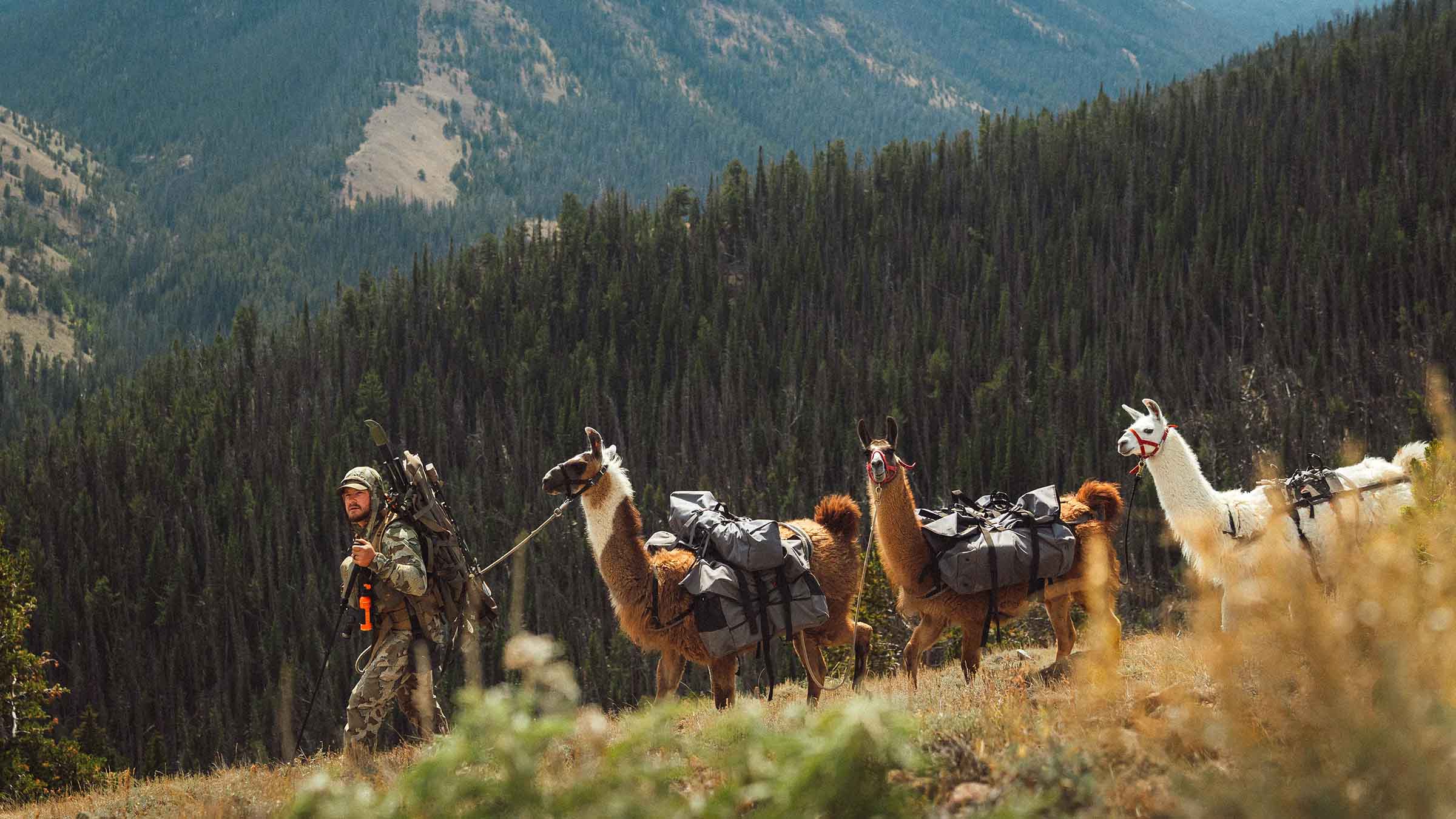
In September 2025, Josh Smunk went elk hunting with friends in Wyoming’s Shoshone National Forest. Parts of that forest are designated wilderness, a legal term under the Wilderness Act of 1964. Josh owns a business that rents pack llamas to hunters, because llamas make excellent pack animals.
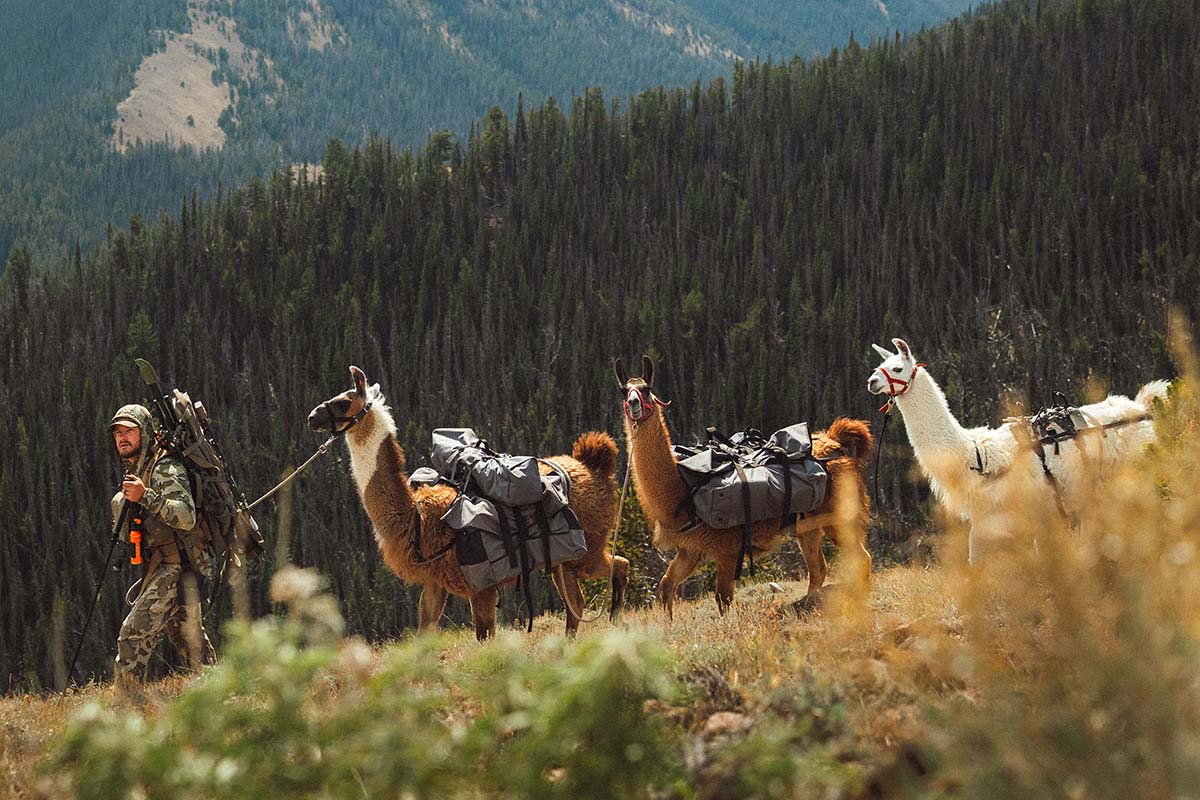
While they were in the wilderness, the hunters filmed themselves around a campfire talking about the day’s hunt. Josh’s llamas were standing in the background. The video was later posted to YouTube by the hunters Josh was hunting with and monetized, likely earning less than a quarter of a cent per view. Josh did not publish the video and did not earn money from it.
A Forest Service law enforcement officer then told Josh, “Your llamas were used as props in the video, and that’s illegal.” Under the Forest Service’s reading of the Wilderness Act, the monetized video turned his llamas into props for his llama guiding business, which effectively “commercialized” the llamas. Josh left that meeting with a warning.
§ 3 The Record
What the Forest Service Told Him
Josh asked local Forest Service representatives to explain the rule. Their answers, in their own words:
- On the EXPLORE Act
“The Wilderness Act takes precedence over the EXPLORE Act.”
- On personal filming
“You can film BUT has to be for your personal use.”
- On YouTube revenue
“You can not [sic] monetize it thru ‘clicks,’ etc.”
- On enforcement
“As people post these types of ‘commercial’ filming products, and we find them, we do go after them.”
- The bottom line
“As soon as [sic] money is involved it becomes a commercial enterprise and you have to have a permit.”
According to Matt Miller, the TPPF attorney leading the case, the Forest Service rarely issues these permits and does not issue them for hunting films. In practice, Josh and everyone else who films in a wilderness area can never monetize that content.
§ 4 The Law
Why the Rule Violates the First Amendment
The Wilderness Act states that “there shall be no commercial enterprise” within a designated wilderness area, and the Forest Service reads that language to cover monetized video and videos where a business is mentioned. The agency defends the restriction as a way to keep wilderness areas from becoming overcrowded: if too many people learn about a beautiful place, too many may visit.
The lawsuit makes two arguments against that position.
The restriction is a content-based limit on speech.
In Reed v. Town of Gilbert (2015), the U.S. Supreme Court held that the government may restrict speech based on its content only if the restriction survives strict scrutiny, the most demanding level of constitutional review. That requires a compelling government interest and a narrowly tailored rule. Reducing the number of people interested in legally visiting public lands is not a legitimate government interest, much less a compelling one. Even if it were, a ban on monetized video is not narrowly tailored to that goal.
The Forest Service has exceeded its statutory authority.
Posting a video and earning revenue from it happens after the trip and outside the wilderness area. The lawsuit argues the agency has no authority to regulate that speech and activity.
Monetized speech has the same constitutional protection as speech that earns nothing. Almost every journalist, actor, and artist works for money. If earning money stripped speech of First Amendment protection, the government could regulate nearly all of it.
The rule does not limit the size of a film crew or the amount of equipment in the backcountry. It punishes speech because someone made a few bucks from it, and the First Amendment does not allow that.
§ 5 The Gap
Why the EXPLORE Act Did Not Fix This
Congress updated the rules for filming on federal lands when it passed the EXPLORE Act, signed into law on January 4, 2025. The law left the Wilderness Act’s limits on commercial enterprise in place, so designated wilderness areas fell outside the reform. This lawsuit seeks to close that gap so people can film themselves on all public lands, talk about whatever they want, and share that content on social media.
§ 6 Counsel
Who Is Litigating This Case
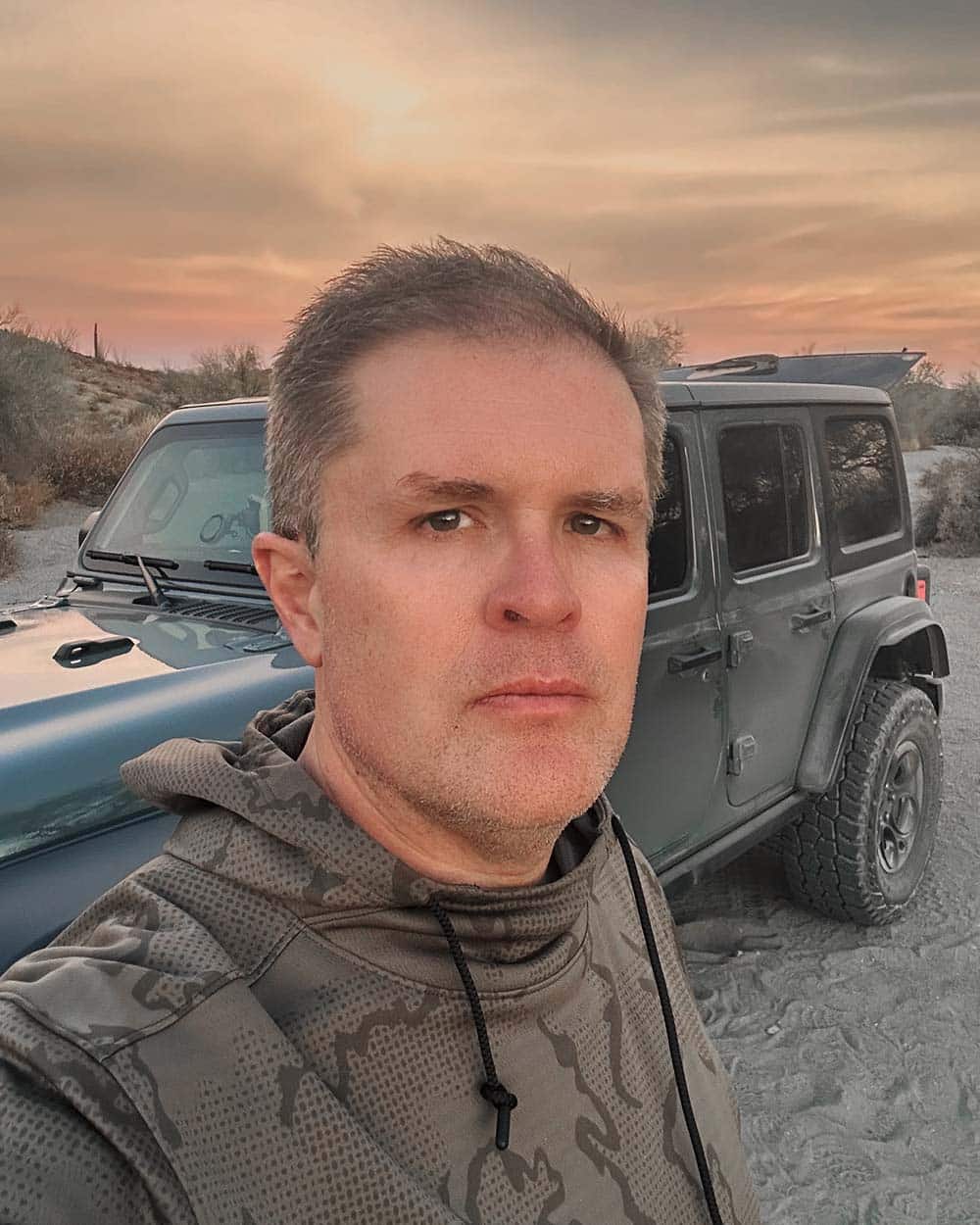
Matt Miller
Lead Attorney · Senior Fellow, TPPF · General Counsel, BRC
The Texas Public Policy Foundation (TPPF) is lead counsel and filed the case on behalf of Josh Smunk and BlueRibbon Coalition. Matt Miller, senior fellow at TPPF’s Center for the American Future and General Counsel of BlueRibbon Coalition, is the lead attorney.
BRC joined the case as a plaintiff because the right to document and share time on public lands belongs to every person who uses them.
BRC thanks TPPF for taking this case to court and for its continued work defending Americans’ access to public lands.
§ 7 Answers
Frequently Asked Questions
Is it legal to film in a designated wilderness area?
Yes. Forest Service representatives told Josh Smunk that filming in a wilderness area is allowed for personal use. The dispute in this case is over what happens when that footage earns money or is seen as promoting a business.
Can I monetize a YouTube video I filmed in a wilderness area?
Not under the Forest Service’s current position. The agency told Josh Smunk that monetizing wilderness footage through YouTube views requires a commercial filming permit, and those permits are rarely issued. This lawsuit challenges that position under the First Amendment. This page is not legal advice.
Does the EXPLORE Act allow commercial filming in wilderness areas?
No. The EXPLORE Act, signed into law on January 4, 2025, updated filming rules on federal lands but left the Wilderness Act’s limits on commercial enterprise in place. Forest Service representatives told Josh Smunk that “the Wilderness Act takes precedence over the EXPLORE Act.”
What is a designated wilderness area?
A designated wilderness area is federal land that Congress has placed in the National Wilderness Preservation System under the Wilderness Act of 1964. The system includes more than 800 areas covering roughly 112 million acres, managed by the Forest Service, National Park Service, Bureau of Land Management, and U.S. Fish and Wildlife Service.
Who is representing the plaintiffs?
The Texas Public Policy Foundation (TPPF) is lead counsel through its Center for the American Future. Matt Miller, a senior fellow at TPPF and General Counsel at BlueRibbon Coalition, is the lead attorney.
What does the lawsuit ask the court to do?
The plaintiffs are asking the U.S. District Court for the District of Wyoming for declaratory and injunctive relief. A ruling in their favor would declare the restriction unlawful and stop the Forest Service from enforcing it.
Has BlueRibbon Coalition challenged federal filming rules before?
Yes. In BlueRibbon Coalition v. Garland, No. 4:23-cv-00505 (D. Idaho), a federal judge issued a preliminary injunction in June 2024 that temporarily exempted BRC and its members from the permits and fees required for commercial filming on public lands. In that case, Kyle Brothersen, a dirt biker in Idaho, had been threatened with hundreds of thousands of dollars in fines and requests to take down over 800 videos that documented trails using a GoPro attached to his motorcycle helmet. BRC also fought in that case to defend the First Amendment rights of our members. Because the case didn’t involve filming done in designated wilderness, it is time for the courts to take another look at this issue.
Membership
Why BlueRibbon Coalition Membership Is Important
Our preliminary injunction in BlueRibbon Coalition v. Garland only applied to BlueRibbon Coalition and its members. As a membership-based organization, when we go to court, we legally represent our members. One of the best ways you can safeguard your freedom of speech rights when visiting public lands and wilderness areas is to become an official member of BlueRibbon Coalition.
- Membership strengthens legal action.The more members a closure or rule affects, the stronger our case to defend access.
- Representation.When legal action is needed, membership puts your interests in the courtroom.
- Members are covered by court orders.Relief from a court order often applies only to the members an organization represents.
§ 8 The Record
Case Resources
- ComplaintPDFSmunk and BlueRibbon Coalition v. Coffin, Frost, and U.S. Forest Service · D. Wyo. · Filed November 18, 2026
- Smunk v. Coffin case pageLinkTexas Public Policy Foundation
- Op-ed by Matt MillerOp-edThe Washington Times · November 18, 2026
- BRC press releasePressBlueRibbon Coalition
Filings are public records. Statements on this page describe our claims and arguments; allegations are not findings until a court rules. This page is not legal advice.
Support This Case
Memberships Make the Case and Build a Movement
The Brass Legal Center at BlueRibbon Coalition takes cases like this one to court so Americans can keep using and sharing their public lands. Membership is more than financial support. It builds a larger, organized community that agencies, lawmakers, and courts can’t ignore.

LEGAL ISSUES
Lawsuits & legal challenges
POLICY ISSUES
Regulations behind closures
OPERATION: ACCESSIBLE
Access for all
LATEST FIGHT
BRC Joins Fight for the Oregon Dunes
Learn about the case and how you keep riders on the Dunes.