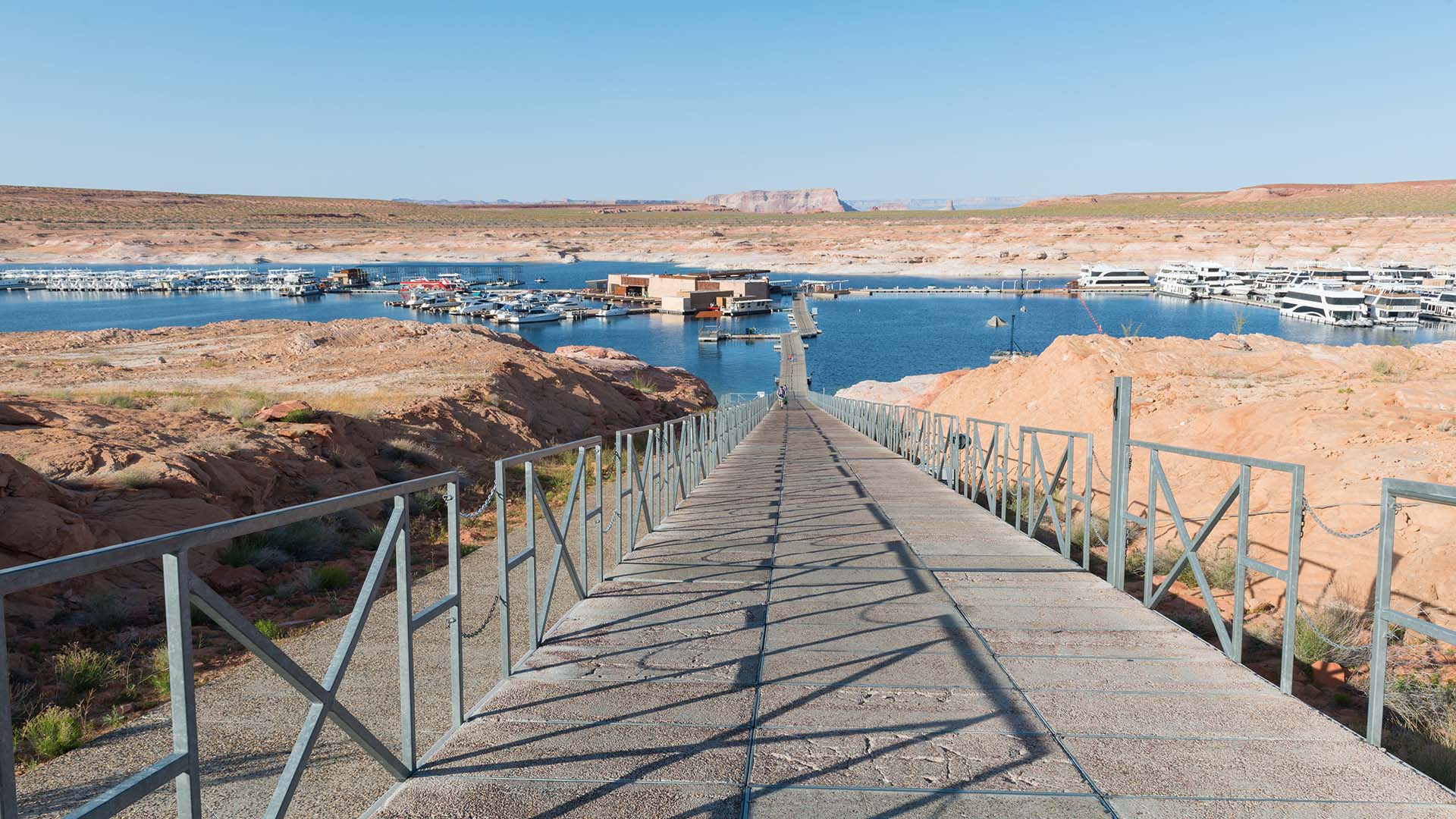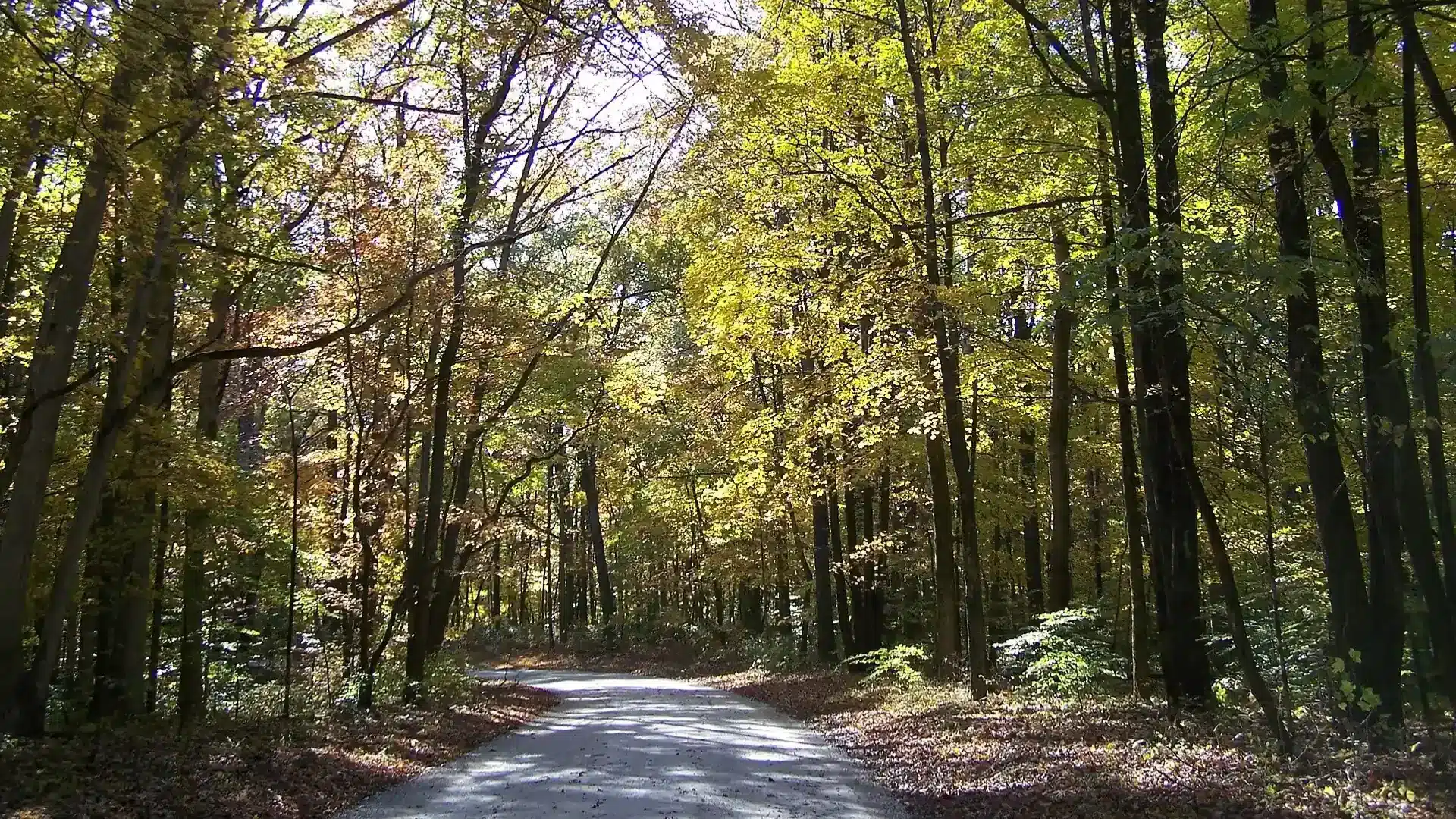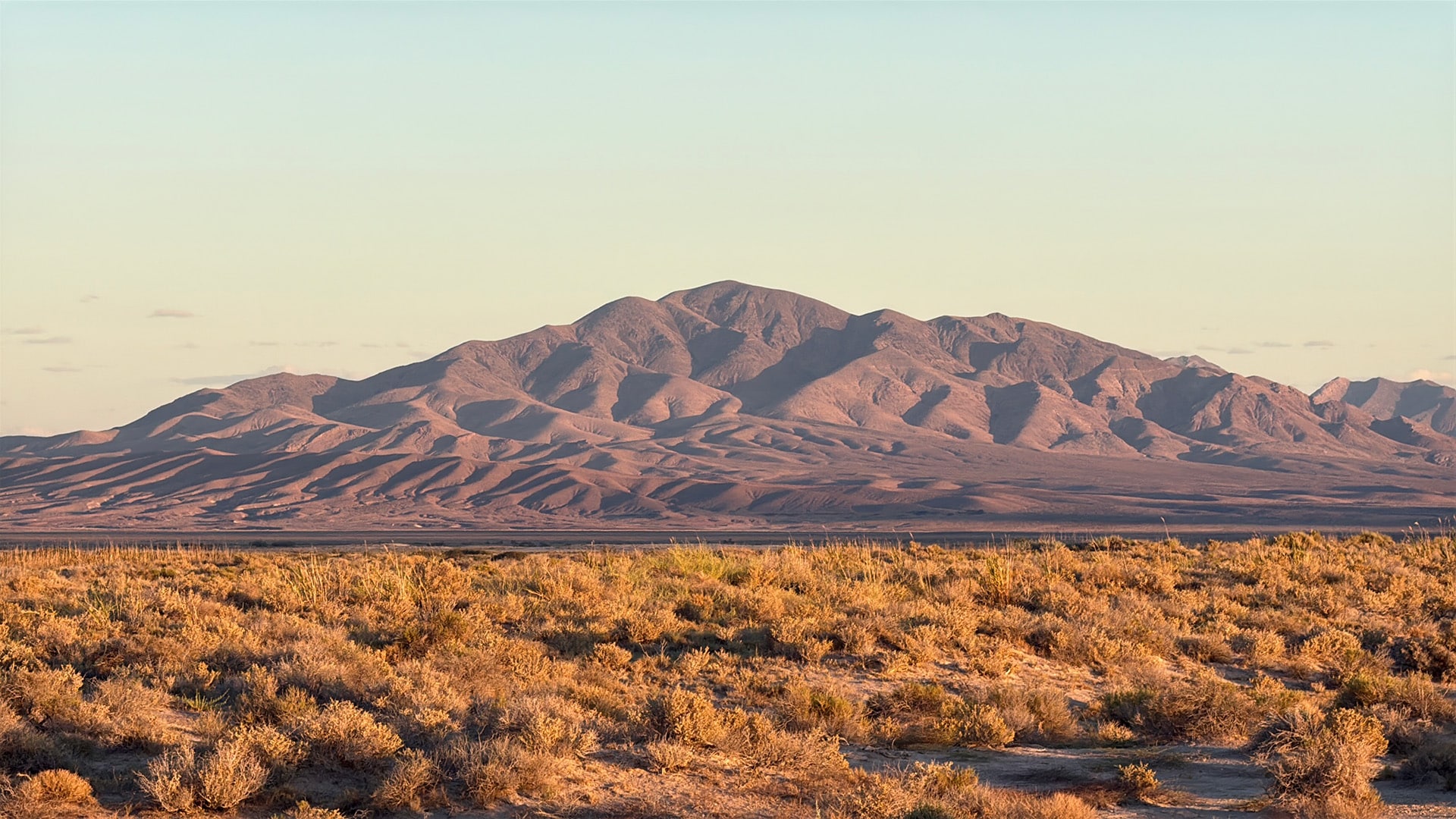
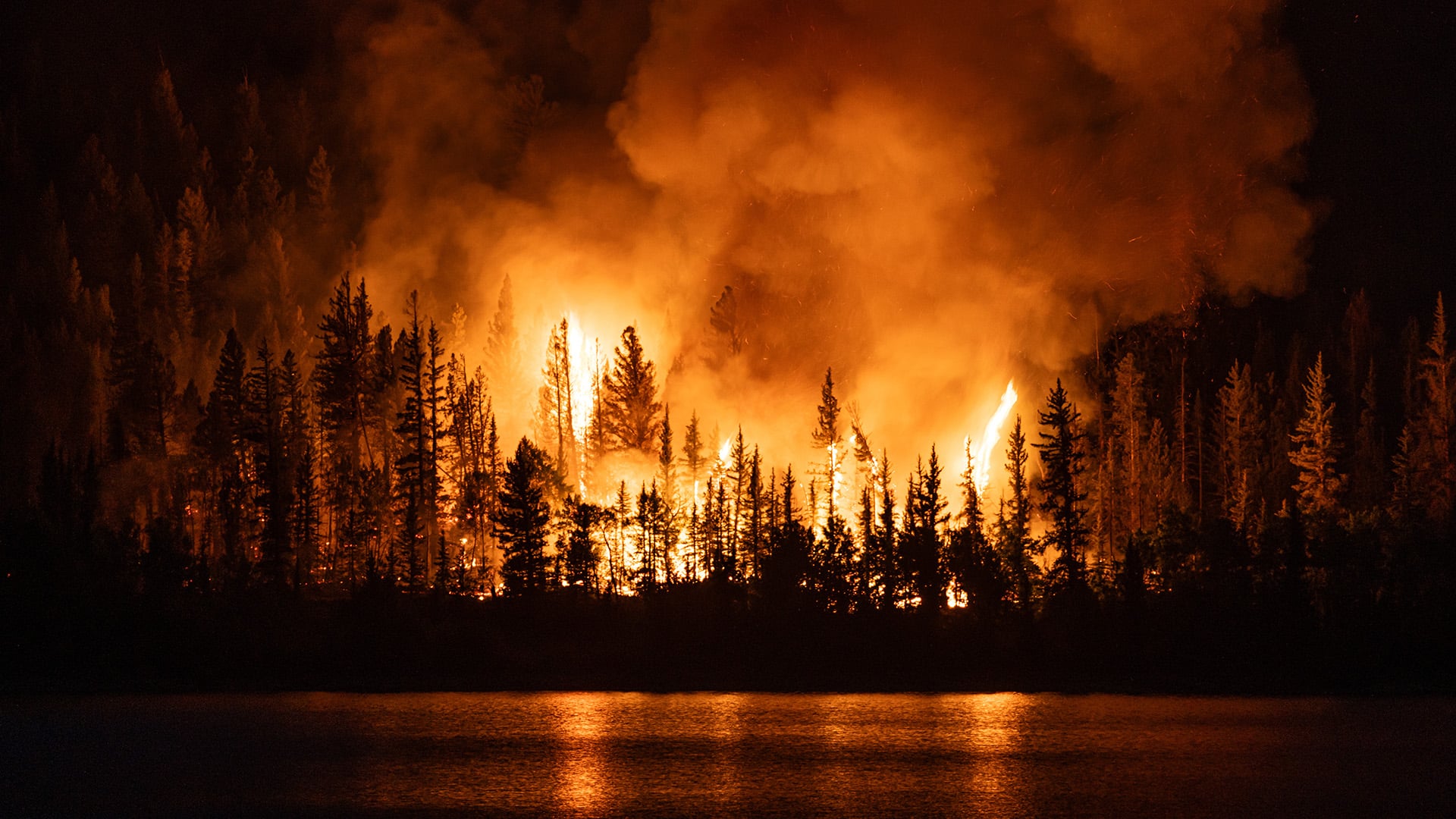
One claim has come to dominate the fight over the rescission of the 2001 Roadless Rule: Wildfires are far more likely to start near roads. It is true, it is being repeated everywhere, and it is almost never followed to its logical and obvious next question. A new BlueRibbon Coalition study of nearly 110,000 wildfires asks the next question and finds that the fires which actually escape and grow large are the ones that start deep in the backcountry, far from any road.
The analysis, released today, examines every recorded, sized wildfire that ignited on National Forest System land in the ten Western states covered by the pending Roadless Rule rescission — Alaska, Arizona, California, Montana, Nevada, New Mexico, Oregon, Utah, Washington, and Wyoming — from 2001 through 2024, using the federal InFORM fire-occurrence dataset. This is the same dataset used in the study commonly cited to tie ignition points to road proximity.
BRC concedes the ignition point up front. Across the ten states, 42.4 percent of fires ignited within 250 meters of a road. That is consistent with the widely cited national figure that ignition density near roads runs several times higher than in roadless or wilderness terrain.
The BRC study then does what the talking point does not: it measures what happens after a fire starts. The share of fires that escaped to 300 acres or more climbed steadily the farther they started from roads — from 1.45 percent in the roadside zone to 4.28 percent in Inventoried Roadless Areas and 5.77 percent in designated wilderness, a fourfold gradient. Average fire size rose the same way, from 129 acres near roads to 732 acres in wilderness. The typical fire was tiny everywhere, with a median size of one-tenth of an acre in every zone; what changed was how often the exceptions got away.
"We weren't surprised to see the data confirm that most wildfires start near roads," said Ben Burr, Executive Director of the BlueRibbon Coalition. "But knowing where fires start isn't nearly as important as knowing where they spread. We asked the question that matters most to western communities, families, and firefighters: once a fire starts, where does it get big? The answer is not near roads. Fires near roads are quickly extinguished. The data clearly shows this, which advocates for the Roadless Rule completely ignore. It is in roadless areas and wilderness areas that fires escape containment, grow, then burn out of control. Simply put, a fire is almost 300 percent more likely to escape containment and grow into a mega fire when it starts away from roads."
The findings were released to coincide with the public comment period on the USDA's proposal to rescind the 2001 Roadless Rule across roughly 44.7 million acres in these same ten states. That comment period closes October 7. BRC is urging the public to review the data and submit comments through its action center before the deadline.
The full study, including per-state results and the complete methodology, is available at https://blueribboncoalition.org/roadless-areas-burn-bigger/. The classified dataset of all 109,696 fires is available on request.