The Fixing Egregiously Expensive Suits Act (FEES Act), H.R. 9536, was introduced June 30, 2026 by Rep. Harriet Hageman (R-WY) with Rep. Tom Tiffany (R-WI). It amends the Equal Access to Justice Act (EAJA), the 1980 law that lets prevailing parties recover attorneys' fees and costs when they successfully sue the federal government. The premise of this law sounds great. It can help the little guy if and when an overbearing, all too powerful government over steps. However, this law has been manipulated and taken advantage of for too long now. This law has been weaponized by attorneys to line their pockets under the guise of "protecting the environment". However, since the enactment of this law, is the environment in better shape? Do we have less wildfire and better air quality? Do you have thriving and recovered species? No. Clearly this law isn't being used as it was intended and it needs to be reined in.
From 2019–2024, Interior and USDA paid out $24.8 million in EAJA fees, with 76% going to environmental groups and their lawyers (rates up to $500/hour), which they characterize as taxpayer-funded "sue-and-settle" litigation that delays land management and wildfire-reduction work. Unfortunately, we do not have a concrete number of how much as been paid out since 1980. Congress required agencies to report EAJA awards to a central tracker only through fiscal year 1994. That requirement then lapsed for roughly 24 years — from the mid-1990s until 2019, when the Dingell Act required agencies to start reporting again and created a public database. For that quarter-century gap, there is no complete government-wide record of what was paid out.
The bill's specific changes:
- Restricts fee awards to prevailing parties with a direct, personal financial interest in the case — personal injury, property damage, or unpaid agency disbursements — rather than organizational or policy interests.
- Caps awards at $200,000 per case, with a limit of three cases per year per party.
- Requires courts to reduce or deny fees where a party acted in bad faith or engaged in dilatory conduct.
- Bars fee awards tied to settlements that create new federal regulations or guidance.
- Exempts Social Security and Veterans Affairs cases from the new restrictions.
- Protects successful class actions from the new limits.
- Directs the Interior Secretary to convene an independent panel to evaluate EAJA's use going forward.
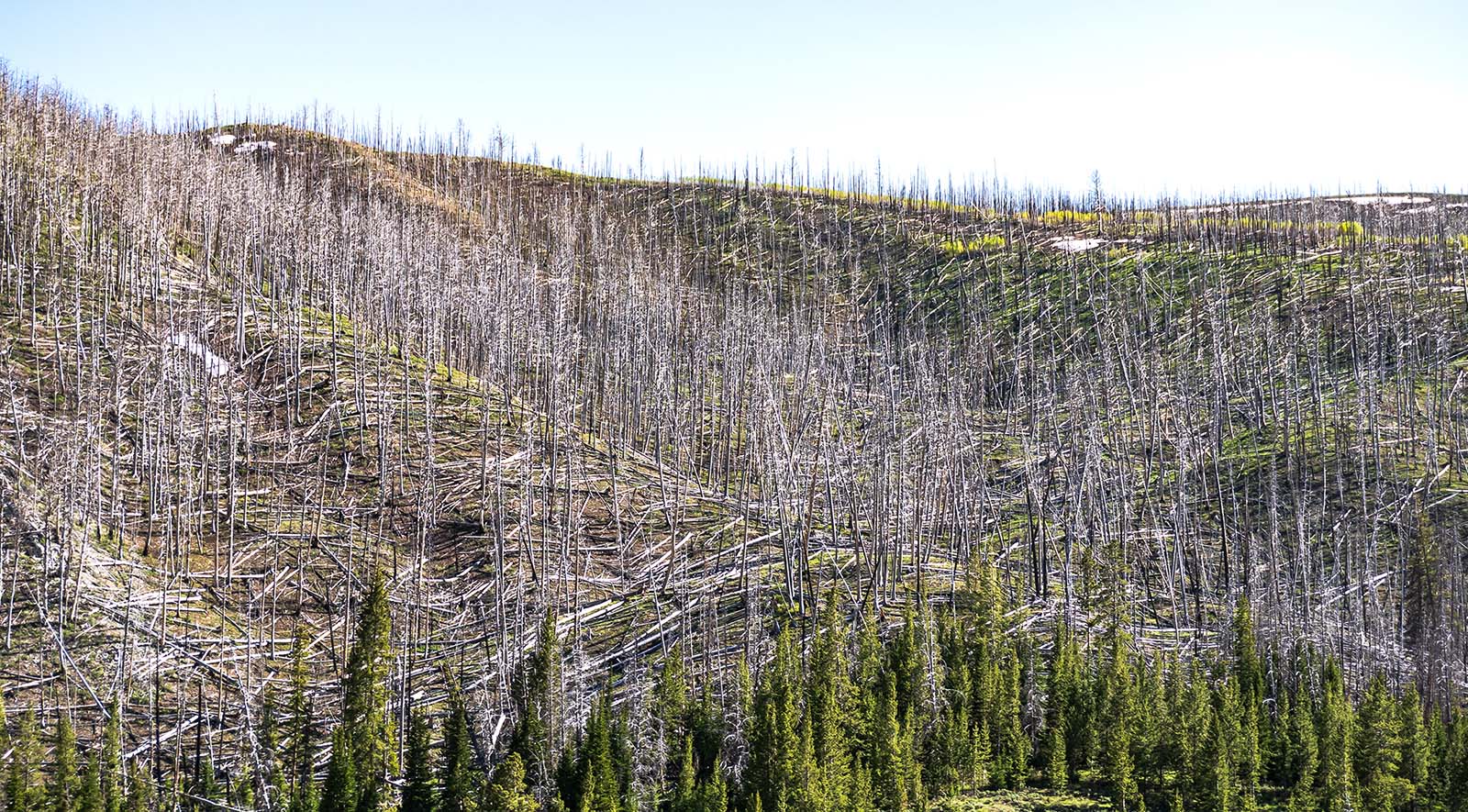
The human and environmental cost of this pattern is real. In the Stonewall Vegetation Project on Montana's Helena-Lewis and Clark National Forest, a lawsuit halted a fuels-reduction and beetle-kill logging project intended to reduce wildfire risk and restore forest health. The litigants were awarded attorneys' fees under EAJA. Months later, the Park Creek Fire burned through thousands of acres of that same project area, including the dead and diseased timber the project would have removed. That is not an isolated story, unfortunately there are dozens of stories just like this that reflect how "sue-and-settle" litigation can leave forests more dangerous, not less, while still generating a taxpayer-funded payday for the attorneys who filed the case.
Stonewall is one case in a documented pattern. BRC's NEPA Jail tracker catalogs 279 forest projects tied up in environmental review, with an average delay of 4.2 years and one project stalled for two decades. Attorneys collected $34.4 million in Equal Access to Justice Act fees (that we know about) between 2000 and 2025 for the litigation driving those delays. Litigation has become the most damaging extractive industry operating on public lands, and the FEES Act is the first serious attempt to price it correctly. Search the tracker to find the projects stalled near you.
Write to your members of Congress by using the tool below to encourage them to support this legislation.