Tell Washington: Abuse of Antiquities Act and Oversized National Monuments Must Be Reined In
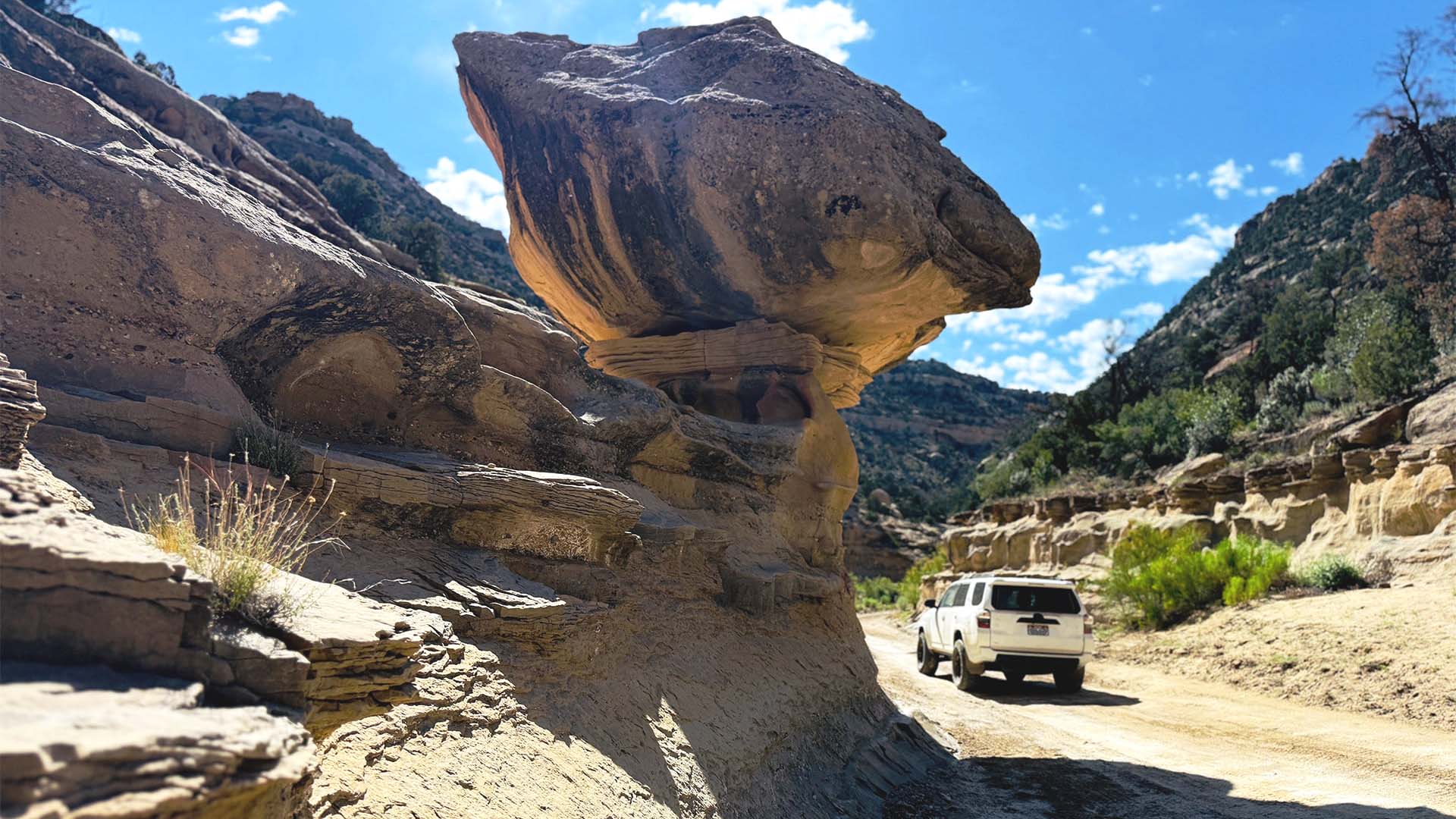
Oversized national monuments have locked up millions of acres of public land and set the stage for road closures, OHV restrictions, and lost access. A June 2026 court ruling in a case BRC helped bring confirmed these designations can now be challenged and reduced. Take action today and tell Congress, the Administration, and the courts to bring these boundaries back in line with the law.
Forest Service Over-Snow Vehicle Rule Restricts Snowmobile Access: Tell the Agency to Rescind 36 CFR Part 212 Subpart C
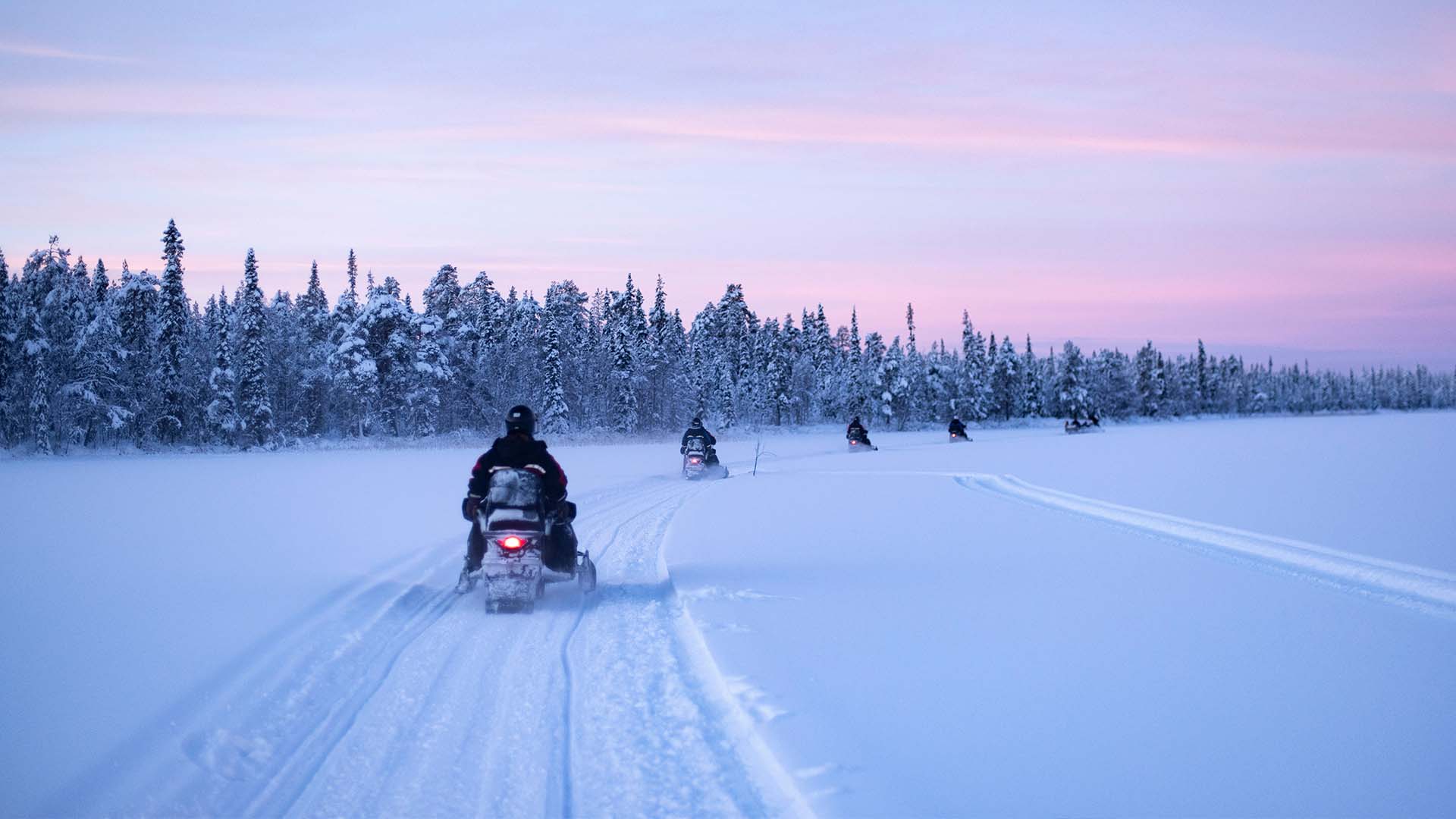
Snowmobilers rode National Forests for decades until Subpart C turned winter access into a paperwork permission system where riding outside lines on a map is prohibited. Congress never ordered this rule, and the agency already has full authority to close areas where actual damage occurs. Sign BRC’s action alert telling the Forest Service to rescind Subpart C and restore common-sense winter access.
Rio Grande National Forest Draft EIS Will Decide Over-Snow Vehicle Access on 1.84M Acres
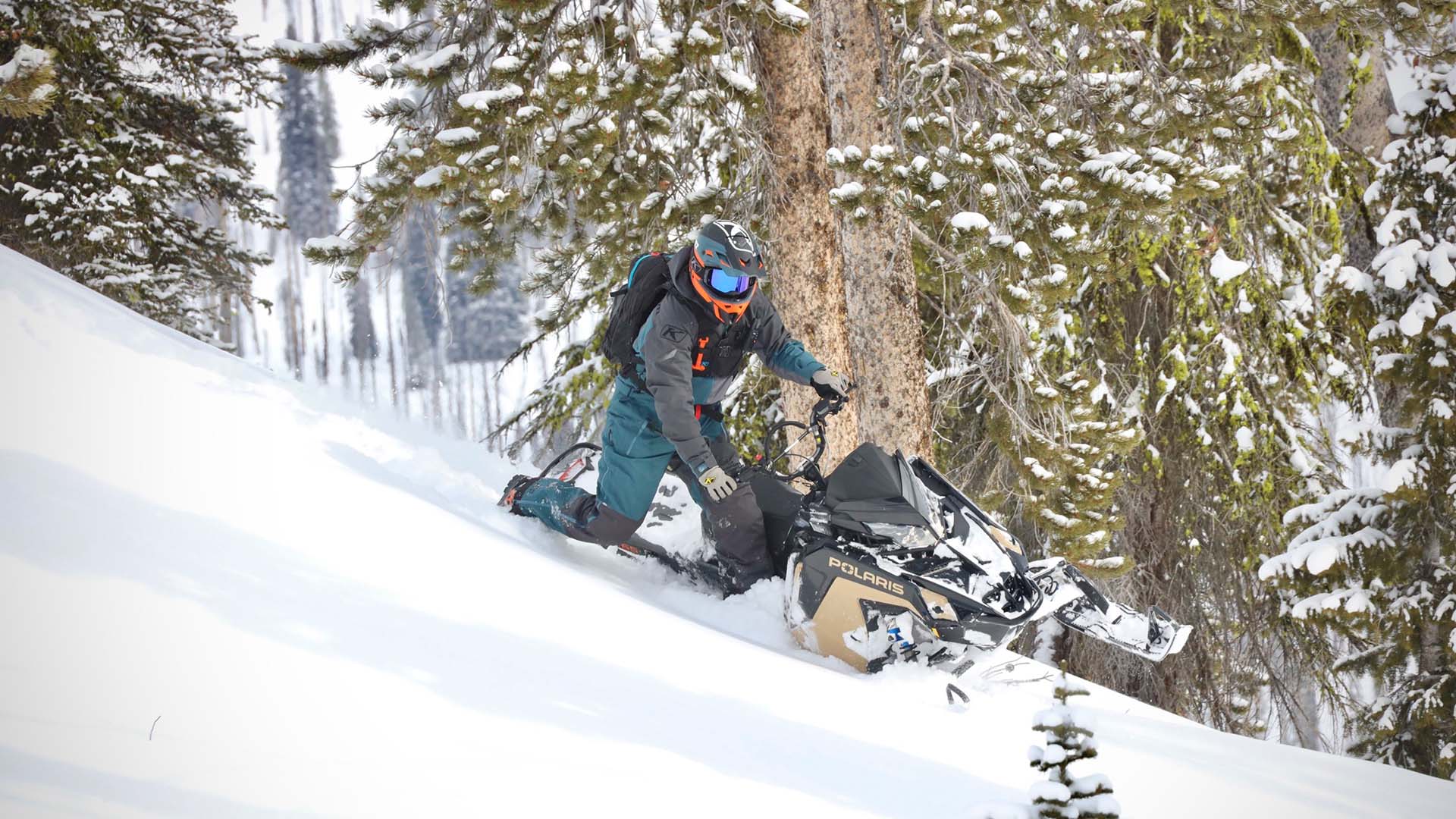
The Rio Grande National Forest is deciding where snowmobiles can ride across 1.84 million acres in southern Colorado, and the lines drawn now will be permanent. BRC supports Alternative 3 with key route additions from Alternative 4, but the draft plan contains wilderness buffer zones, arbitrary snow depth rules, and a contradictory preferred alternative that need fixing. Submit your comment before July 29 and tell the Forest Service to keep this terrain open.
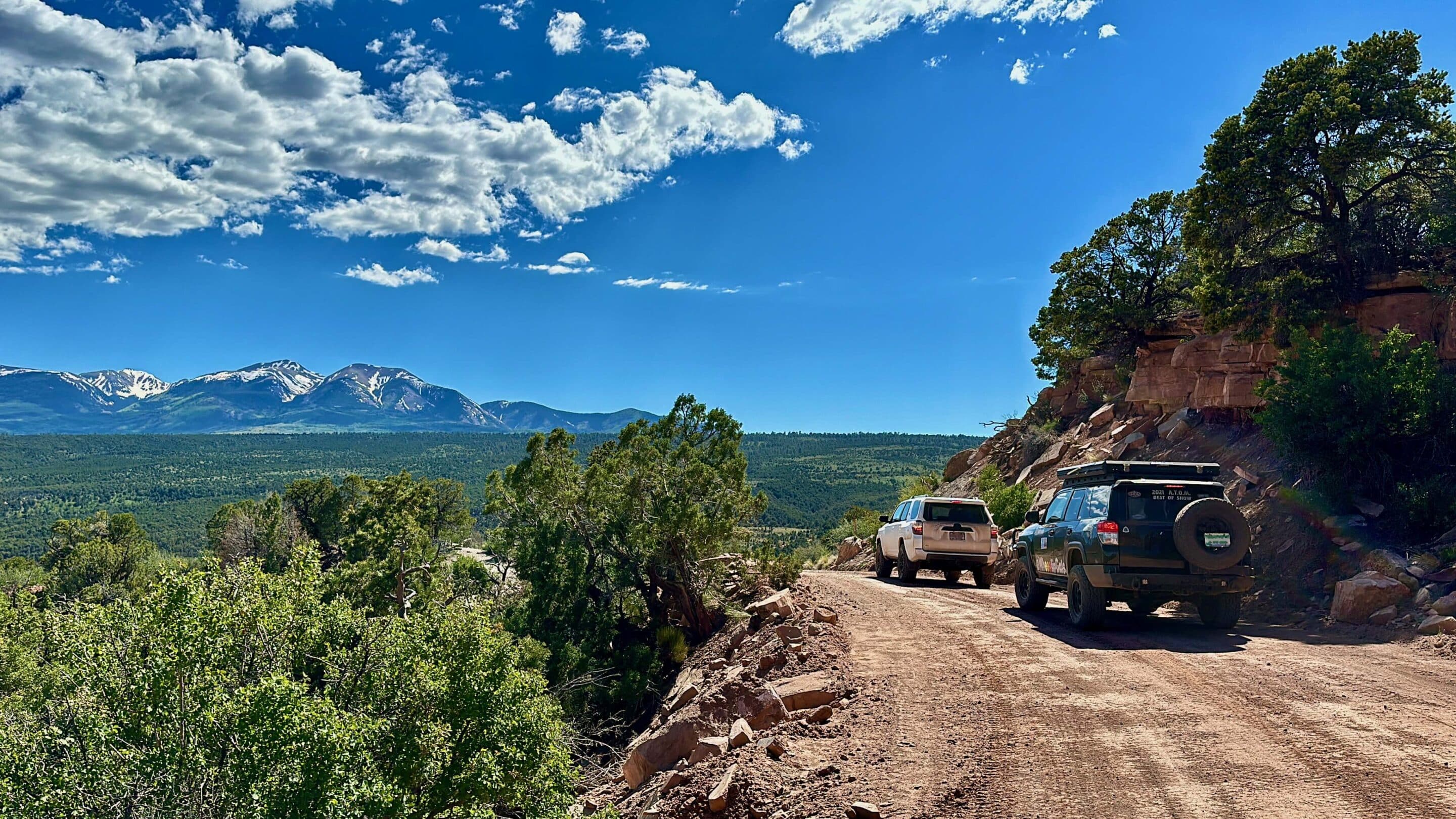
Dolores River Travel Management Plan: Support Keeping 321 Miles of Trails in Moab Open
The BLM has released preliminary alternatives for the Dolores River Travel Management Plan, covering 321 miles of routes just east of Moab. BRC supports a variation of Alternative D, the option that keeps 98% of the network open for OHV riders, hunters, and mountain bikers.
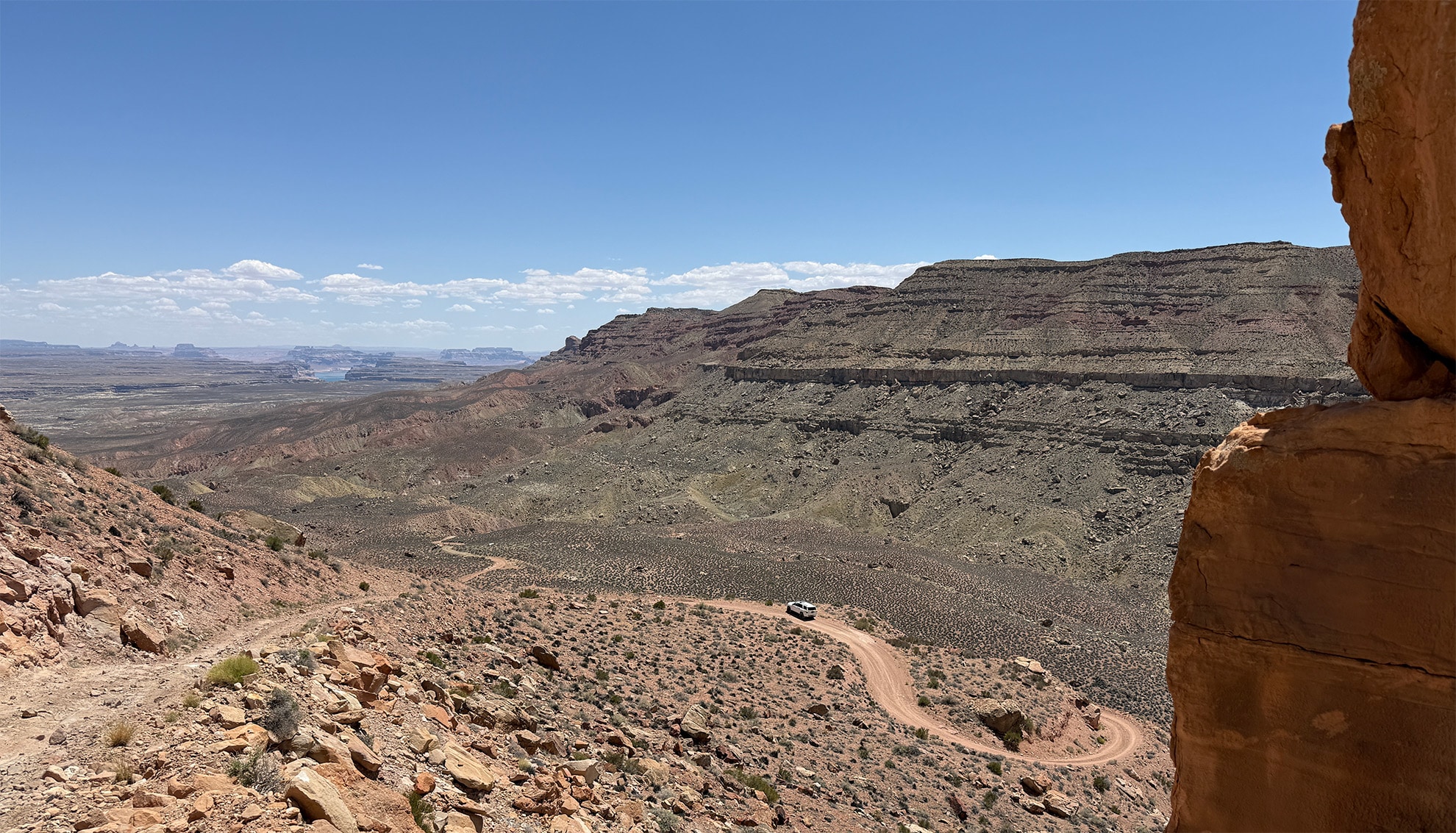
RELEASE: Tenth Circuit Opens the Courthouse Doors: BlueRibbon Coalition and State of Utah Win Right to Challenge Antiquities Act Overreach
Federal appeals court reverses dismissal, sends Bears Ears and Grand Staircase-Escalante monument challenge back for review on the merits SALT LAKE CITY, Utah — The U.S. Court of Appeals for the Tenth Circuit today handed the BlueRibbon Coalition and the…
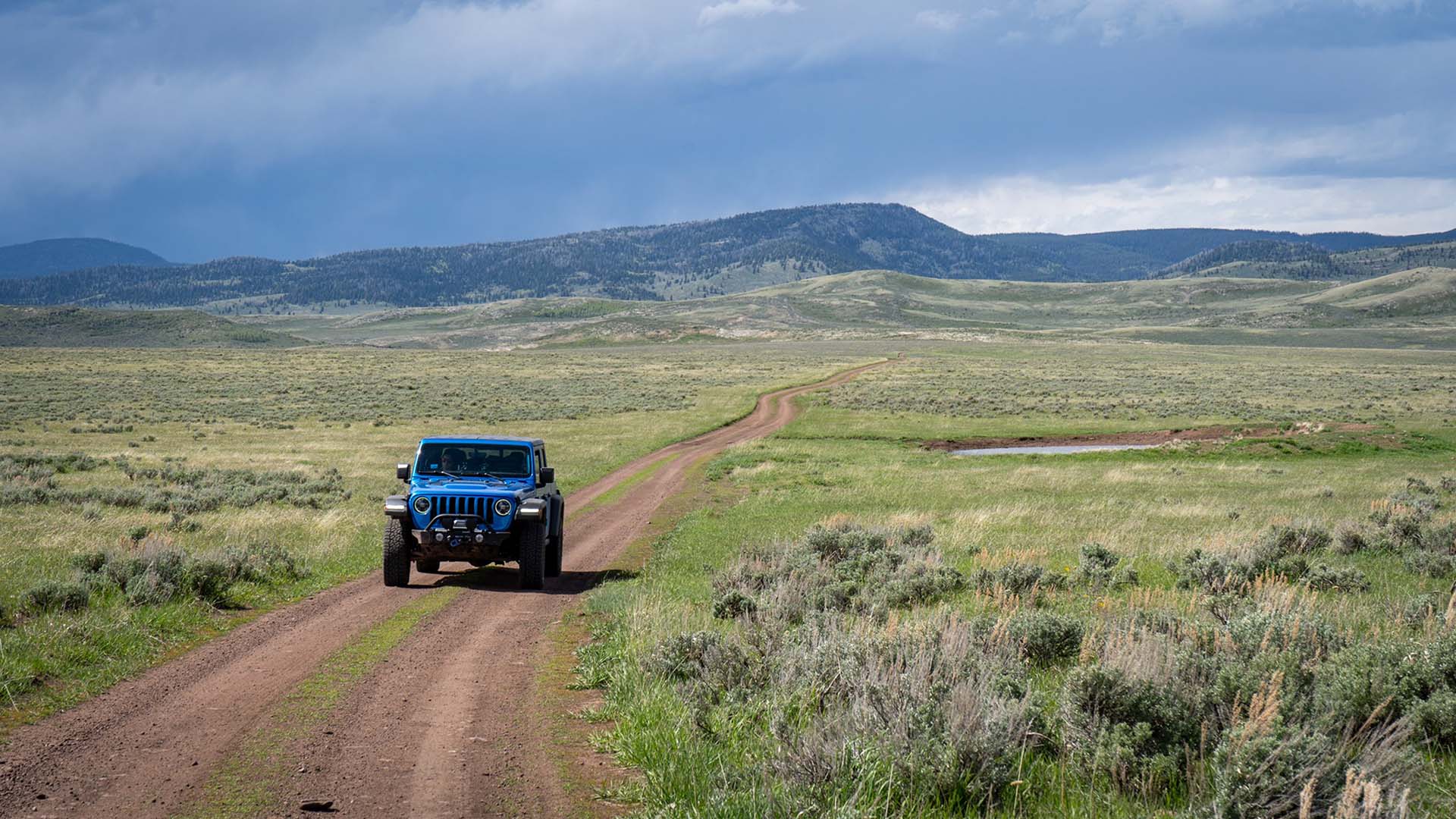
Dinosaur North Travel Management Plan Could Close 420 Miles of Off-Road Routes Near Vernal, UT
Nearly 700 miles of OHV, hunting, and backcountry access near Dinosaur National Monument are on the table in the BLM’s Dinosaur North plan, and the conservation alternative would close most of it. BRC backs Alternative D to keep these routes open for Vernal and Roosevelt communities. Add your comment before July 22 and tell the BLM to keep this access open.
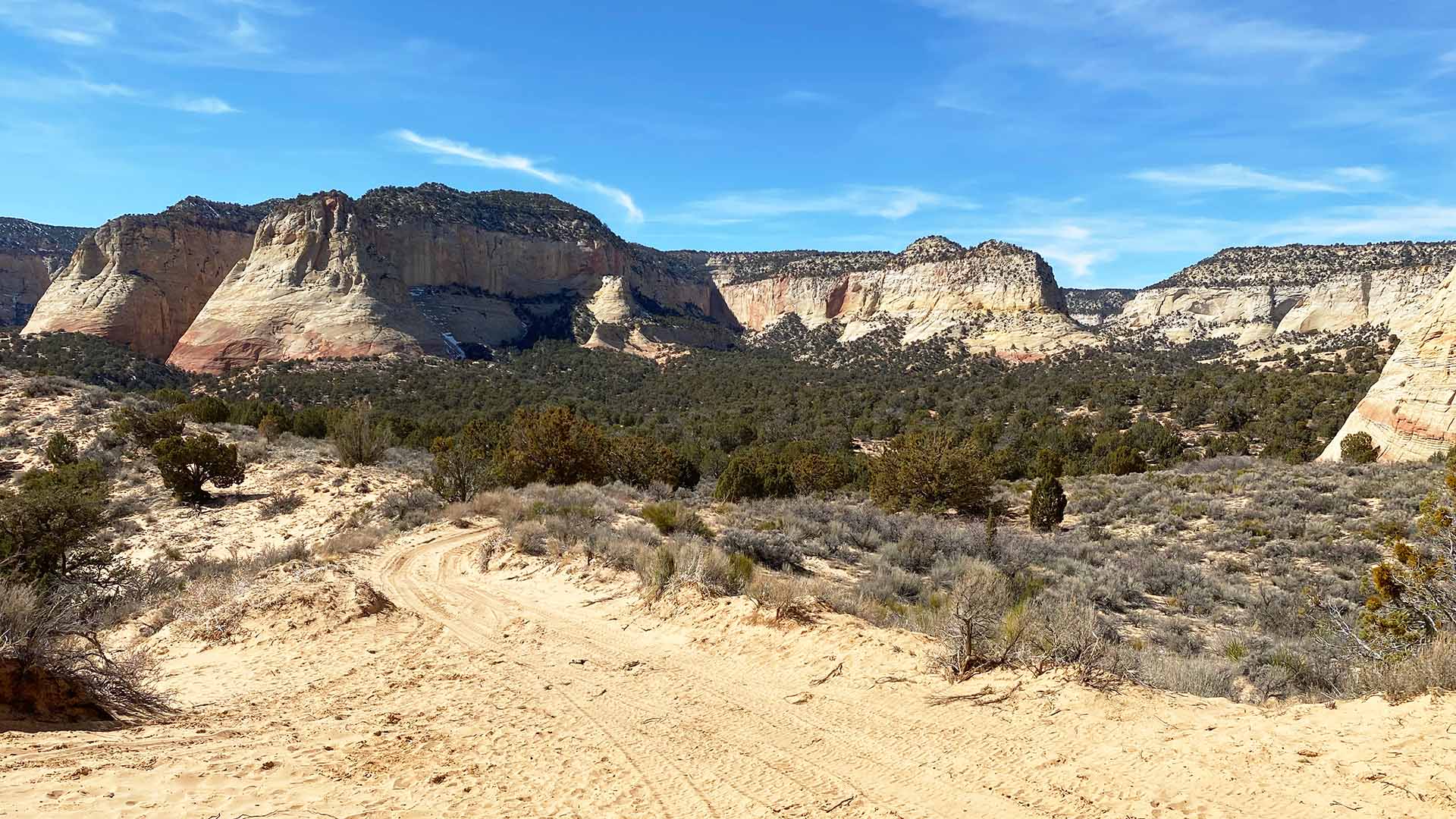
Trail Canyon Travel Management Plan Could Close Off-Road Trails Near Kanab
The BLM’s Trail Canyon Travel Management Plan near Kanab will decide the future of 473 miles of OHV routes in Kane County, and the most restrictive option closes nearly a third of the network. BRC supports a variation of Alternative D, which keeps 95% of trails open. Submit your comment to the BLM before July 22 and tell them motorized access must stay open.
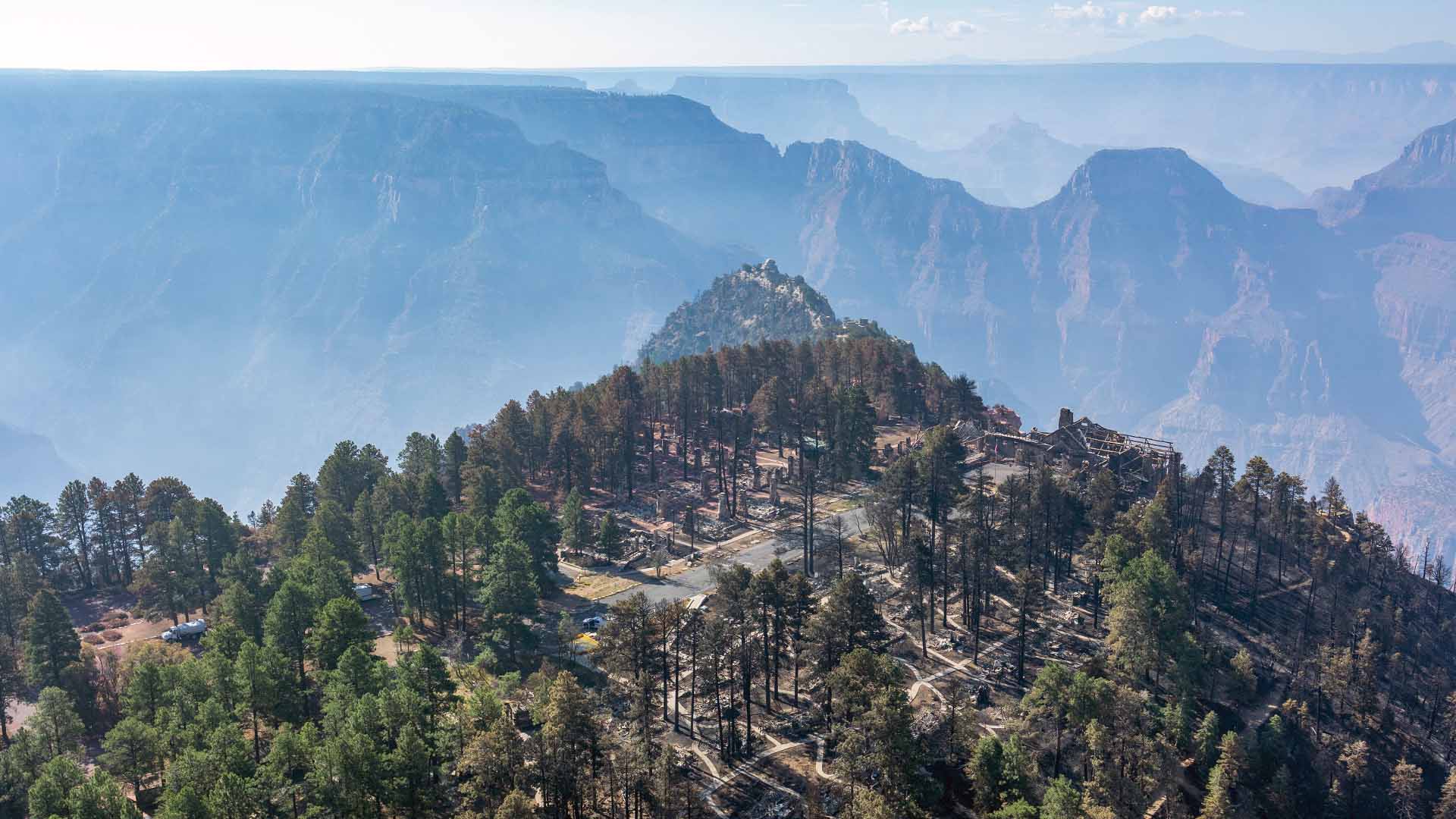
Dragon Bravo Fire Recovery Could Restore Kaibab Plateau Access
After the 2025 fires that burned nearly 150,000 acres near the North Rim, hazardous trees and fire damage continue to block access across the Kaibab Plateau. The Forest Service is proposing to remove the danger and protect roads and trails from future closures. Back the plan by submitting your comment to the Forest Service before June 20.

Utah High Desert Trail Project: 810 Miles for OHV Access
The BLM’s High Desert Trail project would formally designate an 810-mile route across western Utah, using roads and trails already open to the public today. BRC supports the designation and the preferred Alternative B, the longer, more scenic route that brings the most economic benefit. Submit a comment by June 16 backing Alternative B and tell the BLM to choose it.

Interior Reviews Wilderness Study Areas Locking Up Public Land
The Department of the Interior just opened a nationwide review of Wilderness Study Areas, the same outdated policy that has locked millions of acres in wilderness-style limbo for decades without a vote from Congress. BRC petitioned for this reform months ago, and now your voice can push it across the line. Submit a comment to the Interior Department supporting WSA reform before the August 14, 2026 deadline.
Support Our Effort to Protect 10,000 Miles of Roads in Utah

We’re Fighting to Protect Dispersed Camping

We’re Challenging Abuse of the Antiquities Act

Join the Movement to Fill Lake Powell
