Win a $74k+ Custom Side-by-Side & Trailer Package  -  Click Here

Forest Service Over-Snow Vehicle Rule Restricts Snowmobile Access: Tell the Agency to Rescind 36 CFR Part 212 Subpart C

Snowmobilers rode National Forests for decades until Subpart C turned winter access into a paperwork permission system where riding outside lines on a map is prohibited. Congress never ordered this rule, and the agency already has full authority to close areas where actual damage occurs. Sign BRC's action alert telling the Forest Service to rescind Subpart C and restore common-sense winter access.

CFR 36 OSV Forest Service

Categories: Action Alert | Snowmobile | USFS

Why you should submit here, even if you already have elsewhere!

We keep them honest. If everyone only comments through the government/agency site, we have to take their word on how many comments were received. By submitting through BRC, we create an independent record of our community’s response that can’t be buried or under-reported.

We protect your voice. If this fight ends up in court, having our own record of submitted comments means we don’t have to wait a year or more for a government agency to turn over documents. We can move quickly with proof that thousands of you spoke up.
We keep you in the loop. When you comment through our site, we can send you updates on what comes next. If you only use the government/agency site, you’re depending on them to tell you what happens next — and they won’t.

Double coverage matters. Even if you’ve already commented through the government/agency site, submitting through ours makes your voice count twice — once in their system, and once in ours. That way they know the OHV community is watching and tracking every move.

For years, BRC has been trusted to run action alerts like this. Thousands of members and supporters have used this system effectively to defend access to public lands. This isn’t about collecting your info — it’s about building the strongest, most transparent record possible to hold agencies accountable.

Why you should submit here, even if you already have elsewhere!

We keep them honest. If everyone only comments through the government/agency site, we have to take their word on how many comments were received. By submitting through BRC, we create an independent record of our community’s response that can’t be buried or under-reported.

We protect your voice. If this fight ends up in court, having our own record of submitted comments means we don’t have to wait a year or more for a government agency to turn over documents. We can move quickly with proof that thousands of you spoke up.

We keep you in the loop. When you comment through our site, we can send you updates on what comes next. If you only use the government/agency site, you’re depending on them to tell you what happens next — and they won’t.

Double coverage matters. Even if you’ve already commented through the government/agency site, submitting through ours makes your voice count twice — once in their system, and once in ours. That way they know the OHV community is watching and tracking every move.

For years, BRC has been trusted to run action alerts like this. Thousands of members and supporters have used this system effectively to defend access to public lands. This isn’t about collecting your info — it’s about building the strongest, most transparent record possible to hold agencies accountable.

July 2, 2026

Jump to form »

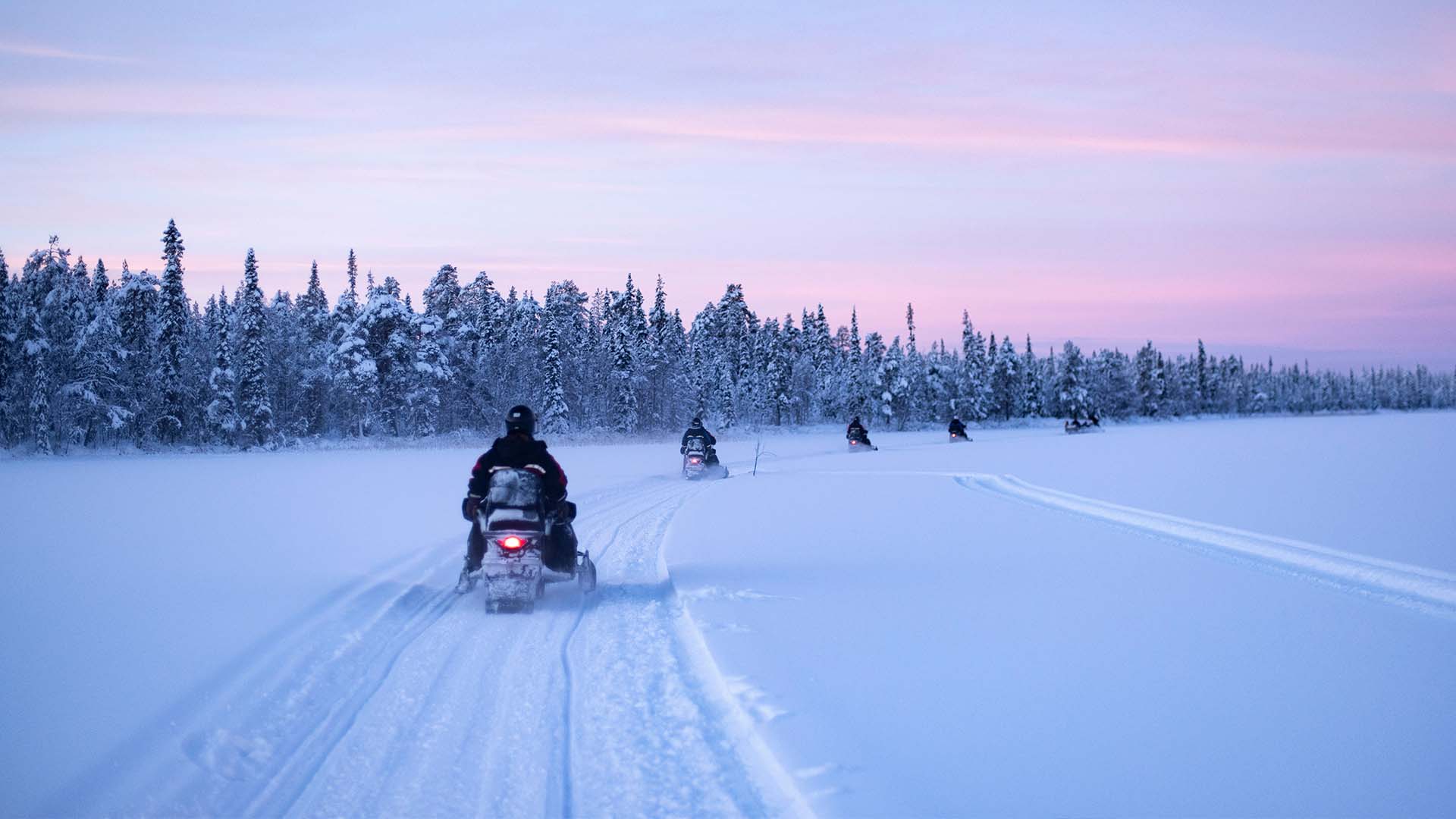
For decades, snowmobilers and over-snow vehicle users accessed National Forest lands under a common-sense system that allowed winter travel where conditions were safe, snow depth was adequate for their machines, and site-specific closures were actually justified to remedy damage. However, that all changed through the Forest Service Travel Management framework. Instead of managing actual problems where they occur, the agency shifted toward a system that forces forests to draw lines on maps and then prohibit over-snow vehicle use outside those lines.

This rule was not passed by Congress. It was created administratively through agency regulation and later expanded after litigation from anti-access groups. Congress never directed the Forest Service to create a separate nationwide winter travel planning program. The agency already possesses ample authority to temporarily or permanently close areas where site specific resource concerns exist. A second travel management program serves little purpose beyond creating another regulatory tool to close our public lands. Today, 36 CFR Part 212, Subpart C requires the Forest Service to designate roads, trails, and areas for over-snow vehicle use, and once those maps are adopted, riding outside the designated system is prohibited. Subpart C requires the Forest Service to spend years designating winter travel separately from summer travel, despite the fact that the agency already has an extensive travel management process under Subpart B. It creates an entirely separate planning requirement, separate NEPA documents, separate maps, separate litigation opportunities, and separate opportunities for anti-access groups to chip away at winter recreation.

For example, on the Tahoe National Forest, the agency designated 414,721 acres for over-snow vehicle use out of the 850,000 acres with only up to 247 miles available for grooming. On the Stanislaus National Forest, only 119,104 acres were designated for cross-country OSV use, out of the 898,099 acres with only 24.7 miles of groomed trails and 58.4 miles of ungroomed trails. On the Lassen National Forest, 747,192 acres were designated open for cross-country OSV use out of 1.2 million acres.

These decisions determine whether families can ride, whether rural winter economies survive, whether local clubs can maintain grooming programs, and whether the public can continue accessing public lands during winter. Subpart C has turned winter recreation into a paperwork-driven permission system where access is lost unless users can fight forest by forest, map by map, and alternative by alternative.

This rule is outdated and should be rescinded. The Forest Service already has authority to close areas for public safety, resource protection, wildlife concerns, or site-specific conflicts. It does not need yet another nationwide rule that presumes winter motorized access must be restricted unless affirmatively designated open. A better policy would require site-specific evidence before closures, protect grooming routes and historic riding areas, and recognize over-snow vehicle recreation as a legitimate use of National Forest lands.

BRC is calling on the Administration and the Forest Service to rescind 36 CFR Part 212, Subpart C and replace it with a policy that protects access, respects local users, and manages real problems with targeted solutions using existing statutory authorities instead of broad restrictions.

Take action now and tell the Forest Service to rescind Subpart C and restore common-sense winter access on our National Forests.
Appreciate What We Do?

It takes a team of people to investigate, review, advocate and litigate in order to protect your rights to public lands. Please consider donating today so we can defend your ground.

Latest Articles
Categories