The operating rules for Lake Powell and Lake Mead are settled for about a decade, and recreation access survived the process in better shape than many expected. No operating rule adds an acre-foot to the river, so the reservoirs our communities depend on are still exposed to a deep drought. Here is what the Final EIS does, where it falls short, and what comes next.
Win a $74k+ Custom Side-by-Side & Trailer Package - Click Here
Articles: National Park Service
Outdoor Americans with Disabilities Act Heads to Senate Vote July 29 With 38 Other Public Land Bills, Including New Wilderness
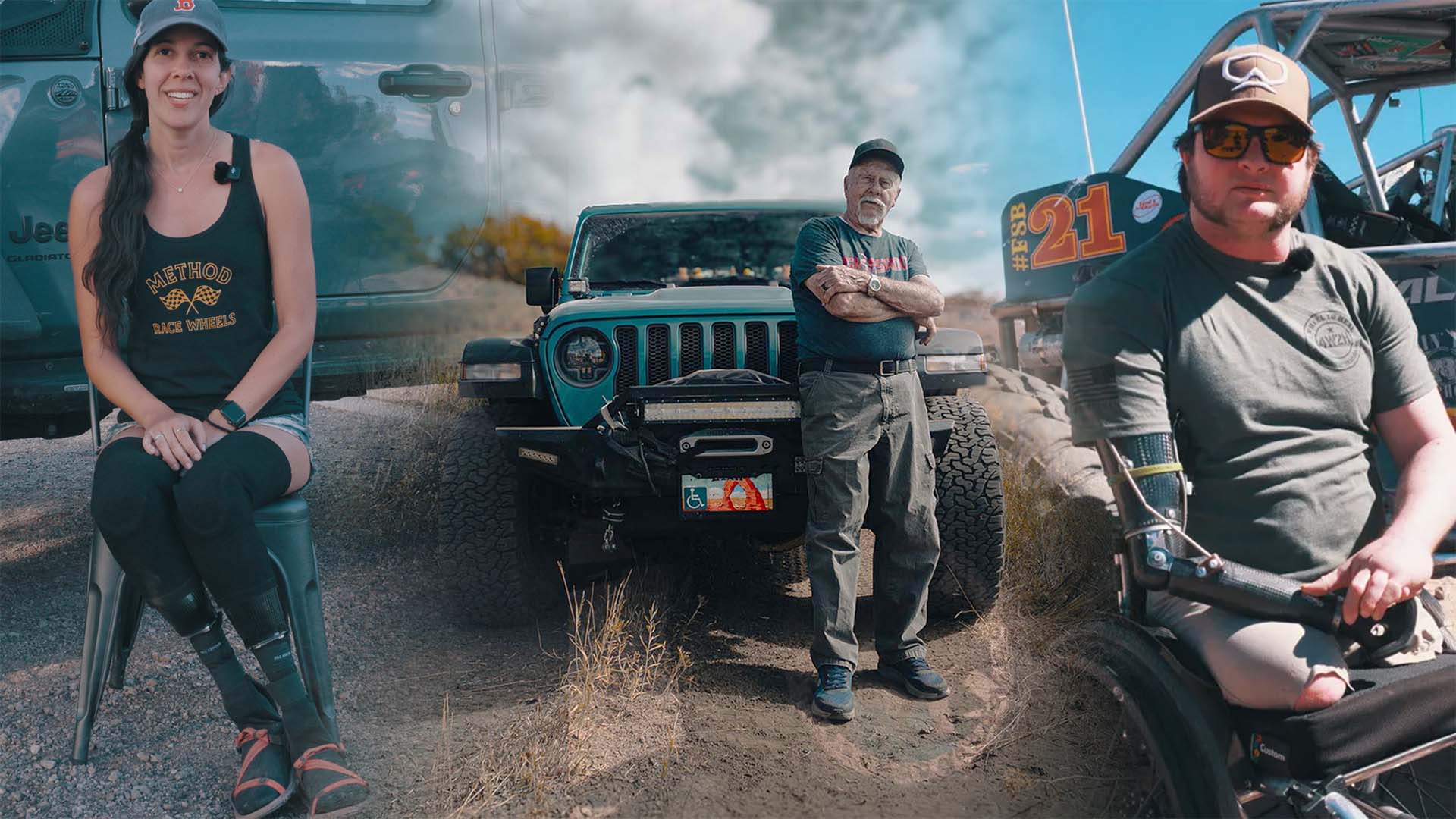
The Outdoor Americans with Disabilities Act, a bill BRC helped write to keep existing roads open, goes before a Senate committee on Wednesday, July 29. The same agenda carries wilderness bills that would permanently ban motorized use across millions of acres. Contact your senators today to support the Outdoor ADA and oppose the new designations.
EXPLORE Act Pilot Projects Will Count OHV and Dispersed Recreation, Help Shape How It’s Counted by July 29
A new federal recreation monitoring program under the EXPLORE Act will decide how OHV riding, dispersed camping, and snowmobiling get counted on public lands. BRC supports better data but is telling the agencies that visitation counts must never become a standalone excuse for closures or permit systems. Submit your comment before the July 29 deadline.
Stop Draining Flaming Gorge to Bail Out a Broken System — Support the Colorado River Abundance Act
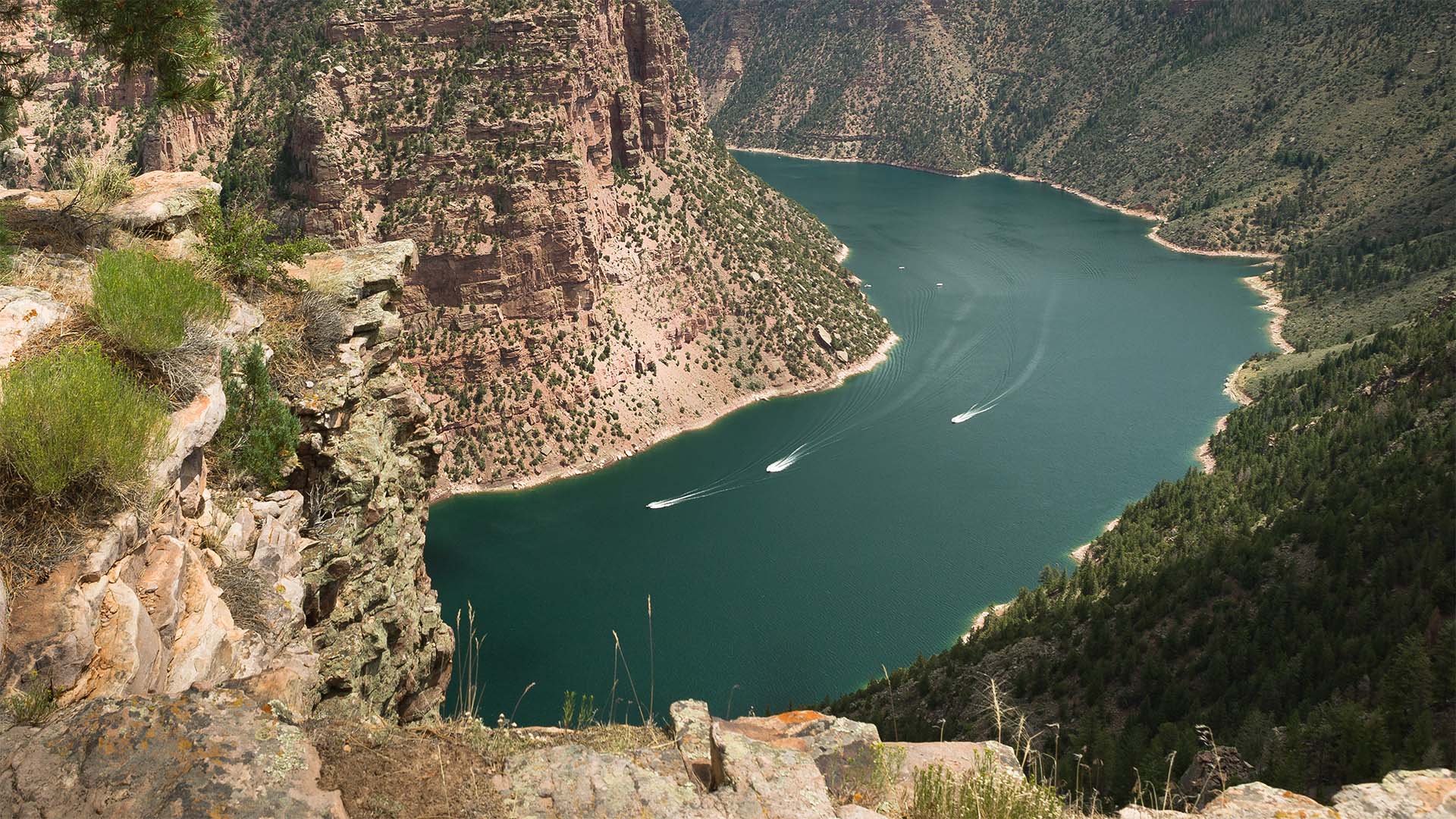
Flaming Gorge could lose a third of its water this year, closing boat ramps and damaging fisheries as the federal government scrambles to stabilize Lake Powell. The Colorado River Abundance Act, put forward by BRC, would deliver up to 7 million acre-feet of new supply so places like Flaming Gorge stop being the emergency backup plan. Contact your senators and representatives today and demand they back the Act before the October deadline.
Lake Powell Boat Access at Risk as NPS Plans New Ramps
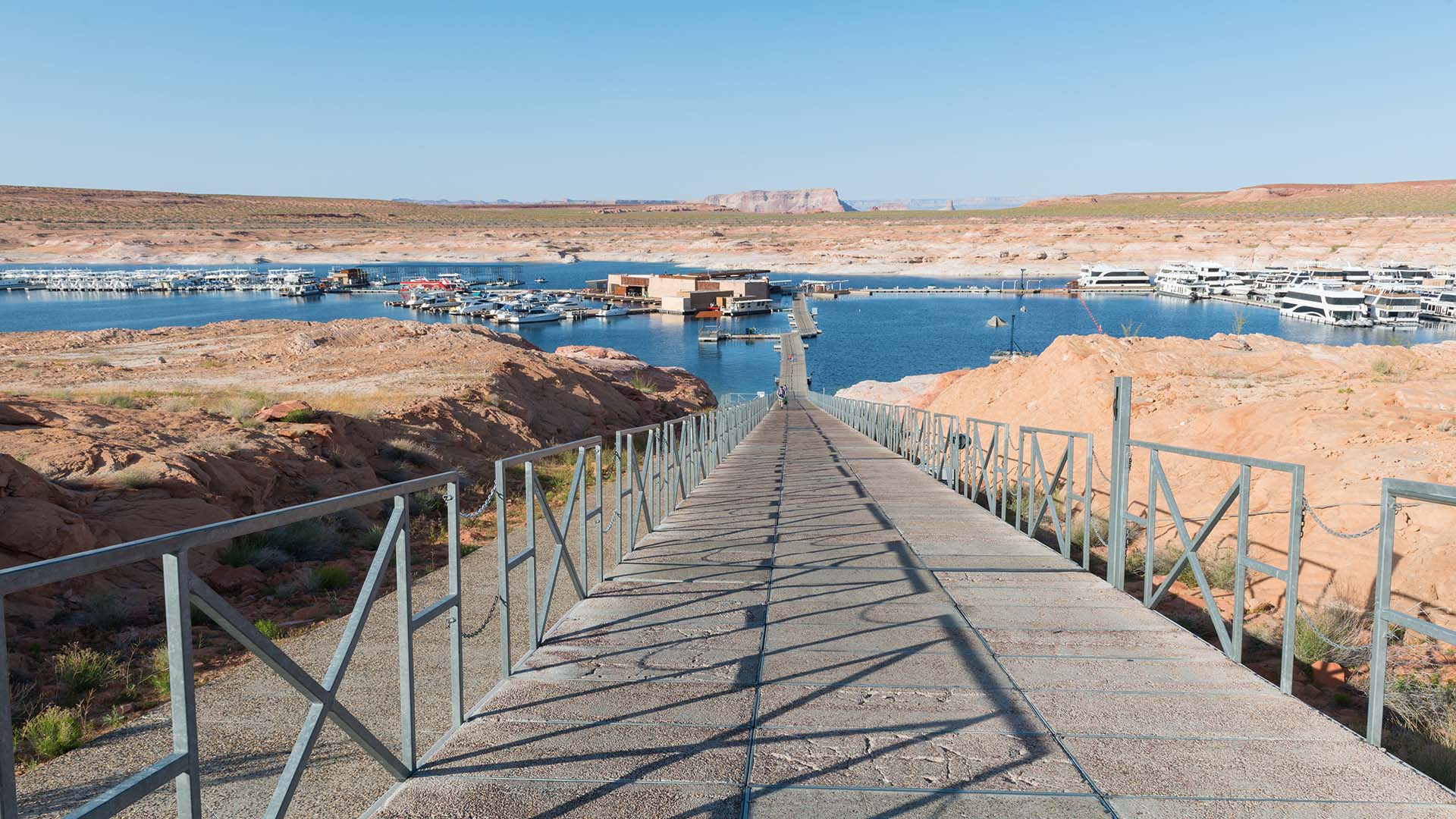
Falling water levels at Lake Powell have left launch ramps high and dry, cutting off boat access at Hite and straining Bullfrog. The National Park Service is proposing two new ramps to restore reliable access before conditions get worse. Submit your comment to NPS by April 24 and tell them to move forward with the new ramps.
Government Wash: A Temporary Closure That Improved Recreation Thanks to National Park Service
Government Wash at Lake Mead in Nevada is a case study in a land management agency noticing that management is failing, admitting why it’s failing, and doing the hard work to improve access and recreation.
Bureau of Reclamation Releases Draft EIS for Post-2026 Colorado River Operations: Key Alternatives and What They Mean for the West
The Bureau of Reclamation has released its long-awaited draft Environmental Impact Statement for the Post-2026 Colorado River Operational Guidelines, which will shape how the system is managed through 2060. The analysis lays out several alternatives and also recognizes BlueRibbon Coalition’s recreation-focused “Path to 3588’” proposal. We summarize the different alternatives below. You can weigh in on the decision that will define the region’s water future via our form below. Comments are open until March 2, 2026.
PRESS RELEASE: New Colorado River Abundance Act Aims to Protect Water Supply, Hydropower, and Recreation in the Western U.S.
7 million acre-feet of new water: BlueRibbon Coalition’s proposal addresses critical infrastructure & economic stability while respecting water rights & compacts.
12 Days of Legal Updates: Rebalancing Public Land Restrictions for Access
Earlier this year, we shared an infographic which illustrated how unbalanced public land restrictions have become. There are 640 million acres of public lands, and when you add up the acreage amounts of all the restrictive land designations, our multiple use lands...
America’s Red Rock Wilderness Act: The elitist plan to lock up Southern Utah’s public lands
A long-running bill dubbed the ‘America’s Red Rock Wilderness Act’ would radically reshape how millions of acres of Utah’s public lands are managed. Disguised as conservation, it would ban most recreation, silence local communities, and hand control to distant special interests—learn what’s really at stake and take action before it’s too late via the form below.