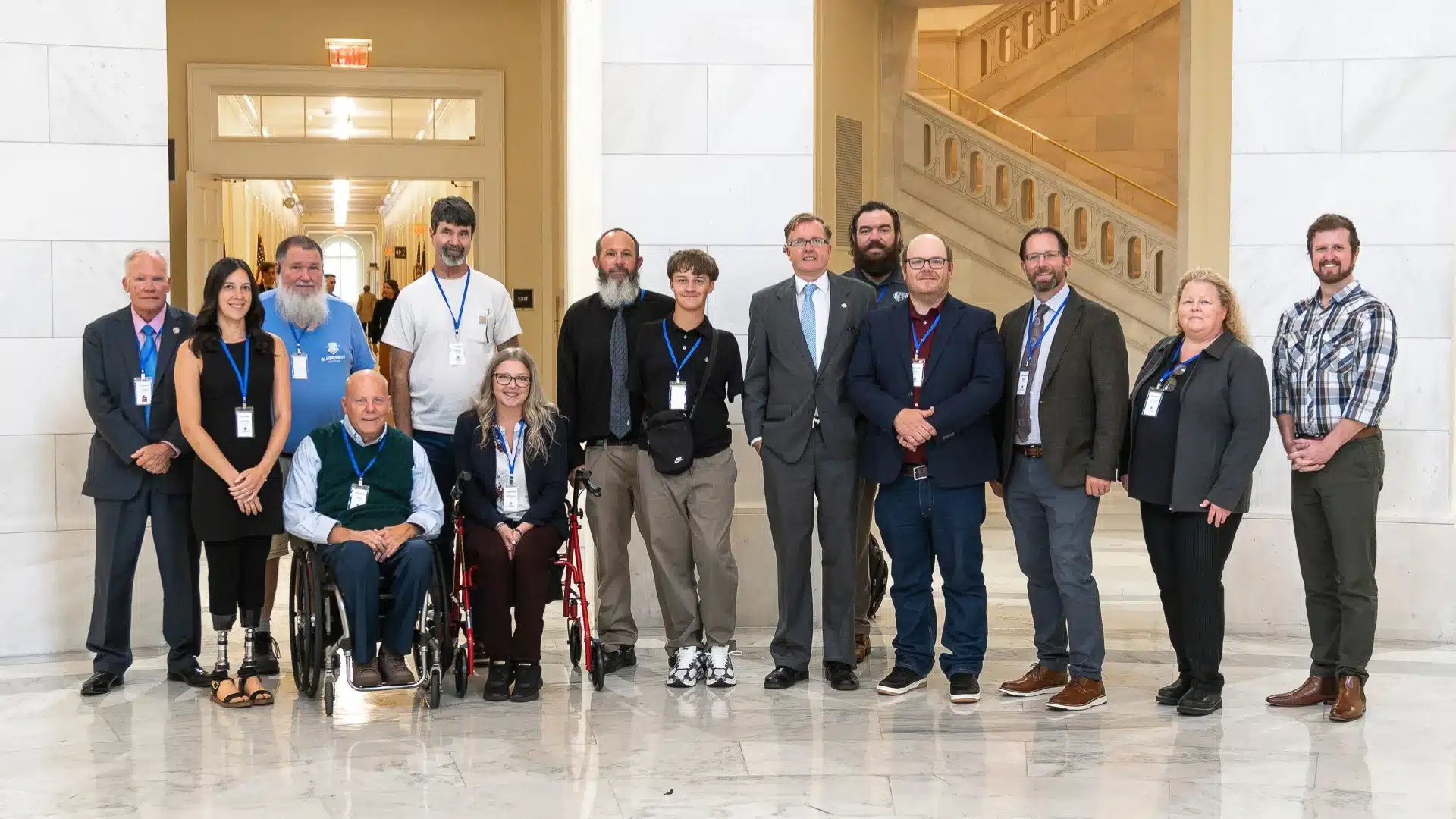
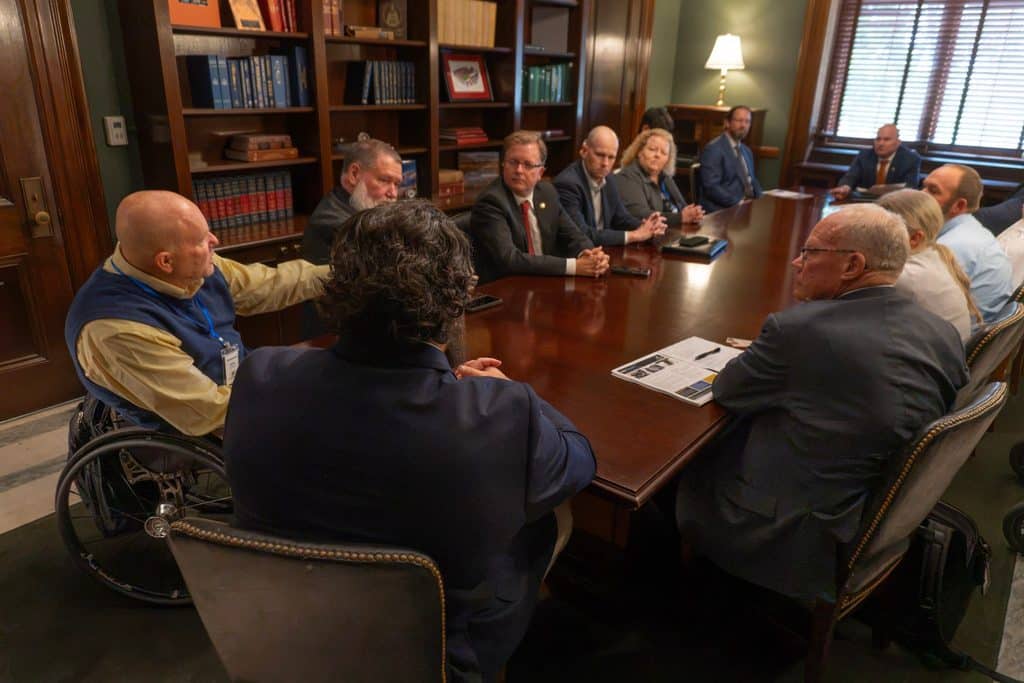
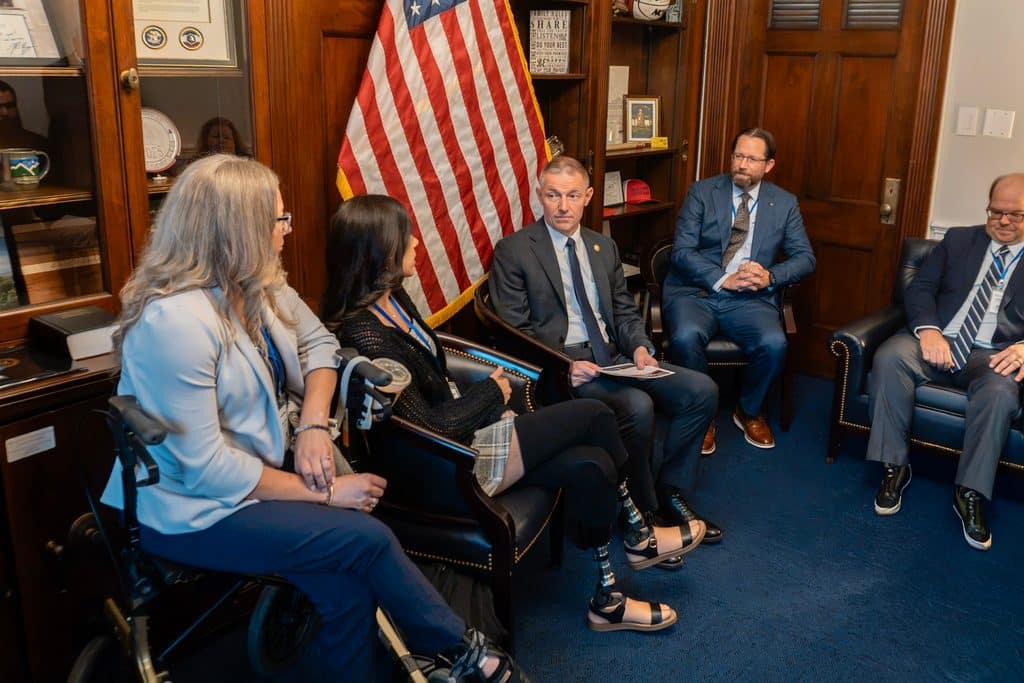
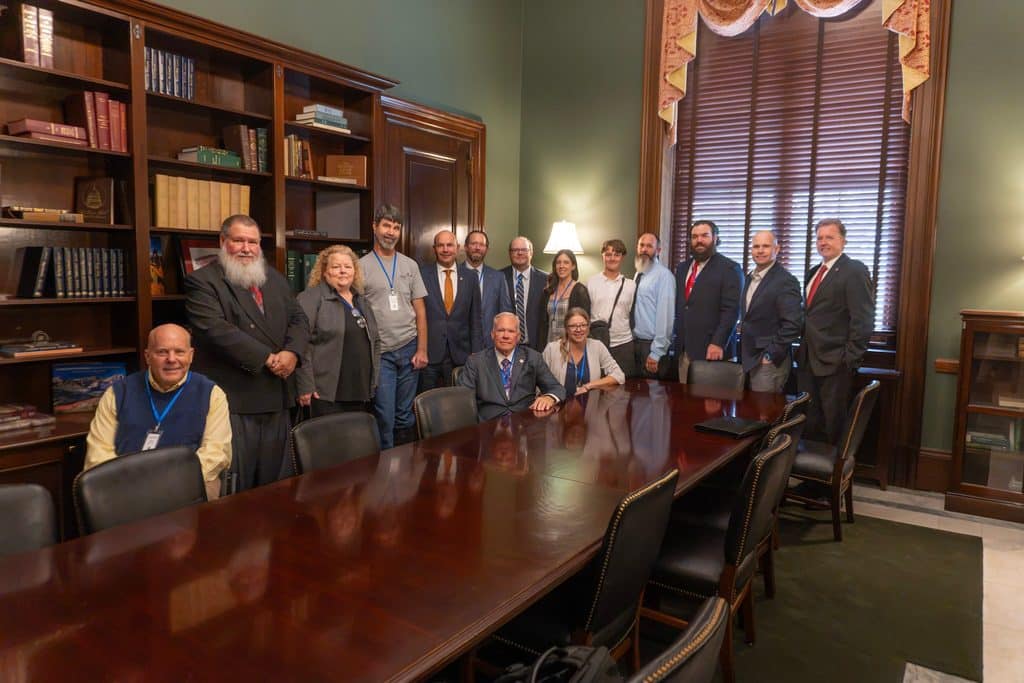
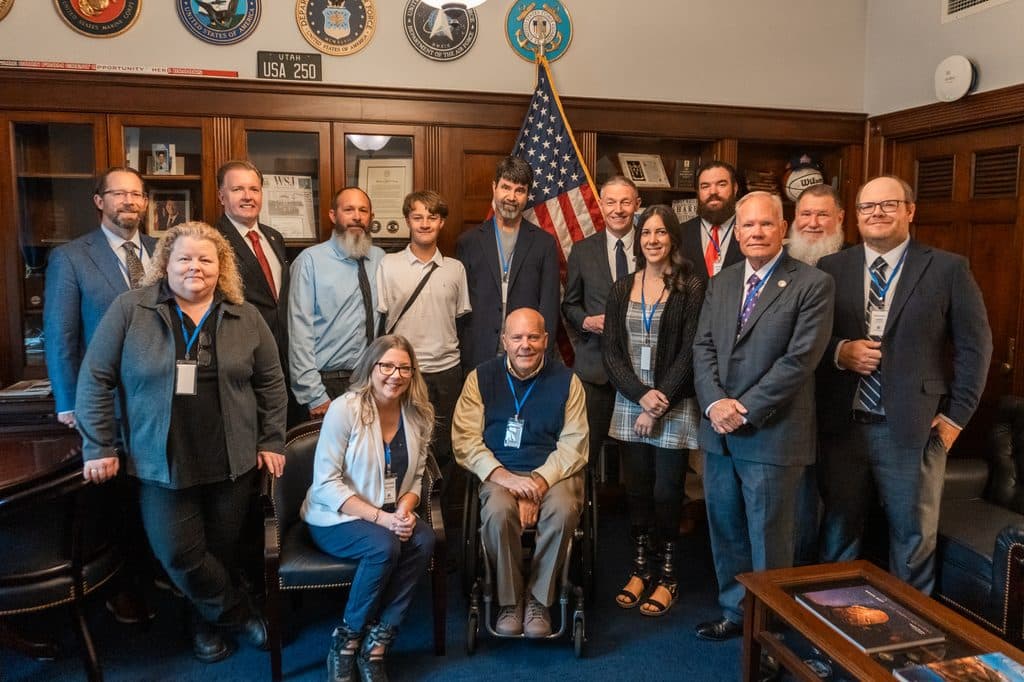
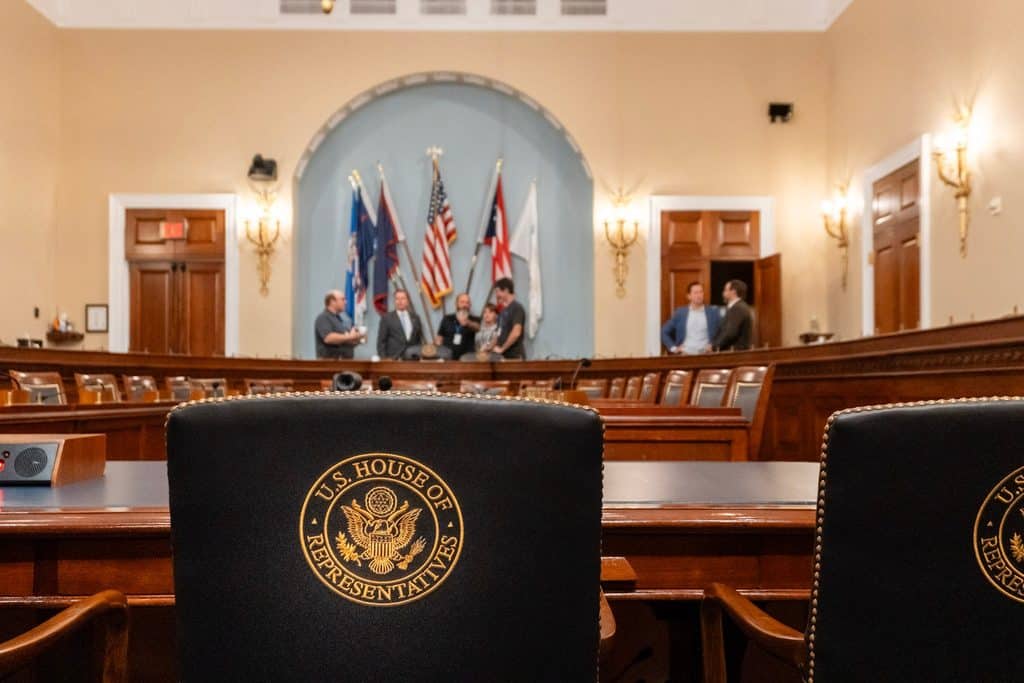
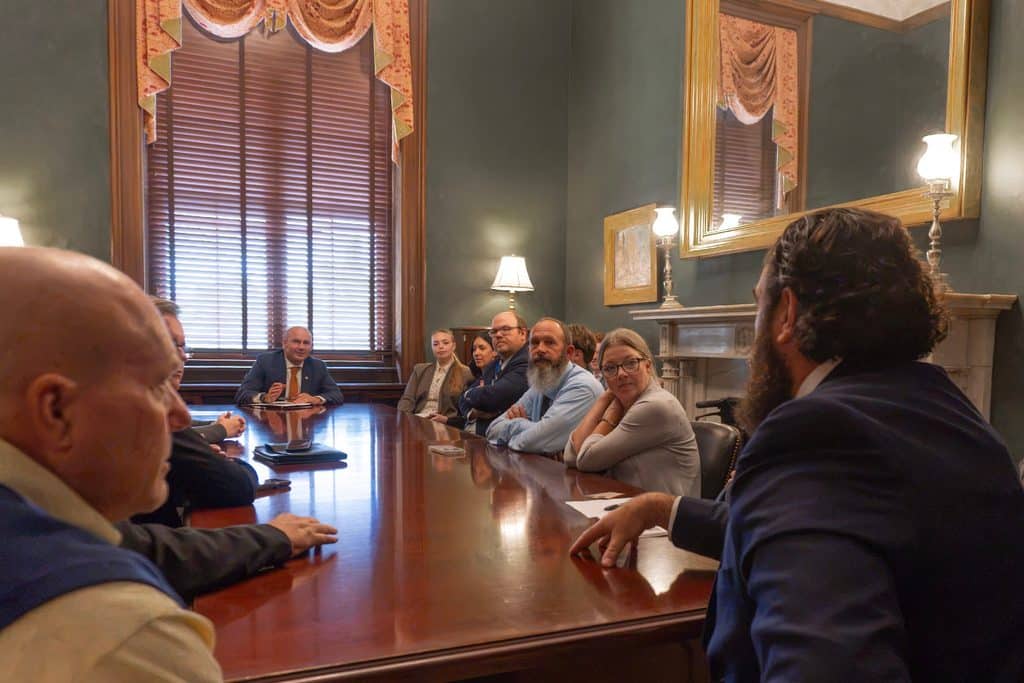
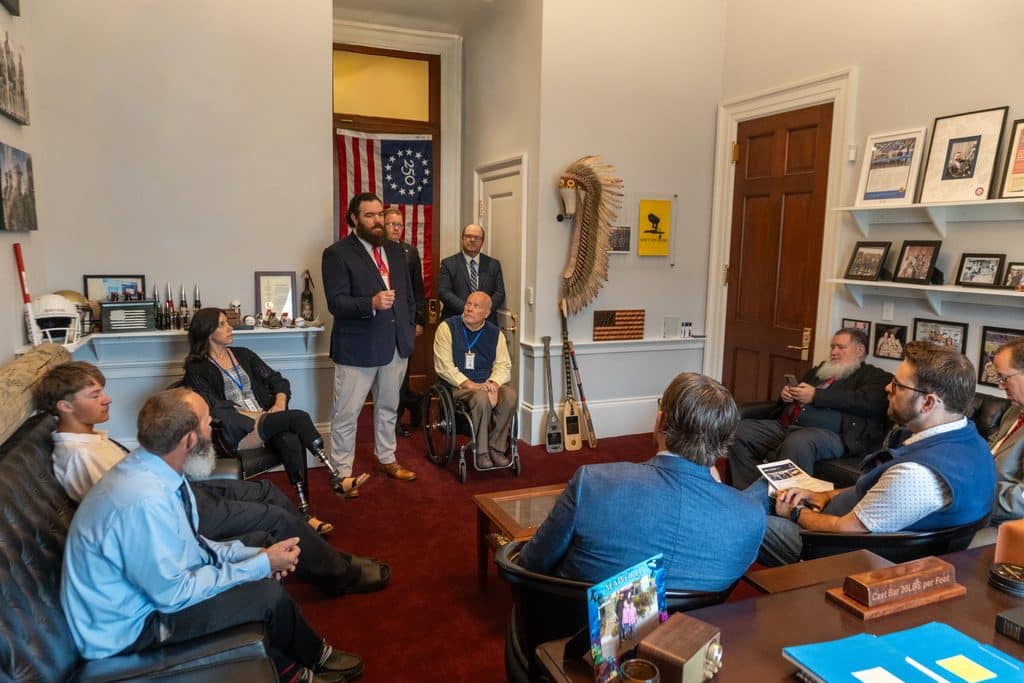
We brought advocates from across the country to Washington, D.C., to show lawmakers why motorized access is disability access.
Earlier this year when we launched our sweepstakes to give away a custom SXS we challenged our community to help us raise enough funds to bring a group of advocates to Washington, D.C. to build support for the Outdoor Americans with Disabilities Act. With your support we achieved our fundraising goal to make this happen.
Over the past year, we have seen the U.S. Senate advance the bill through the Senate Energy and Natural Resources Committee. During the summer, we were excited to learn that Representative Kennedy agreed to champion this bill in the House of Representatives. With the bill making progress through both chambers of Congress, we knew it was time to convene a group of advocates and get them to the nation’s capital to tell their stories about why it is so important to safeguard motorized access to our public lands.
What the Outdoor Americans with Disabilities Act Would Do
When federal agencies close roads and motorized routes, they often treat the decision as a change in recreation management. For people with mobility limitations, it can determine whether the surrounding public land remains accessible at all.
The Outdoor Americans with Disabilities Act would make accessibility a required part of federal travel planning.
The bill would:
- Require federal agencies to prioritize updates to travel management plans and motor vehicle use maps.
- Require those agencies to account for the amount of accessible road mileage available across public land.
- Direct agencies to work with state, local and tribal governments to identify routes that provide meaningful recreational access.
- Require accessibility to be considered when agencies make decisions affecting roads and motorized routes.
The legislation focuses on decisions involving existing roads and motorized routes while preserving protections for designated wilderness, national parks, temporary emergency closures and other excluded areas.
For people with mobility limitations, that distinction is not abstract. It shapes where they can go, what they can do and whether public land remains public to them.
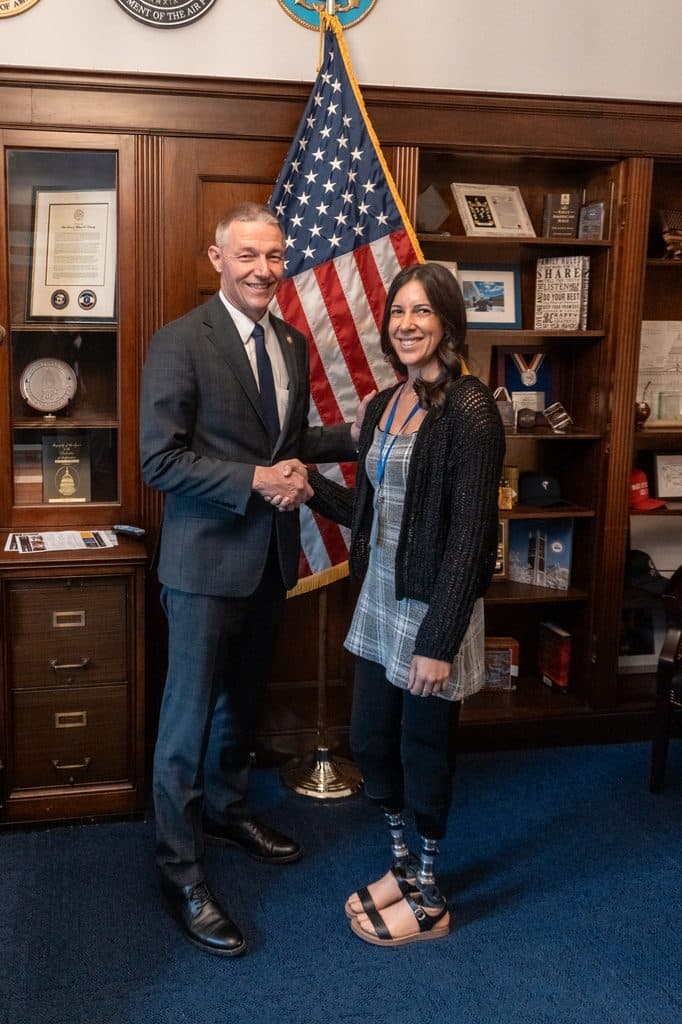
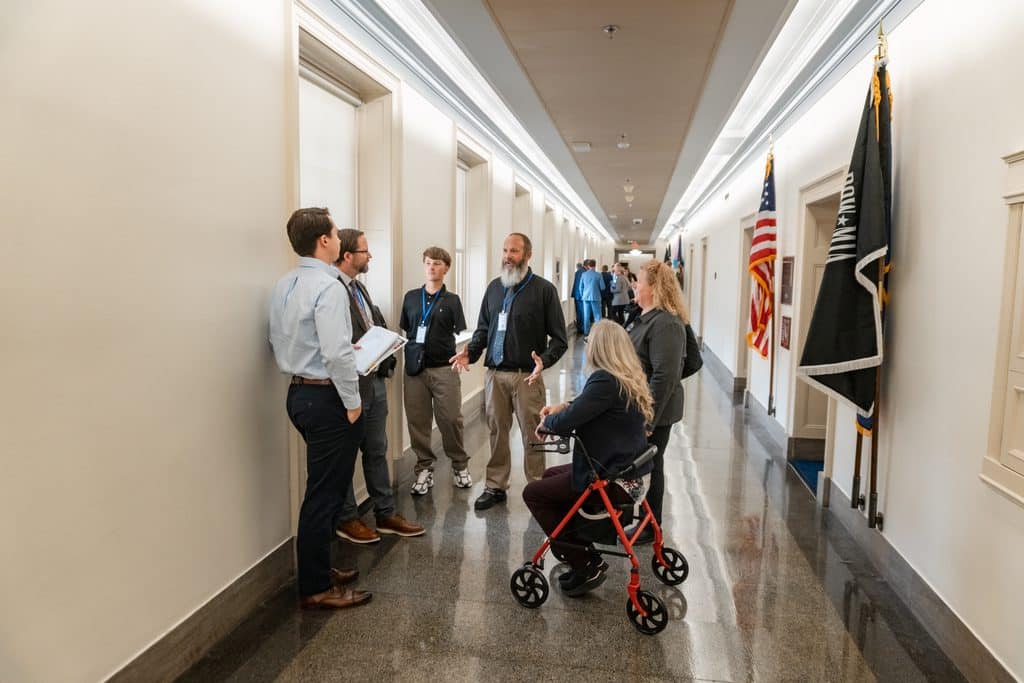
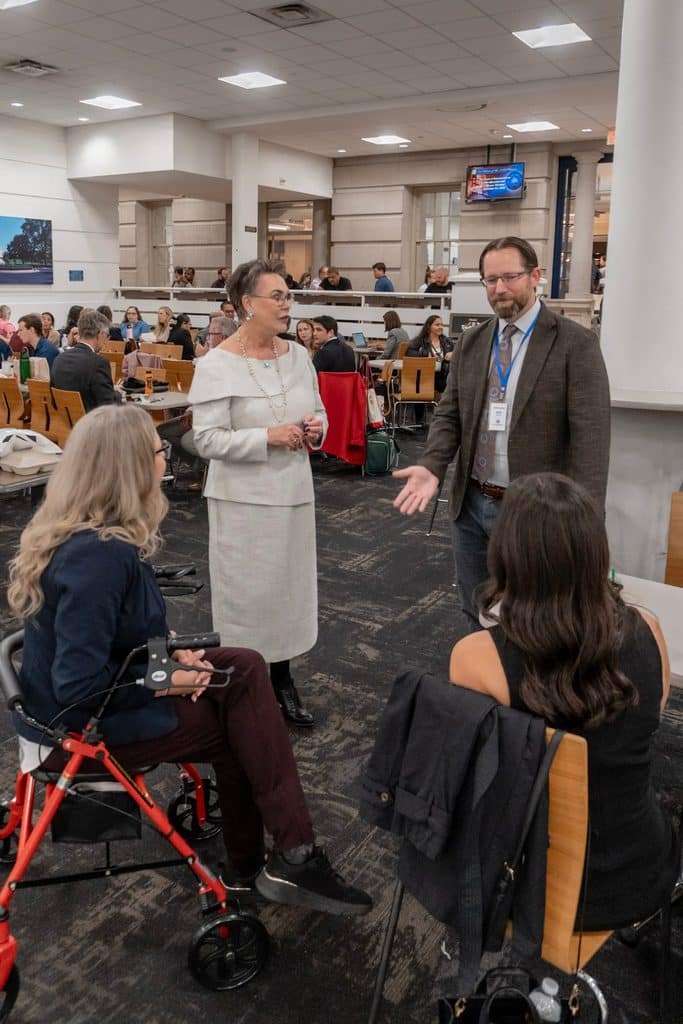
Meet the Advocates We Took to D.C.
The advocates who traveled to Washington came from different states and different circumstances. Some had spent their lives outdoors before an injury or diagnosis changed how they could reach it. Others had never experienced the outdoors without adapting vehicles around a disability.
Each found a different way forward. Every one of those paths depended on motorized access.
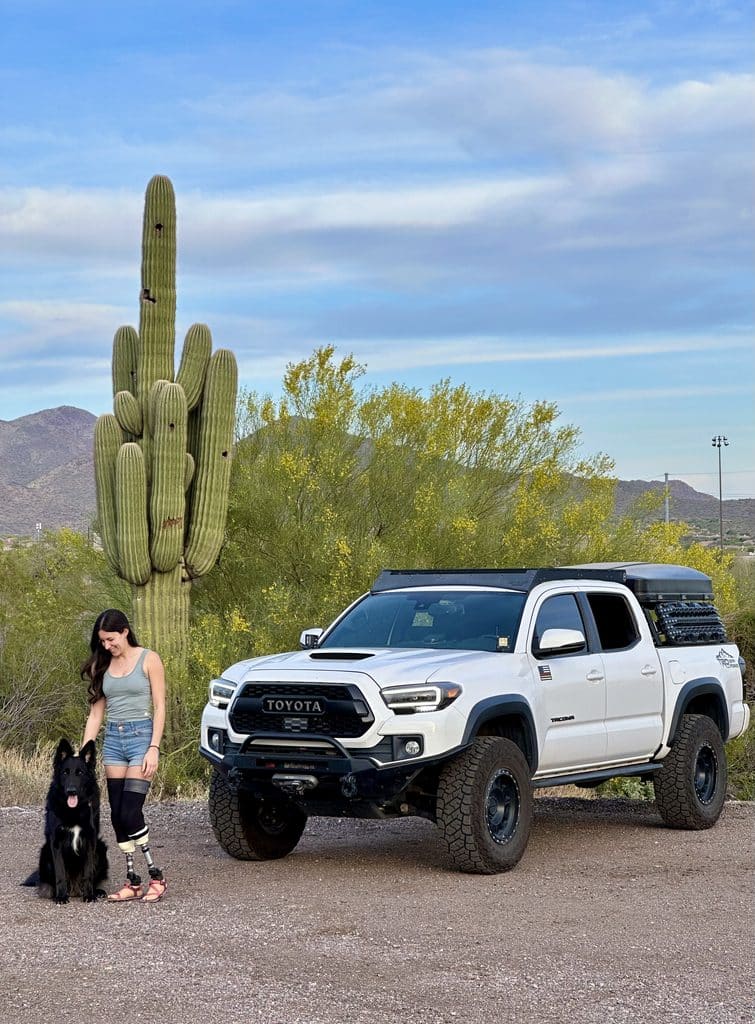
Alyssa, Arizona
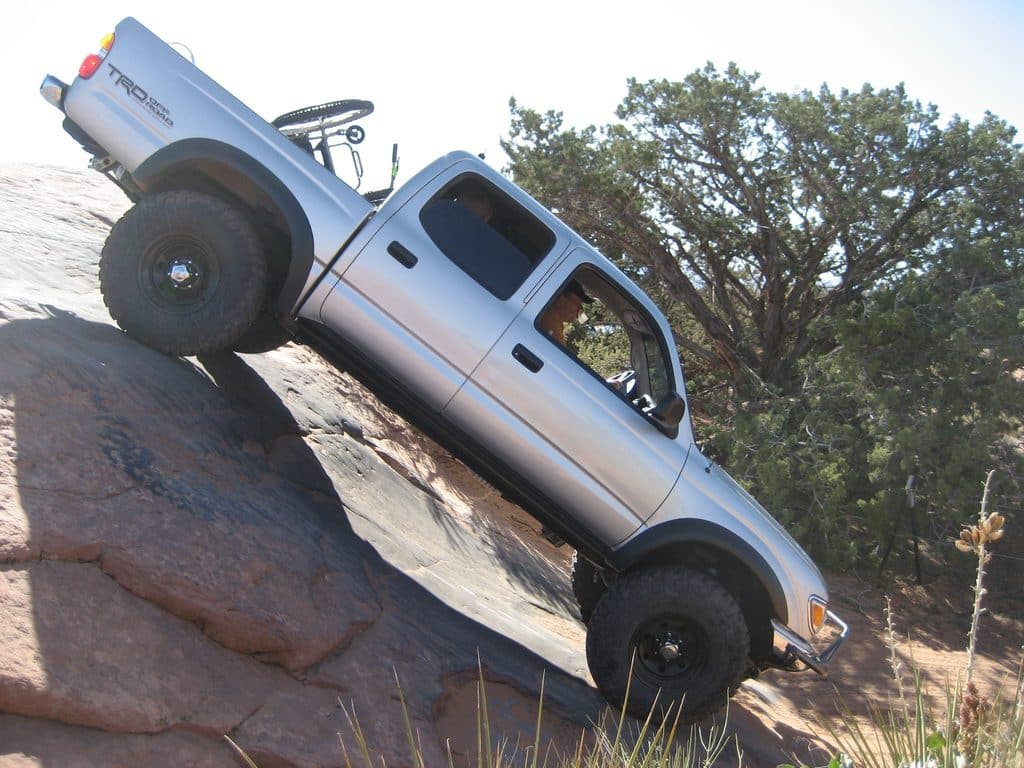
Alyssa grew up playing sports and spent her college years in Flagstaff hiking, snowboarding, and exploring the mountains. At the end of her senior year, a leg injury led to sepsis and four months in ICU. Her left leg was amputated below the knee, and eventually she chose to amputate her right leg. Hiking became all but impossible. She saved up for a Toyota Tacoma and started exploring trails across Arizona, then Utah, Colorado, and California.
"My truck wasn’t just giving me back independence around the city—it was giving me a way to be independent outdoors again. With it, I’m able to build a life that feels like my own." — Alyssa
Melissa, Washington
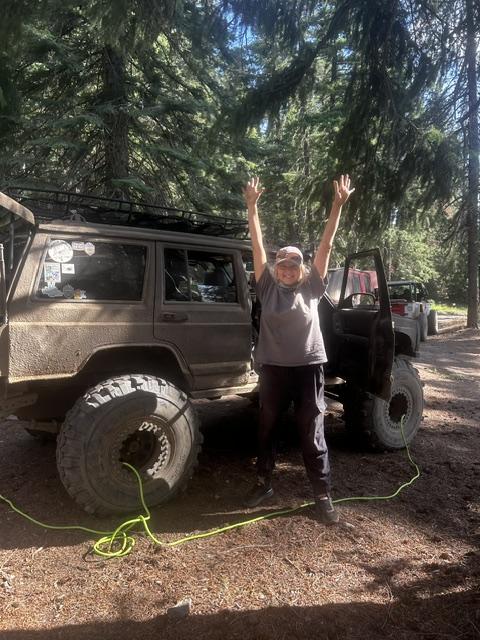
Melissa was a dancer, spent 21 years as a nurse and had never heard of CIDP until she was the one diagnosed with it. The autoimmune nerve disorder began as numbness in her right foot. Five years later, it had reached both knees and her hands, and even walking became difficult. Melissa and her husband used to spend most weekends hiking with their three kids, so the family needed a new way to be outside together. They joined the Timber Tamers jeep group, and today Melissa can still get on the mountain and experience the outdoor recreation they fell in love with.
"Keeping trails open allows people like me to still experience the hobby I loved so much." — Melissa
Marc & Colton, California
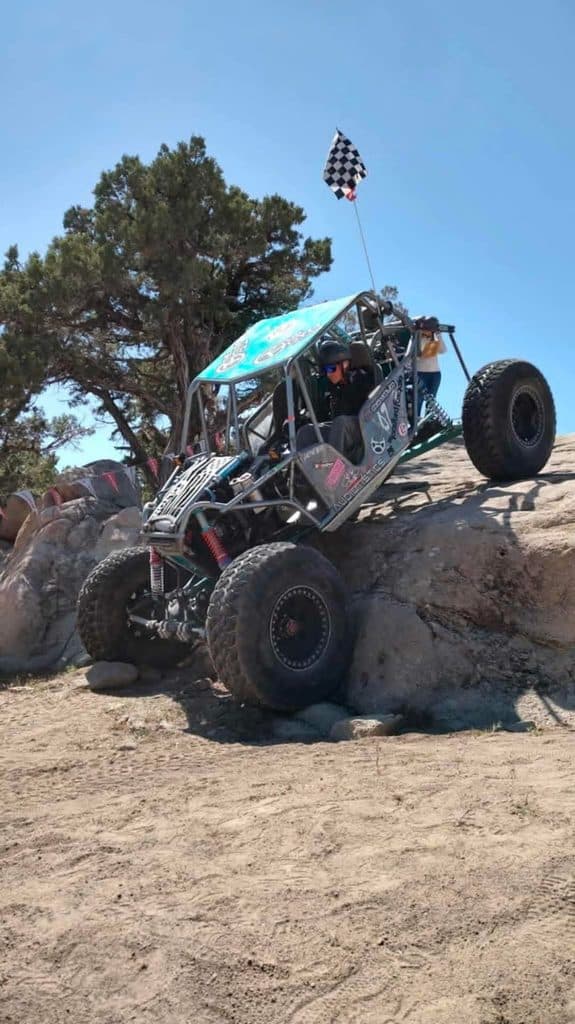
Colton was born without arms. His mother, Carmen, was diagnosed with multiple sclerosis and slowly began losing her ability to walk. The world suggested off-roading — the activity which Colton’s father Marc says is “everything” for them — was out of reach. Marc, who is a fabricator, refused to accept that. He built Colton a buggy he drives entirely with his feet and rebuilt a Smart Car so Carmen could stay on the trails with the family. Today Colton takes the wheel himself and Carmen is still able to join her family on the trails.
"For many people, experiencing the outdoors is deeply personal, serving as a powerful space for health, reflection, and life perspective. Without motorized access, individuals with disabilities would not be able or permitted to enjoy the peace and wonders of the outdoors." — Marc
Rick, Utah
Rick is an avid outdoorsman. In 1981, a spinal cord injury at C-6/7 from an automobile accident left Rick permanently paralyzed and using a wheelchair. He went on to be ranked No. 1 in the world in quad wheelchair tennis and to win Paralympic gold with Team USA in wheelchair rugby at the 2000 Sydney Games. Some of the ways Rick once reached the outdoors are now limited or no longer possible, but his desire to keep enjoying them remains intact.
"Accessibility is a fundamental and essential component of recreational opportunities for everyone." — Rick
Brent, Oregon
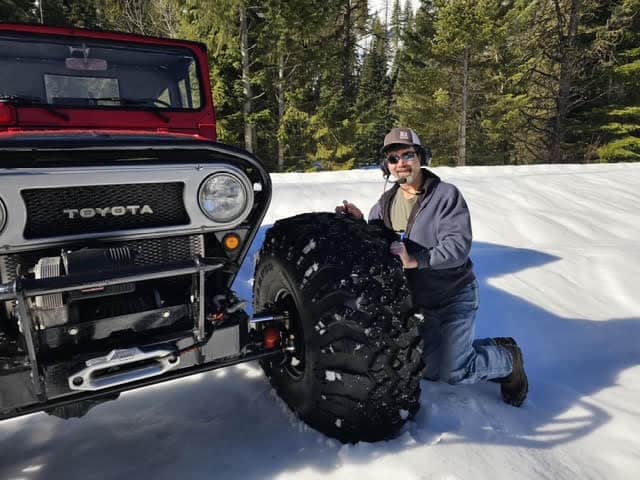
On May 19, 1991, a motorcycle wreck in the mountains of northeastern Oregon broke 20-year-old Brent Oliver's neck at C3–C5. Both lungs were punctured, his trachea and esophagus were severed, and it took roughly two hours of CPR to get him to care. That should have defined the limits of the rest of his life. It didn't. In 2018, doctors told Brent his spinal cord was deteriorating, and he decided he would not spend whatever time he had left protecting himself from life. The mountains are where he finds peace, freedom, and perspective
"A closure, a gate, a fallen tree, or rough terrain that is a minor obstacle for someone else can be the end of the road for me. When access is denied, it does not stop at one gate. It trickles down. Every layer of access denied compounds the last, until the person who needs it most is the one left out entirely." — Brent
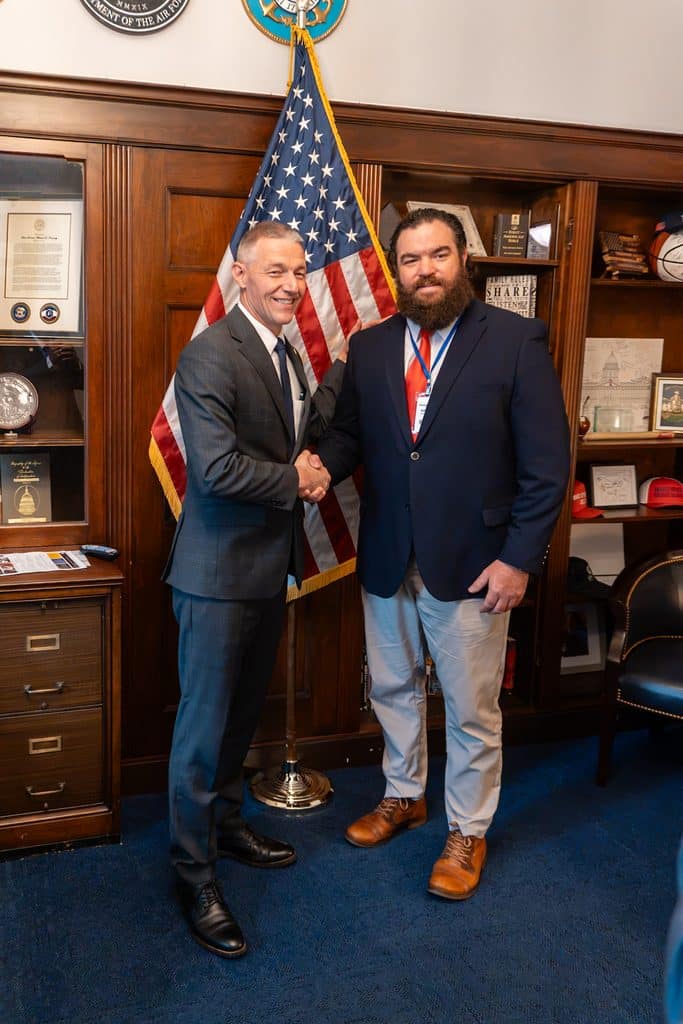
Nate, Maryland
Nate Ramos joined the U.S. Air Force in 2000, supported the A-10 Warthog mission at Pope Air Force Base, and deployed to southern Iraq in support of Operation Iraqi Freedom. Today he is a retired, disabled veteran and the co-founder and executive director of 4 Wheel to Heal, a nonprofit that has provided Off-Road Therapy® to wounded and disabled veterans since 2011. On the trail, they don't ride along as passengers. They participate, solve problems, challenge themselves, and become part of a team again. The veterans in wheelchairs featured in BlueRibbon Coalition's Operation: Accessible video were 4 Wheel to Heal warriors.
"For someone adjusting to a life-changing injury or disability, there can also be losses involving independence, physical ability, military identity, camaraderie, responsibility, participation, confidence, and purpose. Access gives our warriors opportunities to remember their value in society." — Nate
The Most Inspiring Meeting of the Week
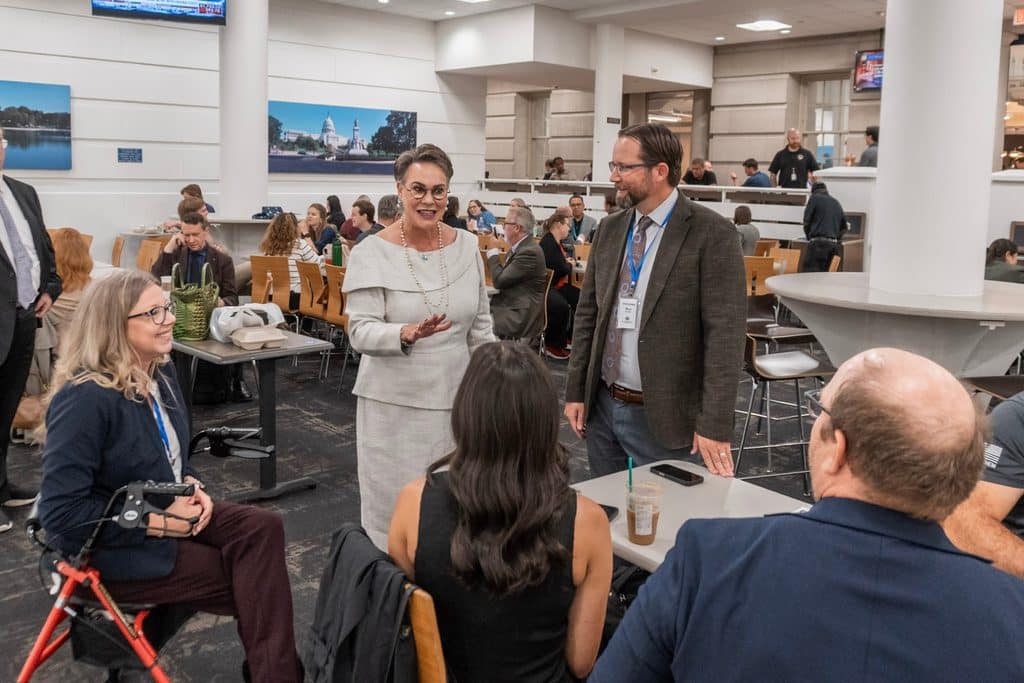
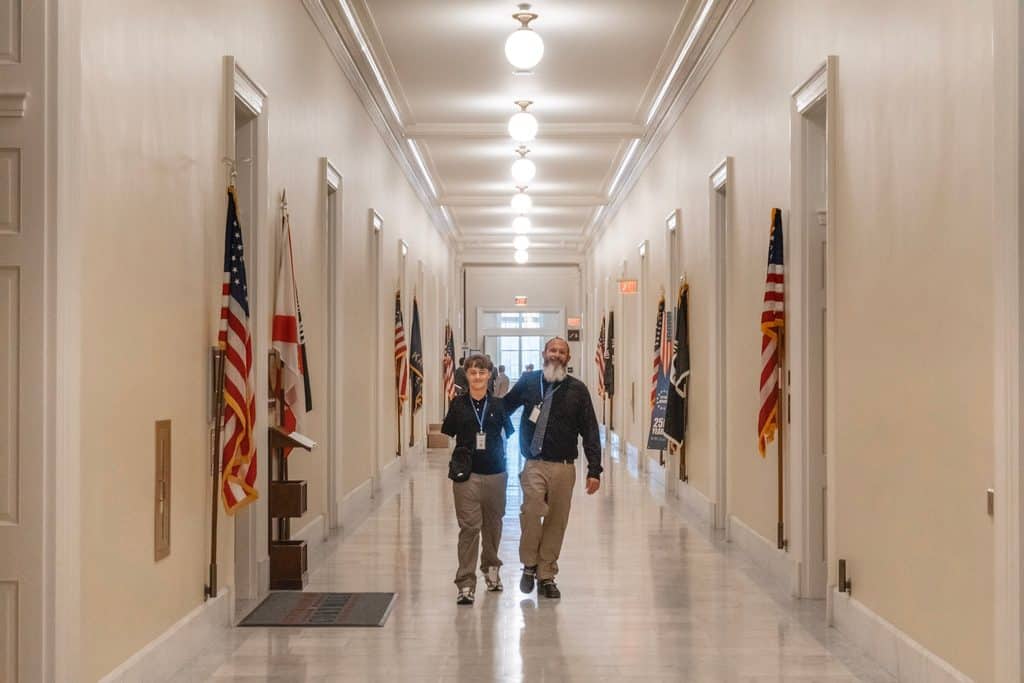
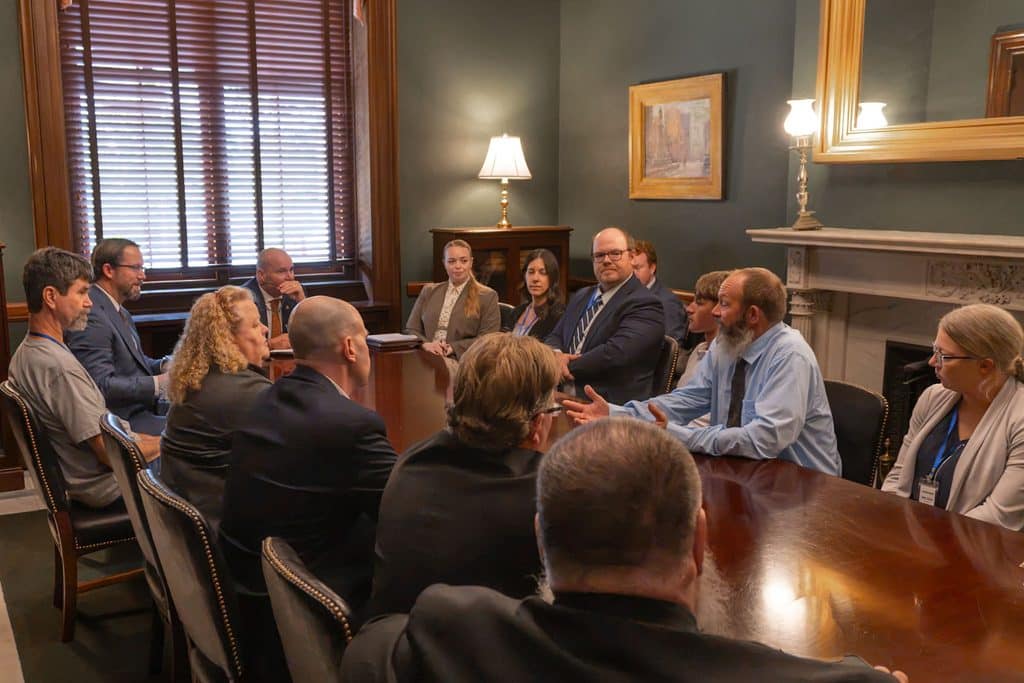
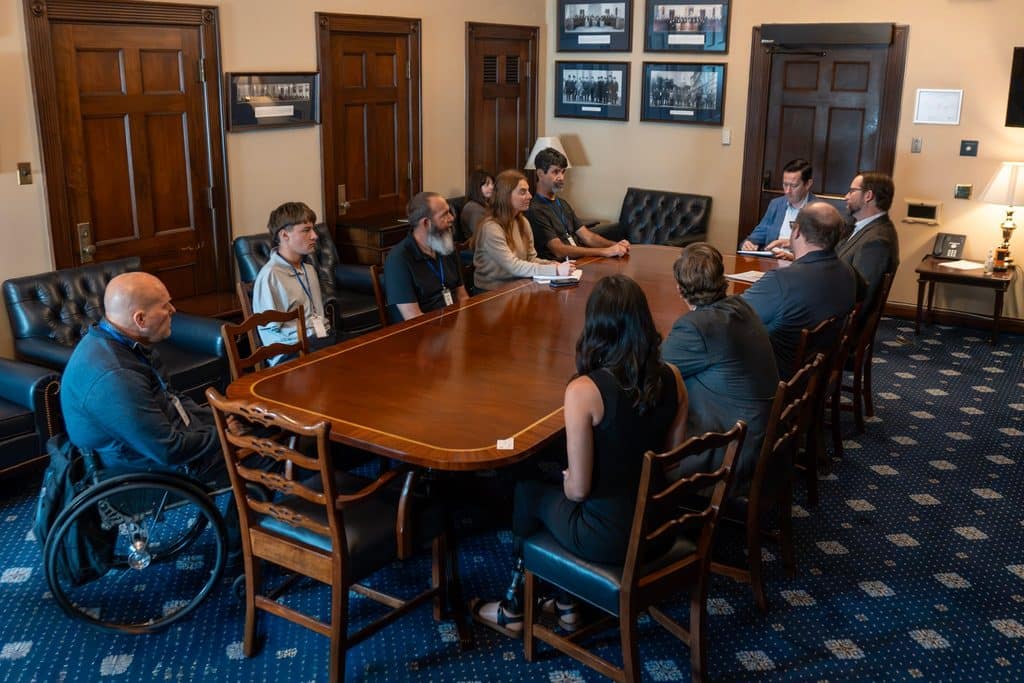
With stories like these it is no surprise that everyone we met with told us that our meeting was the most inspiring meeting of the week. We expect a wave of support to grow for getting this bill passed, and we left with many commitments from different offices to support the bill.
The most common response we heard was that the Outdoor Americans with Disabilities Act is just common sense. We weren’t asking for a handout. We weren’t asking for a major change in policy. All we were asking for was for federal law to require land managers to keep motorized access routes open, so that more areas of our public lands are open and available for Americans with limited mobility to enjoy.
While we ended every day exhausted from a day of meetings, we’re convinced that the movement we’re leading to get this bill passed is only going to grow. We now know that if we just get a chance to share these stories with decision-makers, they will be convinced that supporting our cause is the right thing to do. We also know that our group of advocates is just a small representative group of more than 45 million Americans with a disability of some kind that would benefit from a bill that protects their access to enjoy our public lands.
The Next Steps Are Clear
We need to push hard through the end of the year to keep increasing support in the halls of Congress. We know there will be a heavy push during the final months of the year to pass a large number of bills. We can’t get lost in the noise.
This Is Where You Come In
We need to continue raising funds to keep the message resonating. We were able to bring Brent, Alyssa, Colton, Rick, Melissa, and Nate to Washington because of your generous support. It was this plan to bring these advocates to DC that motivated the sponsors of our Custom SXS sweepstakes to support the cause. It was because of the direct support of R1 Industries, Moab Tour Company, Karl Malone ADS, SLOREX and many others that we were able to offer this amazing prize to support this cause. These companies made this possible, and they should be proud of what their support has accomplished.
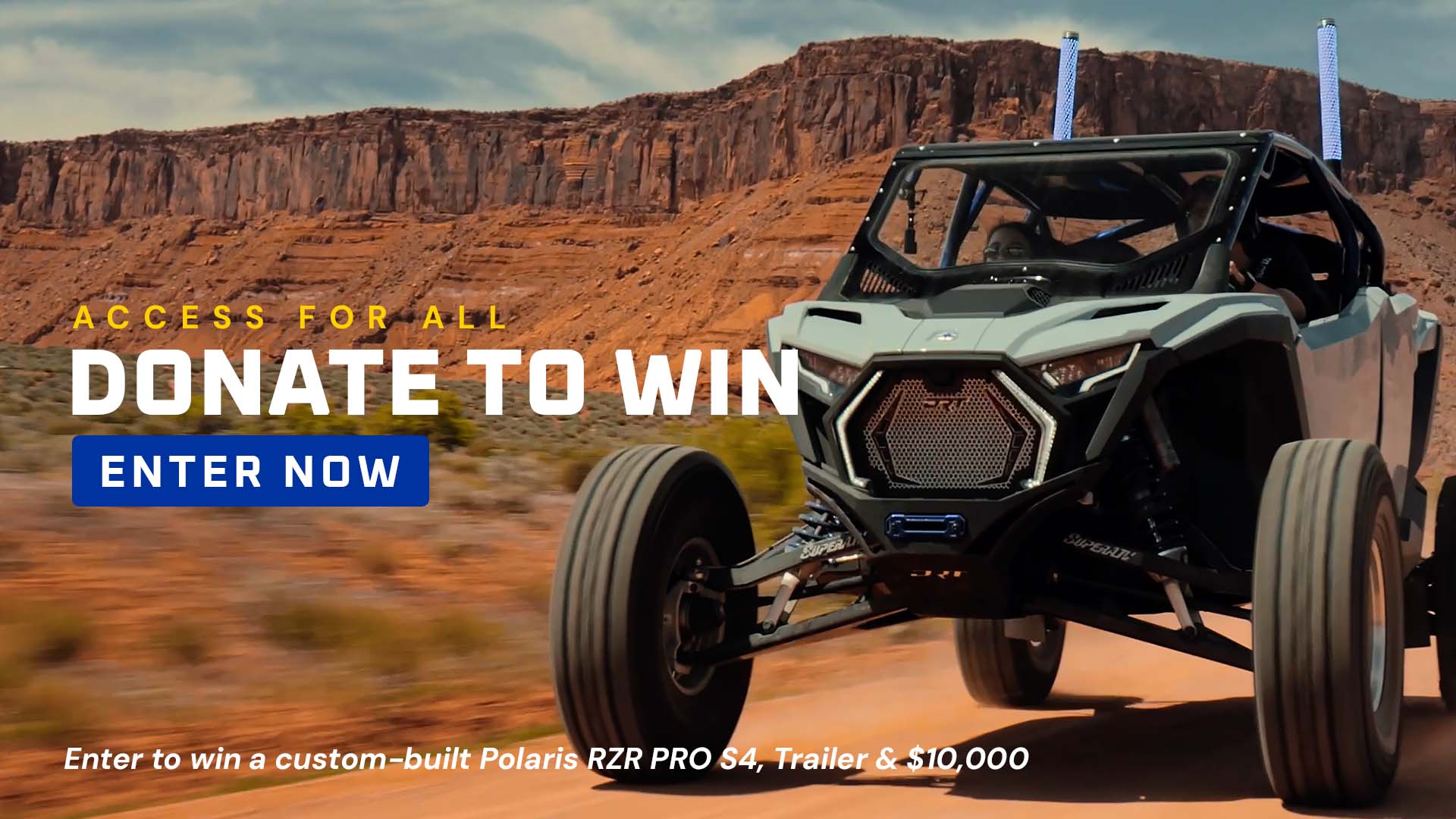
Our sweepstakes for our custom SXS & $10,000 ends on October 4! If you want to support our ongoing efforts to ensure the Outdoor ADA bill gets across the finish line, enter using promo code OUTDOORADA. With this promo code, we will give everyone who enters DOUBLE bonus entries— our biggest multiplier!
In addition, anyone who donates $50 or more will receive a FREE Operation: Accessible t-shirt, so you can show your support!
We are going to push hard to get this bill passed before the end of the year. But we know that it can sometimes take years to pass a bill through Congress. Every single one of our advocates has overcome challenges that were much more difficult than passing a bill in Washington D.C.
They won’t quit, and neither will we.
Or use code OUTDOORADA on the form
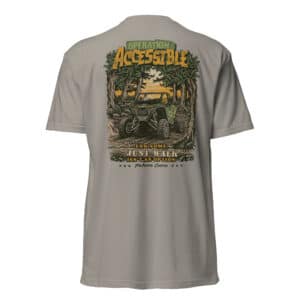
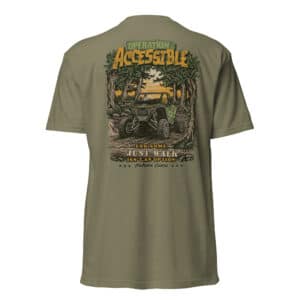
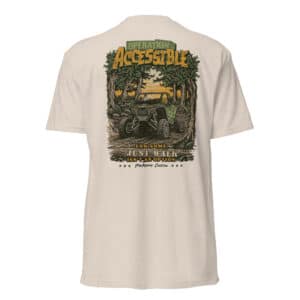
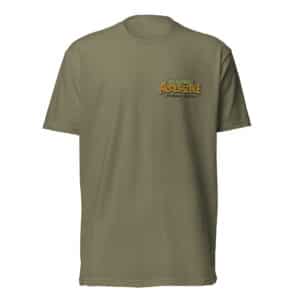
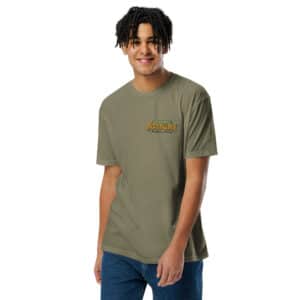
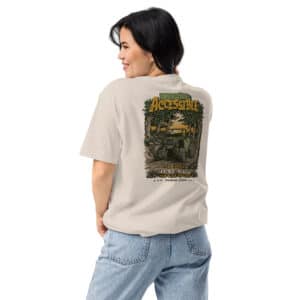
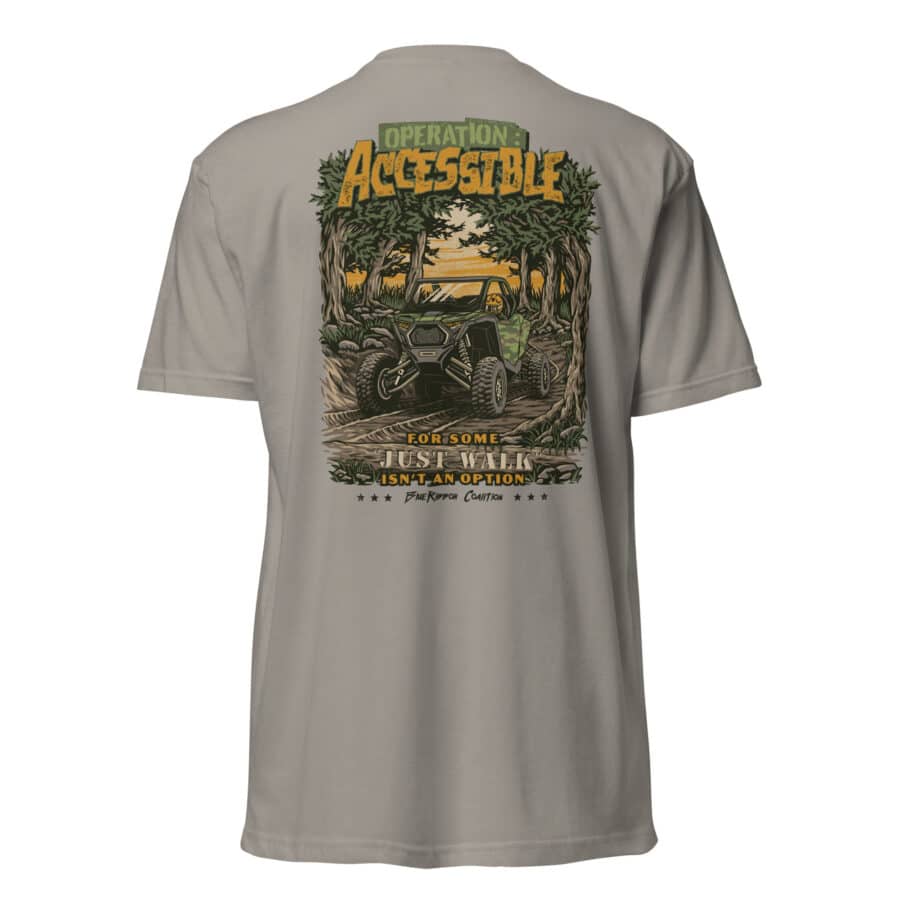
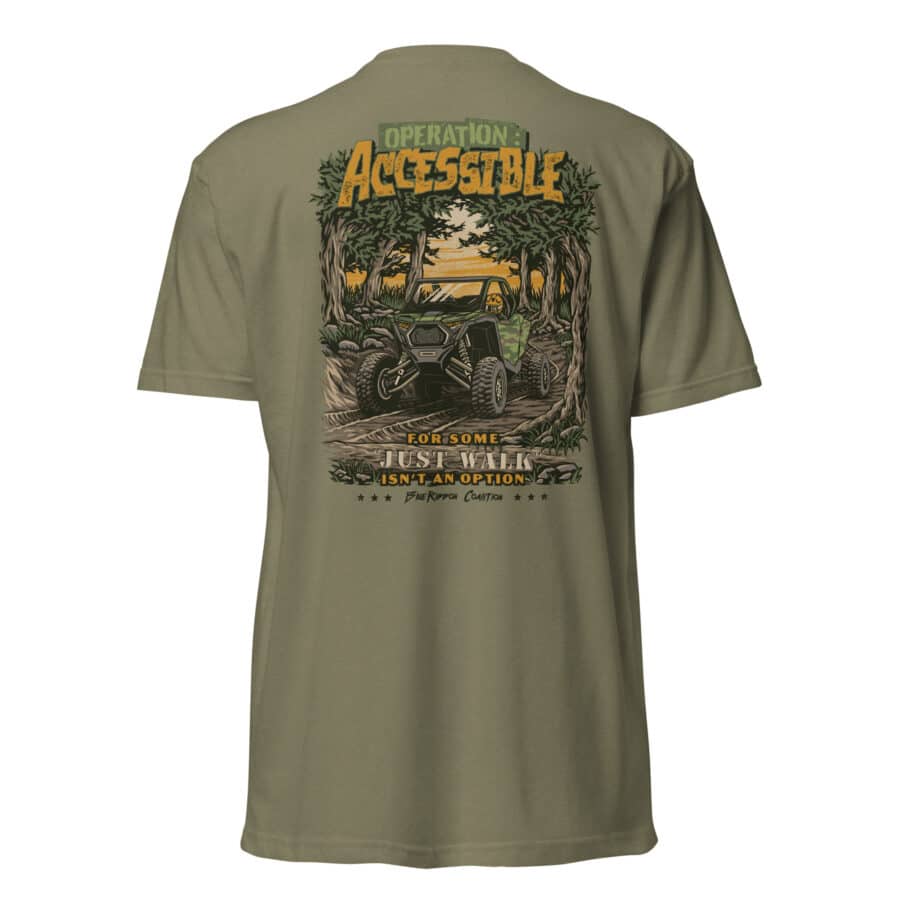
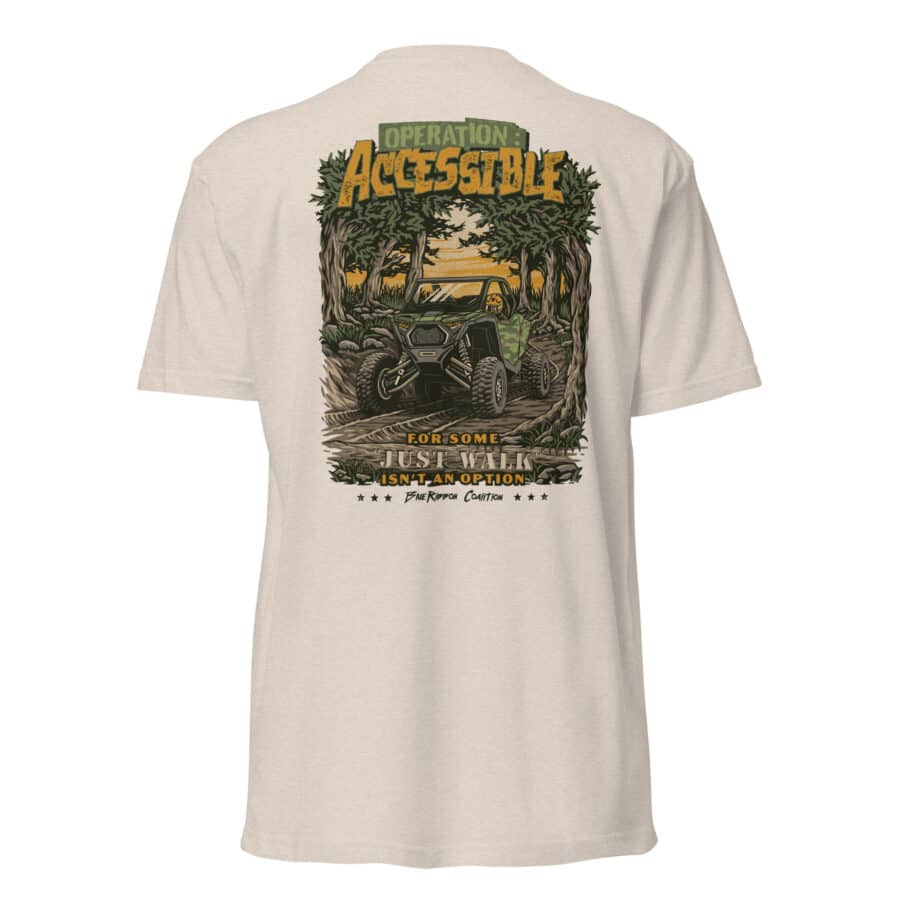
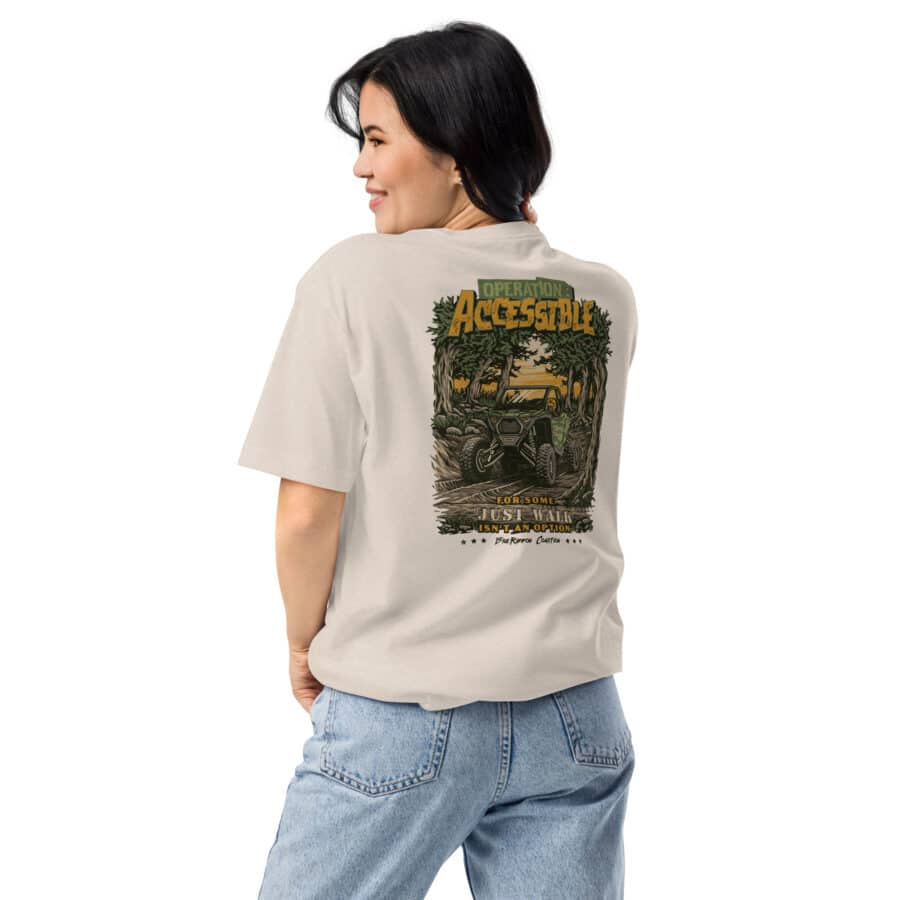
Operation:Accessible SxS – Unisex Fitted T-Shirt – Next Level 6210