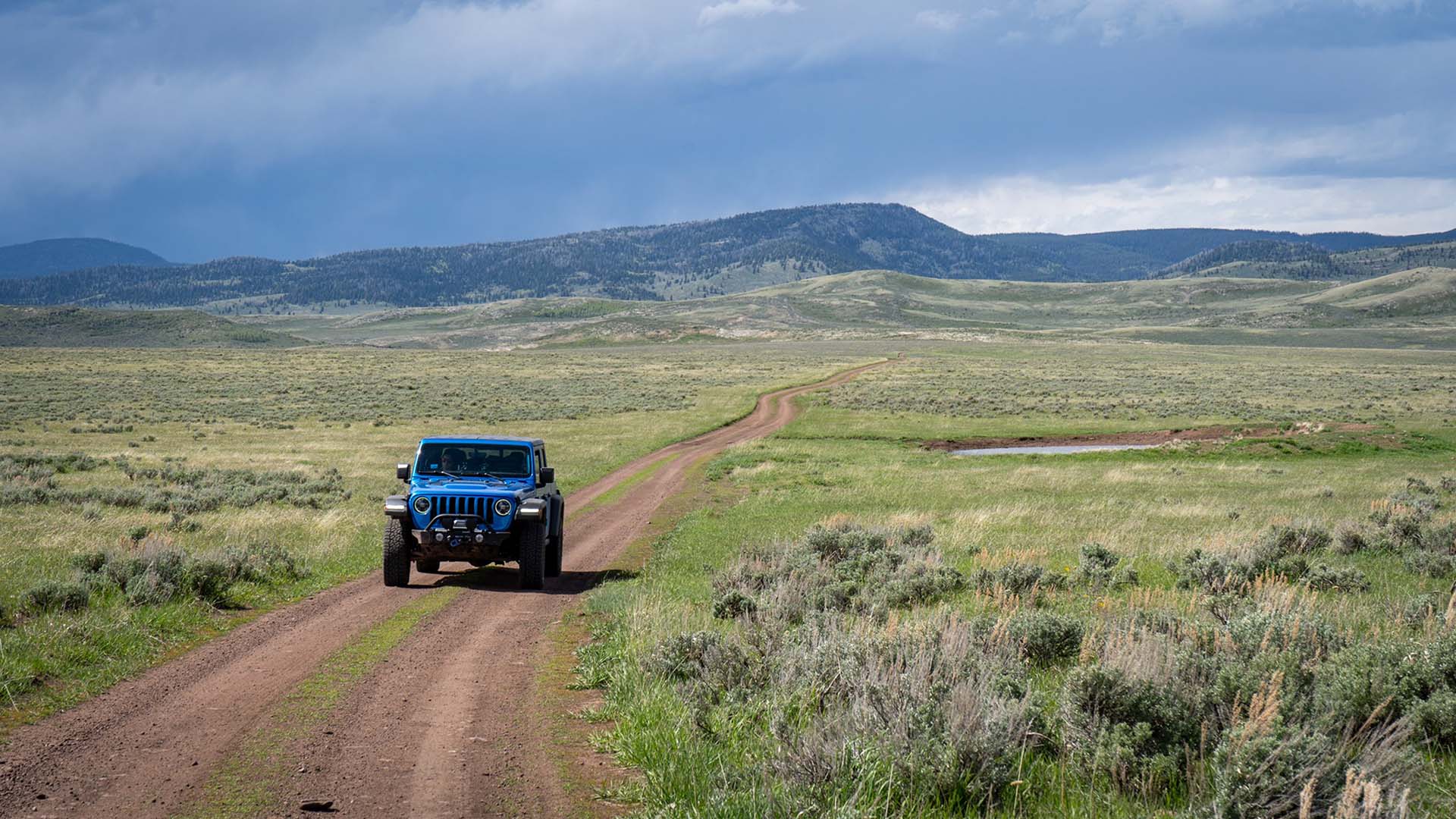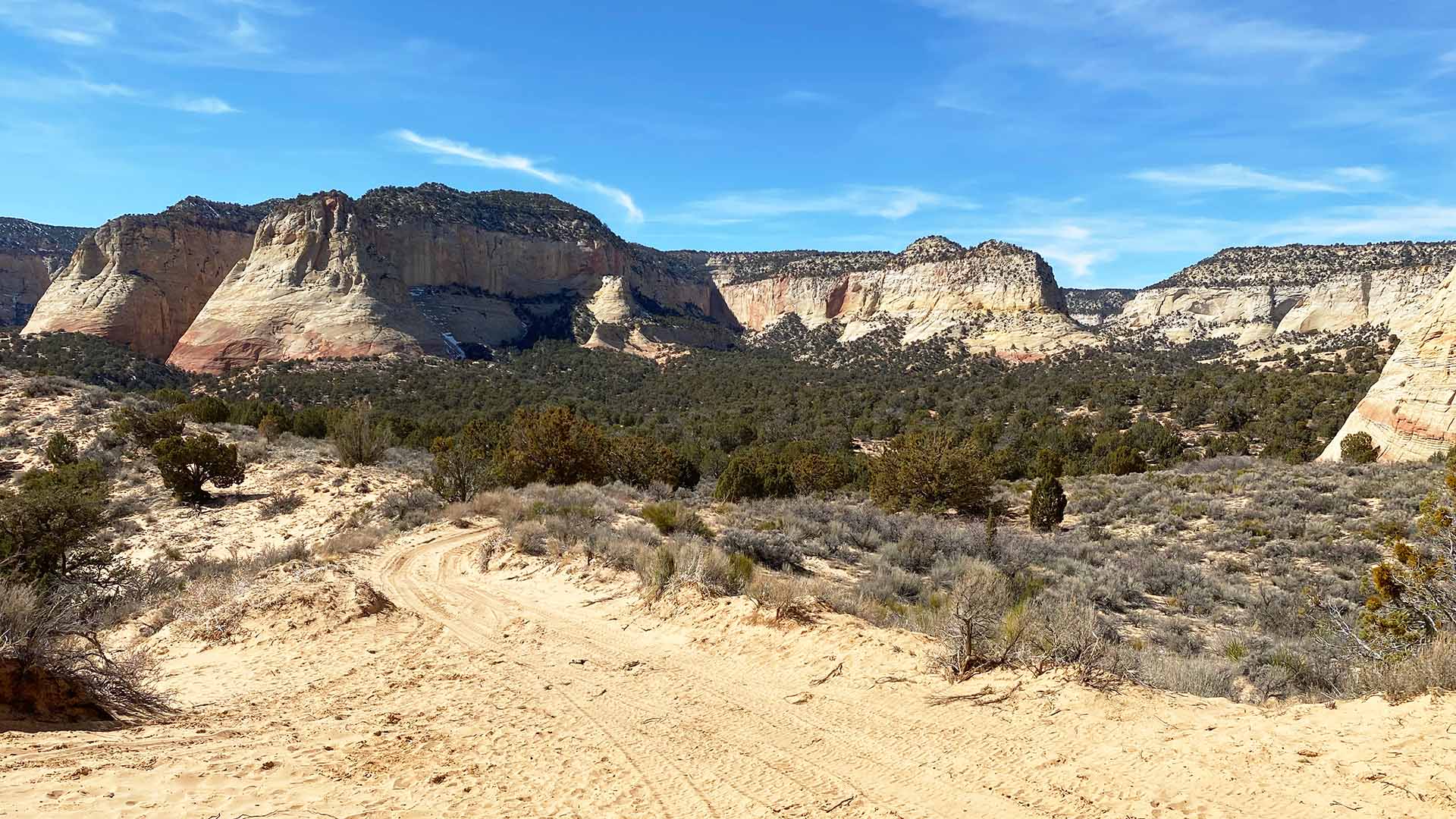
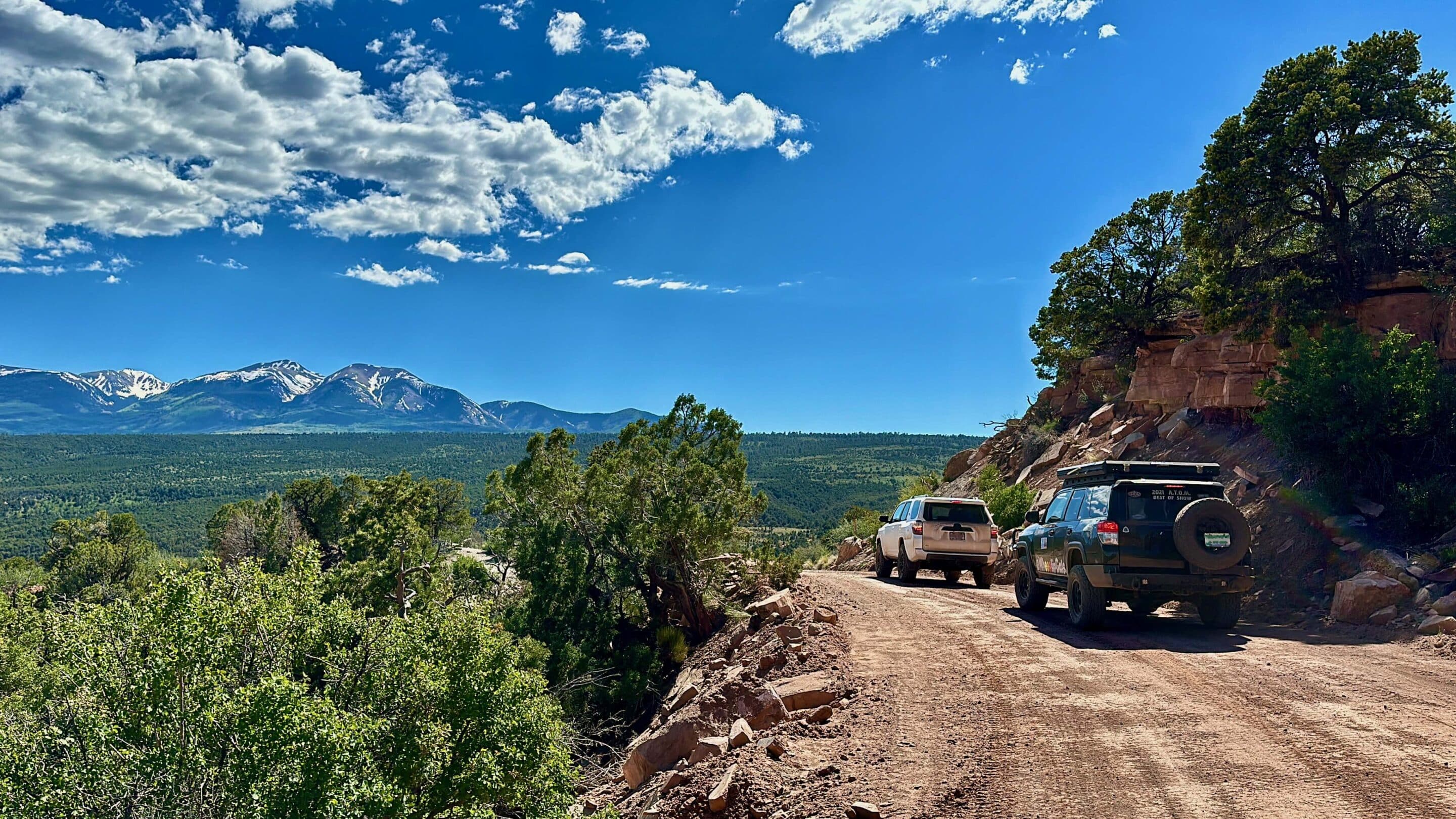
The BLM has released preliminary alternatives for the Dolores River Travel Management Plan, covering 321 miles of routes just east of Moab. BRC supports a variation of Alternative D, the option that keeps 98% of the network open for OHV riders, hunters, and mountain bikers.
Win a $74k+ Custom Side-by-Side & Trailer Package - Click Here
Articles: Overlanding
Dinosaur North Travel Management Plan Could Close 420 Miles of Off-Road Routes Near Vernal, UT
Nearly 700 miles of OHV, hunting, and backcountry access near Dinosaur National Monument are on the table in the BLM’s Dinosaur North plan, and the conservation alternative would close most of it. BRC backs Alternative D to keep these routes open for Vernal and Roosevelt communities. Add your comment before July 22 and tell the BLM to keep this access open.
Trail Canyon Travel Management Plan Could Close Off-Road Trails Near Kanab
The BLM’s Trail Canyon Travel Management Plan near Kanab will decide the future of 473 miles of OHV routes in Kane County, and the most restrictive option closes nearly a third of the network. BRC supports a variation of Alternative D, which keeps 95% of trails open. Submit your comment to the BLM before July 22 and tell them motorized access must stay open.
Utah High Desert Trail Project: 810 Miles for OHV Access
The BLM’s High Desert Trail project would formally designate an 810-mile route across western Utah, using roads and trails already open to the public today. BRC supports the designation and the preferred Alternative B, the longer, more scenic route that brings the most economic benefit. Submit a comment by June 16 backing Alternative B and tell the BLM to choose it.
Outdoor Americans with Disabilities Act Introduced in the House of Representatives
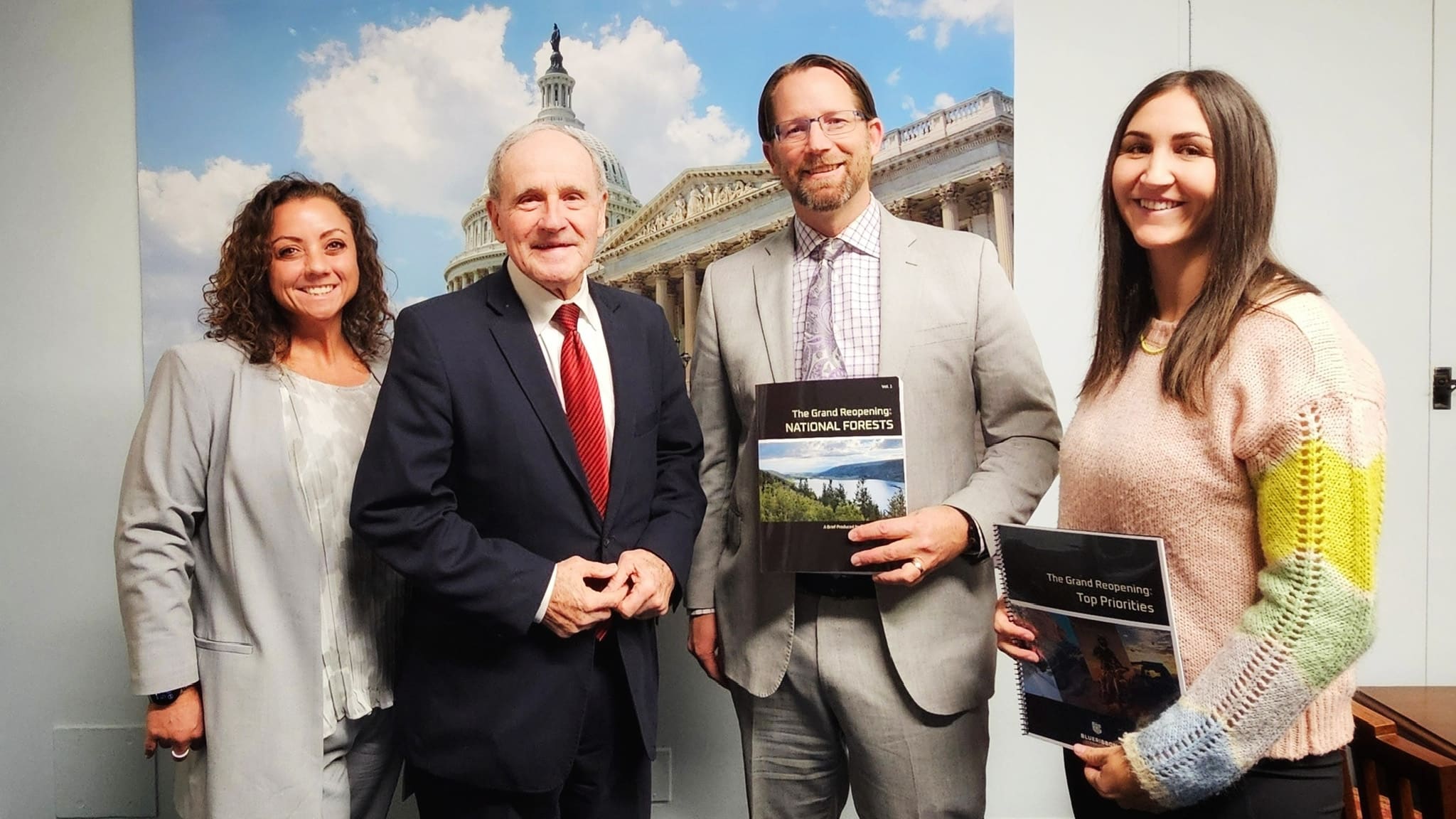
Millions of Americans rely on roads and motorized routes to reach public lands, and this bill would protect that access by law. BRC worked directly with Congressional offices to shape and advance the Outdoor ADA, now introduced in both chambers. Tell your members of Congress why this legislation matters.
H.R. 7695 and S. 140 Would Permanently Repeal Roadless Rule
The 2001 Roadless Rule locked up 58.5 million acres of National Forest land, blocking road maintenance, wildfire mitigation, and reasonable access for 25 years. BRC supports H.R. 7695 and S. 140, two bills that would repeal the rule and return management decisions to local forest managers. Contact your members of Congress and ask them to support both bills.
San Rafael Swell: BLM May Reopen Hundreds of Miles of OHV Routes – Add Your Voice
The BLM comment period closes TODAY, June 8. Once it shuts, these closures get one step closer to permanent. Add your comments before midnight on June 8th.
Forest Service Welcomes OHV Users for National Trails Day on Saturday, June 6
The motorized community does the work to keep trails open, and the Forest Service wants to see that effort on National Trails Day. BRC met with Forest Service leadership this week and came away knowing the agency believes off-roaders belong on public lands. Get out this Saturday, June 6, document what you are doing, and tag BlueRibbon Coalition and the Forest Service so they see it.
Timeline: BRC’s 3-Year Fight to Rescind the BLM Public Lands Rule
The BLM’s Conservation and Landscape Health Rule is gone, and BRC has been working to kill it since the day it was proposed. Over three years, BRC mobilized members, submitted formal comments, worked with Congress, took meetings at the highest levels of the Administration, met with agency officials and monitored BLM offices for conservation lease applications. This is what sustained advocacy with help from our supporters looks like.
BLM Rescinds the Public Lands Rule: A Win for Access, Multiple Use, and the Rule of Law
The Bureau of Land Management has finalized the rescission of the 2024 “Public Lands Rule,” restoring the 1976 multiple-use mandate. This decision follows opposition from the BlueRibbon Coalition, which argued the rule exceeded legal authority and favored privatization disguised as “conservation.” The rescission aims to ensure lawful and transparent management of public lands, maintaining access for recreational activities.