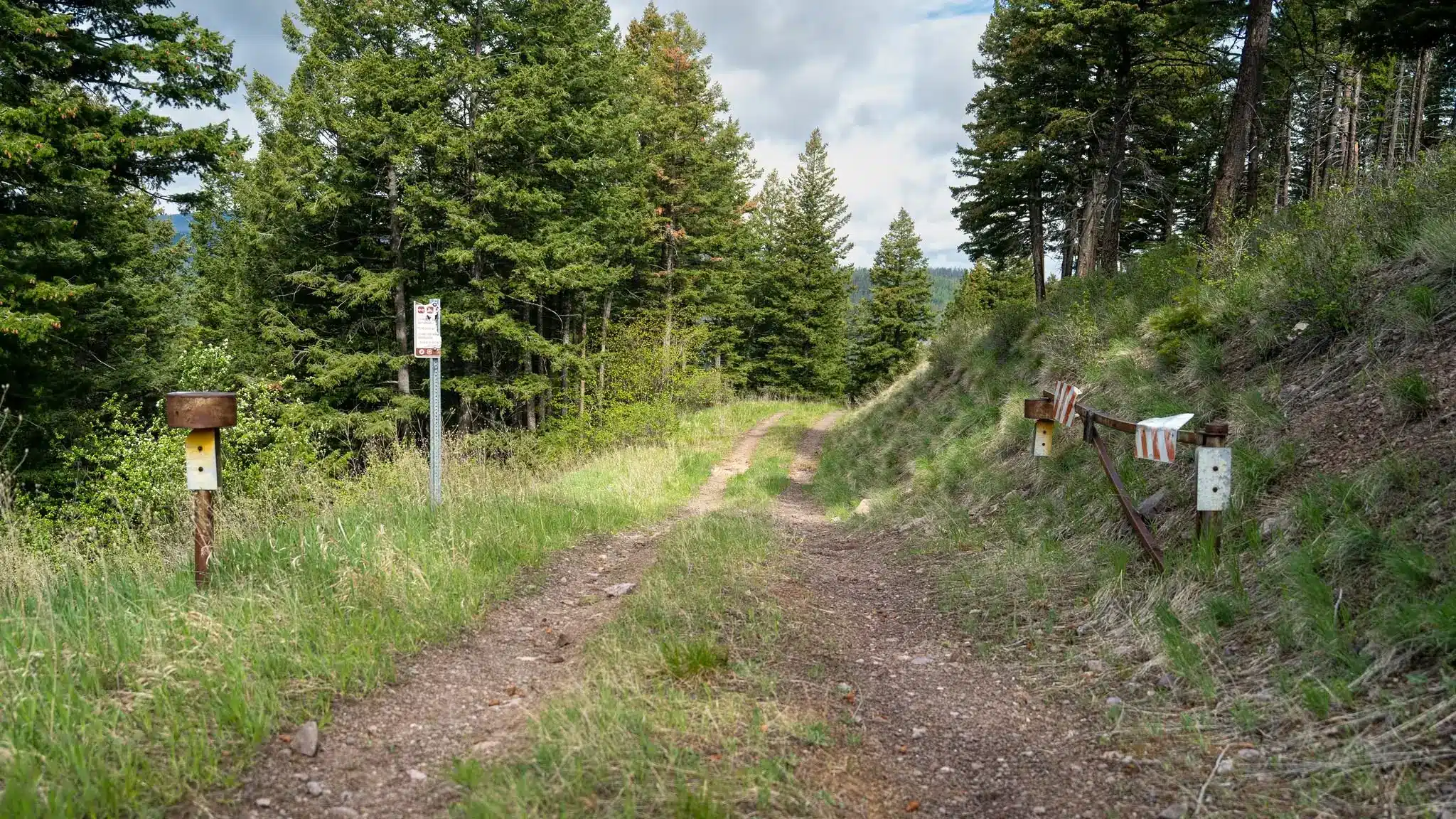

Earlier this year, we shared an infographic which illustrated how unbalanced public land restrictions have become. There are 640 million acres of public lands, and when you add up the acreage amounts of all the restrictive land designations, our multiple use lands have been reduced to only 40% of this total. Over 60% of our public lands are managed with designated heavy restrictions. Of the 40% that are managed for multiple-use, less than 1% of that amount is ever directly impacted by motorized recreation access.

This is why we roll our eyes anytime we see anti-access groups advocating for balance when justifying even more restrictions.
We are having to fight constantly to keep access to less than 1% of the 40% of multiple-use public lands (or 0.4% of all public lands), and people still have the nerve to come and tell our members and supporters — many of whom have physical limitations — to "just walk" or take a hike.
We agree that we need to restore balance to how our public lands are managed. This is why we support rescinding the Roadless Rule. Reopening 45 million acres of national forests for multiple-use access would significantly help restore balance. Shrinking or rescinding abusive national monuments and reforming the Antiquities Act would help restore balance.
However, the reality is that the anti-access movement isn't satisfied, and they never will be. There are numerous designations that are used as tools to lock up our public lands, and we have to vigilantly monitor every one of these. If we don't hold the line, the management of our public lands will incrementally become more and more restrictive until we are only allowed to access a few hardened and popular "sacrificial" sites that will be managed through reservations systems and fees.
To conclude our 12 days of Legal Updates series, we want to share three new action alerts that will help us hold the line against any new restrictive designations. We hope you will add your voice to correct this gross imbalance in how our public lands are managed. We also hope you will help us share this post and the graphic above anytime you see someone imply that we need more restrictions for public lands management to be balanced.
We belong on our public lands.
The Dolores River National Conservation Area: Not a Compromise, Just Another Closure in Disguise

The proposed Dolores River National Conservation Area exposes a hard truth that’s often glossed over: National Conservation Areas (NCA) are not neutral land designations, they are conservation-first regimes that eventually restrict motorized recreation. Despite claims that existing access will be protected, NCAs legally prioritize preservation, giving federal land managers broad authority to close roads, trails, and dispersed camping during future planning processes. History shows that once an NCA is designated, motorized users lose—route inventories shrink, seasonal closures expand, and long-standing uses are slowly erased. This bill follows a familiar pattern: conservation advocates rebrand restrictive policies as “compromise” after failing to secure a national monument designation. If this NCA moves forward, access loss to one of Colorado's most epic landscapes isn't hypothetical—it's inevitable. If you ever want to explore Colorado's awe-inspiring Dolores River canyons, speak up now, before another sweeping public land restriction is locked in by federal law.
Montana's Wilderness Study Areas Lock Up Land For Decades With No End in Sight

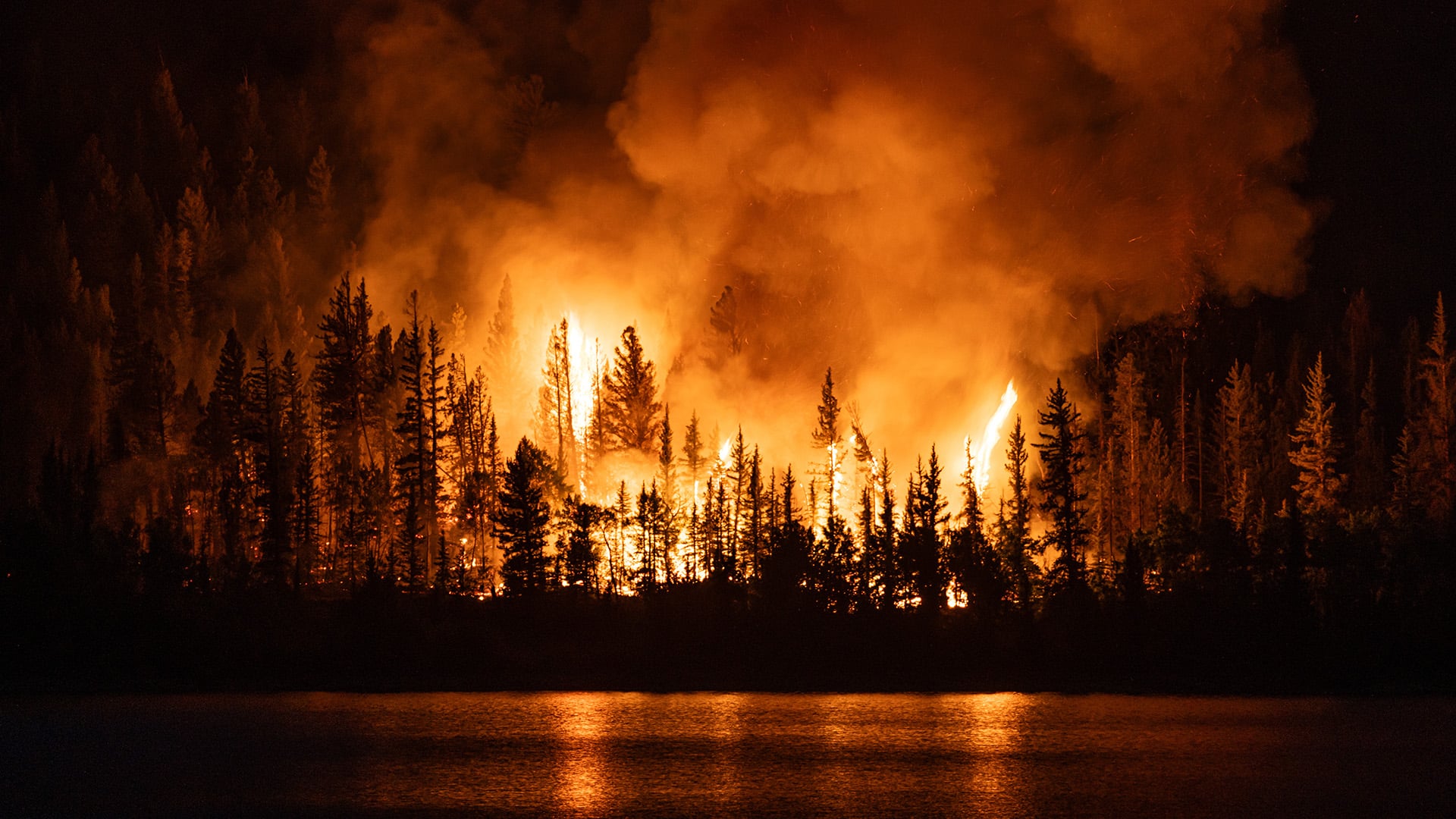
A Wilderness Study Area (WSA) is a designation created by the Bureau of Land Management to temporarily protect federal lands while Congress decides whether they should become permanent wilderness. During this interim period, most new roads, infrastructure, and land-management tools are restricted to preserve a “wilderness character.” Many WSAs have remained in limbo for decades, well beyond their original intent, which can prevent active land management, limit access for recreation and stewardship, and increase risks such as catastrophic wildfire or habitat degradation. Releasing WSAs is the necessary step to end this interim status and allow land managers to use a full range of modern conservation and access tools, tailor management to current conditions, and restore balance to public land management. At BRC we believe if Congress hasn't acted for decades to designate WSA as formal wilderness, then they have been studied enough. Representatives from Montana recently introduced legislation to release several WSAs in Montana. We encourage you to support this bill, and we should all be working to get WSAs in other states released as well.
America’s Red Rock Wilderness Act Is Another Elitist Attempt to Lock Up Even More Iconic Utah Landscapes

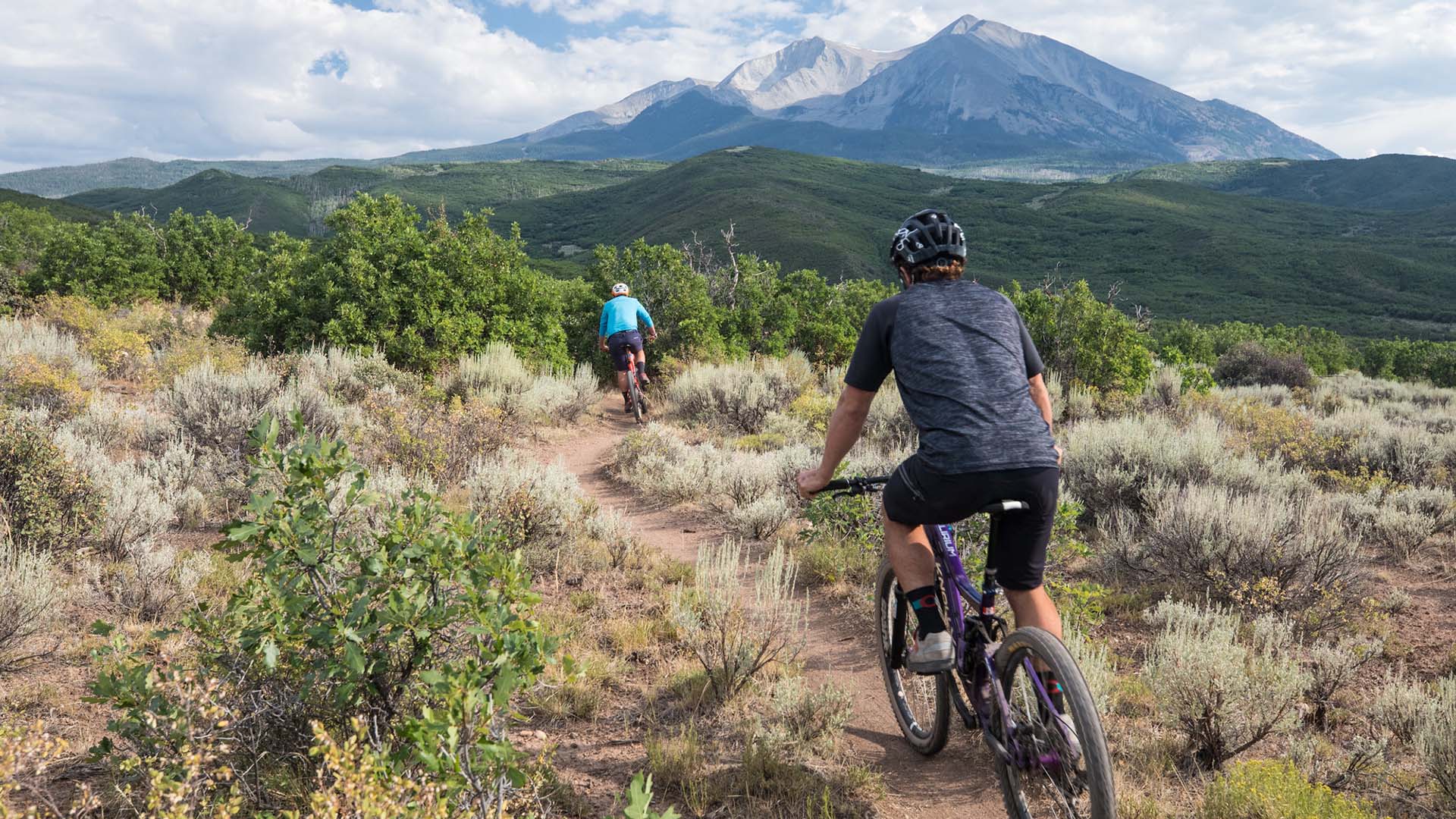
Congressionally designate wilderness is the most restrictive of all public land designations. Wilderness areas almost always aggressively restrict motorized recreation. They don't even allow mechanized access, which means you can't even ride a bike in wilderness areas. With [number] of wilderness areas already designated, Wilderness supporters have already locked up [number]% of our public lands with this most restrictive designation. Since wilderness requires sizable acreage without human disturbance, almost all of the eligible wilderness has already been designated. In order to designate more, roads have to be closed and human access needs to curtailed. This is why wilderness groups are always the ones leading the way in fighting lawsuits to close, reclaim, and obliterate roads. At BRC we oppose any efforts to create additional wilderness areas. And one of the worst wilderness proposals that has failed to pass Congress for decades
Miss a 12 Days of Legal Updates? Find all of our posts here!
SUPPORT OUR LEGAL CENTER
Our legal work is possible because of individual members and supporters like you. With your support, we were able to hire our first full-time attorney last year—leading to the most impactful period of legal success in our organization’s history. Your backing has empowered us to win critical battles for public access, but there’s more to challenge and anti-access groups continue to file lawsuits at an unprecedented rate. Continued support ensures we have the legal strength to defend our rights and keep our public lands open.