
Earlier this year, the U.S. Forest Service (USFS) announced its intent to prepare an Environmental Impact Statement (EIS) to either rescind or revise the 2001 Roadless Area Conservation Rule. Throughout its 25 years of existence, BlueRibbon Coalition has fought against the implementation of the Rule (you can review our timeline of actions dating back to 2001 here). When we went to Washington D.C. to speak with legislators and agency officials at the beginning of this year, we told them our #1 priority was to rescind the Roadless Rule. Then, when the USDA officially proposed to rescind or revise the Rule in June, BlueRibbon Coalition submitted formal comments urging the agency to fully rescind the rule nationwide—not merely revise it.
The Roadless Rule has imposed rigid, top-down restrictions across 58 million acres of our National Forest System. During that time, wildfire behavior has changed dramatically, recreational demand on public lands has expanded, and the need for active forest management has only grown more urgent. Yet the rule continues to limit access, restrict needed management tools, and undermine the multiple-use mission Congress assigned to the Forest Service.
There is currently legislation introduced in the Senate that would codify the 2001 Roadless Rule. The Roadless Area Conservation Act of 2025 introduced by Senator Maria Cantwell from Washington, would bypass the 2001 rule and the proposal to rescind the rule. The Roadless Rule would then become law that could not be undone by administrative action and only another act from Congress could undo this rule. The legislation would essentially create 58 million acres of de facto Wilderness whereas most pieces of legislation only designated a few hundred acres of Wilderness. This bill is currently in committee to be voted on to see if it has the possibility to be voted on by the Senate.
On one hand the introduction of this legislation proves that the Roadless Rule doesn't have a strong statutory basis, or the legislation wouldn't be necessary. This is exactly the kind of rule that is vulnerable to challenge after the reversal of Chevron Deference. If the Rule is rescinded, numerous environmental organizations have already signaled they will challenge the rescission. As one of the leading organizations that has been fighting this rule from the beginning, we are preparing to be part of any future legal challenge to ensure that the new Supreme Court precedents are applied to this debate.
Rescinding the Roadless Rule is critical for the health of our forests, the safety of our communities, and the future of public-land recreation.
The Roadless Rule Is Outdated, Inflexible, and Harmful to Forest Health
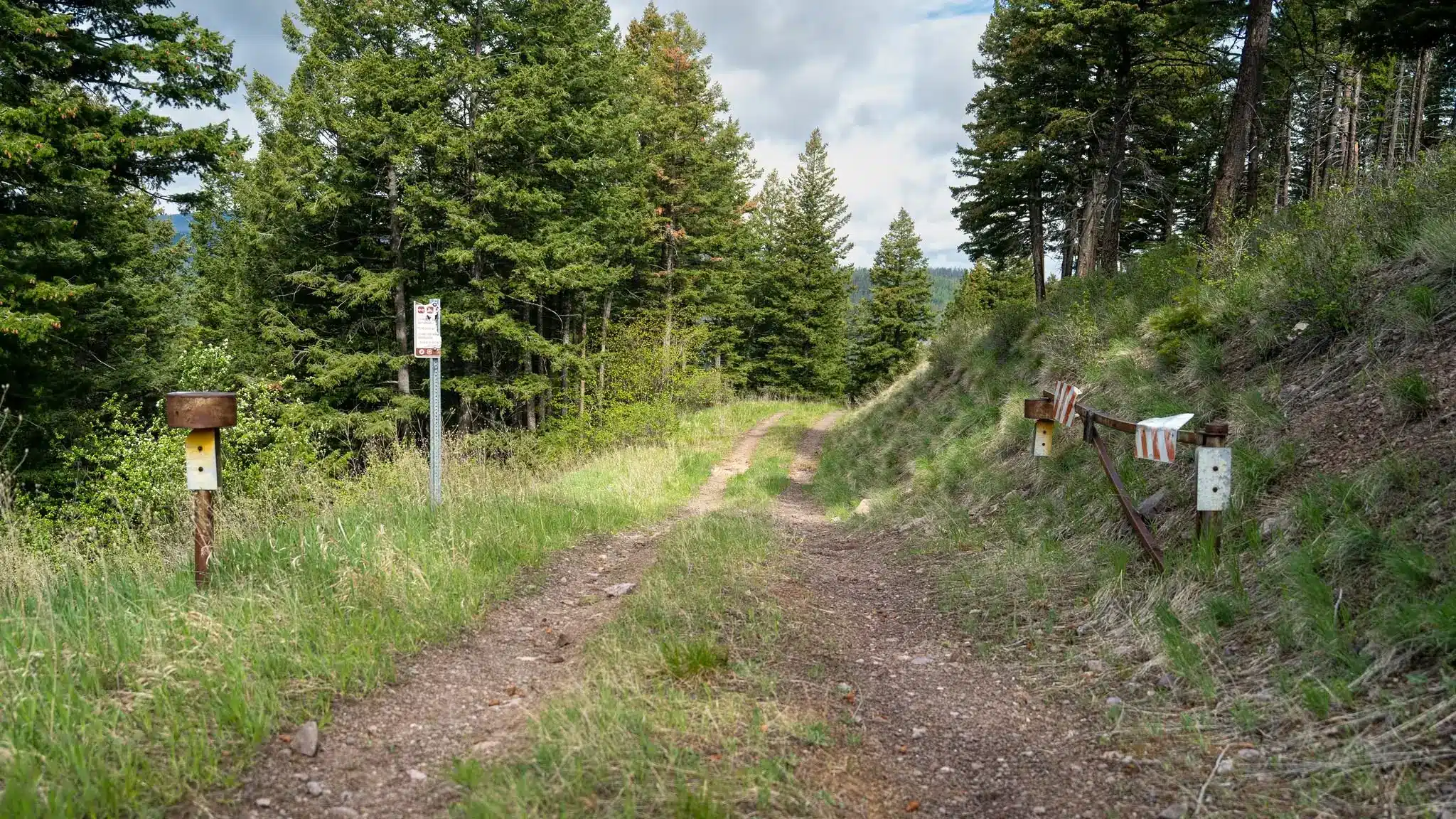
The Roadless Rule ties the hands of local land managers by blocking road construction or reconstruction even when roads are the least environmentally harmful tool for conducting fuels work, thinning, prescribed fire implementation, or post-fire restoration.
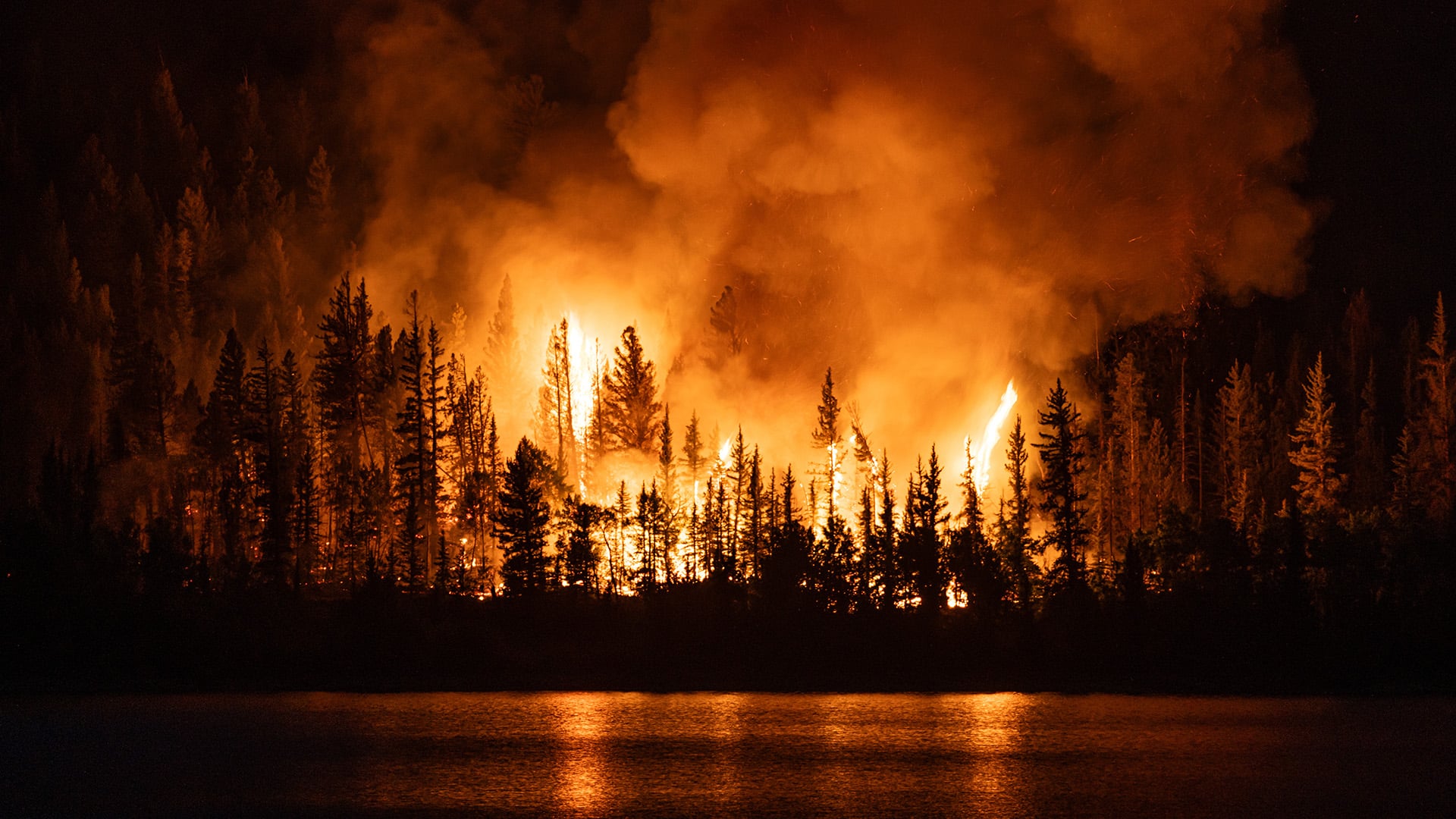
Catastrophic mega-fires increasingly originate in remote, inaccessible areas. When managers cannot reach these landscapes—or must go through costly case-by-case exemption processes—fires grow large before crews can safely attack them. This worsens impacts on communities, watersheds, wildlife habitat, and air quality.
The original Inventoried Roadless Area (IRA) maps were built using crude methods decades ago. Many “roadless” polygons actually contain roads or improperly exclude lands with existing access. BRC believes that continuing to rely on obsolete mapping undermines the credibility of the entire framework.
Rescission would allow the Forest Service to modernize inventories using accurate, science-based data.
The rule prevents the full toolkit of forest management practices—selective harvest, mechanical thinning, strategic road reconstruction—that restore healthy conditions and reduce fuels. This not only affects wildfire resilience but also harms rural economies that depend on forest stewardship and the timber industry.
The Roadless Rule Is Bad for Recreation and Public Access
Roads are the backbone of recreation access: trailheads, dispersed camping, hunting units, fishing sites, scenic vistas, and backcountry destinations all depend on them. The Roadless Rule has eliminated or prevented access to millions of acres at a time when demand for outdoor recreation is surging.
This especially affects individuals with mobility challenges and limits ADA-compliant access improvements.
Even though over-snow vehicles (OSVs) do not require roads, many forests simply overlay “Primitive” or “Semi-Primitive Non-Motorized” ROS zones on top of Roadless Areas—functionally banning OSV use by default. This unintended restriction closes vast winter recreation landscapes and contradicts multiple-use principles.
Recreation is now more than a $1 trillion component of the U.S. economy, with motorized recreation being one of its strongest contributors. Roadless-based closures directly impact tourism, guiding, outfitting, local retail, and gateway communities that rely on visitation.
Debunking the Myths: A Summary of BRC’s 5-Part Roadless Rule Series
BRC recently published a four-part series addressing common misconceptions about the Roadless Rule. Here is a concise summary:
Part 1: Do More Roads Cause More Fire?
Myth: More roads = more wildfire.
Fact: While a small portion of ignitions occur near roads, the largest and most destructive fires start in remote, roadless areas where access is limited. Roads are essential for rapid initial attack, firefighter safety, evacuations, and fuel-break construction. Denying access makes fires larger, not smaller. Read More.
Part 2: Can the Forest Service Afford to Maintain Roads?
Myth: The USFS cannot afford more roads.
Fact: Deferred maintenance is a funding issue—not a justification for land-use restrictions. Strategic roads enable restoration, search and rescue, fuels work, and recreation. Funding partnerships, volunteer programs, and targeted appropriations make maintenance achievable while preserving crucial access. Read more.
Part 3: Do Roadless Restrictions Protect Recreation?
Myth: Roadless Areas still allow robust recreation.
Fact: Roadless overlays often become de facto closures as forest plans layer non-motorized ROS zones across huge landscapes. This squeezes users into fewer areas, increases environmental impact, eliminates ADA-accessible opportunities, and constrains both summer and winter motorized recreation. Read more.
Part 4: Water Quality—Does the Roadless Rule Protect It?
Myth: The Roadless Rule is essential for clean water.
Fact: Modern best practices protect water quality while allowing responsible access. In reality, the biggest threat to watersheds is post-fire erosion following catastrophic wildfires—which are harder to prevent or contain without strategic road access. Read more.
Part 5: Does the Roadless Rule Obstruct Forest Management?
Myth: The Roadless Rule doesn't obstruct forest management nor fire mitigation efforts.
Fact: The Rule creates endless opportunities for litigation and obstruction, ensuring that proactive management can never happen at the scale needed. It’s not just a set of guidelines—it’s an additional legal barrier that ensures groups opposed to active management can delay, weaken, or outright stop forest restoration work. We dive into a very real and recent example here.
Bonus Myth: The Roadless Rule will turn our forests into a spiderweb of paved roads.
Fact: Most forest service roads are not paved (nor gravel) roads. They are more akin to trails, which our community loves to respectfully recreate on. We’re sure some of your favorite trails are actually forest service roads! Creating additional service routes would be at the discretion of the USFS for wildfire mitigation, health and habitat purposes. It is not a private free-for-all.
Why Rescission—Not Revision—Is Needed
The rule exceeds statutory authority
The Roadless Rule effectively created a wilderness-like land designation without congressional approval. Under the Supreme Court’s Loper Bright decision, agencies no longer receive Chevron deference for such broad interpretations of their authority.
Federal law now directs agencies to expand recreation access
Congress (through the EXPLORE Act) and the Executive Branch (through Executive Order 14159) have directed federal agencies to increase recreation opportunities—not restrict them.
The Roadless Rule is out of alignment with modern policy priorities.
We believe strongly in shared use, where motorized and non-motorized users can both enjoy the outdoors responsibly. Rescinding the Roadless Rule is a necessary step toward restoring balanced, sustainable, and inclusive access to America’s national forests.
BlueRibbon Coalition will continue to lead this effort, and we thank our supporters for standing with us.
SUPPORT OUR LEGAL CENTER
Our legal work is possible because of individual members and supporters like you. With your support, we were able to hire our first full-time attorney last year—leading to the most impactful period of legal success in our organization’s history. Your backing has empowered us to win critical battles for public access, but there’s more to challenge and anti-access groups continue to file lawsuits at an unprecedented rate. Continued support ensures we have the legal strength to defend our rights and keep our public lands open.