
In January 2025, only weeks after the release of the San Rafael Swell Travel Management Plan, the BLM unveiled another sweeping decision, this time for the Henry Mountains and Fremont Gorge. For those who know these landscapes, they are places defined by solitude, heritage, and some of the most remote backcountry routes in the American West. Generations of explorers, hunters, and off-roading recreationists forged deep ties to these rugged trails, many of which had been traveled for decades.
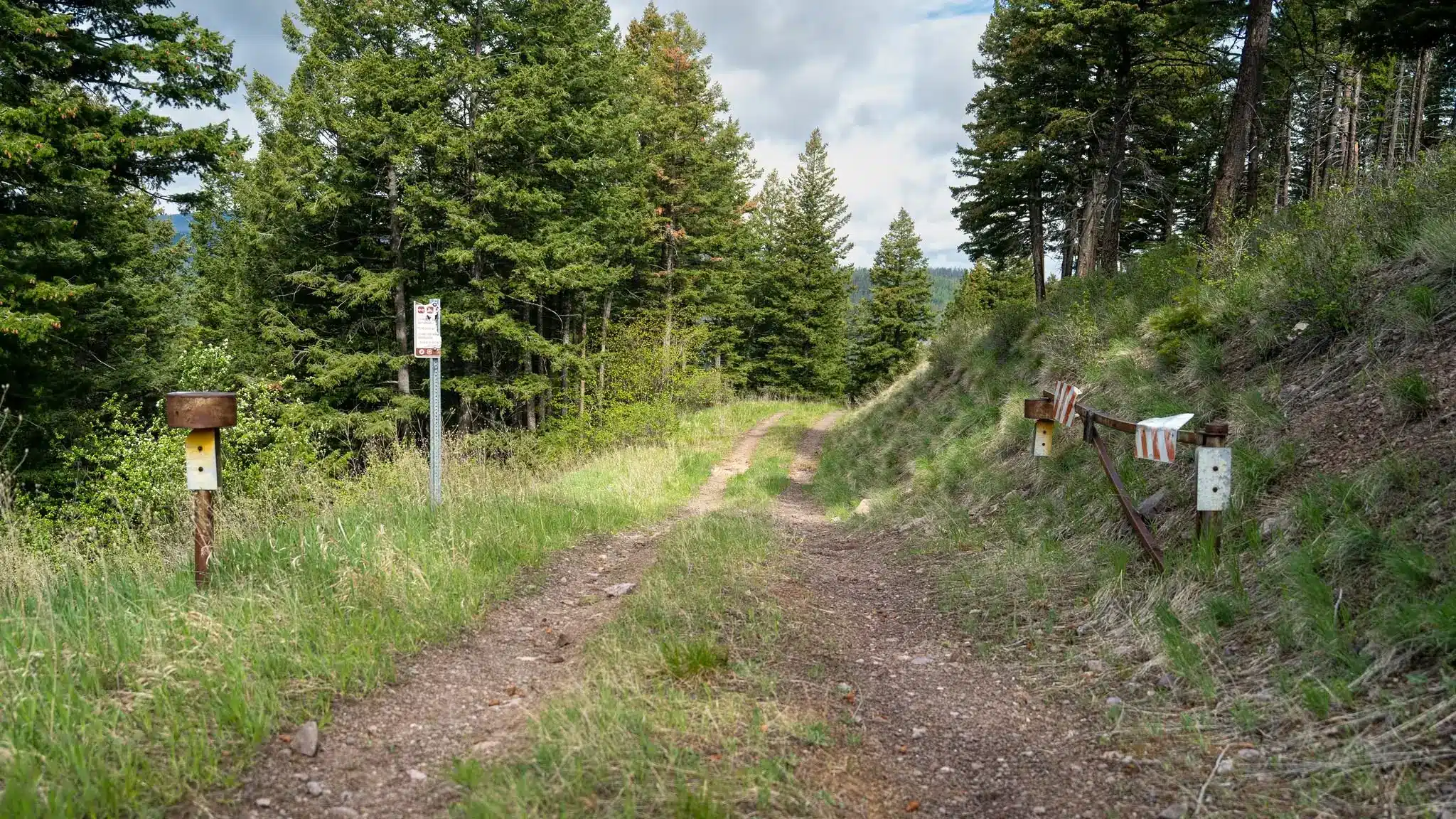
But the new plan closed another 612 miles of motorized recreation routes, leaving entire regions suddenly inaccessible. Trails that once offered entry into some of Utah’s most breathtaking and historic country were shut down, often without clear nor consistent justification. For local riders and long-time users, the closures felt like watching the doors to lands they had always known begin to close.
For BlueRibbon Coalition, this pattern was all too familiar. Just as we did with the San Rafael Swell, we saw that these closures weren’t simply isolated management decisions, they reflected a broader shift in how access to public lands was being restricted. Since 1987, we have fought to keep these areas open for responsible recreation, and the Henry Mountains/Fremont Gorge plan again raised the same concerns we had confronted only weeks earlier. So, we filed suit, bringing many of the same core claims we raised in our challenge to the closures in the Swell: that the BLM relied on inconsistent reasoning, failed to adequately consider historic uses, and adopted a management strategy that unnecessarily and unlawfully reduced public access to vast areas of backcountry.
But this time, there was an even more compelling element.
Within just days prior to the plan’s release, Congress passed the EXPLORE Act, a landmark recreation law that explicitly requires federal agencies to expand access, which included, for the first time, direction to support motorized recreation specifically. With this new law in place, the BLM had a clear mandate: increase opportunity, not restrict it.
Yet the Henry Mountains/Fremont Gorge plan shut down hundreds of miles of routes, running directly counter to what Congress had required.
In our lawsuit, we argued that these closures were not only unsupported and overly restrictive, but they were also direct violations of the recently-passed EXPLORE Act. Instead of moving toward expanded recreational opportunity, the agency took a major step backward, limiting access in a region defined by remote, historic travel routes.
The case is still in its early stages, but the stakes have never been higher. With the EXPLORE Act now guiding federal land policy, agencies cannot simply default to sweeping closures or sidestep long-standing uses that define these landscapes. They must follow the law, respect the people who rely on these routes, and ensure that public lands remain open to the communities who cherish them.


SUPPORT OUR LEGAL CENTER
Our legal work is possible because of individual members and supporters like you. With your support, we were able to hire our first full-time attorney last year—leading to the most impactful period of legal success in our organization’s history. Your backing has empowered us to win critical battles for public access, but there’s more to challenge and anti-access groups continue to file lawsuits at an unprecedented rate. Continued support ensures we have the legal strength to defend our rights and keep our public lands open.