
BOISE, Idaho — The BlueRibbon Coalition today expressed support for congressional efforts to overturn the recently finalized Grand Staircase–Escalante National Monument Resource Management Plan through the Congressional Review Act (CRA), citing concerns about sweeping recreation closures and the broader misuse of the Antiquities Act to impose large-scale land use restrictions.
Members of Utah’s congressional delegation have introduced a resolution of disapproval under the Congressional Review Act targeting the Bureau of Land Management’s 2025 management plan for the monument. The move follows a determination by the U.S. Government Accountability Office that the management plan qualifies as a federal “rule” subject to review under the CRA.
The Congressional Review Act allows Congress to overturn recently finalized federal rules through a joint resolution approved by both chambers and signed by the President. The review is necessary because of the scale and permanence of restrictions imposed through the monument’s management plan.
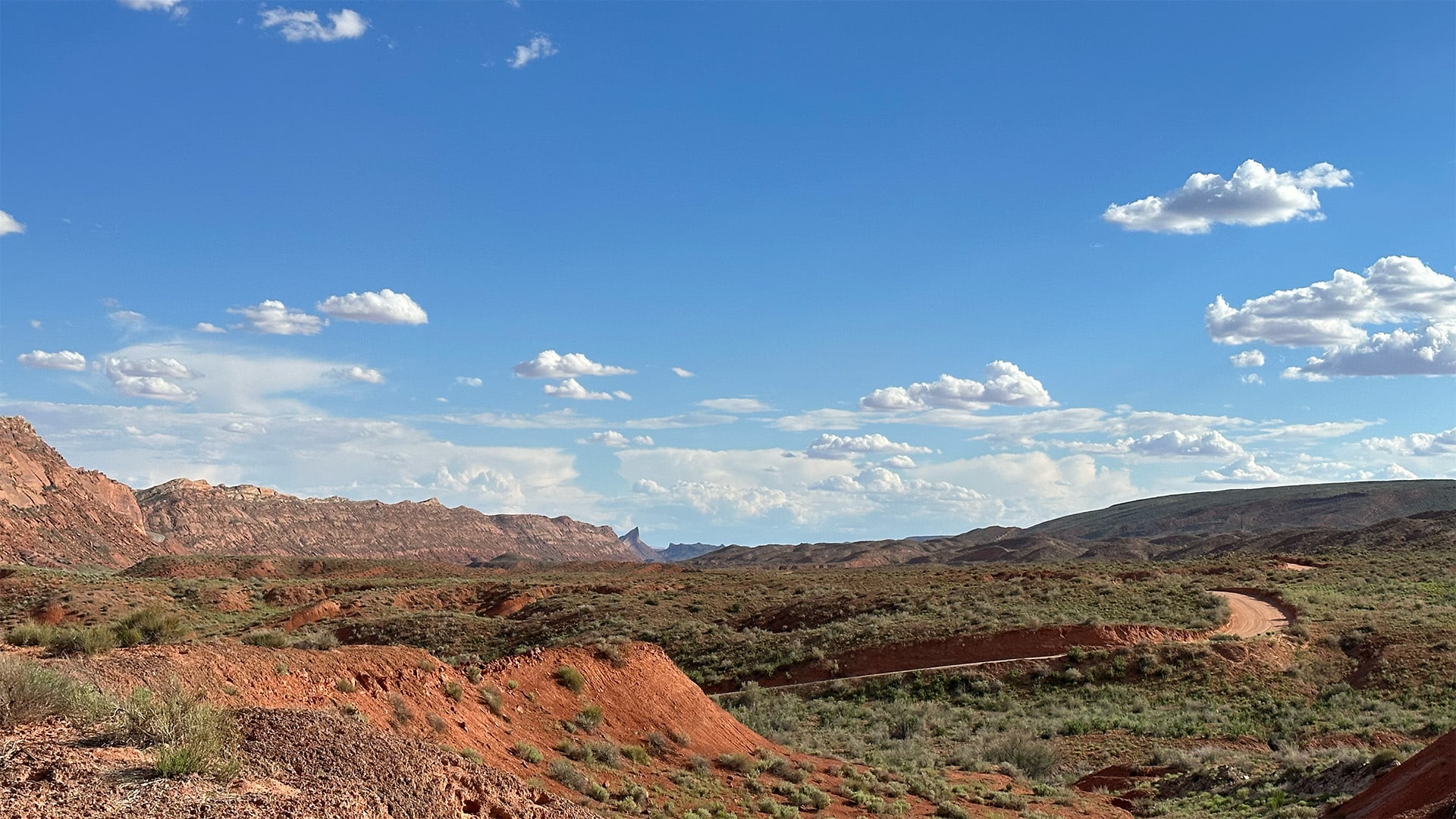
The Bureau of Land Management finalized the resource management plan in January 2025 for the approximately 1.87-million-acre Grand Staircase–Escalante National Monument in southern Utah. The plan significantly restricts public access and recreation across much of the monument landscape.
“The management plan finalized in the final days of the previous administration dramatically changes how Americans can access and recreate on these public lands,” said Ben Burr, Executive Director at BlueRibbon Coalition. “More than 1.2 million acres of the monument are effectively closed to motorized and mechanized recreation, fundamentally altering long-standing access and traditional uses across the region.”
Burr said congressional review of the management plan is consistent with the oversight role Congress established through the CRA.
“The Congressional Review Act exists precisely for situations like this—when federal agencies issue rules that have sweeping regulatory consequences,” Burr said. “Reviewing this plan through the CRA is not an attack on public lands. Presidents abusing the Antiquities Act to lock up millions of acres is an attack on public lands.”
BlueRibbon Coalition officials say the debate surrounding the monument management plan reflects a broader pattern involving the expansion of Antiquities Act authority well beyond its original purpose.
Enacted in 1906, the Antiquities Act authorizes presidents to designate national monuments to protect “objects of historic or scientific interest,” consistent with the law’s requirement for "the smallest area compatible.” Historically, those designations focused on specific archaeological sites or natural features. In recent decades, however, the law has increasingly been used to designate and manage vast landscapes encompassing millions of acres.
Grand Staircase–Escalante National Monument covers roughly 1.9 million acres of federal land in southern Utah, making it one of the largest land-based national monuments in the United States.
The scale of monument designations and subsequent land management decisions has raised longstanding questions about the limits of the Antiquities Act and the proper role of Congress in overseeing major public land policy decisions.
“The Antiquities Act was intended to protect specific objects of historic or scientific importance,” said Simone Griffin, Policy Director atBlueRibbon Coalition. “Over time, it has increasingly been used to place sweeping land management restrictions across enormous areas of federal land. That abusive expansion of authority is exactly why congressional oversight is necessary.”
BlueRibbon Coalition is currently challenging the designation of the Chuckwalla National Monument and the expansions of the Grand Staircase-Escalante and Bears Ears National Monuments in federal court.