If you weren't able to launch a boat on Lake Powell, cast a line in the Green River, or had to spend a summer away from the lake because the marina you depend on was sitting in mud, this one is for you.
NOAA is conducting a federal performance evaluation of the California Coastal Management Program. It happens every few years, and it's usually routine. But this time NOAA is specifically asking the public to comment on desalination — turning ocean water into fresh water — and how California's coastal program handles it.
This important to those of us who depend on the Colorado River, because every gallon of water California refuses to make from the Pacific is a gallon it pulls from the Colorado River instead. And those of us who are downstream of that decision need a voice in this process.
California is Draining the Colorado River
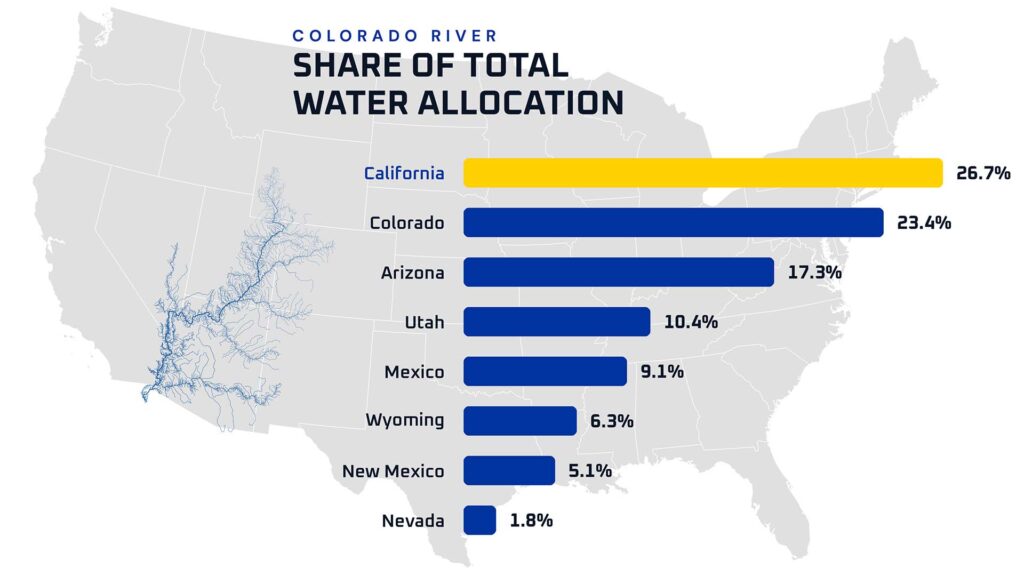
California draws more Colorado River water than any other state, by a wide margin. Its legal share is 4.4 million acre-feet every year. That is more than a quarter of the entire river. It is more than Arizona, Nevada and New Mexico take combined. It is more than any single state in the entire basin, upstream or down.
Now look at who California takes it from. Colorado, Utah, Wyoming, and New Mexico sit at the top of the watershed. The river is born in their mountains. Together, all four of those states split the same 7.5 million acre-feet that the Lower Basin splits, and not one of them touches an ocean.
Arizona and Nevada, California's partners in the Lower Basin, are landlocked deserts. None of these states has a Pacific coastline to fall back on. None of them can turn seawater into drinking water. They have the river, supplied by the upper basin states, and that is all they have.
California has 840 miles of coastline and the entire Pacific Ocean at its doorstep. It is the one state in the Colorado River system with a real alternative to the river. It takes the biggest cut of a shared resource that seven states and two countries depend on, and it is the only one of them that could replace much of that draw with water it makes itself.
California Keeps Saying No
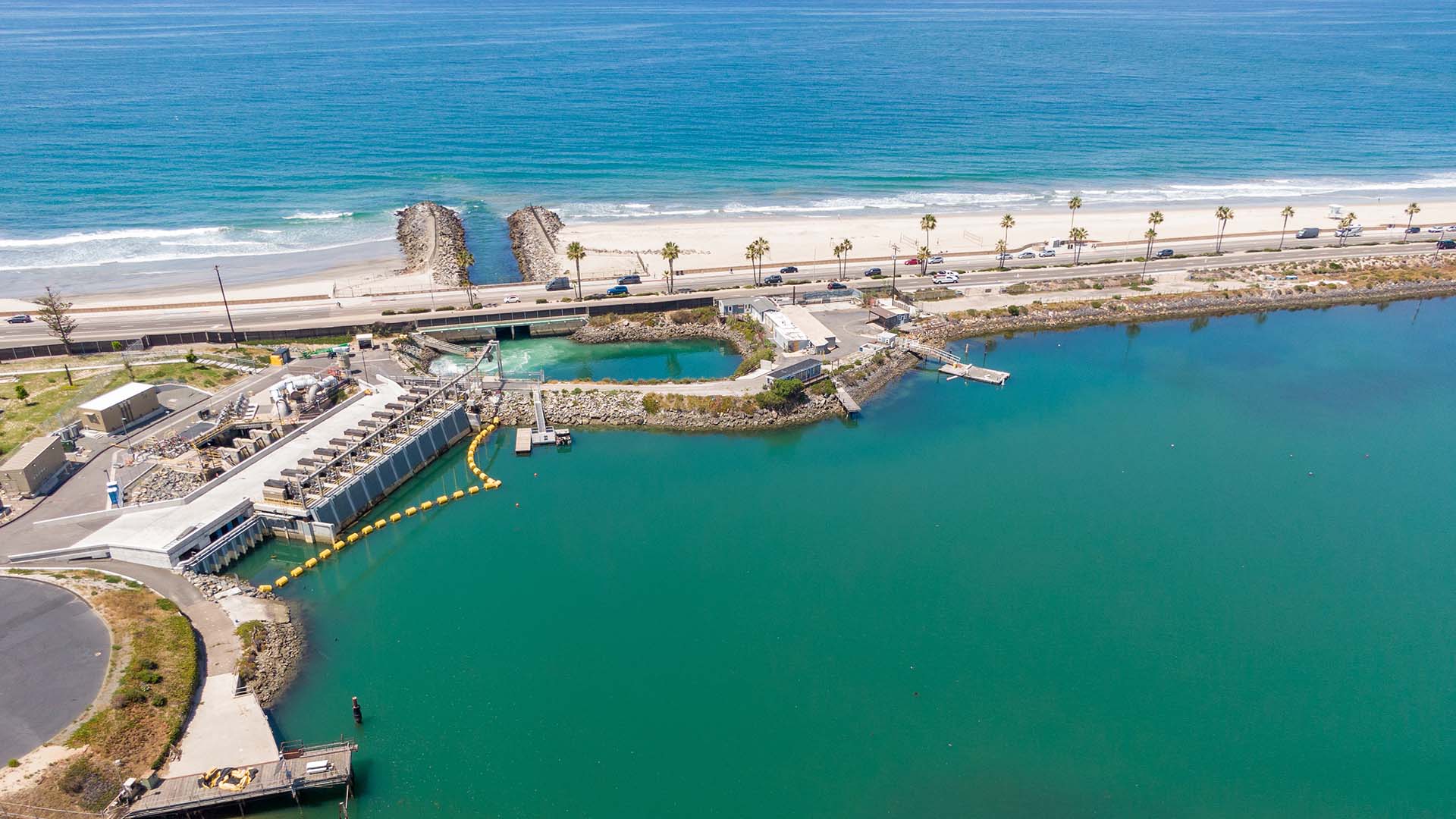
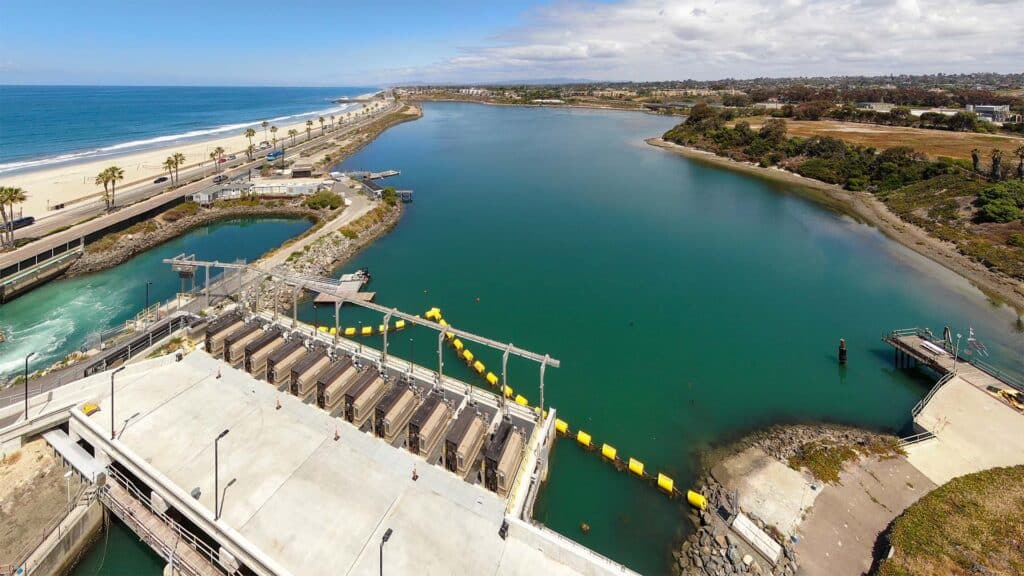
For more than twenty years, a company called Poseidon Water tried to build a seawater desalination plant in Huntington Beach. It would have produced 50 million gallons of drought-proof drinking water every day for Southern California. Poseidon built a nearly identical plant down the coast in Carlsbad, and that plant now supplies about ten percent of San Diego County's water. It works. It's real. It's running today.
The Huntington Beach plant never got the chance. After more than two decades of review and roughly $1.4 billion in development, the California Coastal Commission voted to reject it on May 12, 2022. The vote was a unanimous rejection from every single commissioner. And this happened while California was in the middle of a severe drought with the Governor himself warning that killing the project would be a mistake.
The commissioners insisted they support desalination in principle. They just decided this particular plant, in this particular place, at this particular time, wasn't right. But in California, it is never the right plant, the right place, or the right time. The state has more than 800 miles of coastline and a permitting culture that treats every new source of water as guilty until proven innocent.
And the Delays Are Only Getting Worse
If you think Poseidon was a one-time mistake, look at what's happening now in San Luis Obispo County.
SLO County is doing everything by the book. They are preparing a careful, grant-funded study to figure out whether it can build a regional ocean desalination plant along its coast. That's exactly what a coastal community facing drought should do. But here's the timeline, straight from the county's own planning documents: even if the project is approved, it will take roughly twenty years before it produces a single drop of water. The planning process alone runs through 2045.
Twenty years. That's not permitting. That's a generation. And that's the best-case scenario. Of course the Coastal Commission might just reject it the way it rejected Poseidon.
This is the system NOAA is evaluating right now. And this is the system the Colorado River Basin has been chained to for decades.
Why This Is a Colorado River Problem
You might wonder what a coalition of Western recreation users is doing commenting on a California coastal program. The answer is simple.
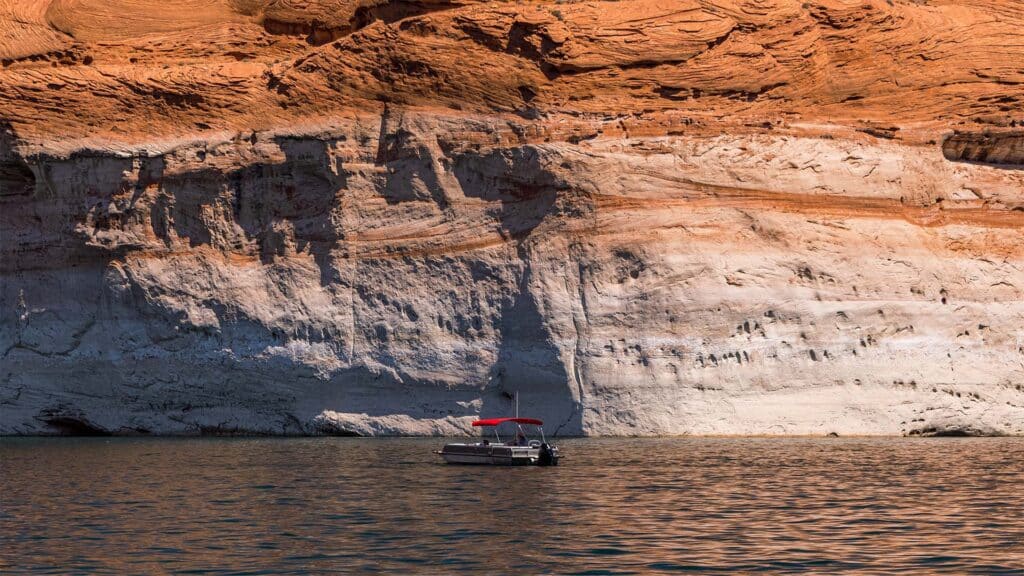
Every acre-foot of water California makes from the ocean is an acre-foot it doesn't take from the Colorado River. Coastal and offshore desalination delivers water to Lower Basin users where they actually live, and can leave an equal amount of water behind in Lake Powell and Lake Mead. More water in those reservoirs means open boat ramps, protected hydropower, healthy fisheries, and a recreation economy that isn't thrown into crisis every time the snowpack comes up short.
When California blocks water projects on its own coast, it doesn't make its water problem disappear. It pushes that problem upstream onto everyone else. Every plant killed in a California hearing room is another emergency drawdown at Flaming Gorge, another stranded marina at Lake Powell, another round of shortage cuts fought over in a federal conference room. The courtrooms will be next. California's coastline isn't just California's business. It's the pressure valve for the entire Colorado River system, and it's been shut for years.
That is why this is California's duty. You cannot ask a state like Wyoming to desalinate its way out of a shortage. It has no ocean. You cannot ask Utah to build a coastal plant. It is landlocked. Only California can, and California is the state saying no. Every plant it blocks keeps its straw in the river, while the states that have nothing but the river absorb the cuts.
There Is Another Way
This is exactly the problem the Colorado River Abundance Act was built to solve.
The Act rests on a simple idea: you cannot conserve your way out of a shortage. For two decades the entire Western water conversation has been about rationing. There is endless negotiation over who gives up what, who takes the cut, who loses out this year. The Abundance Act takes a different path. It authorizes the development of up to 7 million acre-feet of new, reliable water supply — more than half the river's average annual flow — through large-scale desalination, advanced water reuse, and modern infrastructure. It protects the Compact. It protects Tribal water rights. It protects the treaty with Mexico. And it treats water supply for what it truly is: critical national infrastructure.
But that future is impossible if the most desalination-ready coastline in America takes twenty years to permit a single plant... if it permits one at all. NOAA's evaluation is a chance to put that failure on the federal record, where it belongs.
What You Can Do
The comment window closes at 11:59 p.m. Pacific on Friday, August 22, 2026. It takes ten minutes, and your comment becomes part of the permanent federal record.
You don't need to be an expert. Speak as someone who depends on the Colorado River. We have included a section in the pre-written message below for you to include your own information and experiences.
The window is open now, and it won't stay open long.
Submit your comment to NOAA today, before August 22.