Ashley National Forest Hazardous Fuels Reduction Project

Apr 8, 2022

Why you should submit here, even if you already have elsewhere!

We keep them honest. If everyone only comments through the government/agency site, we have to take their word on how many comments were received. By submitting through BRC, we create an independent record of our community’s response that can’t be buried or under-reported.

We protect your voice. If this fight ends up in court, having our own record of submitted comments means we don’t have to wait a year or more for a government agency to turn over documents. We can move quickly with proof that thousands of you spoke up.
We keep you in the loop. When you comment through our site, we can send you updates on what comes next. If you only use the government/agency site, you’re depending on them to tell you what happens next — and they won’t.

Double coverage matters. Even if you’ve already commented through the government/agency site, submitting through ours makes your voice count twice — once in their system, and once in ours. That way they know the OHV community is watching and tracking every move.

For years, BRC has been trusted to run action alerts like this. Thousands of members and supporters have used this system effectively to defend access to public lands. This isn’t about collecting your info — it’s about building the strongest, most transparent record possible to hold agencies accountable.

Why you should submit here, even if you already have elsewhere!

We keep them honest. If everyone only comments through the government/agency site, we have to take their word on how many comments were received. By submitting through BRC, we create an independent record of our community’s response that can’t be buried or under-reported.

We protect your voice. If this fight ends up in court, having our own record of submitted comments means we don’t have to wait a year or more for a government agency to turn over documents. We can move quickly with proof that thousands of you spoke up.

We keep you in the loop. When you comment through our site, we can send you updates on what comes next. If you only use the government/agency site, you’re depending on them to tell you what happens next — and they won’t.

Double coverage matters. Even if you’ve already commented through the government/agency site, submitting through ours makes your voice count twice — once in their system, and once in ours. That way they know the OHV community is watching and tracking every move.

For years, BRC has been trusted to run action alerts like this. Thousands of members and supporters have used this system effectively to defend access to public lands. This isn’t about collecting your info — it’s about building the strongest, most transparent record possible to hold agencies accountable.

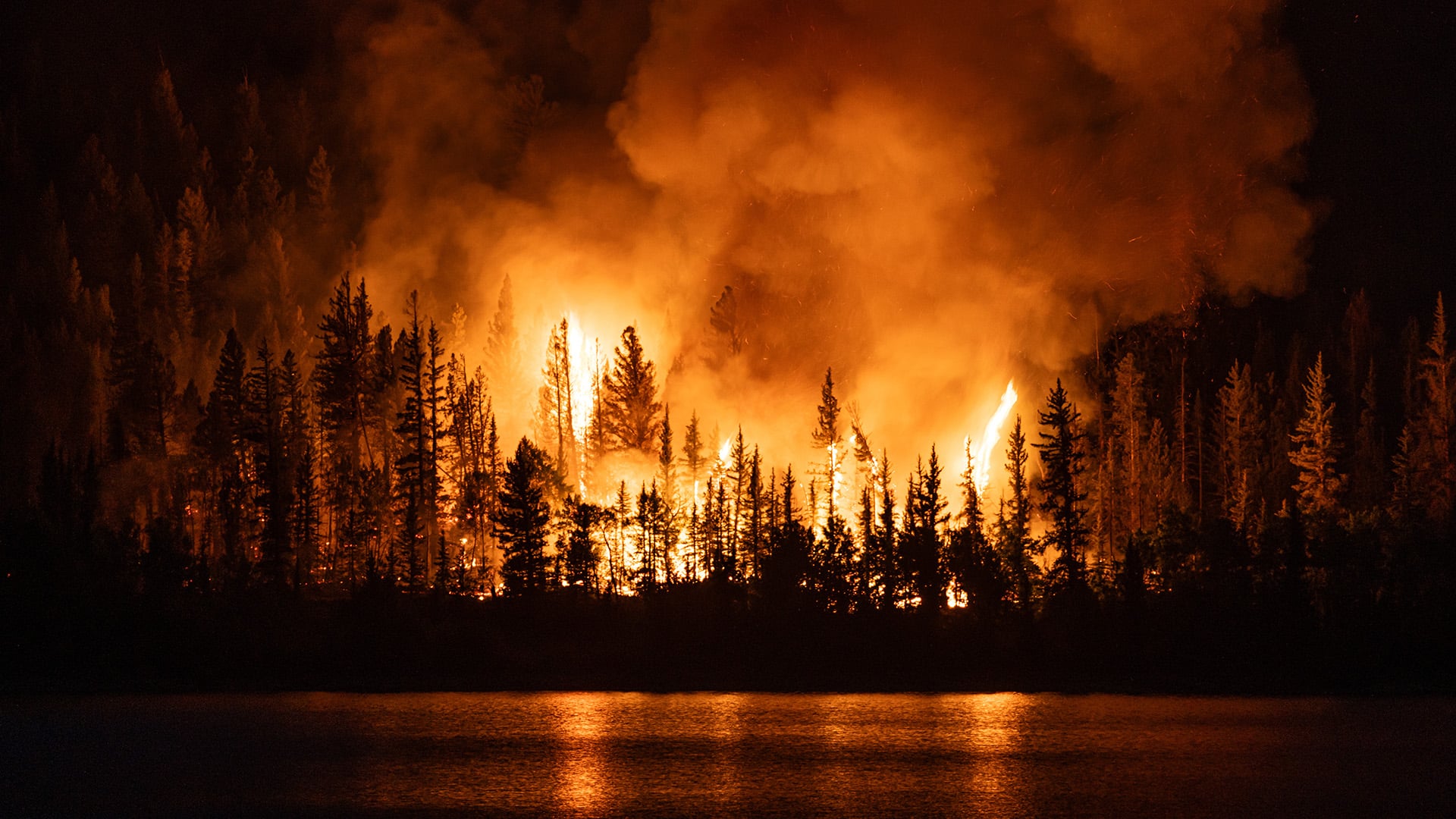
The United States Forest Service is proposing a hazardous fuels reduction treatment in the Ashley National Forest area. The goal is to reduce the risks of large, hazardous wildfires. Treatments would include the thinning of shrubs and trees and prescribed burns.  Active fire prevention and management practices are vital to keeping our forests healthy, maintaining access to our roads, and protecting our lands, communities, and watersheds from rampant wildfires. 

This project includes elements designed to improve and protect hydrological resources in the Ashley National Forest, which drain into the Green River Basin and feed into the Lake Powell and Flaming Gorge areas.  Maintaining the health of these forests and watersheds will contribute significantly to filling our reservoirs and and benefiting the area’s aquatic recreation.  While we cannot make it snow, we can advocate for better forest management.  

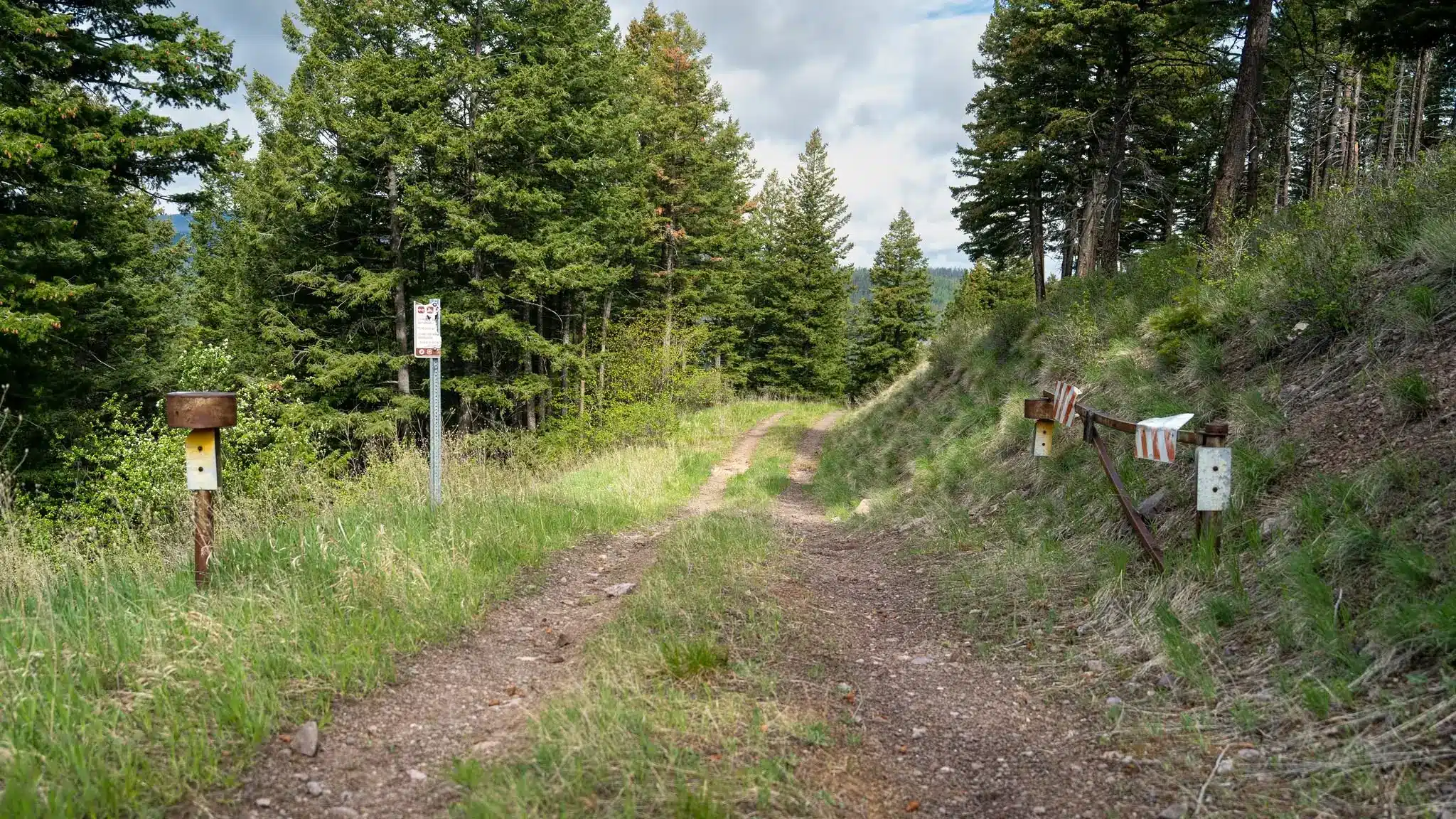
The project also includes proposals to create mechanical control lines to keep prescribed fires contained. The USFS has proposed that these control lines (which are essentially new roads) be treated and reclaimed. We believe that these would prove valuable, not only as temporary fire breaks for prescribed burns, but as permanent fire breaks for wildfires and as multiple-use roads.  We recognize that adding new roads into the forest service travel management plan involves a lengthy process and should not be done through a prescribed burn plan.  However, categorical exclusions allow the forest service to add roads as long as they are under a certain length requirement.  Any mechanical lines that could be converted to roads that also fall under that length requirement should be analyzed for long term use.

Please add your voice of support by submitting a comment.  Comments are due on April 8, 2022.  
Appreciate What We Do?

It takes a team of people to investigate, review, advocate and litigate in order to protect your rights to public lands. Please consider donating today so we can defend your ground.

Latest Articles
Rogue Judge Closes 2,200 Miles of OHV Routes in the Mojave Desert

Rogue Judge Closes 2,200 Miles of OHV Routes in the Mojave Desert

A recent federal court ruling has ordered sweeping closures of off-highway vehicle (OHV) routes and vast areas of public land in the Mojave Desert, using desert tortoise habitat as justification. The decision forces 2,200 miles of designated routes to close and places...

Categories