
The Bureau of Land Management (BLM) is proposing two new tools that could significantly improve how our public lands are managed—and from BRC’s perspective, they are a step in the right direction.
These proposals would establish new “categorical exclusions” (CEs) under NEPA for forest thinning (density management) and salvage harvest. In plain terms, this means certain common-sense forest management projects could move forward more efficiently, without getting bogged down in lengthy and redundant environmental reviews—while still protecting resources and requiring safeguards.
A categorical exclusion (CE) is a tool under the National Environmental Policy Act (NEPA) that allows federal agencies to approve categories of actions that have been shown to not normally cause significant environmental impacts without preparing a lengthy environmental assessment or impact statement. The proposed BLM categorical exclusions for salvage harvest and forest density management are appropriate because decades of project data and monitoring show these activities consistently result in minimal, localized effects when conducted within defined limits and safeguards. Using CEs in these cases allows land managers to act more quickly to reduce wildfire risk, restore forest health, and maintain safe, accessible public lands, while still requiring site-specific review and environmental protections.
For years, BRC has supported active forest management as a critical part of keeping our public lands healthy, accessible, and usable. These proposals align with that goal. Too many times recreation access is permanently lost because of a lack of treatments and salvage treatments post wildfire. We cannot continue to let unnecessary bureaucratic red tape close off access to our public lands.
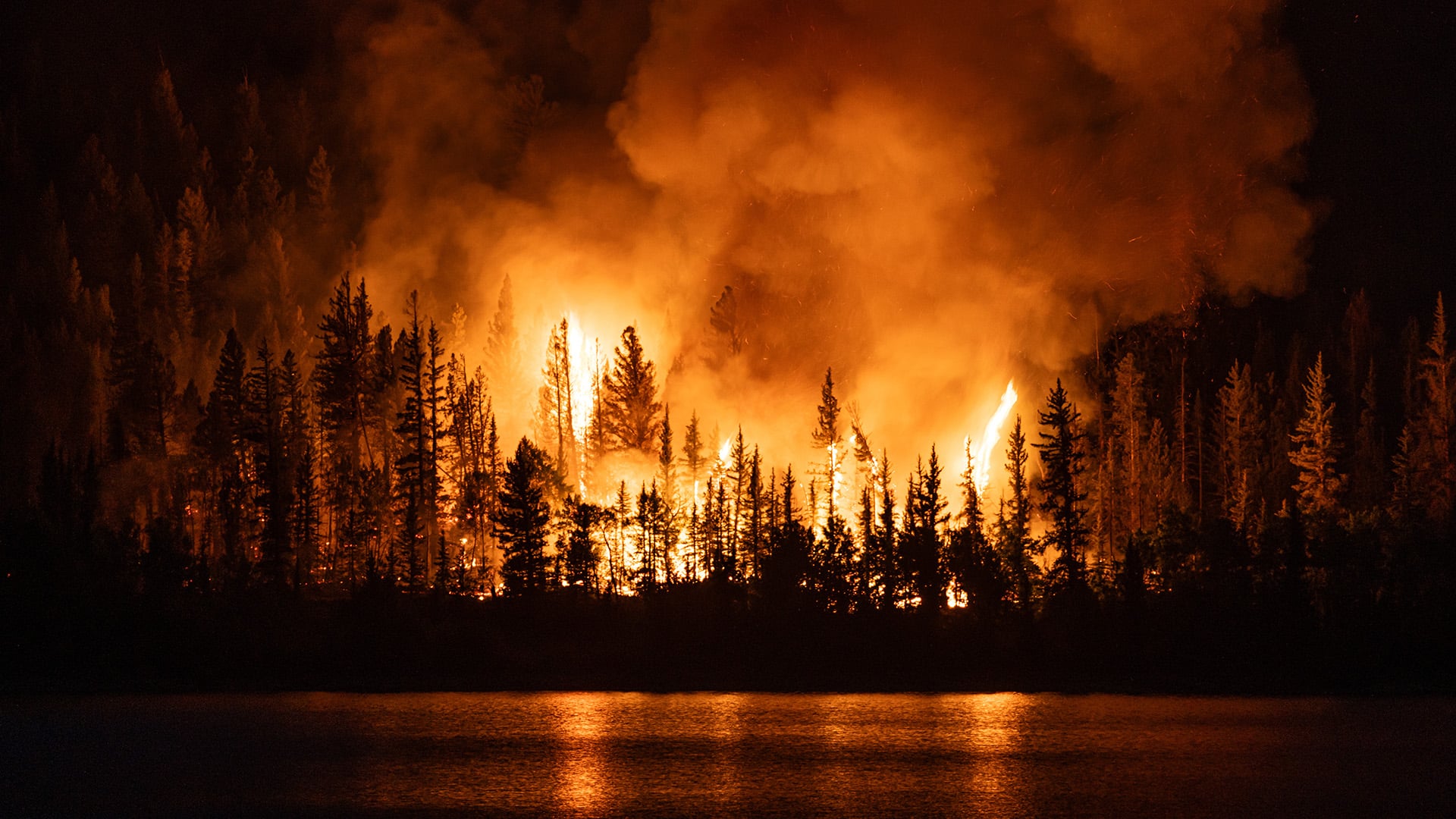
First, both proposals recognize what land managers and users have known for decades: properly designed forest treatments like thinning and salvage do not typically cause significant environmental harm. In fact, failing to act often leads to worse outcomes—catastrophic wildfire, insect outbreaks, long-term forest decline and long term if not permanent loss of access.
Second, these tools will help increase the pace and scale of management. BLM manages tens of millions of acres, and the current NEPA process can slow even routine, well-understood projects. Streamlining these efforts means more acres treated, healthier forests, and reduced wildfire risk.
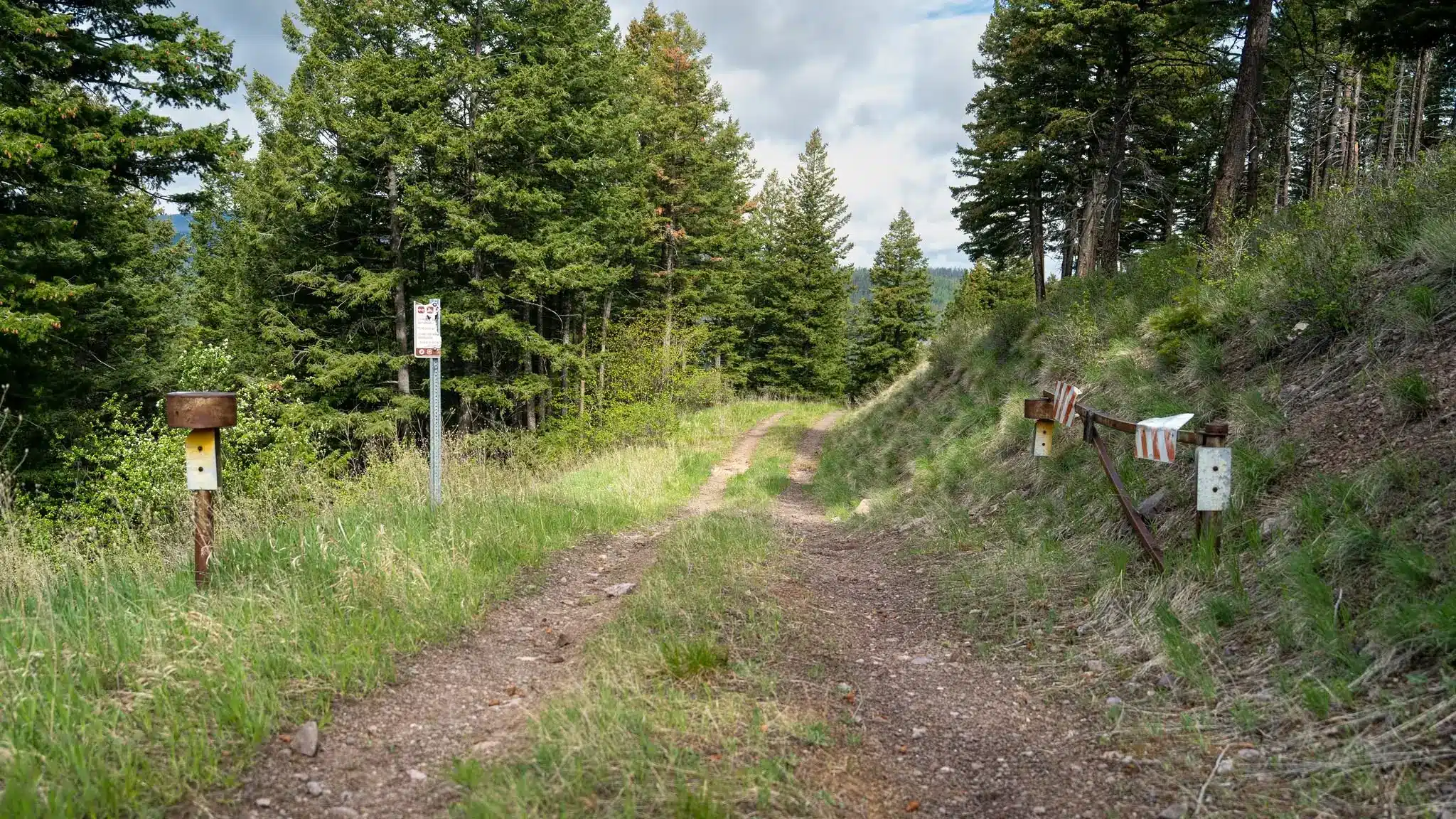
Third, and especially important to BRC, these proposals allow for continued use and maintenance of road systems. Roads are essential for access, recreation, fire response, and project implementation. The proposals support maintaining existing roads and allow up to five miles of new road construction where necessary.
Finally, these proposals are consistent with long-standing federal policy supporting multiple use and access to public lands. Congress has reinforced this direction through laws like the EXPLORE Act, emphasizing the importance of outdoor recreation and reducing barriers to access.
These changes won’t eliminate environmental review altogether. Projects must still comply with land use plans, protect sensitive resources, and cannot use these streamlined tools if extraordinary circumstances are present. But they will reduce unnecessary delays and help get important work done on the ground.
BRC supports these efforts because they move us toward a more balanced, practical approach to public land management—one that improves forest health, reduces wildfire risk, and maintains access for the people who use and care about these lands.
Comments will be accepted through May 6, 2026. Use the tool below to add your voice to ours.