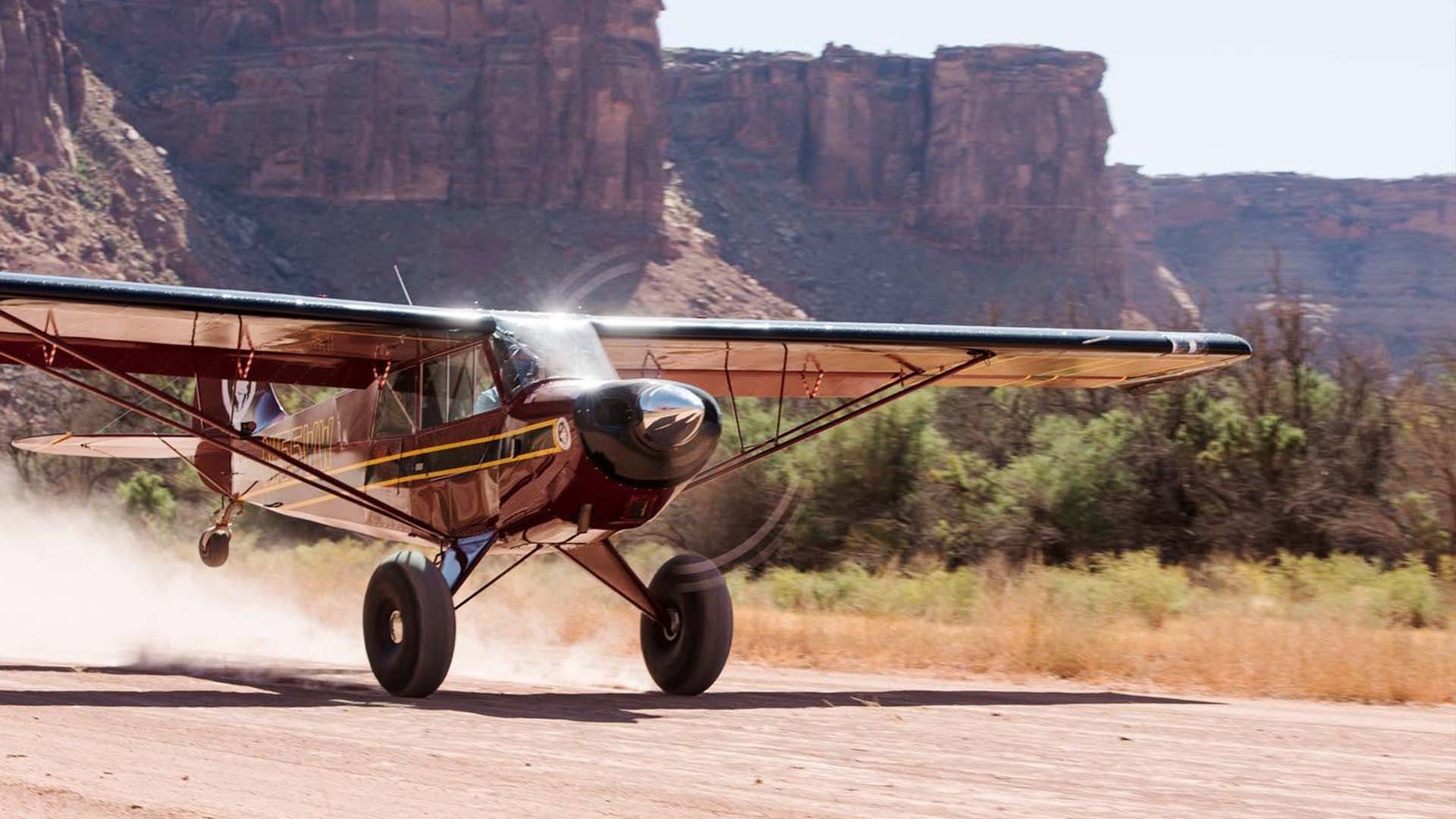
The BLM's Moab Field Office has reopened public comment on a proposal to formally designate ten backcountry airstrips across southeast Utah's canyon country around Moab, Utah. The comment period closes September 3, 2026.
The proposal
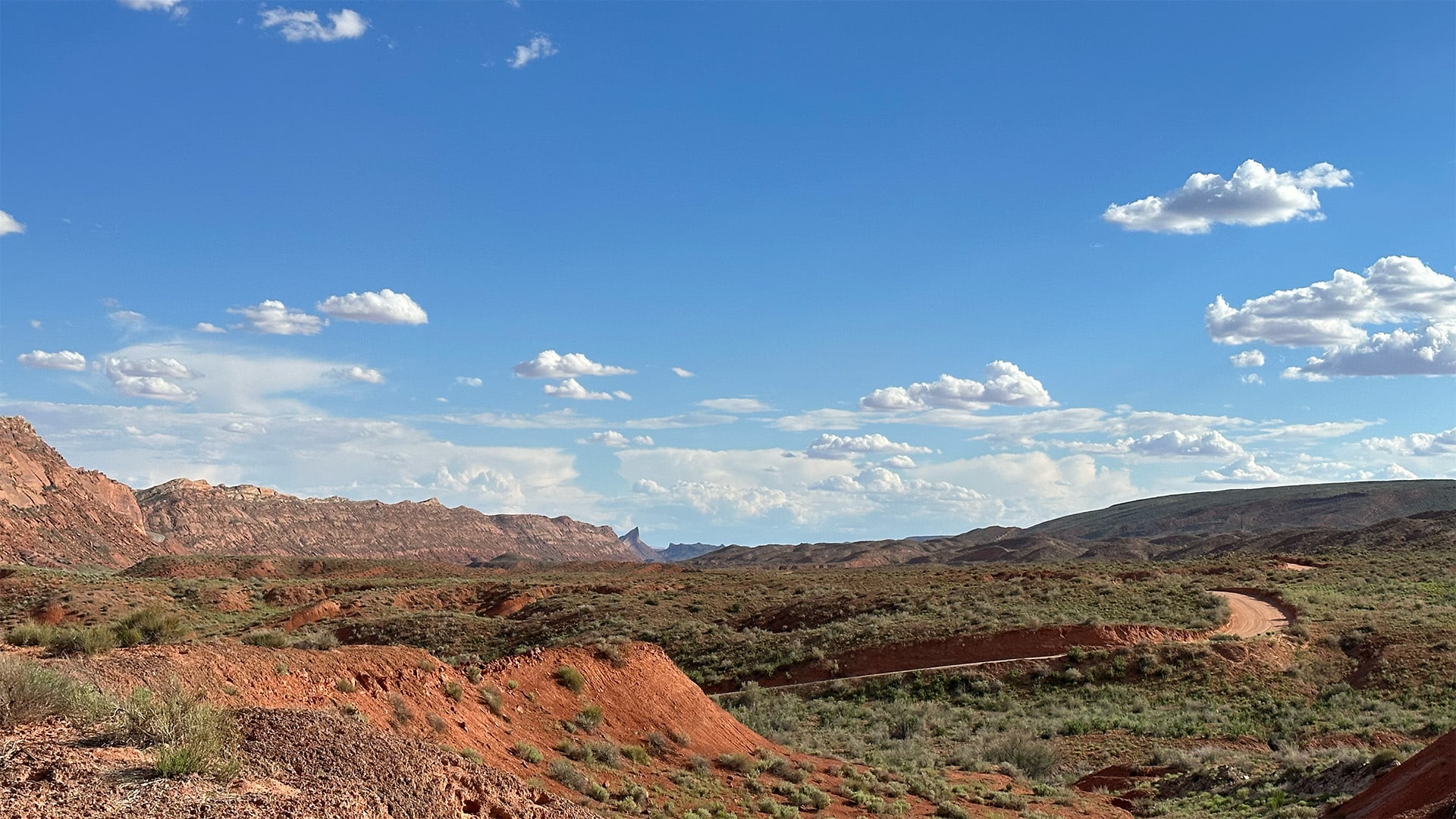
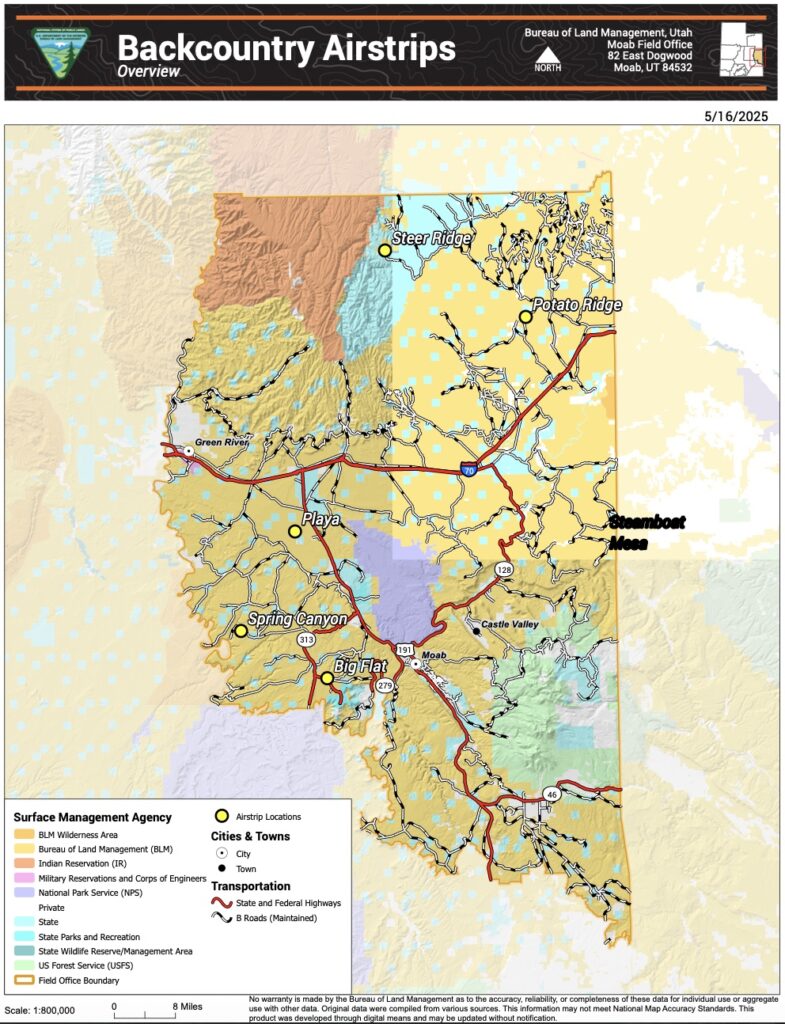
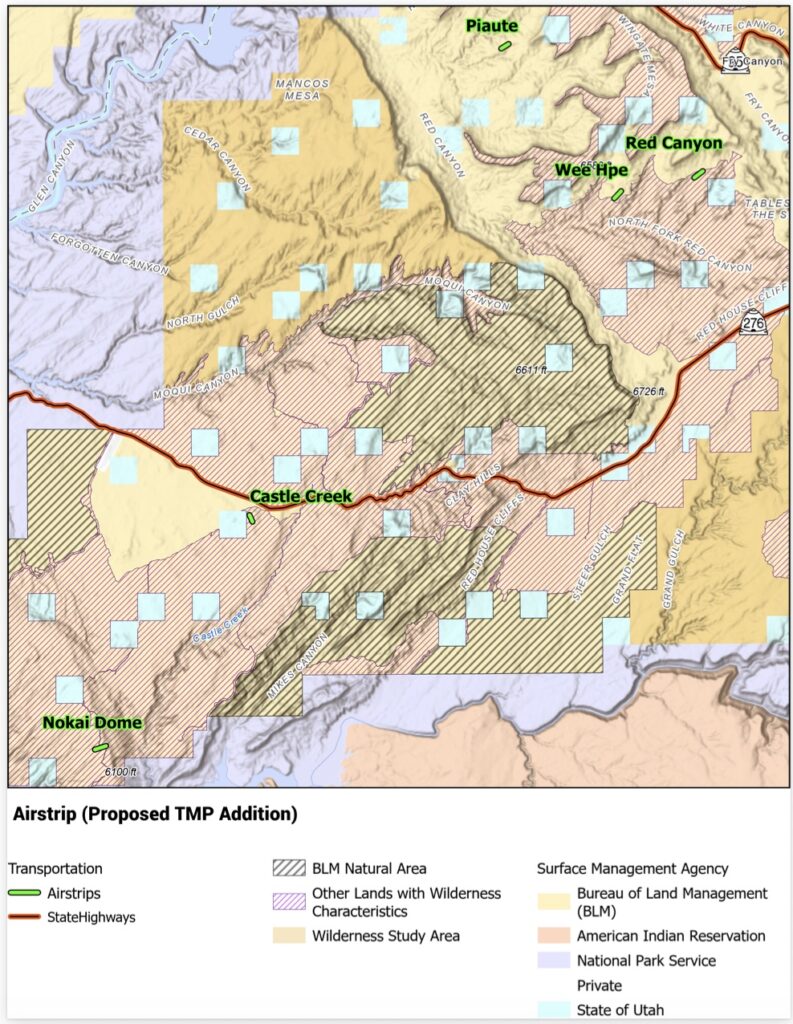
The proposal would designate nine airstrips as open for aircraft use, with a tenth strip, Wee Hope, maintained for aircraft parking and turning along route D0025. Five of the sites fall under the Moab Field Office: Big Flat, Playa, Potato Ridge, Spring Canyon, and Steer Ridge. Four more sit within the Monticello Field Office: Castle Creek, Nokai Dome, Piute, and Red Canyon.
None of these strips are new. Most were carved out decades ago to support mining operations and have quietly served recreational pilots since at least the 1950s. The current push to formalize them began in 2025, when the Utah Back Country Pilots Association and the Recreational Aviation Foundation asked the BLM to designate the sites and put a real maintenance plan behind them. The proposal will designate all ten sites, has a formalized maintenance plan, and adds seasonal protections for nesting migratory birds between March and July.
The importance of backcountry airstrips
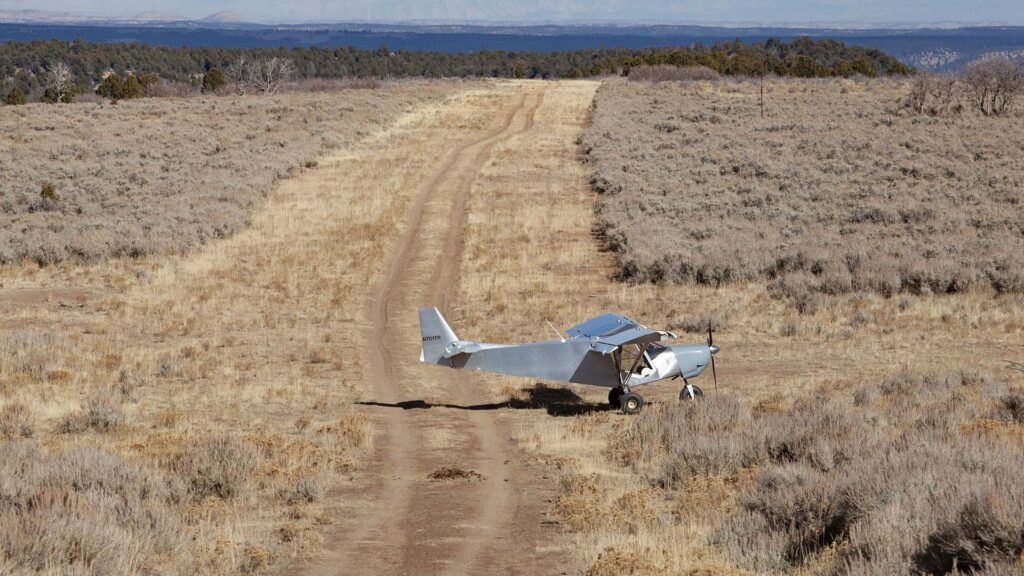
A dirt strip in a canyon bottom doesn't look like much, but it does something that few other forms of access can: it gets people onto remote public land without a single mile of new road. No grading, no culverts, no permanent scar across the landscape, just a runway that's often just wide enough for a small plane to land and take off. For hikers, hunters, canyoneers, and anyone chasing a weekend in the backcountry, these strips are quiet gateways rather than intrusions.
None of these airstrips will be used for commercial use. They are just for local pilots who love the area and want to connect with this land. These pilots also fly in archeologists and geologists to do studies, and ensure that no raptor nests are being affected or that there aren't cultural sites that could be harmed by the airstrips. The users of these airstrips are responsible stewards and love the land and work to protect it.
These airstrips are part of the working history of southeast Utah and help show the culture of the local communities and economies. Formal designation is as much about preserving that history as it is about future access.
The good these pilots do
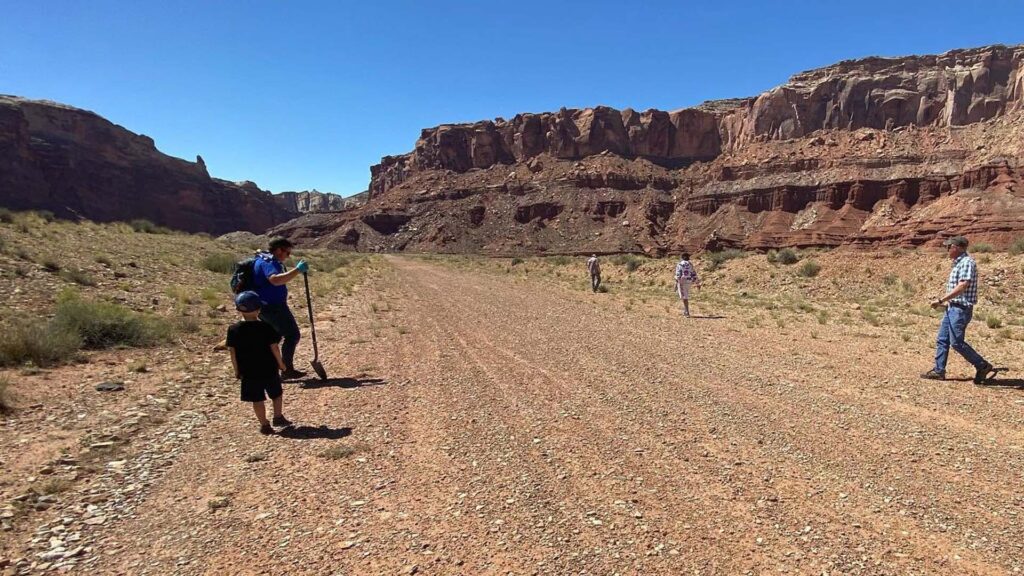
The pilots asking for this designation are the ones currently maintaining the airstrips voluntarily. When flood damage wrecked the Mexican Mountain airstrip, a wilderness study area that prohibits ground vehicles, 29 volunteers from the Utah Back Country Pilots Association hiked in on foot with hand tools and rebuilt the runway themselves, dragging dirt like sled dogs because there was no other way to do it.
That same ethic shows up in how these pilots fly. UBCP actively discourages repeated touch-and-go patterns that disturb hikers and wildlife near the strips, encourages small groups with real spacing instead of noisy formation flying, and asks members to maintain radio discipline on the common traffic frequency so other backcountry users always know who's overhead. It's a respectful user group that shouldn't be removed from our public lands. It's a community that has spent years building working relationships with the BLM.
Insurance is often a major problem without backcountry airstrips, and it's more restrictive than most non-pilots would guess. Coverage requirements for backcountry operations vary by underwriter, but pilots commonly report needing anywhere from two to fifteen hours of documented dual instruction, or a comparable block of supervised pilot-in-command time, before a policy will cover them to land solo at an unimproved strip. Some insurers accept time flown with any experienced backcountry pilot; others insist on a certificated instructor current in that specific aircraft type. Either way, none of it can be satisfied on paper. It has to be flown, at a real strip, with someone in the other seat who has actually done it before. Pilots who've been through the process are quick to point out that meeting the minimum hour requirement isn't the same as being proficient, which means the flying that happens beyond the insurance minimum, the kind that only happens if the strip is still there to fly to, is exactly what keeps this kind of aviation safe.
Backcountry airstrips nationwide have been disappearing for decades, washing out in floods, losing the maintenance funding that keeps a runway mowed and graded, or simply reverting to wilderness once nobody's flown in for a season or two and the brush closes back in.
Make your voice heard
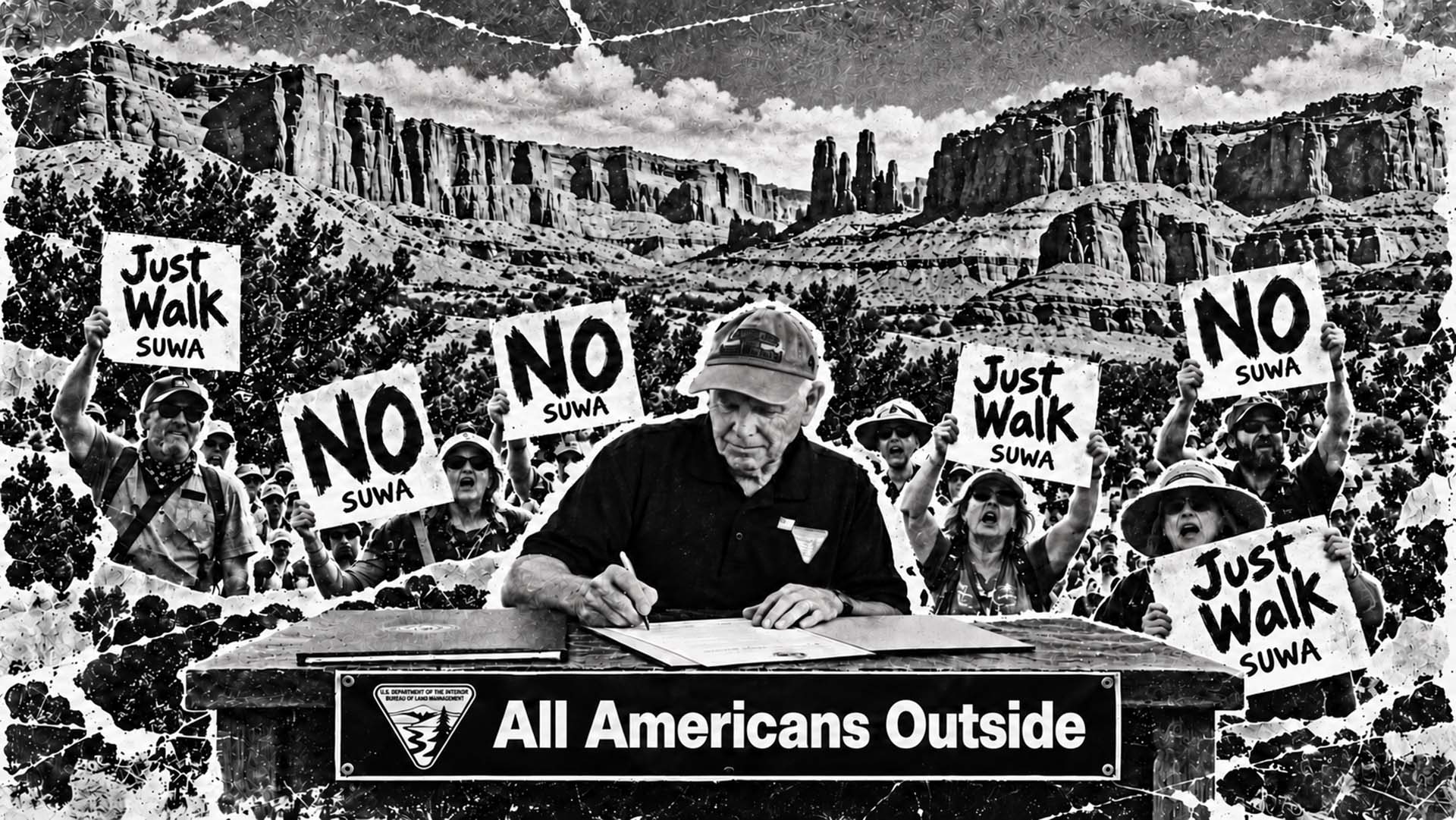
Not everyone agrees on this proposal. The Southern Utah Wilderness Alliance has argued that some of these sites have substantially reverted to natural conditions and helped generate more than 2,500 comments in opposition. That's exactly why individual comments from people who value backcountry access matter so much right now: the BLM needs to hear directly from the pilots, hikers, and public land users who actually use these places, not just from the loudest organized opposition.
Photos courtesy of Utah Back Country Pilots Association