
The Bureau of Land Management is proposing sweeping changes to camping access near Zion National Park through its SR9 Campground Management Project. This project is open for public comments through May 30, 2025. Fill our our form below to add your comment!
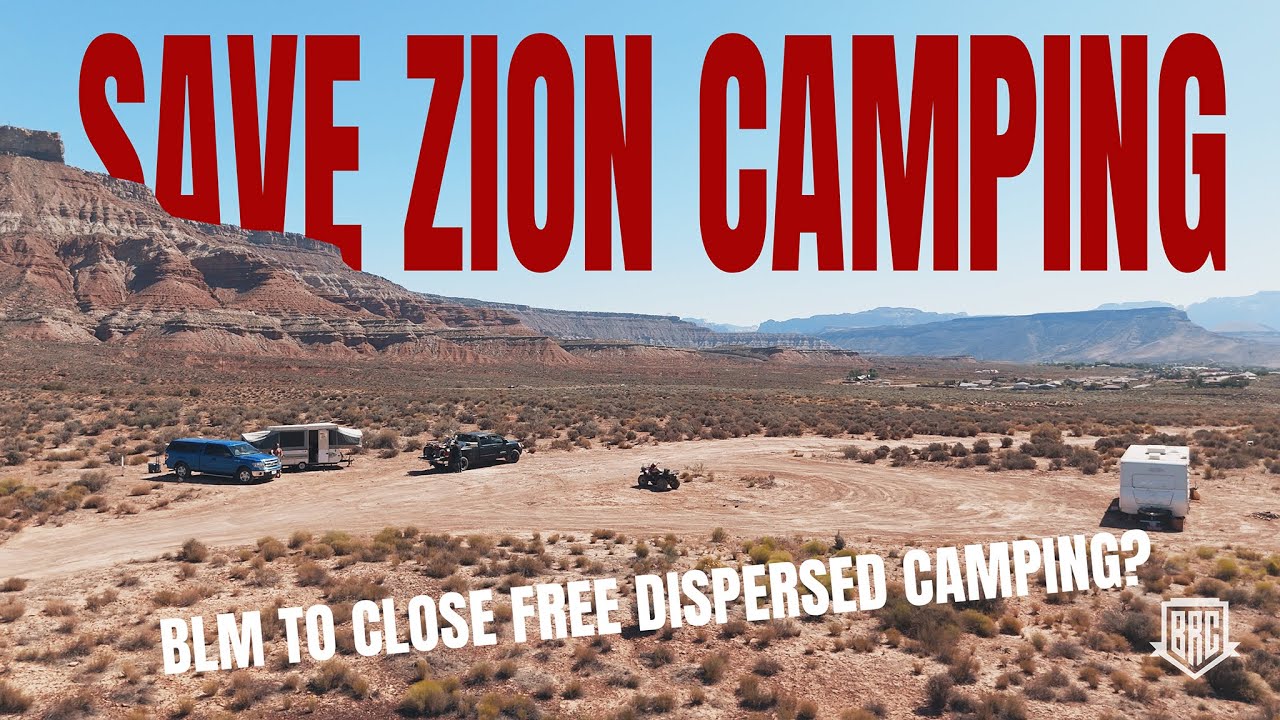
While we support efforts to improve recreation infrastructure and develop new campsites, the proposal includes a massive dispersed camping restriction across 15,087 acres of public land. This includes eliminating long-established campsites and decommissioning routes that provide access to those sites, a clear blow to one of the most accessible and affordable forms of recreation for the millions who visit this region each year.

Zion National Park welcomed over 4.6 million visitors in 2023, making it the third most visited national park in the country. Many of these visitors camp on nearby BLM land because campgrounds inside the park are overcrowded, expensive, or full.
Dispersed camping is a time-honored way that Americans, especially families, lower-income travelers, overlanders, and recreationists with RVs or trailers enjoy their public lands without needing reservations or costly lodging. As recreation demand in southern Utah continues to grow, removing access to 15,000+ acres of camping near one of the most popular national parks in the country is not the solution.
According to the U.S. Bureau of Economic Analysis, outdoor recreation contributes over $6.9 billion annually to Utah’s economy, supporting more than 73,000 jobs. Camping access, both in developed campgrounds and dispersed sites, is a key driver of this activity.
The communities surrounding Zion, such as Hurricane, La Verkin, and Springdale, benefit tremendously from tourism and recreation. Removing thousands of acres of legal camping opportunities limits overnight stays, reduces visitor flexibility, and ultimately undercuts local economies that depend on recreation-based tourism.
The SR9 Project includes proposals to build new campgrounds and improve trailheads, and we support these developments. The Flagstone Quarry and Gooseberry Mesa campground proposals would add hundreds of new designated campsites and provide amenities like restrooms, dumpsters, and trail connections. These are great improvements that serve growing demand. However, they shouldn't be replacing all other dispersed camping options. Infrastructure investments should not come at the cost of eliminating dispersed recreation. These two forms of camping are not mutually exclusive, they serve different user groups and access needs.

The scoping document states that route closures could be used as a form to close access to these campsites. Closing access routes to popular dispersed campsites, fencing off open lands, and issuing blanket camping bans will only push recreation pressure elsewhere, lead to overcrowding in designated sites, and exacerbate conflict across the region.
Restoring damaged sites, adding signage, improving road access, stay duration limits, and investing in low-impact infrastructure like vault toilets and designated fire rings are all strategies that work, and they work without robbing the public of access to their land. Submit a comment below, include your own personal message to let the BLM know you support camping opportunities near Zion National Park.